
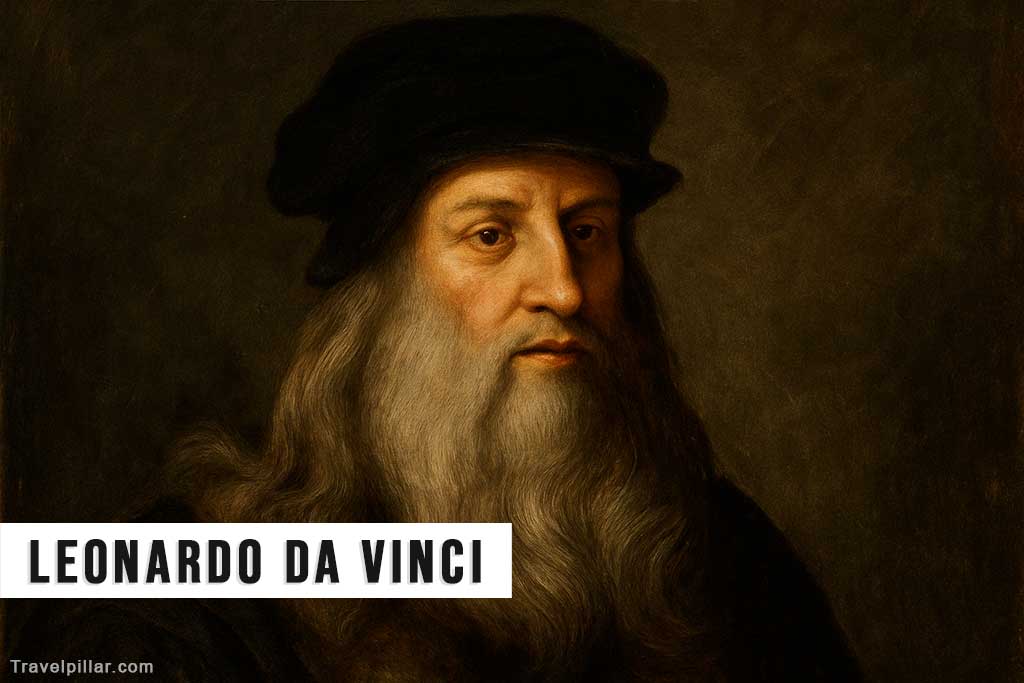
Leonardo da Vinci, born on April 15, 1452, in Vinci, Italy, is widely recognized as one of the most versatile geniuses in history. His pursuits and achievements in art, science, engineering, and anatomy embody the spirit of the Renaissance and have left a profound and enduring legacy.
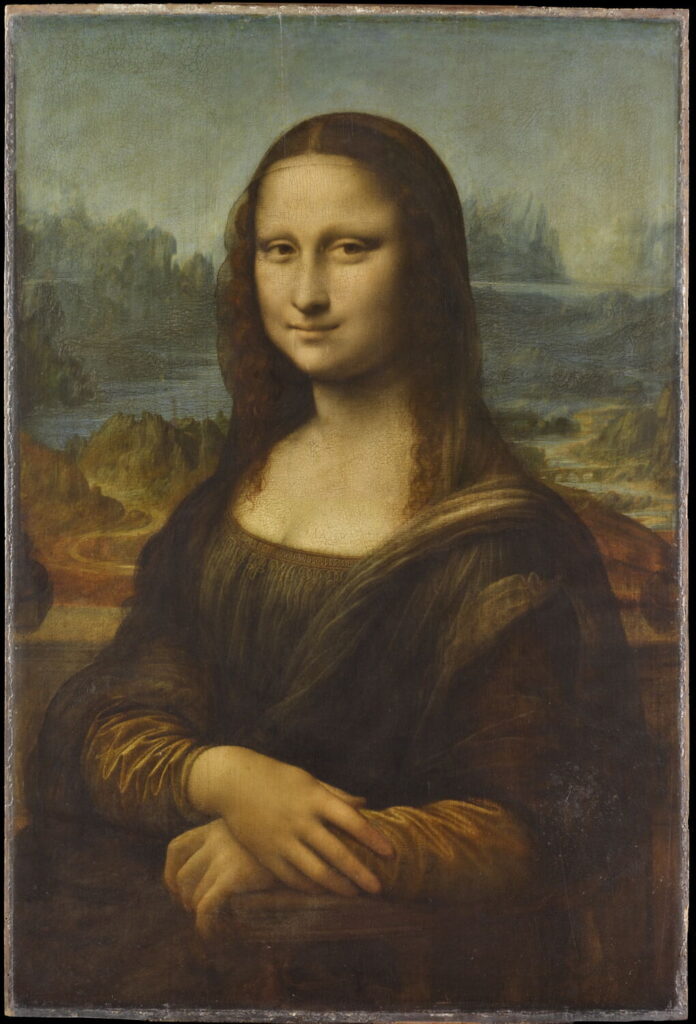
https://collections.louvre.fr/en/ark:/53355/cl010062370
Leonardo’s artistic talent was evident from his apprenticeship with Verrocchio in Florence, where he honed his skills in painting, sculpture, and the technical-mechanical arts. His masterpieces, such as the “Mona Lisa” and “The Last Supper,” are renowned for their technical innovation, psychological depth, and visual mastery. These works reveal Leonardo’s revolutionary techniques, including sfumato (soft transitions between colors), chiaroscuro (contrast between light and dark), and his scientific understanding of light and perspective.

https://www.nationalgallery.org.uk/
In addition to being an outstanding artist, Leonardo was a pioneering scientist. His scientific observations and illustrations encompass a wide range of disciplines, including anatomy, zoology, botany, geology, optics, aerodynamics, and hydrodynamics. His anatomical drawings, notably his “Vitruvian Man,” remain some of the most accurate on record.
Leonardo’s notebooks, filled with sketches, scientific diagrams, and ideas for future inventions, demonstrate his insatiable curiosity and innovative mind. They contain designs for devices ahead of their time, including a flying machine, armored vehicle, and parachute.
Despite his extraordinary output, Leonardo completed only a fraction of his projects. Many of his works were lost, unfinished, or never realized, reflecting his wide-ranging interests and notorious tendency to flit from project to project.
Leonardo da Vinci died on May 2, 1519, leaving a legacy of intellectual daring and creative brilliance that continues to inspire and influence. His synthesis of art and science, and his relentless pursuit of knowledge, embody the quintessential “Renaissance man,” and his genius continues to resonate in art, science, and culture.