
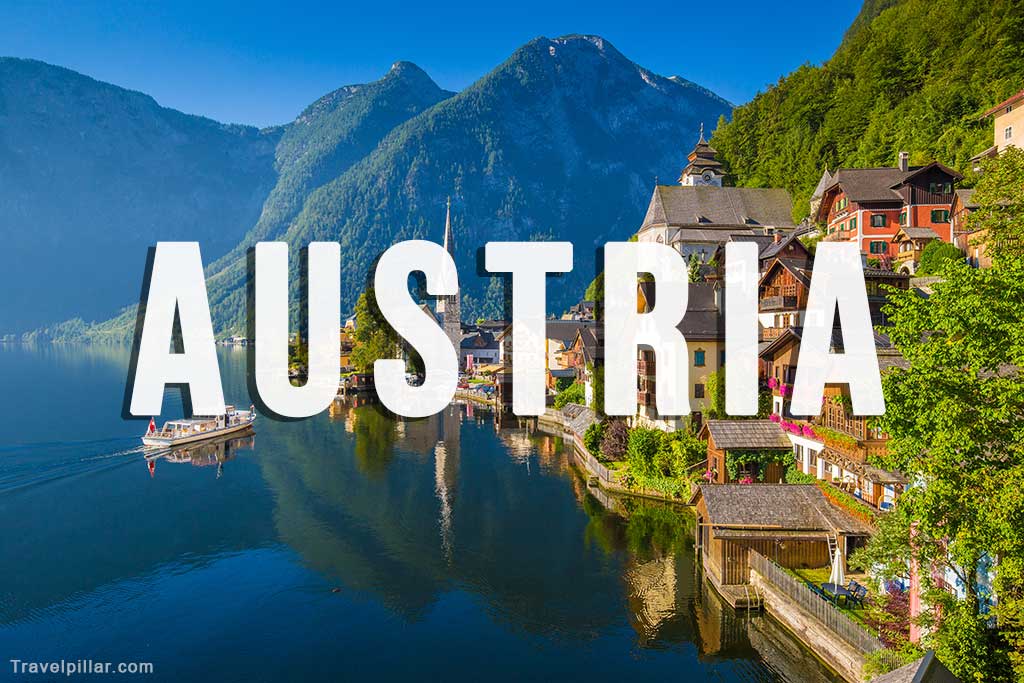
Austria is a landlocked country in Central Europe, known for its Alpine landscapes, historic cities, and cultural heritage. Its history as the centre of the Habsburg Empire left a legacy of palaces, churches, and art collections that remain central to its identity.
Vienna and Salzburg are among the best-known destinations, combining imperial architecture with music traditions associated with composers such as Mozart and Strauss. Smaller towns and scenic regions highlight Austria’s variety, from medieval streets to mountain villages.
The country also offers extensive opportunities for outdoor recreation. The Alps provide skiing, hiking, and lakeside activities, while cultural events and museums illustrate Austria’s continuing role in European history. Together, these elements make it one of the continent’s most visited destinations.
Vienna

Vienna, Austria’s capital, is known for its imperial architecture, cultural institutions, and musical heritage. The historic centre features landmarks such as the Hofburg Palace, St. Stephen’s Cathedral, and the Vienna State Opera. Museums on the Ringstrasse and the Belvedere showcase significant art collections. The city’s association with composers like Mozart and Beethoven, combined with its cafés and formal gardens, reflects a blend of political history, artistic achievement, and urban elegance.
Salzburg Old Town
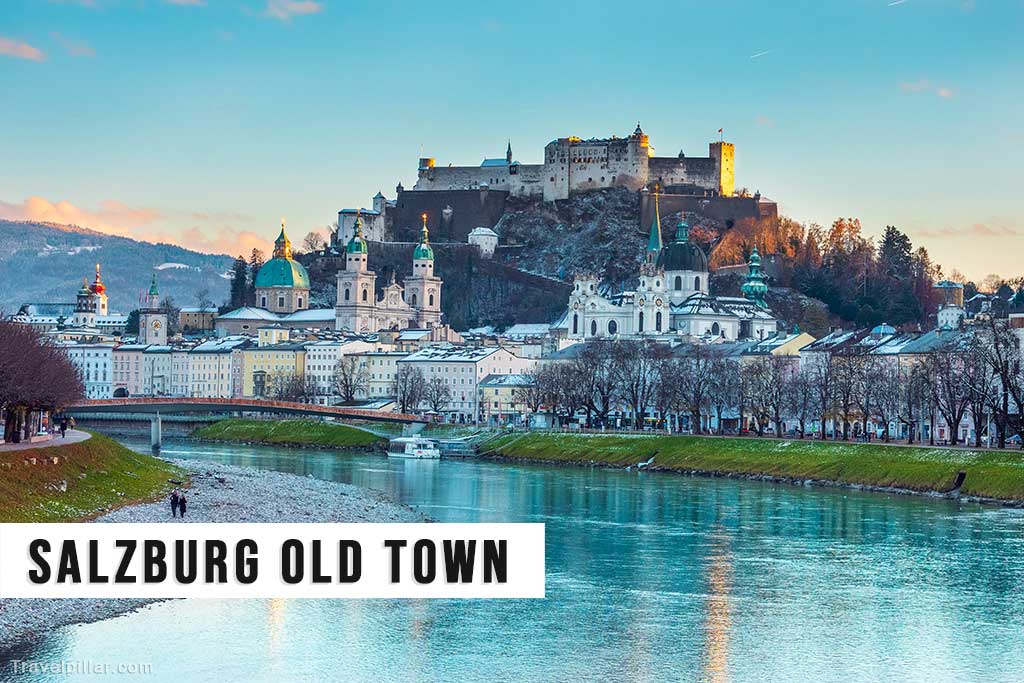
Salzburg Old Town, a UNESCO World Heritage Site, is noted for its Baroque architecture, narrow medieval streets, and riverside setting. Key landmarks include Salzburg Cathedral, Hohensalzburg Fortress, and Mozart’s birthplace. Squares such as Residenzplatz host markets and cultural events. The area combines ecclesiastical heritage with a long musical tradition, reflected in its annual festivals. Its preserved urban fabric and scenic backdrop of surrounding hills make it a significant Austrian cultural centre.
Hallstatt
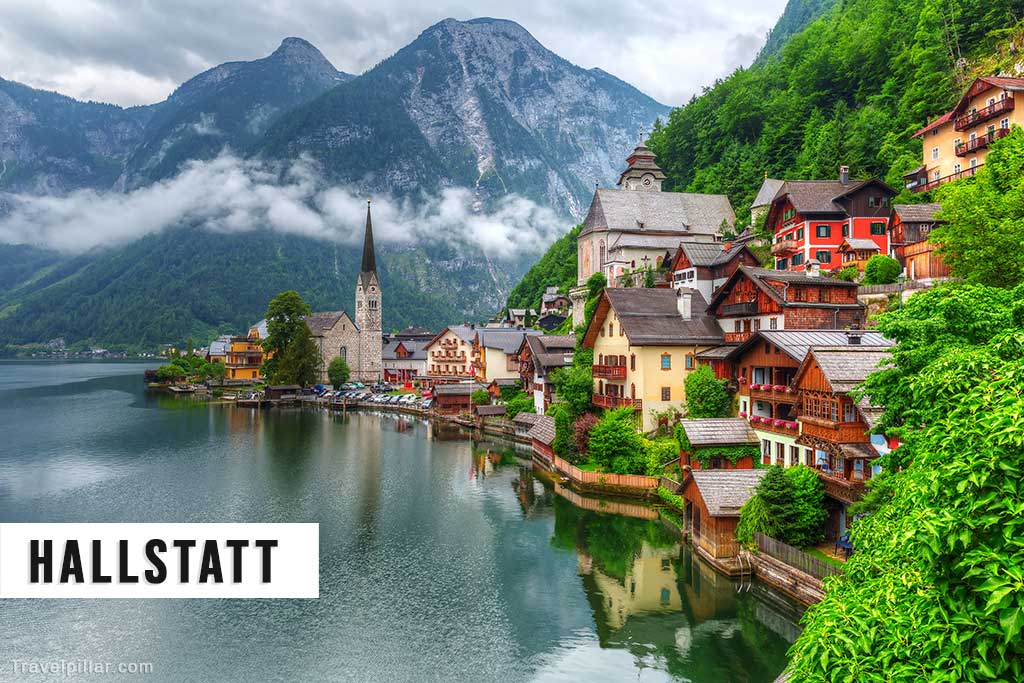
Hallstatt, situated on the shores of Lake Hallstatt in the Salzkammergut region, is renowned for its alpine scenery and prehistoric salt mining history. The village features traditional Austrian architecture, a market square, and the Hallstatt Ossuary. Visitors can explore the salt mines, lakeside promenade, and surrounding hiking trails. Its combination of cultural heritage, archaeological significance, and natural beauty has earned it UNESCO World Heritage status and international recognition as a picturesque destination.
Innsbruck
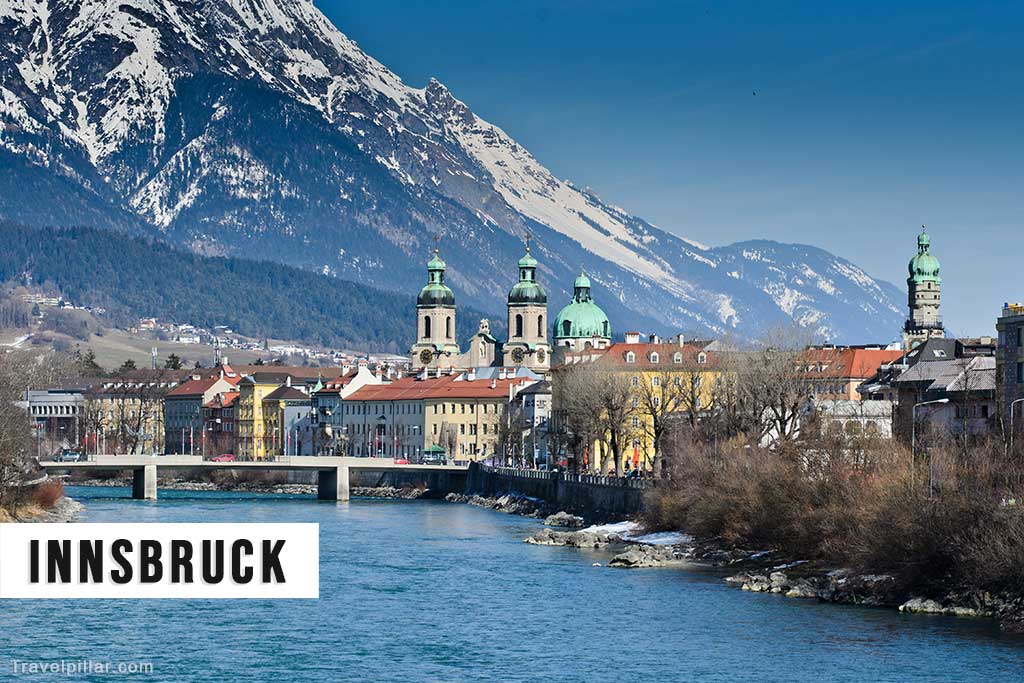
Innsbruck, capital of Tyrol, combines alpine landscapes with historical architecture. The medieval Old Town features landmarks such as the Golden Roof, Imperial Palace, and Court Church. The city is a centre for winter sports, having hosted the Winter Olympics twice, and offers cable car access to surrounding mountains. Its blend of Habsburg heritage, vibrant cultural life, and proximity to ski resorts and hiking trails makes it a notable year-round Austrian destination.
Grossglockner High Alpine Road
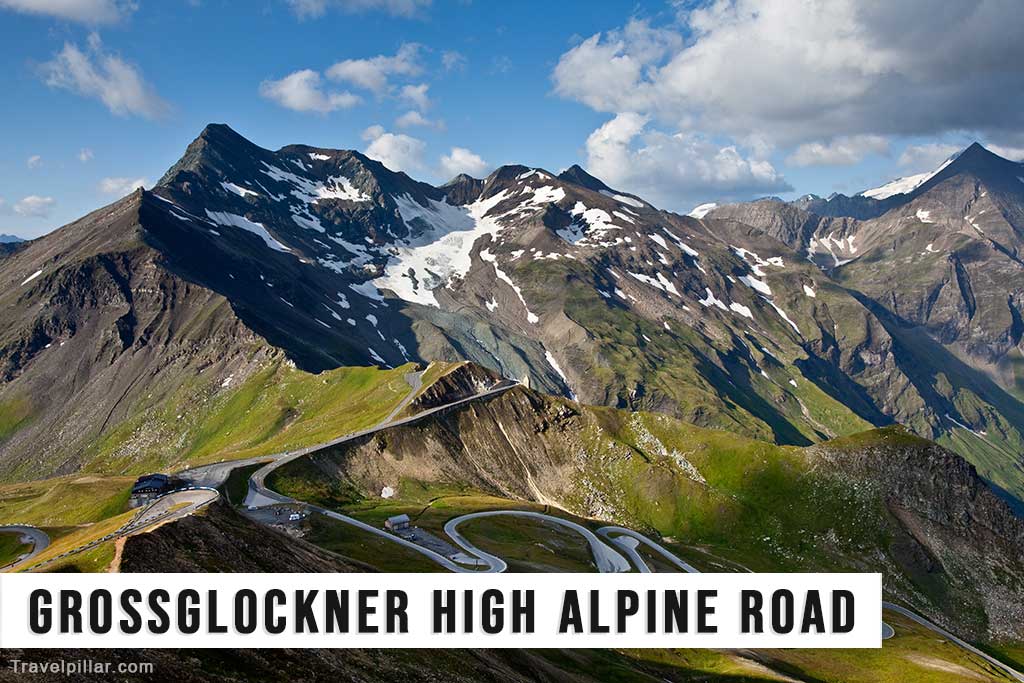
The Grossglockner High Alpine Road is a scenic mountain route linking Salzburg and Carinthia through the Hohe Tauern National Park. Reaching an altitude of 2,504 metres, it offers panoramic views of Austria’s highest peak, the Grossglockner, and the Pasterze Glacier. The road features visitor centres, hiking trails, and designated viewpoints. Open seasonally, it is regarded as one of Europe’s most notable alpine drives, combining engineering achievement with access to high mountain landscapes.
Google map 4.8/5
Wachau Valley
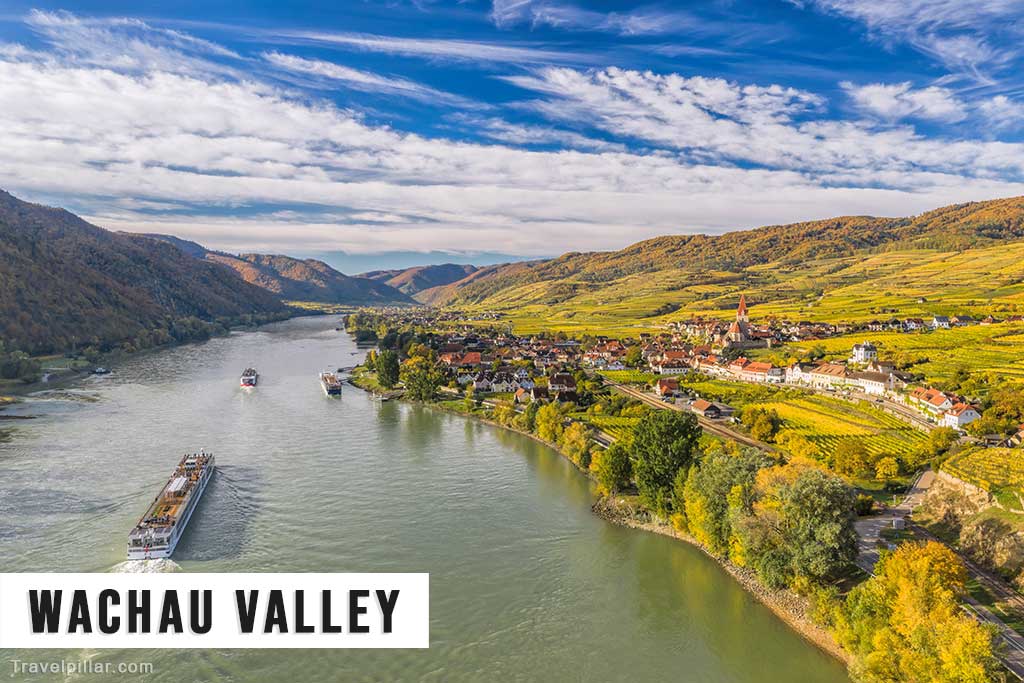
The Wachau Valley, a UNESCO World Heritage Site along the Danube River between Melk and Krems, is noted for its terraced vineyards, medieval towns, and monastic architecture. Highlights include Dürnstein’s castle ruins, Melk Abbey, and local wine production. The valley offers river cruises, cycling routes, and seasonal festivals. Its combination of natural scenery, historical settlements, and viticultural heritage makes it a prominent cultural landscape in Austria’s Lower Austria region.
Google map 4.8/5
Melk Abbey
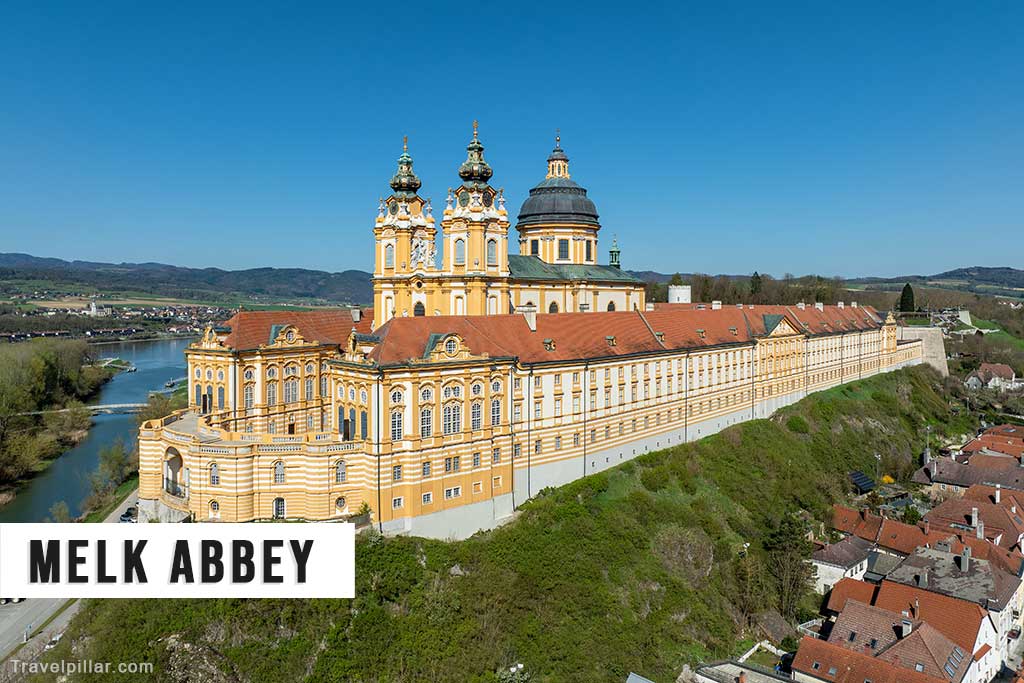
Melk Abbey, a Baroque Benedictine monastery overlooking the Danube in Lower Austria, is renowned for its ornate architecture and cultural significance. Founded in the 11th century and rebuilt in the 18th, it features a grand church, imperial rooms, and an extensive library with medieval manuscripts. The abbey’s hilltop location provides panoramic views of the Wachau Valley. Its blend of religious heritage, artistic detail, and historical continuity makes it one of Austria’s most notable monastic complexes.