

Goa Gajah, commonly known as the Elephant Cave, is an archaeological site located near Ubud in central Bali. The site dates to around the 9th century and reflects a combination of Hindu and Buddhist influences, indicating its role as a place of meditation and religious activity. It was rediscovered in the early 20th century and has since become one of Bali’s most visited historical sites.
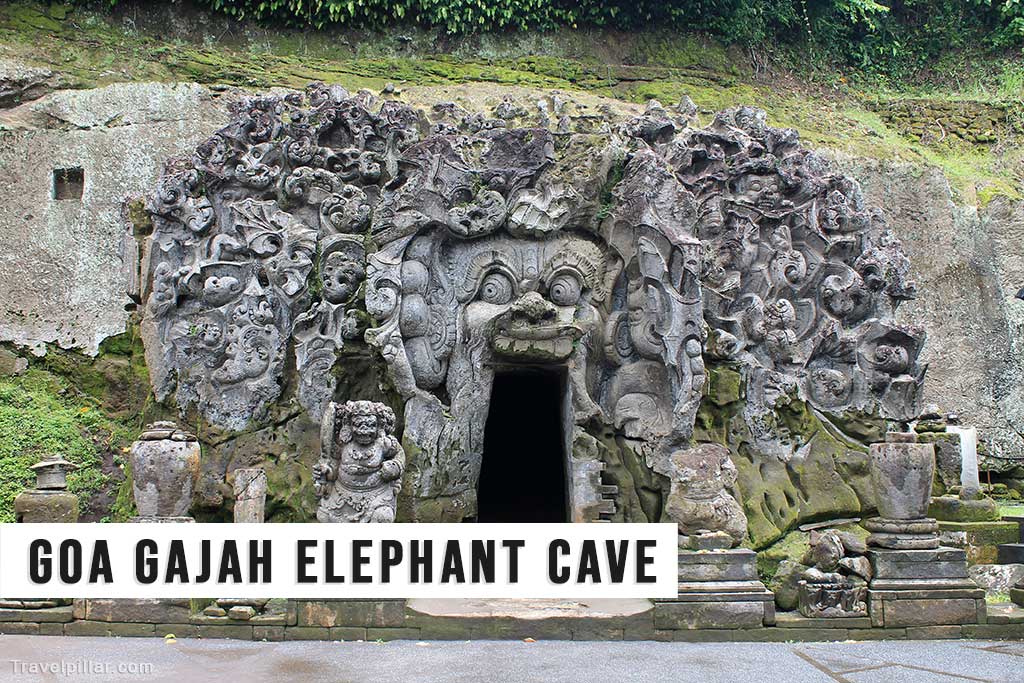
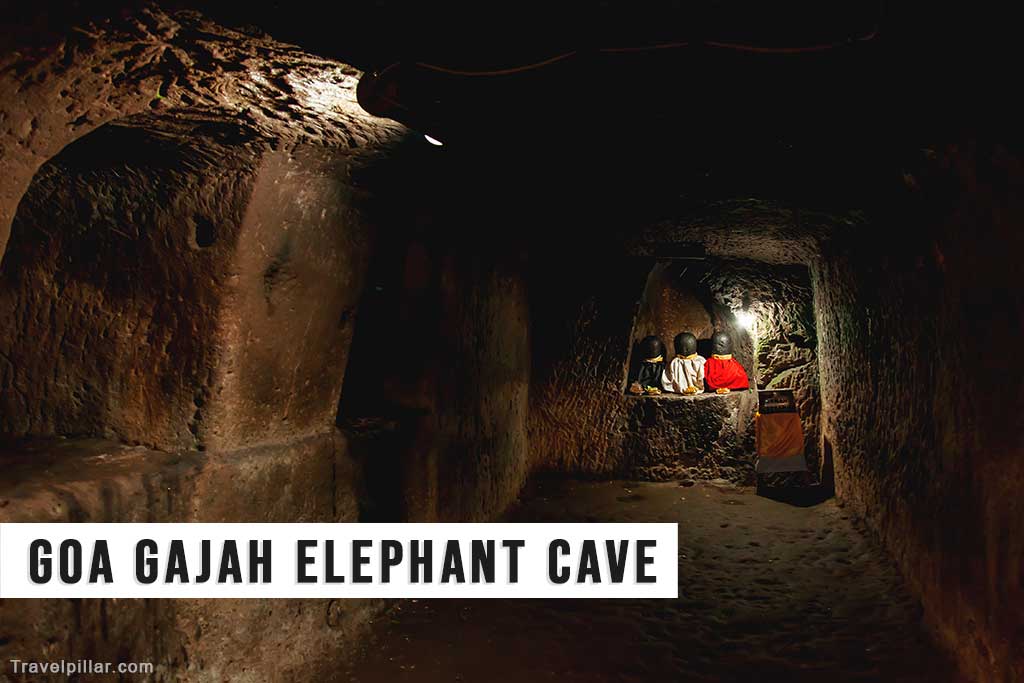
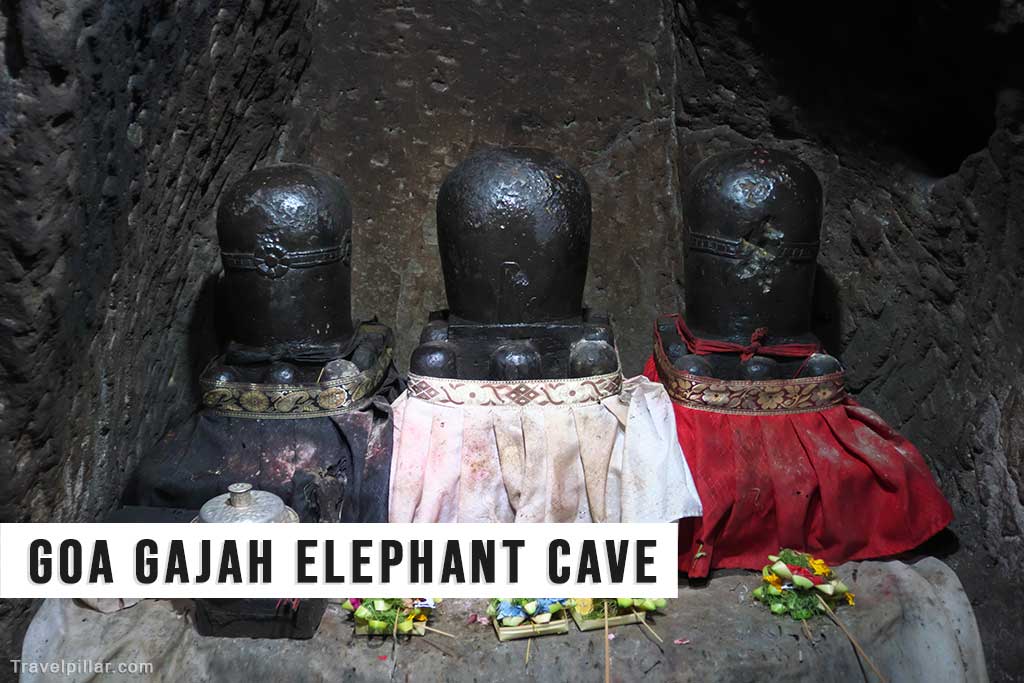
The main feature is the cave entrance, carved into a rock face and designed to resemble a large, open mouth. This decorative façade is intended to ward off evil spirits and marks the entrance to a small interior chamber. Inside the cave are several stone figures and niches, including representations of Ganesha and lingam symbols associated with Hindu worship. The interior space is relatively confined, suggesting it was used for individual meditation rather than large gatherings.
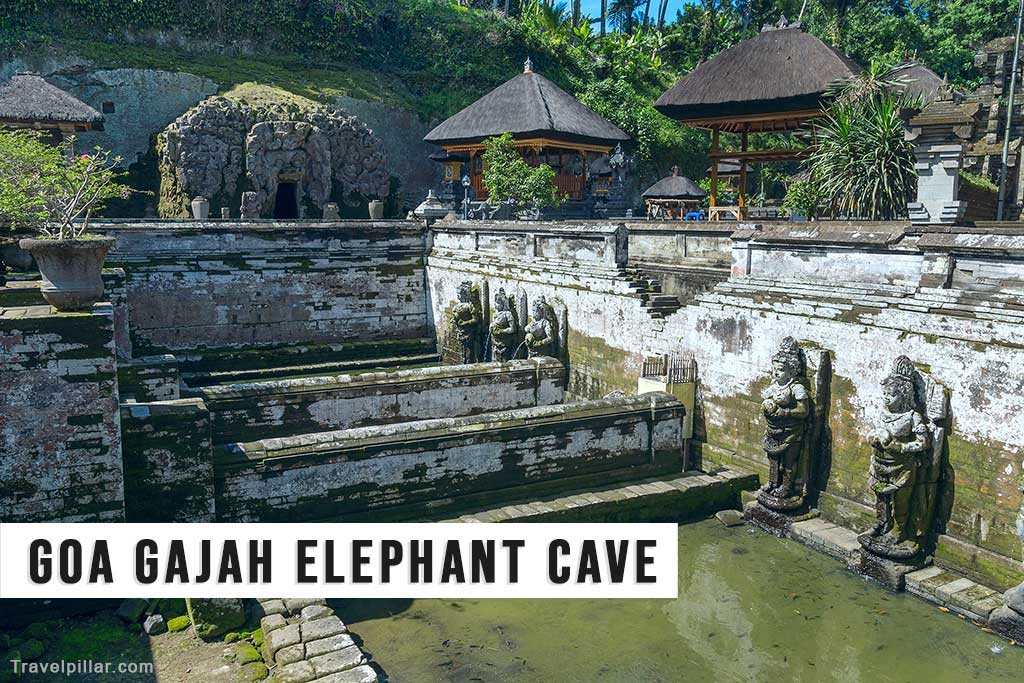
In front of the cave is a rectangular bathing pool, which was uncovered during archaeological excavations in the 1950s. The pool contains a series of stone fountains shaped as female figures holding water vessels. These are associated with purification rituals and reflect the importance of water in Balinese religious practices.
The wider site extends beyond the cave itself and includes gardens, pathways and additional archaeological remains. Stone steps lead down to a lower area where there are fragments of ancient structures and a small river. This part of the site provides a quieter environment and illustrates the broader layout of the complex.
Goa Gajah is located a short distance from Ubud and is easily accessible by road. Visitors are required to wear a sarong and sash, in keeping with local customs for temple sites. The site can become busy, particularly during peak hours, but remains manageable due to its open layout.
Today, Goa Gajah functions as both a historical site and an active place of worship. It offers insight into early religious practices in Bali and the interaction between different cultural influences on the island.
Google map 4.2/5