
Pablo Picasso (1881-1973)

Pablo Picasso (1881-1973): One of the most influential artists of the 20th century, Pablo Picasso is known for his groundbreaking contributions to the development of Cubism, as well as his experimentation with other styles and techniques throughout his long and prolific career. His most famous works, such as “Les Demoiselles d’Avignon” and “Guernica,” demonstrate his mastery of form, color, and composition, as well as his ability to convey complex ideas and emotions through art. Picasso’s enduring legacy continues to inspire and influence artists today.
Salvador Dalí (1904-1989)
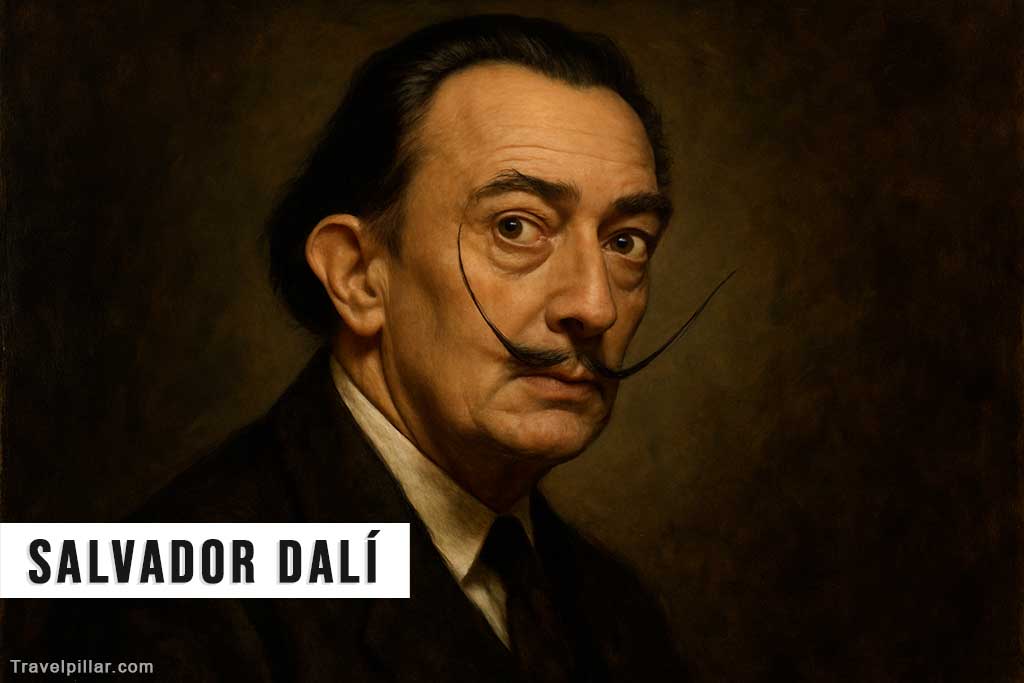
Salvador Dalí (1904-1989): A leading figure of the Surrealist movement, Salvador Dalí’s works are celebrated for their dreamlike imagery, their use of symbolism and metaphor, and their striking and often unsettling compositions. His most famous works, such as “The Persistence of Memory” and “The Elephants,” demonstrate his mastery of the techniques of painting and sculpture, as well as his ability to convey complex psychological and philosophical ideas through art. Dalí’s unique vision and his innovative approach to art have had a lasting impact on the history of modern art.
Diego Velázquez (1599-1660)

Diego Velázquez (1599-1660): One of the greatest painters of the Spanish Golden Age, Diego Velázquez is known for his stunning portraits and genre scenes that showcase his technical skill, his mastery of light and color, and his ability to capture the essence of his subjects. His most famous works, such as “Las Meninas” and “The Surrender of Breda,” are celebrated for their depth and complexity, as well as their emotional resonance. Velázquez’s innovative approach to portraiture and his influence on the development of Baroque art have made him an enduring figure in the history of art.
Francisco Goya (1746-1828)
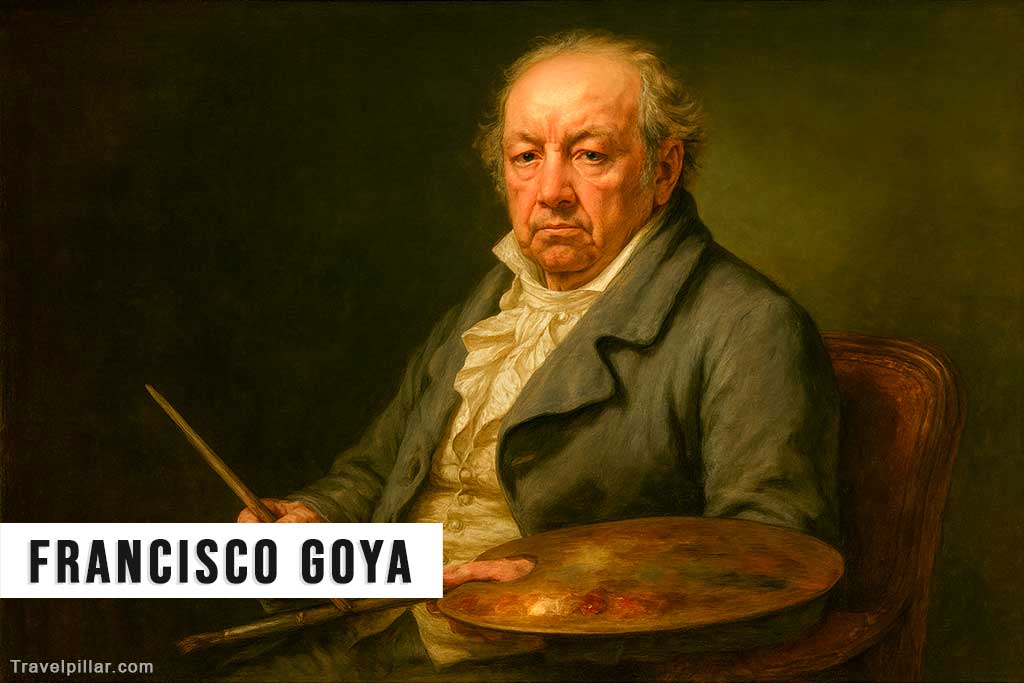
Francisco Goya (1746-1828): A leading figure of the Romantic movement, Francisco Goya’s works are known for their dramatic intensity, their psychological depth, and their exploration of the darker aspects of the human experience. His most famous works, such as “The Third of May 1808” and “The Black Paintings,” convey a sense of raw emotion and existential angst that have made them enduring favorites among art lovers. Goya’s innovative approach to painting and his exploration of the subconscious have had a lasting influence on the development of modern art.
Joan Miró (1893-1983)

Joan Miró (1893-1983): A leading figure of the Surrealist movement, Joan Miró’s works are celebrated for their playful, yet profound, exploration of the human experience, as well as their innovative use of color and form. His most famous works, such as “The Tilled Field” and “Blue II,” demonstrate his mastery of the techniques of painting and sculpture, as well as his ability to convey complex emotions and ideas through art. Miró’s unique vision and his influence on the development of modern art have made him an enduring figure in the history of art.
Francisco de Zurbarán (1598-1664):
Francisco de Zurbarán (1598-1664): A leading figure of the Spanish Golden Age, Francisco de Zurbarán’s works are known for their realism and their attention to detail. His most famous works, such as “The Martyrdom of Saint Serapion” and “Saint Francis in Meditation,” demonstrate his mastery of form, light, and color, as well as his ability to convey the spiritual and emotional essence of his subjects. Zurbarán’s influence on the development of Spanish Baroque art has been profound and enduring.
El Greco (1541-1614)

El Greco (1541-1614): A leading figure of the Spanish Renaissance, El Greco’s works are known for their dramatic intensity, their use of bold colors and elongated figures, and their incorporation of elements of Mannerism and Venetian art. His most famous works, such as “The Burial of the Count of Orgaz” and “View of Toledo,” showcase his mastery of the techniques of painting and sculpture, as well as his ability to convey complex emotional and spiritual themes through art. El Greco’s innovative approach to painting and his influence on the development of Spanish Baroque art have made him an enduring figure in the history of art.
Bartolomé Esteban Murillo (1617–1682)
Bartolomé Esteban Murillo (1617–1682) was a Spanish Baroque painter known for his religious works and depictions of everyday life. His art is characterized by its use of soft light, warm colors, and gentle realism. Notable works include “The Immaculate Conception” and “The Young Beggar.” Murillo’s style, with its focus on grace and serenity, made him a leading artist of his time, influencing Spanish art and contributing to the Baroque period’s legacy.
Joaquín Sorolla (1863–1923)
Joaquín Sorolla (1863–1923) was a Spanish painter renowned for his masterful use of light and color. Specializing in seascapes, landscapes, and portraits, his works capture the vibrancy of Mediterranean life. Notable pieces include “The Return from Fishing” and “Walk on the Beach,” which showcase his impressionistic approach to natural light. Sorolla’s style emphasizes fluid brushwork and vivid hues, making him a prominent figure in Spanish Impressionism and an important contributor to modern art.
These are just a few of the many influential Spanish artists who have made significant contributions to the world of art.