
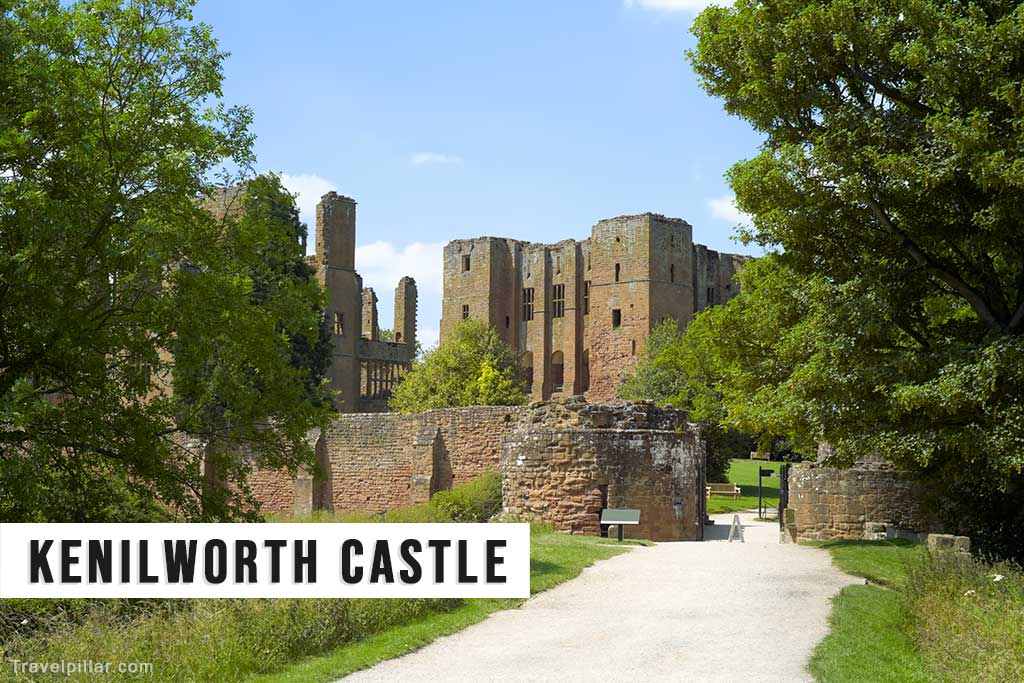
Kenilworth Castle, located in Warwickshire, is one of the most significant castle ruins in England, with a history spanning more than nine centuries. Founded in the early 12th century by Geoffrey de Clinton, the castle developed from a Norman stronghold into a royal residence of considerable importance. Its vast scale and extensive remains reflect its central role in England’s medieval and Tudor history.
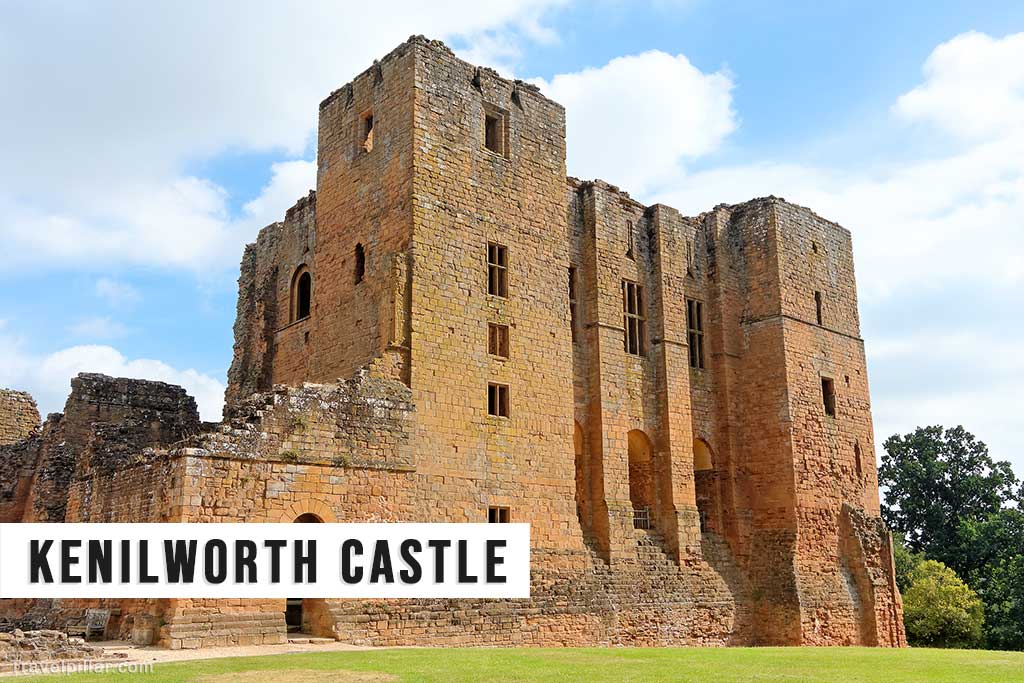
The castle was expanded in the 13th century under King John, who added formidable defensive features, including the great curtain wall and an artificial lake, known as the Mere, which surrounded much of the site. These works made Kenilworth one of the most secure fortresses of the time. In the 14th century, John of Gaunt transformed the castle into a luxurious palace, constructing the Great Hall and lavish domestic apartments that signalled the site’s dual role as fortress and residence.
Kenilworth reached its peak of splendour in the 16th century under Robert Dudley, Earl of Leicester and a favourite of Queen Elizabeth I. Dudley undertook extensive renovations, building the Leicester’s Building to provide grand accommodation for the queen. In 1575, he hosted Elizabeth at Kenilworth for a three-week visit, marked by elaborate entertainments, pageantry, and banquets. This event became one of the most celebrated spectacles of the Elizabethan age.
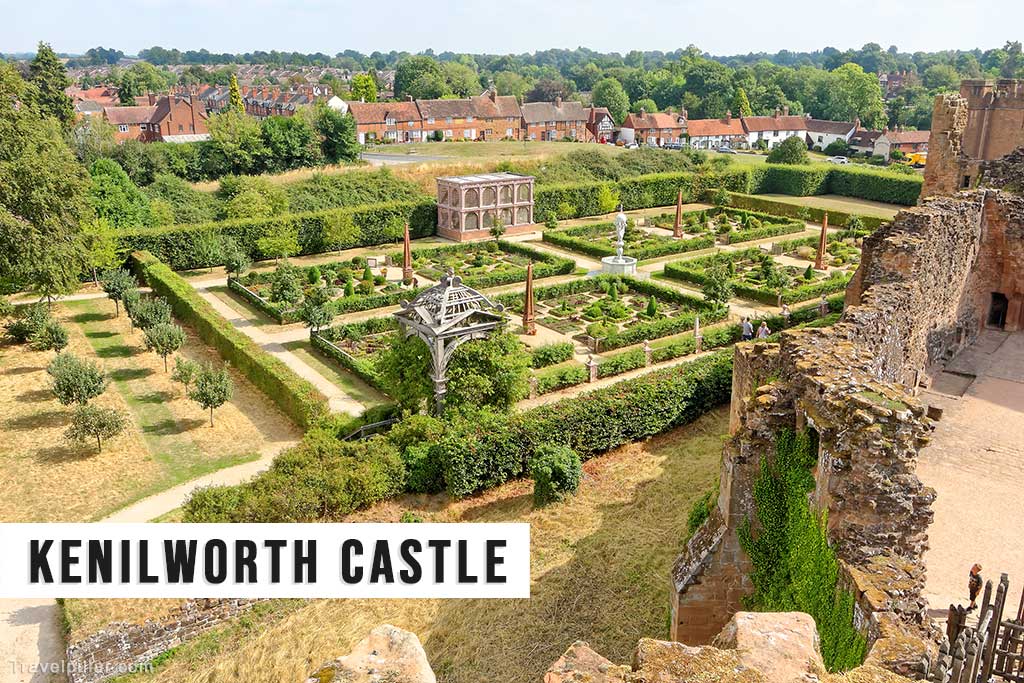
The castle’s decline began in the mid-17th century when it was partially demolished following the English Civil War to prevent its future use as a military stronghold. Despite this, substantial sections remain, including the Great Tower, the Leicester’s Building, and the impressive ruins of the Great Hall. The Elizabethan Garden, reconstructed in the early 2000s, offers insight into the ornamental design that Dudley commissioned for Elizabeth I’s visit.
Today, Kenilworth Castle is managed by English Heritage and is open to the public. Visitors can explore the ruins, climb the tower for expansive views, and learn about its history through exhibitions. The site continues to illustrate the evolution of English castles from military fortifications to centres of political power and aristocratic display.
Official website: https://www.english-heritage.org.uk/
Google map 4.7/5