
London Must-see Attractions ranked 41–60 showcase distinctive neighbourhoods, specialist museums, historic churches, markets and modern landmarks that add depth to any visit. From Camden Market and Notting Hill to the Globe Theatre and The Shard, these sites highlight London’s creative energy and architectural contrast. Together, these London Must-see Attractions reveal cultural layers beyond the city’s most iconic landmarks.
#41 Camden Market

Camden Market is a vibrant shopping and cultural destination in the heart of Camden Town, London. Established in 1974, it has grown into a sprawling network of open-air and covered markets, offering a diverse array of goods, from vintage clothing and handmade crafts to international street food. The market’s eclectic atmosphere attracts millions of visitors annually, making it one of London’s top attractions. Live music venues, art galleries, and cafes also contribute to its bustling ambiance.
Official website: https://camdenmarket.com
Google map 4.6/5
#42 Notting Hill

Notting Hill is a fashionable neighborhood in West London, renowned for its picturesque streets, colorful houses, and rich cultural history. The area has become synonymous with the annual Notting Hill Carnival, a celebration of Caribbean culture that takes place every August bank holiday weekend. The famous Portobello Road Market, known for its antiques, vintage fashion, and street food, draws visitors from around the world. Notting Hill is also home to numerous independent shops, galleries, and cafes.
#43 Globe Theatre

Globe Theatre, also known as Shakespeare’s Globe, is a modern reconstruction of the original Elizabethan playhouse located on the south bank of the River Thames in London. Opened in 1997, it was built using traditional materials and techniques to closely resemble the 16th-century theatre where William Shakespeare’s plays were performed. Today, the Globe Theatre presents a season of Shakespearean productions, as well as other plays, concerts, and educational programs. Visitors can also take guided tours to learn about the theatre’s history and architecture.
Official website: https://www.shakespearesglobe.com
Google map 4.6/5
#44 Horniman Museum and Gardens
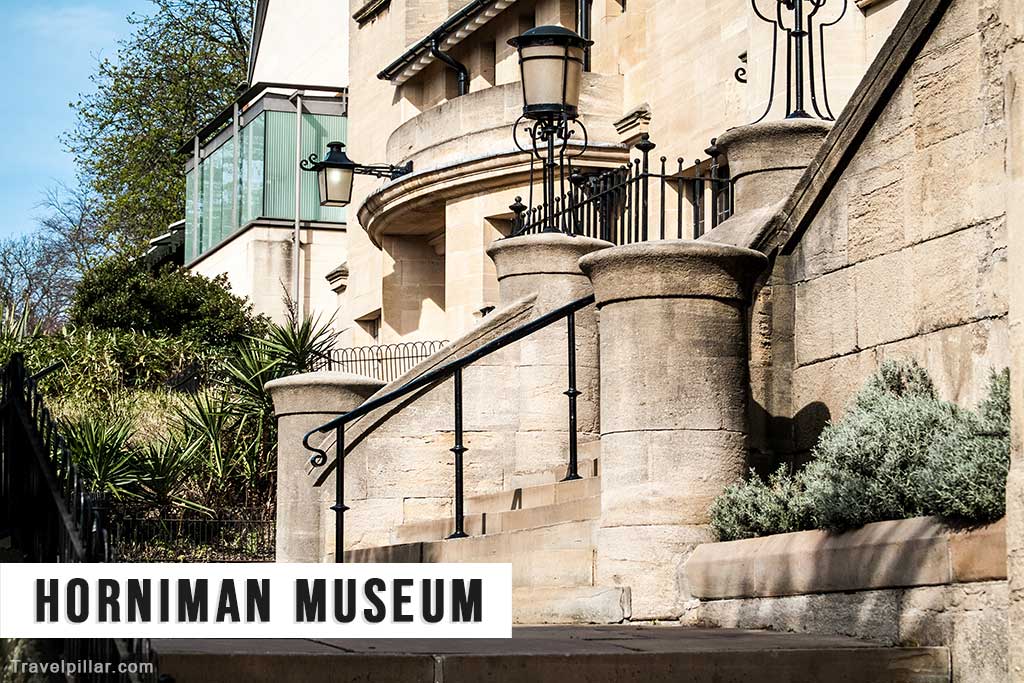
Horniman Museum and Gardens is a unique cultural institution in Forest Hill, South London, founded by Victorian tea trader Frederick John Horniman in 1901. The museum houses diverse collections, including anthropology, natural history, and musical instruments, with a focus on promoting understanding of world cultures. Highlights include the acclaimed aquarium, a butterfly house, and a 16-acre garden featuring beautiful landscapes, a nature trail, and a bandstand. The museum offers a variety of events, workshops, and exhibitions throughout the year.
Official website: https://www.horniman.ac.uk
Google map 4.6/5
#45 Borough Market

Borough Market is a historic food market situated in Southwark, London, near London Bridge. Established in the 13th century, it is one of the city’s oldest and largest markets, offering a wide range of fresh produce, gourmet ingredients, and international street food. The market is renowned for its lively atmosphere, attracting both locals and tourists seeking high-quality, sustainably-sourced products. In addition to its food offerings, Borough Market hosts cooking demonstrations, tastings, and other culinary events.
Official website: https://boroughmarket.org.uk
Google map 4.6/5
#46 Little Venice

Little Venice is a picturesque area in West London where the Grand Union Canal meets the Regent’s Canal. Known for its tranquil waterways, tree-lined paths, and elegant Georgian architecture, Little Venice offers a peaceful retreat from the bustling city. Visitors can take leisurely strolls along the towpaths, dine at waterside cafes and restaurants, or explore the canals on a narrowboat tour. The Puppet Theatre Barge and the Canal Café Theatre provide unique cultural experiences in this charming neighborhood.
#47 The Wallace Collection
The Wallace Collection is an exquisite national museum housed in Hertford House, a historic mansion in London’s Manchester Square. Bequeathed to the nation by Lady Wallace in 1897, it showcases an impressive array of European fine and decorative arts from the 15th to the 19th centuries. Highlights include masterpieces by artists such as Rembrandt, Titian, and Fragonard, as well as an extensive collection of armor and weaponry. The museum also hosts special exhibitions, lectures, and educational events.
Official website: https://www.wallacecollection.org
Google map 4.8/5
#48 Charles Dickens Museum

Charles Dickens Museum is a literary museum located in the Bloomsbury area of London, housed within the former residence of the celebrated author. Dickens lived at 48 Doughty Street between 1837 and 1839, during which time he wrote classics such as “Oliver Twist” and “Nicholas Nickleby.” The museum showcases a wealth of Dickens-related artifacts, including manuscripts, personal belongings, and period furniture. Visitors can explore the authentically restored rooms and learn about the author’s life and work through exhibitions and events.
Official website: https://dickensmuseum.com
Google map 4.6/5
#49 Westminster Cathedral

Westminster Cathedral is the mother church of the Roman Catholic Church in England and Wales, located in the heart of London. Designed by architect John Francis Bentley in the Neo-Byzantine style, the cathedral was consecrated in 1910. It features a striking red brick and Portland stone exterior, while its interior is adorned with intricate mosaics and marble columns. The cathedral’s high altar, dedicated to the Sacred Heart, is an impressive focal point. Visitors can also ascend the bell tower for panoramic views of the city.
Official website: https://westminstercathedral.org.uk
Google map 4.7/5
#50 All Saints Margaret Street
All Saints Margaret Street is a Grade I listed Anglican church in the Fitzrovia area of London. Designed by architect William Butterfield and consecrated in 1859, it is considered a masterpiece of Victorian Gothic Revival architecture. The church’s exterior showcases polychromatic brickwork and elaborate stone carvings, while the interior is adorned with stunning murals, stained glass windows, and mosaic work. All Saints is known for its high-quality choral music and offers regular worship services, concerts, and events for visitors to attend.
Official website: https://asms.uk
Google map 4.8/5
#51 St Stephen Walbrook
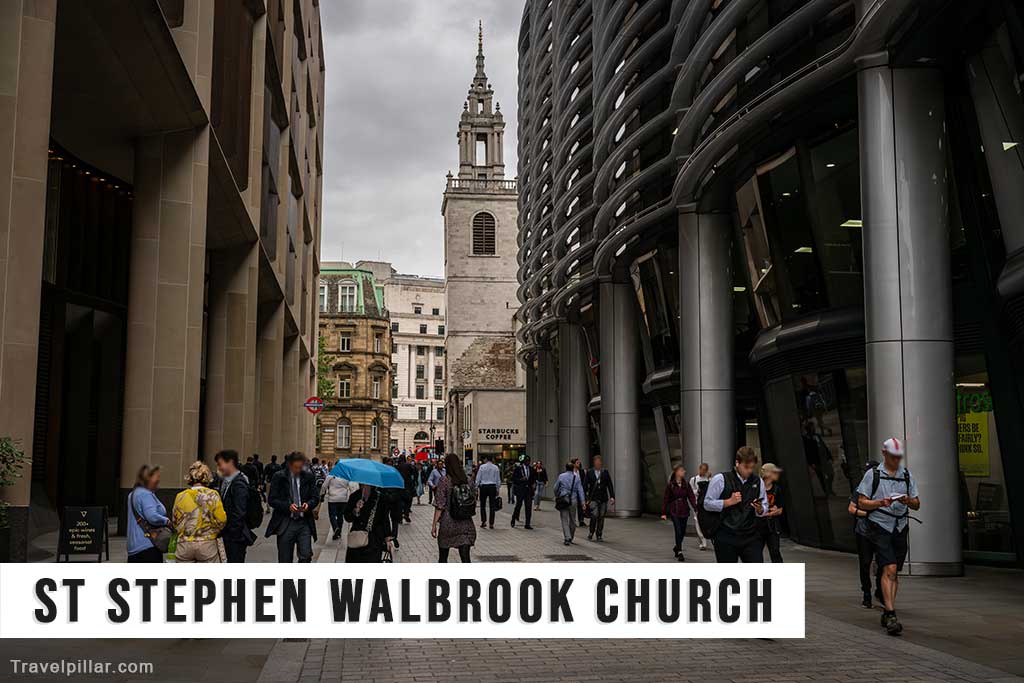
St Stephen Walbrook is a historic Anglican church located in the City of London, designed by the renowned architect Sir Christopher Wren in the late 17th century. Its elegant Baroque exterior belies a light and spacious interior, featuring a large, central dome and an innovative arrangement of columns. The church is also home to a contemporary altar by sculptor Henry Moore, installed in 1987. St Stephen Walbrook regularly hosts lunchtime concerts, art exhibitions, and events in addition to its worship services.
Official website: https://www.ststephenwalbrook.net
Google map 4.8/5
#52 London Transport Museum
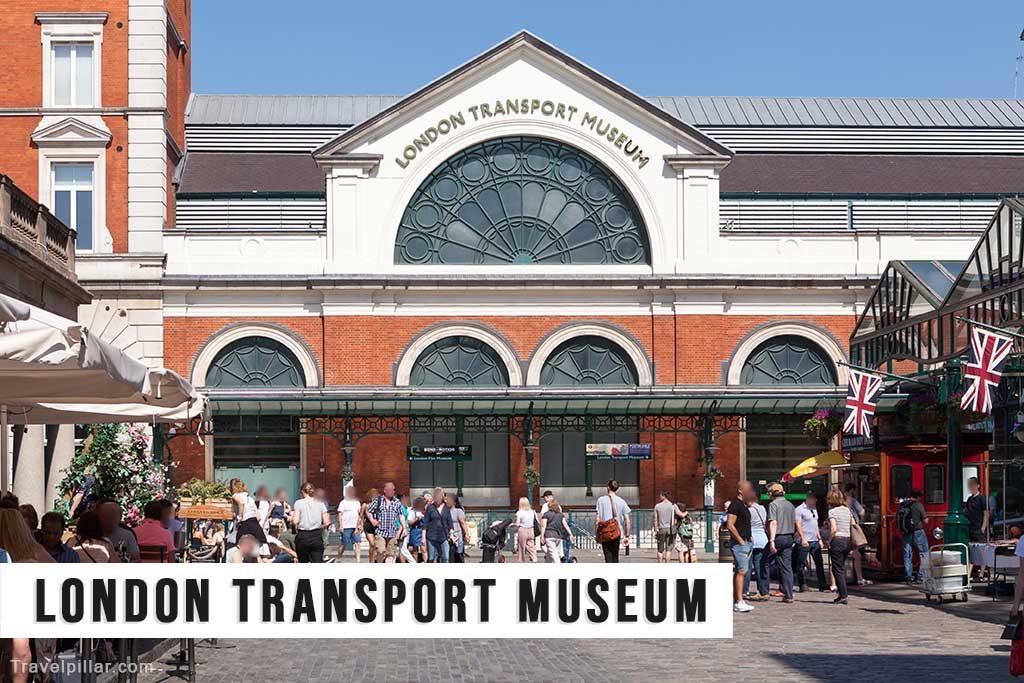
London Transport Museum is situated in Covent Garden and showcases the history of public transportation in the city. Housed within a Victorian-era flower market building, the museum displays an extensive collection of vehicles, including horse-drawn buses, steam trains, and iconic red double-decker buses. Exhibits explore the evolution of London’s transport system, including the development of the Underground, the role of transportation during wartime, and the design of posters and signage. The museum also offers interactive experiences, such as a simulator ride and hands-on activities for children.
Official website: https://www.ltmuseum.co.uk
Google map 4.4/5
#53 Royal Academy of Arts
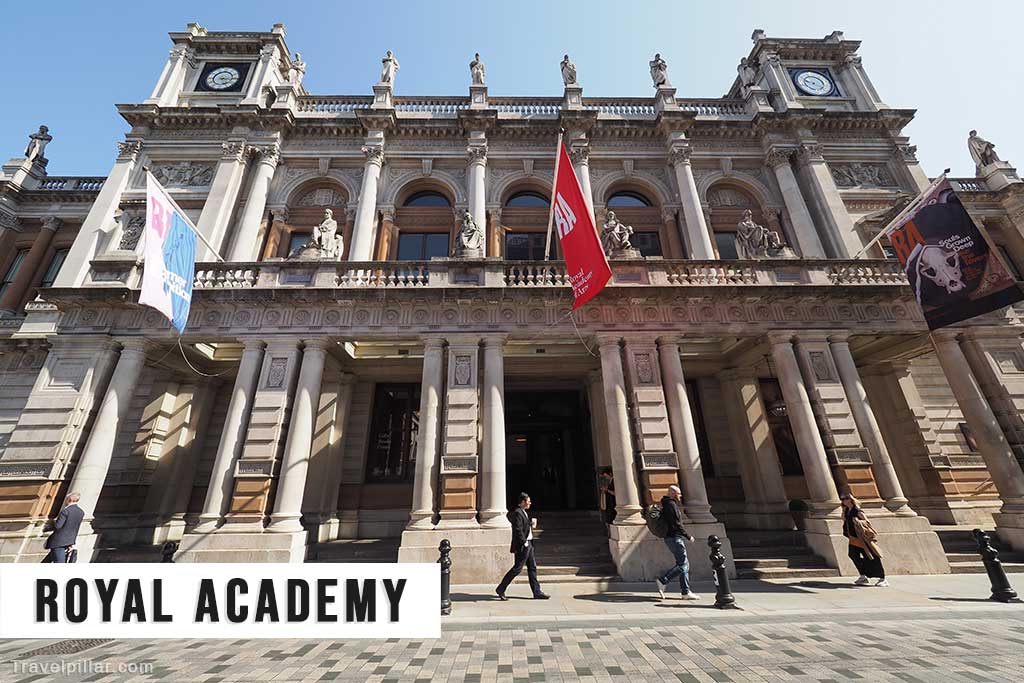
Royal Academy of Arts is a prestigious art institution founded in 1768 by King George III. Located in Burlington House on Piccadilly, it has a dual role as an art school and exhibition space. The Royal Academy is particularly famous for its annual Summer Exhibition, which showcases contemporary works by emerging and established artists in a variety of media. Throughout the year, the institution presents a diverse program of exhibitions, lectures, and workshops, highlighting both historic and modern art from around the world.
Official website: https://www.royalacademy.org.uk
Google map 4.5/5
#54 The Shard
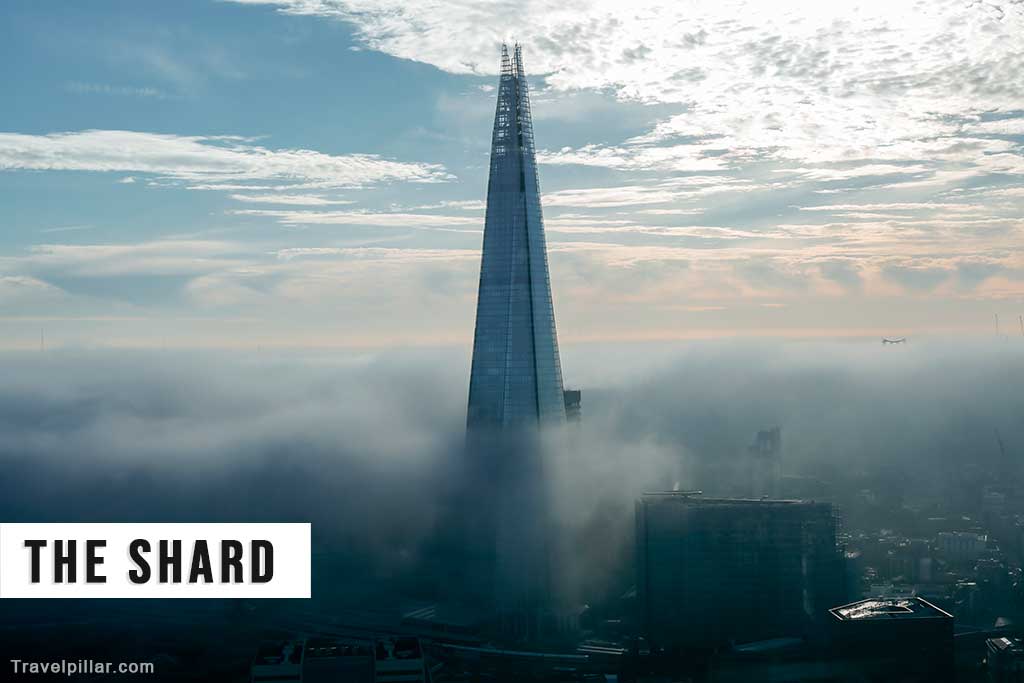
The Shard in London stands as the tallest building in the United Kingdom, reaching 310 meters high. Designed by architect Renzo Piano, it offers panoramic views of the city from its observation decks, restaurants, and offices. Completed in 2012, its distinctive glass façade has become an iconic feature of London’s skyline, attracting visitors for its architectural significance and breathtaking vistas over the capital and beyond.
Official website: https://www.the-shard.com/
Google map 4.6/5
#55 St Dunstan in the East Church Garden
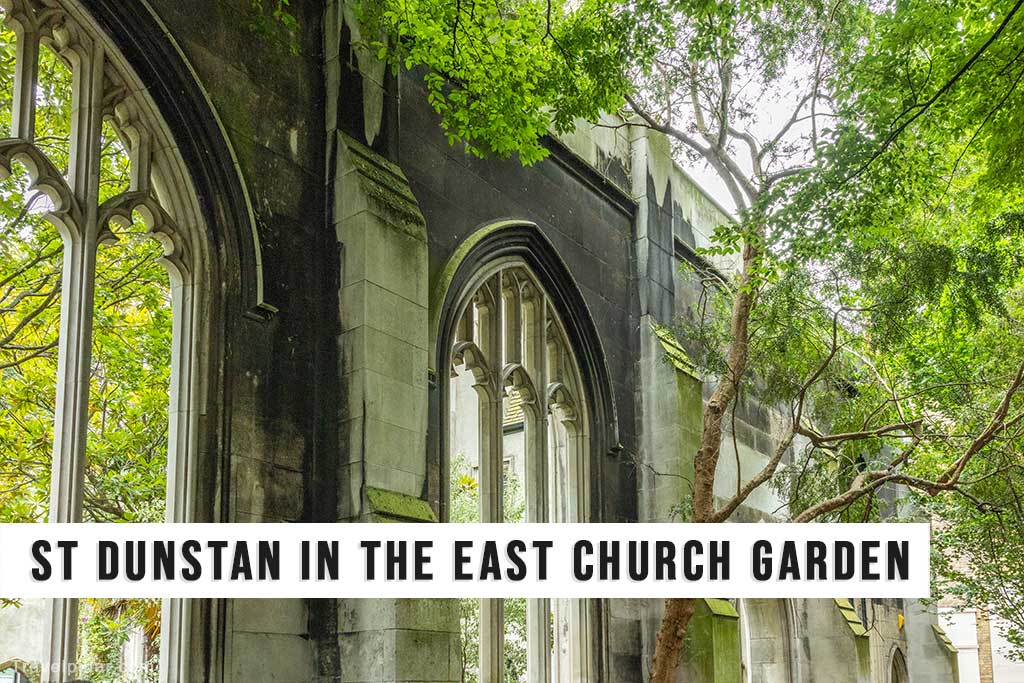
St Dunstan in the East Church Garden in London is a tranquil public garden located in the City of London. It occupies the site of a medieval church largely destroyed during World War II. The garden features atmospheric ruins intertwined with lush greenery, offering a peaceful retreat amidst the bustling financial district. Visitors enjoy its historical ambiance, making it a popular spot for relaxation and photography, blending urban renewal with historical preservation.
Google map 4.7/5
#56 The Walkie-Talkie Building
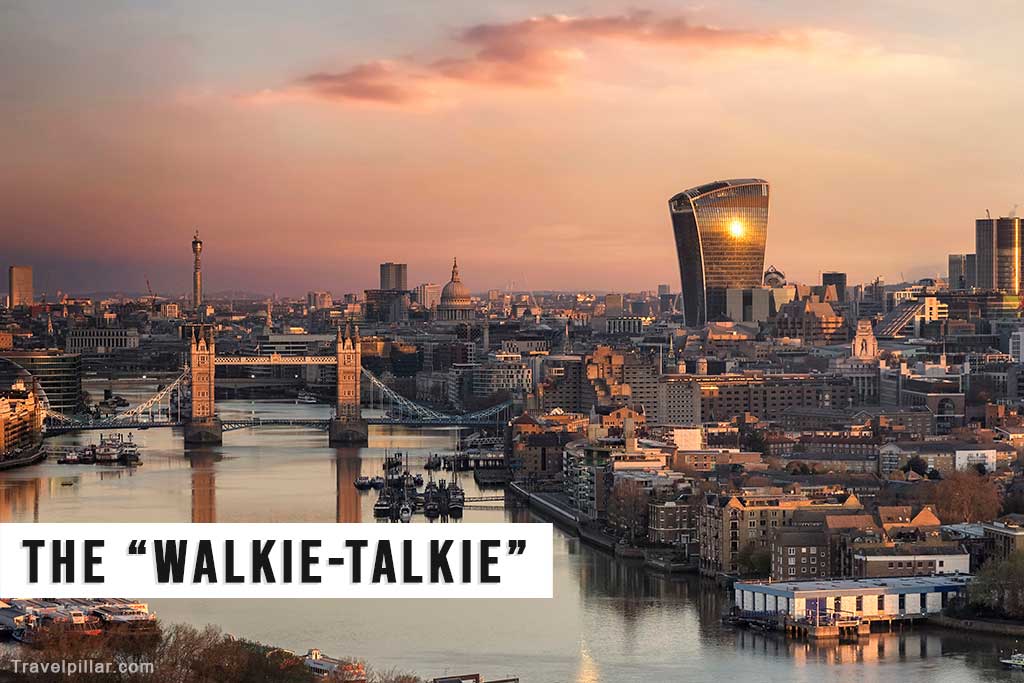
The Walkie-Talkie Building, officially known as 20 Fenchurch Street, is a distinctive skyscraper in London’s financial district. Completed in 2014, its unique curved glass façade earned it the nickname “Walkie-Talkie” due to its resemblance to a handheld radio. Designed by architect Rafael Viñoly, it stands 160 meters tall and offers office space, restaurants, and a public sky garden on the 35th floor. The building is noted for its striking design and panoramic views across the city skyline.
Official website: https://skygarden.london
Google map 4.7/5
#57 The Gherkin
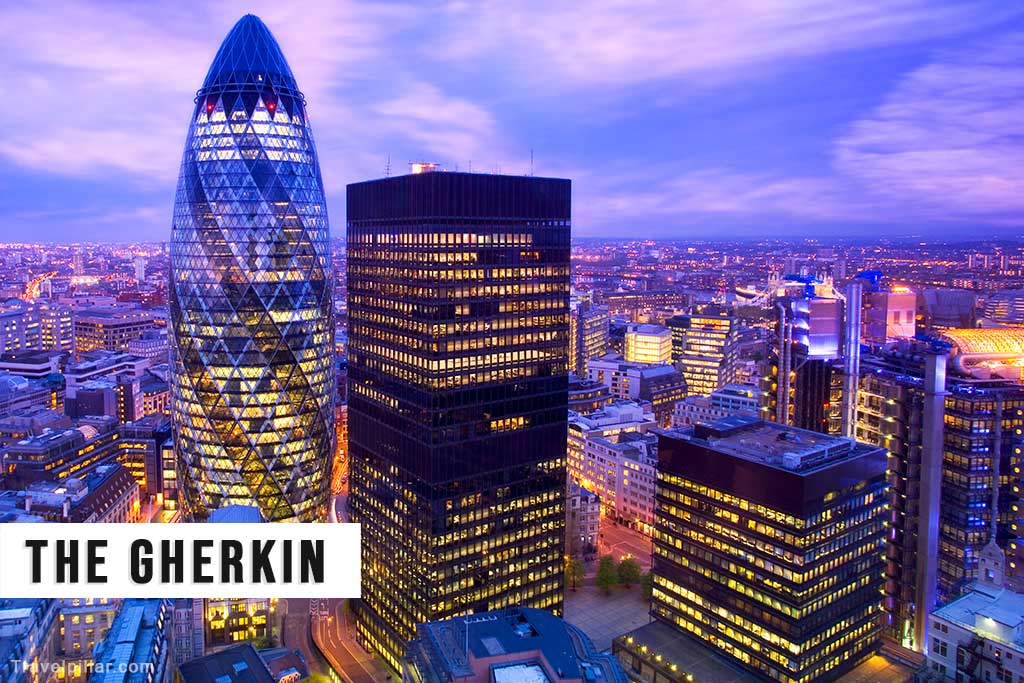
The Gherkin, officially named 30 St Mary Axe, is an iconic skyscraper in London’s financial district. Completed in 2003, it stands 180 meters tall with a distinctive bullet-shaped glass exterior designed by architect Norman Foster. The building is renowned for its energy-efficient design and innovative architecture, featuring a tapering form that maximizes natural light and ventilation. It houses offices, restaurants, and observation floors, offering stunning views of the cityscape and serving as a prominent symbol of modern London architecture.
Google map 4.6/5
#58 The Royal Opera House

The Royal Opera House, located in Covent Garden, is a major performing arts venue and the home of The Royal Opera and The Royal Ballet. The current building dates from 1858, with modern renovations completed in the 1990s. It hosts a full programme of opera, ballet, and classical concerts throughout the year. The venue includes public spaces, a restaurant, and guided tours. Performances range from traditional productions to contemporary interpretations.
Official website: https://www.rbo.org.uk
Google map 4.8/5
#59 HMS Belfast
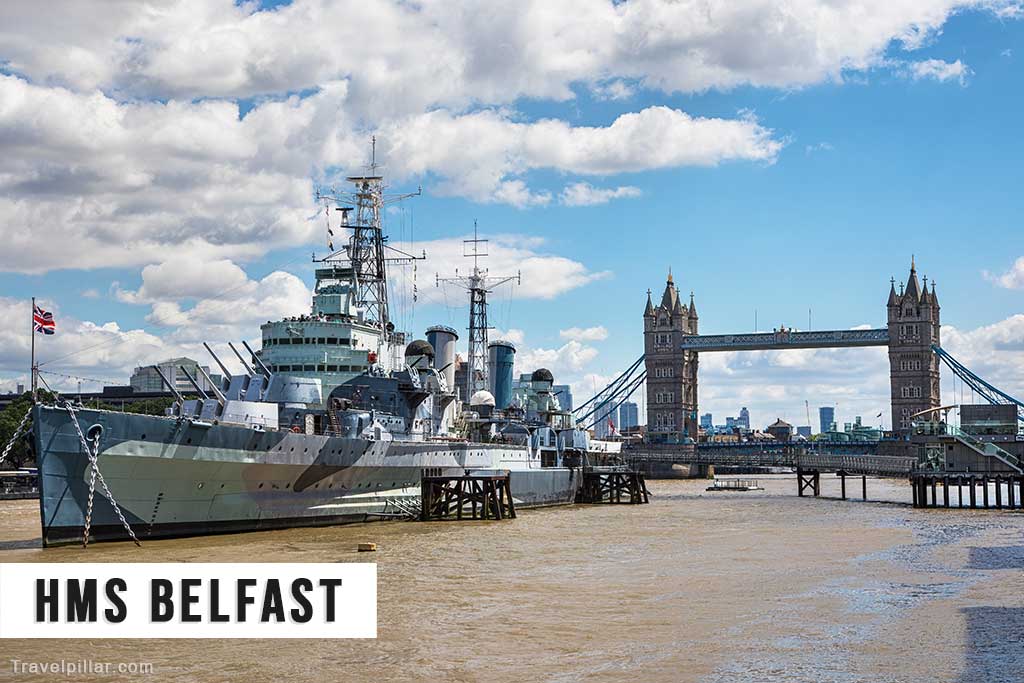
HMS Belfast is a historic Royal Navy warship permanently moored on the River Thames near Tower Bridge. Commissioned in 1939, it served during World War II and the Korean War. Now a museum operated by the Imperial War Museums, it offers access to nine decks, including the engine room, gun turrets, and living quarters. Exhibits focus on naval life and wartime operations. Admission is ticketed, with educational displays and guided tours available.
Official website: https://www.iwm.org.uk/
Google map 4.7/5
#60 Hunterian Museum
The Hunterian Museum, located at the Royal College of Surgeons in London, houses a collection of anatomical and surgical specimens originally assembled by 18th-century surgeon John Hunter. The museum includes preserved human and animal specimens, historical surgical instruments, and medical models. It explores the history of surgery, anatomy, and medical science. Following recent refurbishment, the museum reopened with updated displays. Admission is free, and the museum is open to the public.
Official website: https://hunterianmuseum.org
Google map 4.7/5


