
The Best Attractions in London ranked 21–40 highlight museums, churches, rooftop viewpoints, historic districts and cultural institutions beyond the city’s most famous landmarks. This selection includes places such as the Courtauld Gallery, Tate Modern, Greenwich, and Richmond Park, offering a broader perspective on the capital. Together, these London attractions reveal lesser-known architectural details, green spaces, and neighbourhood character that enrich any visit to the city.
#21 The Garden at 120

The Garden at 120 is a rooftop garden located on the 15th floor of 120 Fenchurch Street in London. Opened in 2019, it offers panoramic views of the city skyline, including iconic landmarks like The Shard and the Gherkin. The garden spans over 15,000 square feet and features lush greenery, seating areas, and a rooftop bar. It serves as a serene oasis in the heart of the financial district, providing visitors with a unique perspective of London’s architecture and urban landscape.
Official website: https://www.thegardenat120.com/
Google map 4.8/5
#22 The Courtauld Gallery at Somerset House
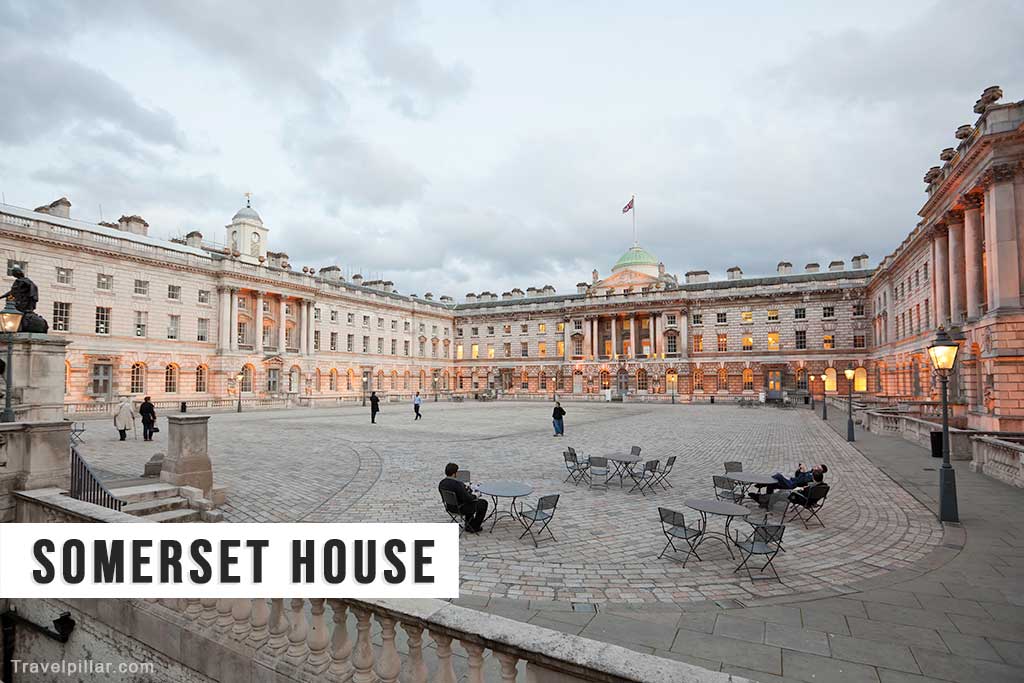
The Courtauld Gallery is an esteemed art gallery located in Somerset House, London, known for its impressive collection of European paintings and drawings. The gallery is part of the Courtauld Institute of Art, a prestigious center for the study of art history and conservation. Its collection spans from the early Renaissance to the 20th century and features masterpieces by artists such as Botticelli, Van Gogh, and Cézanne. The Courtauld Gallery hosts temporary exhibitions and events, as well as offering educational programs and resources for visitors of all ages.
Official website: https://courtauld.ac.uk/gallery/
Google map 4.7/5
#23 National Portrait Gallery

The National Portrait Gallery is located in St. Martin’s Square and can be found just around the corner from the National Gallery in Trafalgar Square. The gallery was opened in 1856 and moved to its current location in 1896. As its name suggests the gallery is dedicated to portraits, the majority of which are historically important and famous British people selected on the basis of the significance of the sitter and not necessarily on the artist. The collection also includes photographs, drawings and sculpture.
Official website: https://www.npg.org.uk
Google map 4.7/5 – Located next door to the National Gallery in Trafalgar Square
#24 Tate Modern (Free entry)
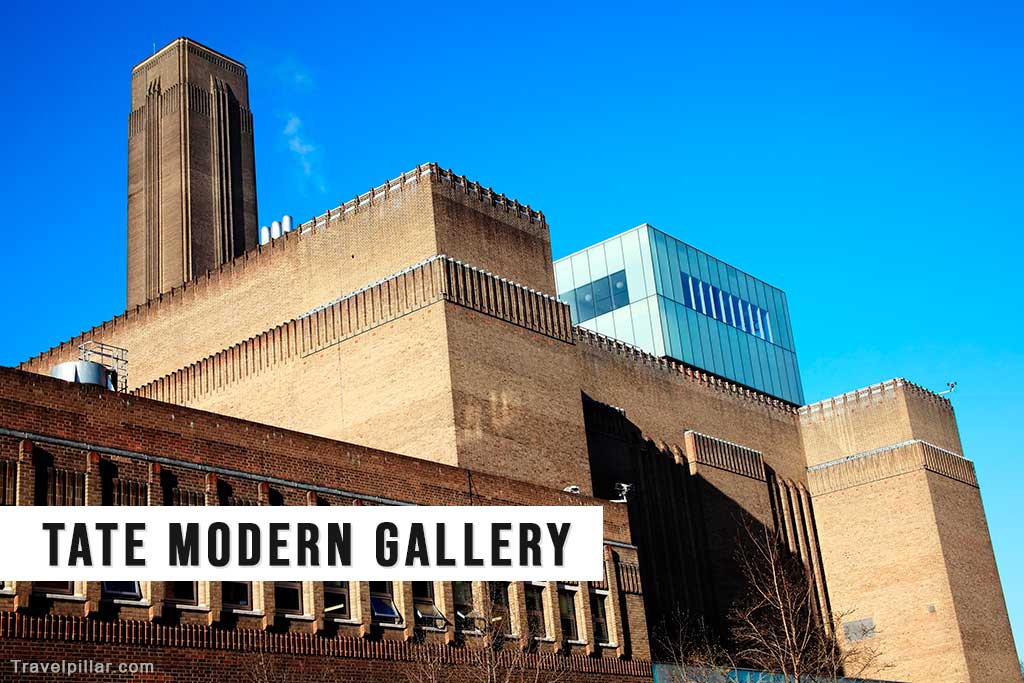
The Tate Modern Gallery in London houses the United Kingdom’s national collection of international modern and contemporary art.
As with the UK’s other national galleries and museums there is NO ADMISSION CHARGE to the permanent collections although tickets must be purchased for the major temporary exhibitions.
The gallery is located in the former Bankside Power Station on the south side of the River Thames and is easily accessed across the Millennium Bridge (footbridge) from the north side close to St Paul’s Cathedral. Not to be confused with its sister gallery the Tate Britain Gallery (Google map) which is also an excellent place to visit.
Official website: https://www.tate.org.uk/
Google map 4.5/5
#25 Walk along the South Bank

Walk along the South Bank is a popular leisure activity for both locals and tourists in London. Stretching from Westminster Bridge to Tower Bridge, this pedestrian-friendly riverside promenade offers picturesque views of iconic landmarks, including the Houses of Parliament, the London Eye, and St. Paul’s Cathedral. Cultural institutions such as the Tate Modern, the National Theatre, and the British Film Institute line the route, while street performers, food vendors, and seasonal events add to its lively atmosphere.
#26 Sir John Soane’s Museum
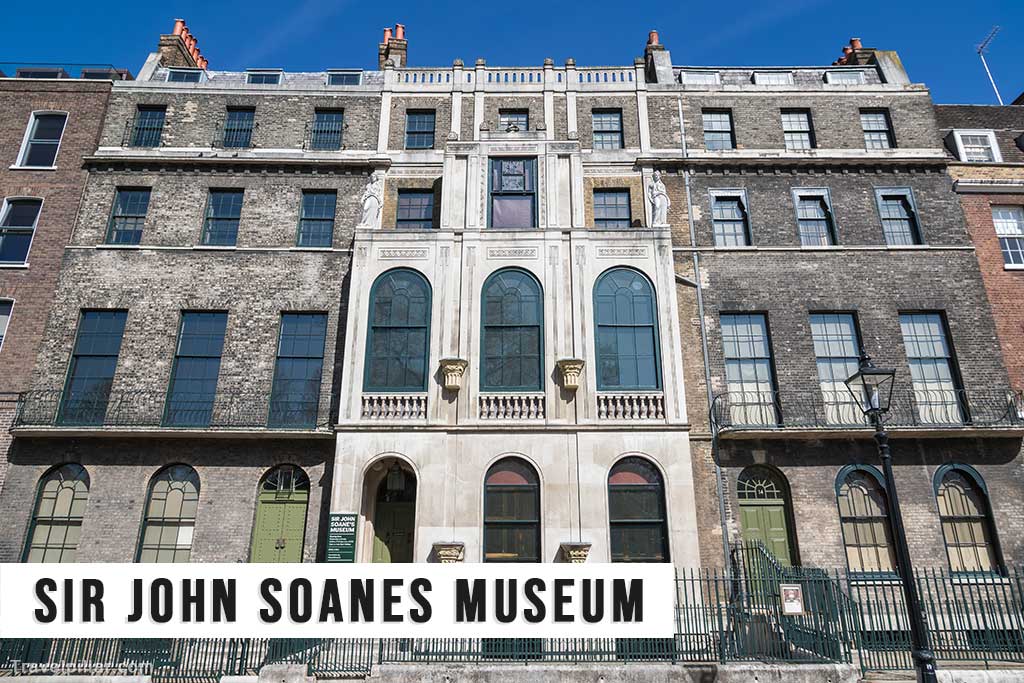
Sir John Soane’s Museum is a unique house museum located in Holborn, London. Formerly the residence of the renowned 19th-century architect Sir John Soane, the museum displays his extensive collection of art, antiquities, and architectural artifacts. Notable items include Egyptian, Greek, and Roman antiquities, as well as paintings by artists such as J.M.W. Turner and Sir Joshua Reynolds. The museum’s eclectic interior, featuring labyrinthine spaces and ingenious designs, offers a fascinating insight into Soane’s personal aesthetic.
Official website: https://www.soane.org
Google map 4.7/5
#27 Soho

Soho is a lively neighborhood in the heart of London, known for its rich cultural history, vibrant nightlife, and diverse dining scene. Once the center of the city’s entertainment industry, Soho has been home to numerous artists, writers, and musicians throughout the years. Today, it offers a mix of theaters, galleries, clubs, and bars, as well as independent boutiques and international fashion brands. Soho is also renowned for its culinary offerings, with a wide range of restaurants, cafes, and food markets to suit all tastes.
#28 St. Paul’s Church Covent Garden

St Paul’s Church Covent Garden, affectionately known as the Actors’ Church, is a historic Anglican church located in the heart of London’s theatre district. Designed by architect Inigo Jones and completed in 1633, the church features a classical portico, a bell tower, and a simple yet elegant interior. St Paul’s has a long association with the performing arts community and hosts regular concerts, recitals, and theatrical performances. The peaceful gardens surrounding the church provide a tranquil haven for visitors and locals alike.
Official website: https://actorschurch.org
Google map 4.6/5
#29 Brompton Oratory Church
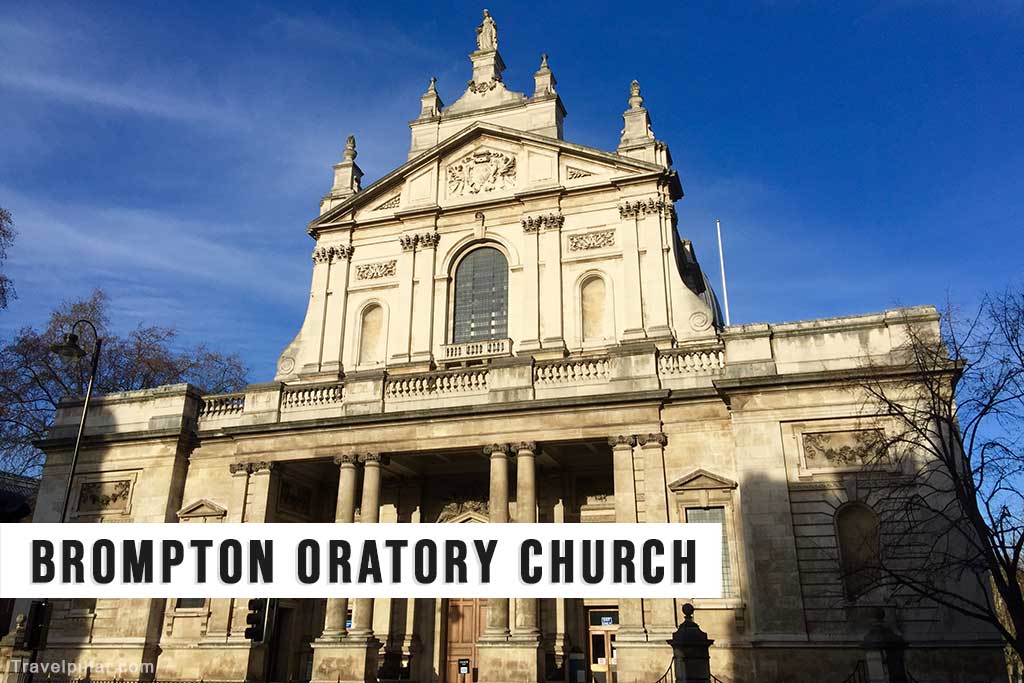
Brompton Oratory Church, officially known as the Church of the Immaculate Heart of Mary, is a Roman Catholic church located in the Knightsbridge area of London. Founded in 1849 and completed in 1884, it is one of the largest Catholic churches in England. The Brompton Oratory features a stunning Italian Baroque façade and a richly decorated interior, including marble columns, intricate stonework, and impressive frescoes. The church holds regular worship services and is renowned for its choral music, drawing visitors from around the world.
Official website: https://www.bromptonoratory.co.uk/
Google map 4.7/5
#30 Imperial War Museum
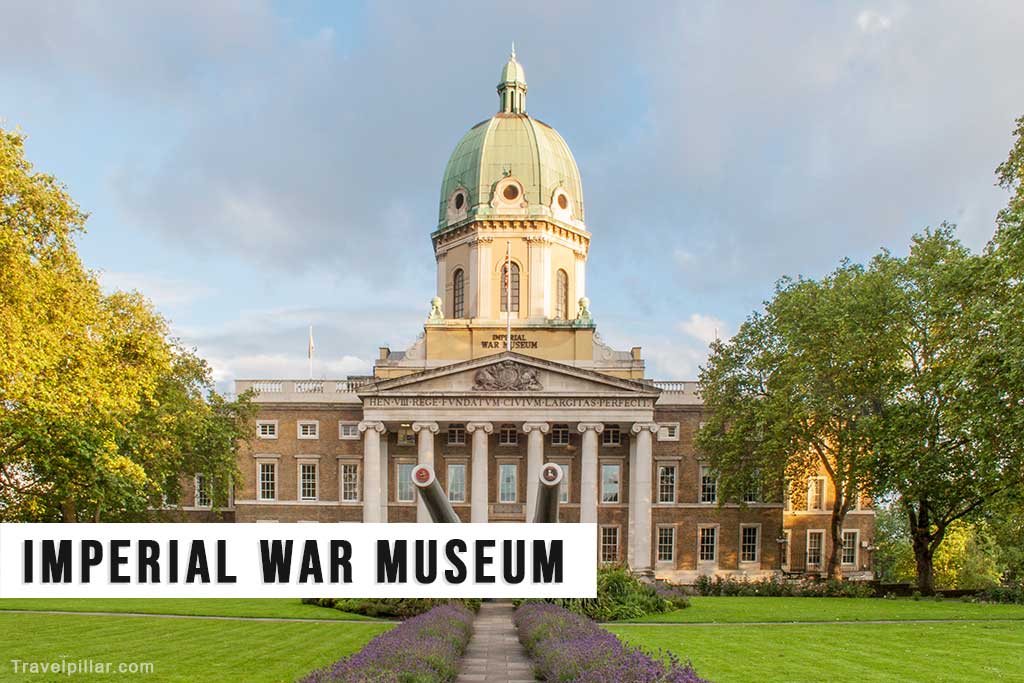
Imperial War Museum is a leading institution dedicated to the history of warfare and its impact on society, with multiple locations across the United Kingdom. Its flagship branch in London is housed in the former Bethlem Royal Hospital, which dates back to the early 19th century. The museum’s extensive collection includes military vehicles, weapons, uniforms, and personal artifacts that provide a comprehensive overview of conflicts involving Britain and the Commonwealth from World War I to the present day.
Official website: https://www.iwm.org.uk/visits/iwm-london
Google map 4.7/5
#31 St Bartholomew-the-Great
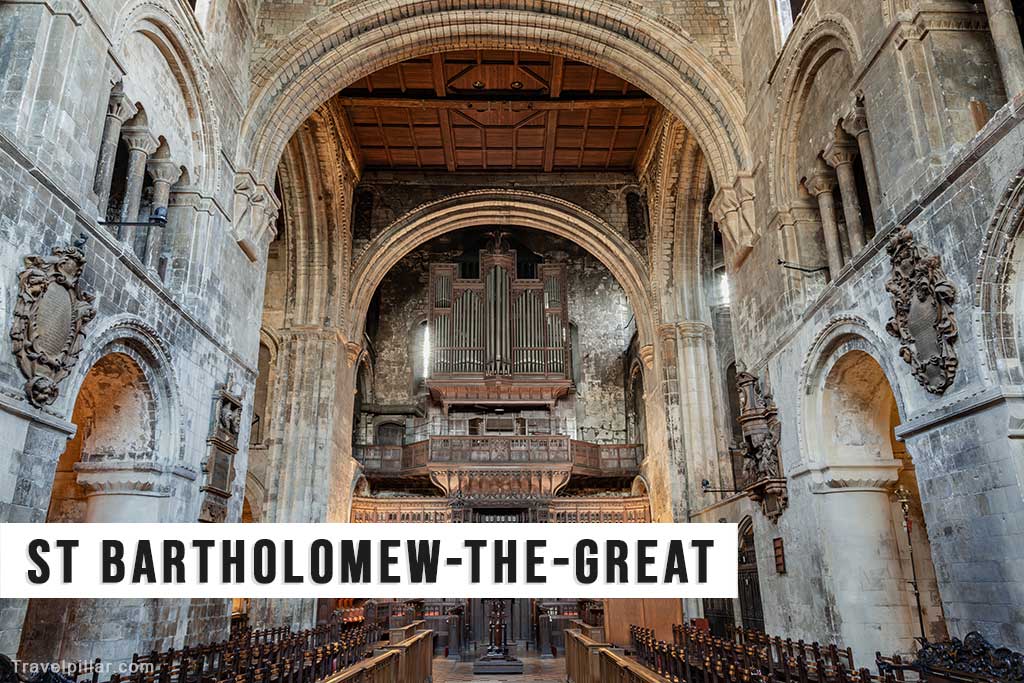
St Bartholomew-the-Great is one of London’s oldest surviving churches, founded in 1123 by Rahere, a courtier of King Henry I. Located in the City of London, this ancient church is a fine example of Norman architecture, featuring a Romanesque chancel and a 13th-century Gothic nave. The church has a rich history, having survived the Great Fire of London and the Blitz. Visitors can explore its atmospheric interior, attend choral performances, and learn about its storied past through guided tours and informative displays.
Official website: https://www.greatstbarts.com
Google map 4.8/5
#32 Millennium Bridge
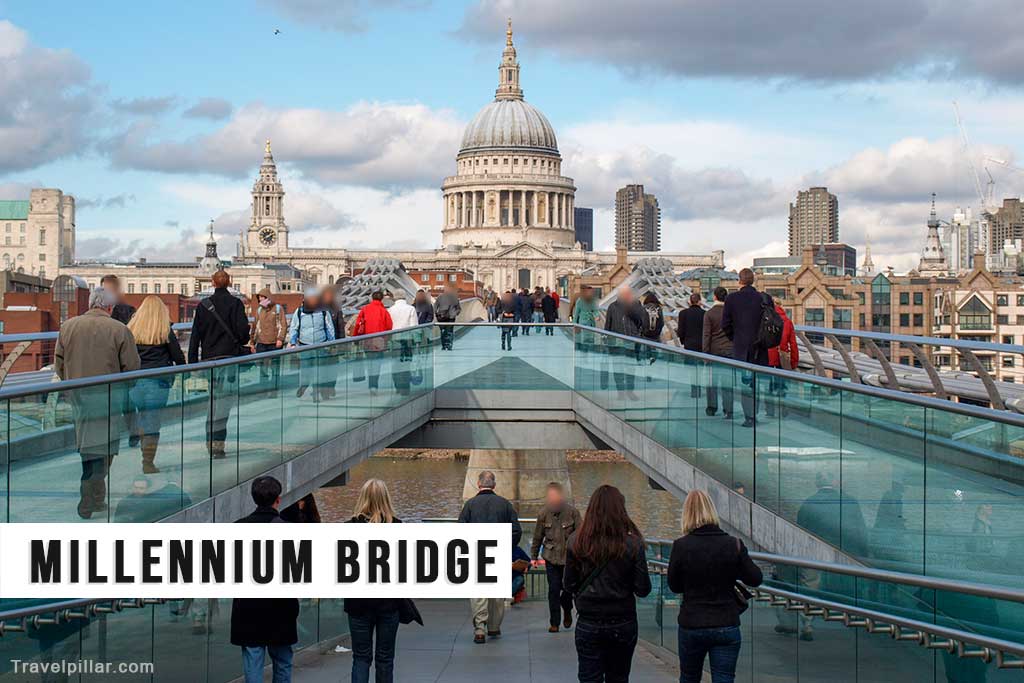
Millennium Bridge is a steel suspension footbridge that spans the River Thames, connecting the City of London with Bankside. Opened in 2000, it was designed by architect Sir Norman Foster, sculptor Sir Anthony Caro, and engineering firm Arup. The bridge’s sleek, modern design and unique “blade of light” appearance make it a striking addition to the city’s skyline. It offers pedestrians unparalleled views of nearby landmarks, such as St. Paul’s Cathedral, Tate Modern, and the Globe Theatre, making it a popular spot for sightseeing and photography.
Google map 4.6/5
#33 St Martin-in-the-Fields Church, Trafalgar Square

St Martin-in-the-Fields Church is an Anglican church situated at the northeastern corner of Trafalgar Square in London. Designed by architect James Gibbs and completed in 1726, its striking neoclassical design, featuring a prominent spire and pedimented portico, has influenced church architecture worldwide. St Martin’s is known for its excellent acoustics, making it a popular venue for classical music concerts, particularly those featuring the renowned Academy of St Martin in the Fields. The church also runs a variety of social programs and outreach initiatives.
Official website: https://www.stmartin-in-the-fields.org
Google map 4.6/5
#34 Southwark Cathedral
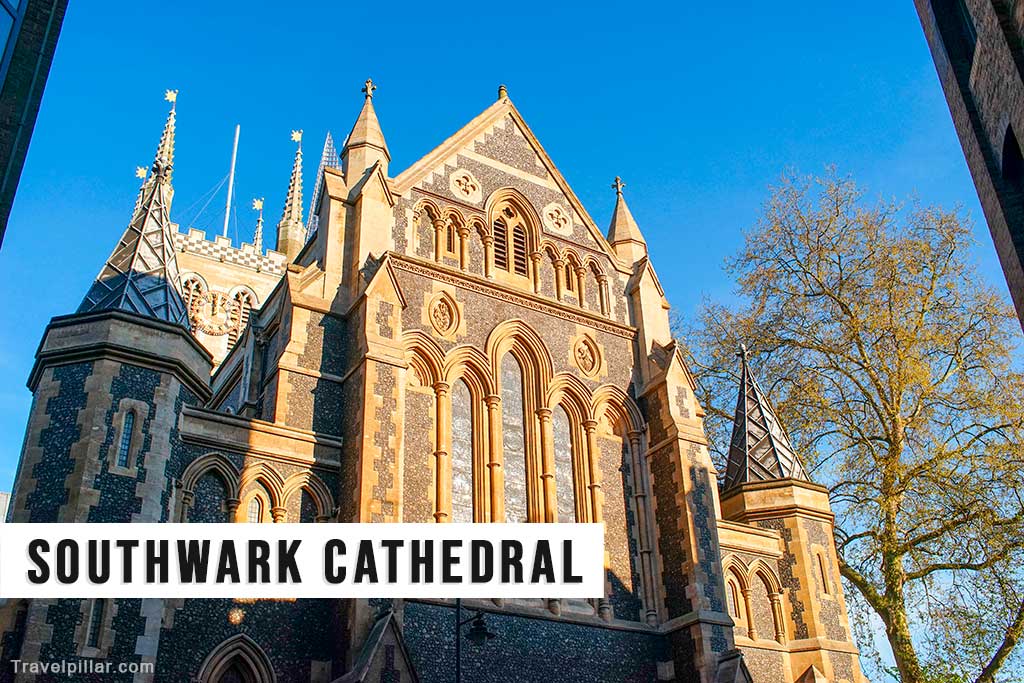
Southwark Cathedral, or the Cathedral and Collegiate Church of St Saviour and St Mary Overie, is an Anglican cathedral located on the south bank of the River Thames near London Bridge. With a history dating back over 1,000 years, the present cathedral building was largely constructed between 1220 and 1420 in the Gothic style. Southwark Cathedral’s rich history and beautiful architecture make it a notable London landmark. The cathedral hosts regular worship services, organ recitals, and choral concerts, in addition to offering guided tours and educational programs.
Official website: https://cathedral.southwark.anglican.org
Google map 4.7/5
#35 Temple Church
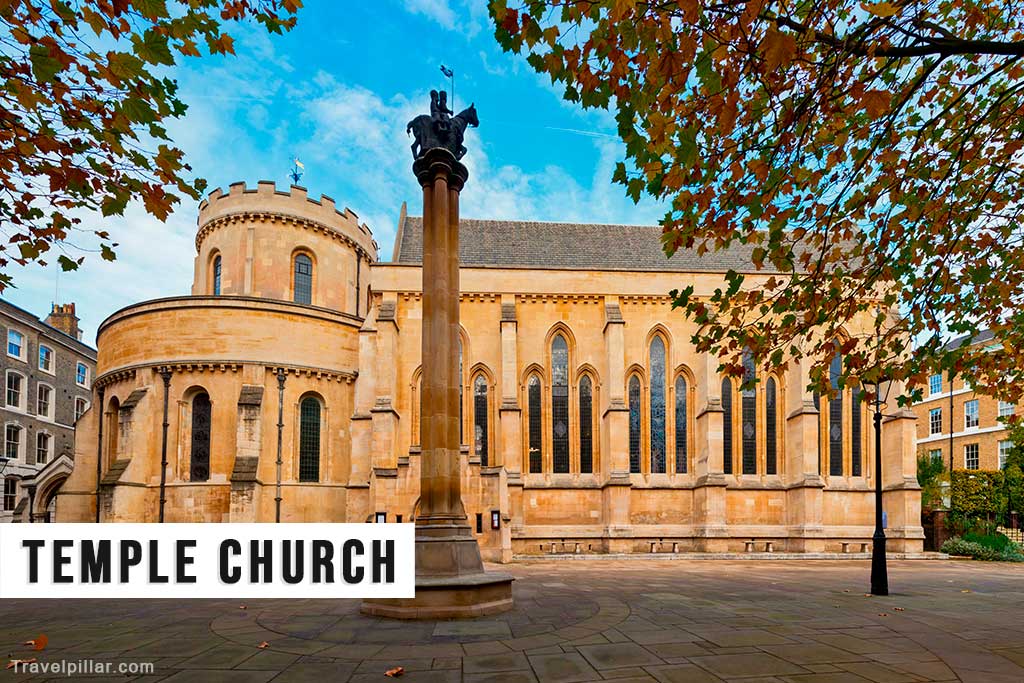
Temple Church is a historic church situated in the Temple area of London, built by the Knights Templar in the late 12th century. The church’s unique round nave, inspired by the Church of the Holy Sepulchre in Jerusalem, is a fine example of Norman architecture. Temple Church is renowned for its association with the Knights Templar and its role in Dan Brown’s novel “The Da Vinci Code.” The church is also notable for its superb acoustics and hosts regular choral concerts and organ recitals, in addition to its worship services.
Official website: https://www.templechurch.com
Google map 4.6/5
#36 Piccadilly Circus

Piccadilly Circus is a famous road junction and public space in London’s West End, known for its iconic neon advertisements, the Shaftesbury Memorial Fountain, and the statue of Eros. It connects major streets such as Regent Street, Piccadilly, and Shaftesbury Avenue, making it a bustling hub for shopping, dining, and entertainment. Piccadilly Circus is a popular meeting point for both Londoners and tourists, and its proximity to numerous theatres, galleries, and attractions makes it a vibrant and essential part of the city’s cultural landscape.
Google map 4.5/5 (Shaftesbury Memorial Fountain)
#37 Sky Garden

Sky Garden is a unique public space situated on the 35th floor of the Walkie Talkie building at 20 Fenchurch Street in London. Designed by landscape architect Gillespies, this urban oasis features lush gardens, an open-air terrace, and floor-to-ceiling windows, offering panoramic views of the city skyline. Entry is free, but visitors must book in advance. The venue also houses several bars and restaurants, making it a popular destination for both locals and tourists.
Official website: https://skygarden.london
Google map 4.6/5
#38 Churchill War Rooms
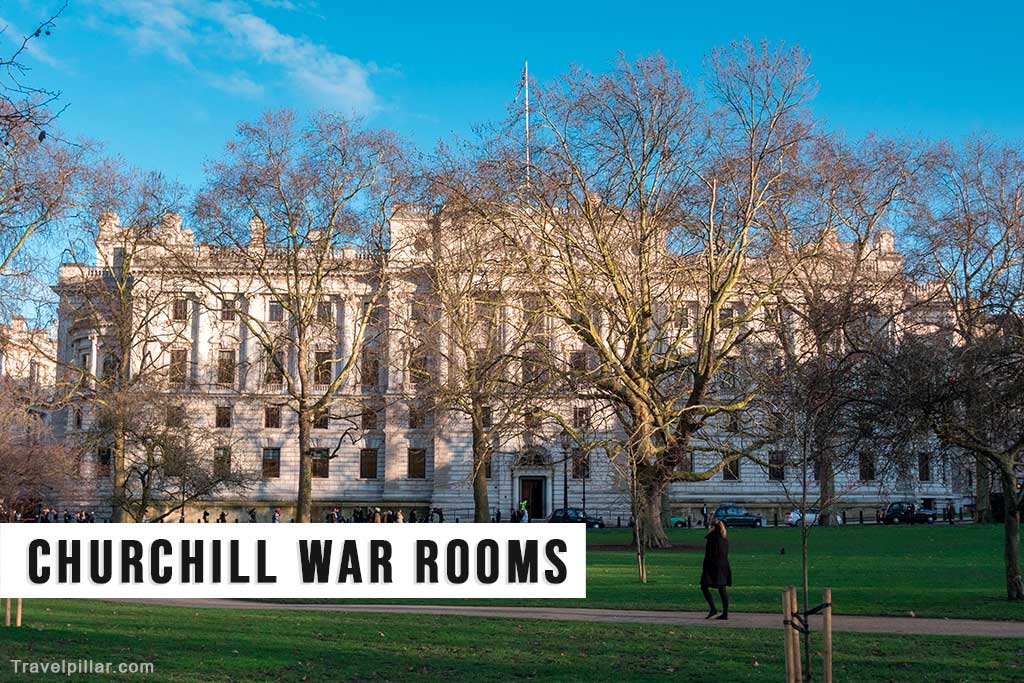
The Churchill War Rooms is a historic underground complex located in Westminster, London. Used as a secret command center by the British government during World War II, it served as the operational headquarters for Sir Winston Churchill and his wartime cabinet. Today, it forms part of the Imperial War Museum and offers visitors an immersive experience through restored rooms, interactive exhibits, and authentic artifacts. Highlights include the Cabinet Room, the Map Room, and Churchill’s living quarters.
Official website: https://www.iwm.org.uk/
Google map 4.6/5
#39 Greenwich

Greenwich is a historic district in southeast London, located within the Royal Borough of Greenwich. Steeped in maritime history, the area is home to the Royal Observatory, the Prime Meridian Line, and the National Maritime Museum. Visitors can explore the Cutty Sark, a 19th-century tea clipper, and marvel at the stunning architecture of the Old Royal Naval College. Greenwich Park, a former royal hunting ground, offers expansive views across the River Thames and is a popular destination for leisure activities.
#40 Richmond Park
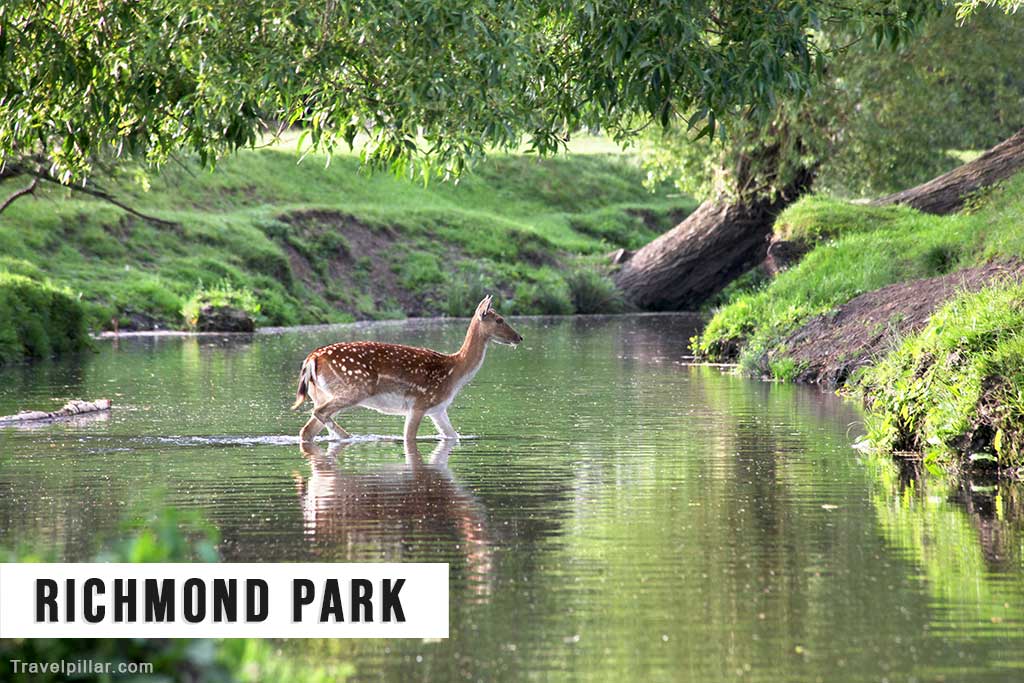
Richmond Park is the largest of London’s Royal Parks, covering 955 hectares (2,360 acres) in southwest London. Established by Charles I in the 17th century as a deer park, it remains home to herds of red and fallow deer. The park features woodlands, grasslands, and the Isabella Plantation, a woodland garden. It is designated as a National Nature Reserve and offers walking, cycling, and panoramic views over London from King Henry’s Mound.
Richmond Park 4.8/5


