
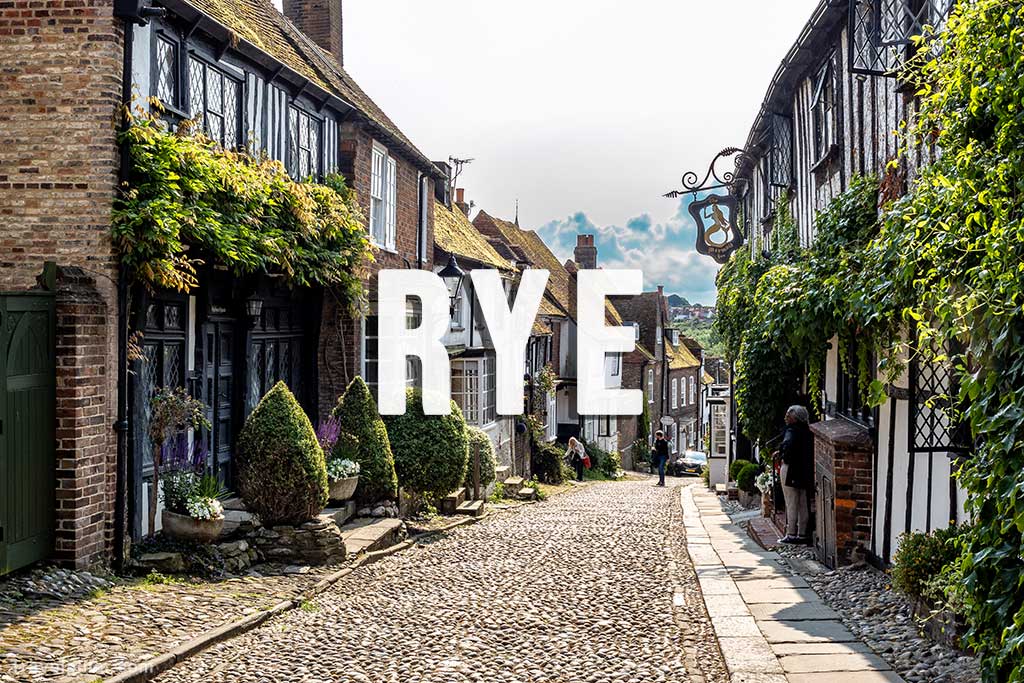
Rye is a small historic town in East Sussex, situated near the south coast of England at the confluence of the Rivers Rother, Tillingham, and Brede. Once an important member of the Cinque Ports Confederation and a thriving medieval seaport, Rye is now located several miles inland due to centuries of coastal sedimentation. The town is noted for its preserved medieval street layout, period architecture, and longstanding literary associations.
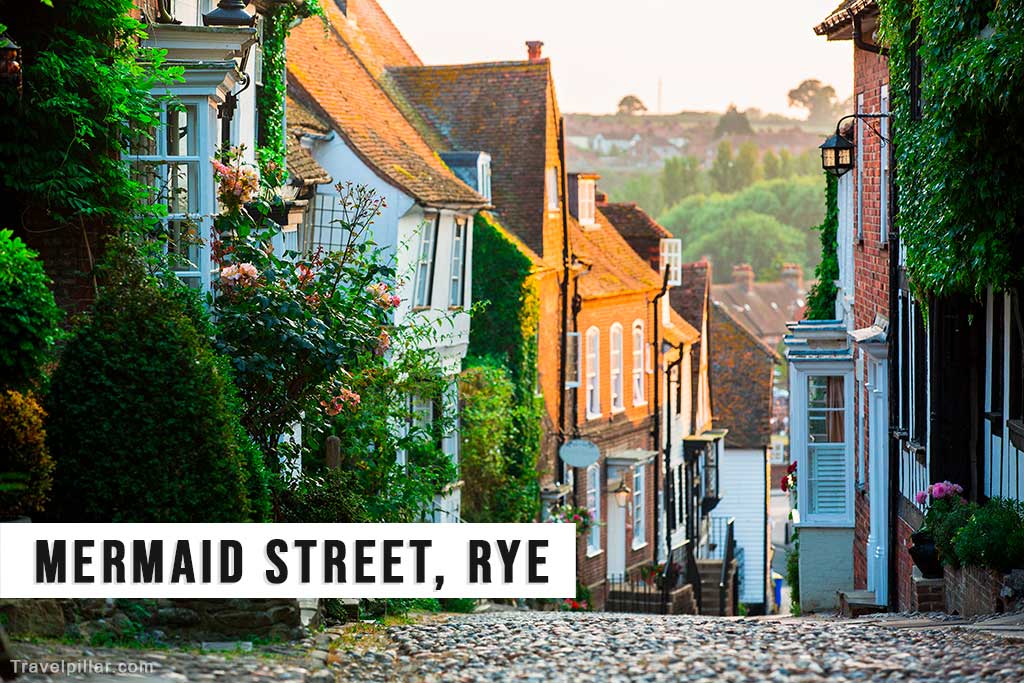
The centre of Rye retains its historical character, with cobbled streets such as Mermaid Street and half-timbered buildings including the Mermaid Inn, a former smuggler’s haunt dating back to the 15th century. The town is compact and walkable, with a number of listed buildings, independent shops, and art galleries contributing to its cultural appeal.
Key landmarks include the Church of St Mary, dating from the 12th century, which offers panoramic views from its tower over the surrounding marshes and rooftops. Ypres Tower, part of the Rye Castle Museum, is a preserved segment of the town’s original defences and includes exhibits on local history, maritime trade, and law enforcement. The town also contains Lamb House, a National Trust property once home to authors Henry James and E.F. Benson.
Rye’s location near the coast and surrounding wetlands makes it a gateway for exploring nearby nature reserves, such as Rye Harbour Nature Reserve, and sandy beaches including Camber Sands. These areas are accessible by foot, bike, or car and support a range of outdoor activities including birdwatching, walking, and kite surfing.
While no longer a working port, Rye maintains a small harbour area and retains its identity as a historic market town. Events such as the annual Rye Arts Festival and the Bonfire Night procession contribute to its local calendar.
Rye appeals to visitors interested in heritage tourism, literary history, and small-town English character. Its preserved architecture, compact scale, and access to natural landscapes make it a popular day-trip or short-stay destination in southeastern England.
Rye Top 10
Rye Castle Museum (Ypres Tower)
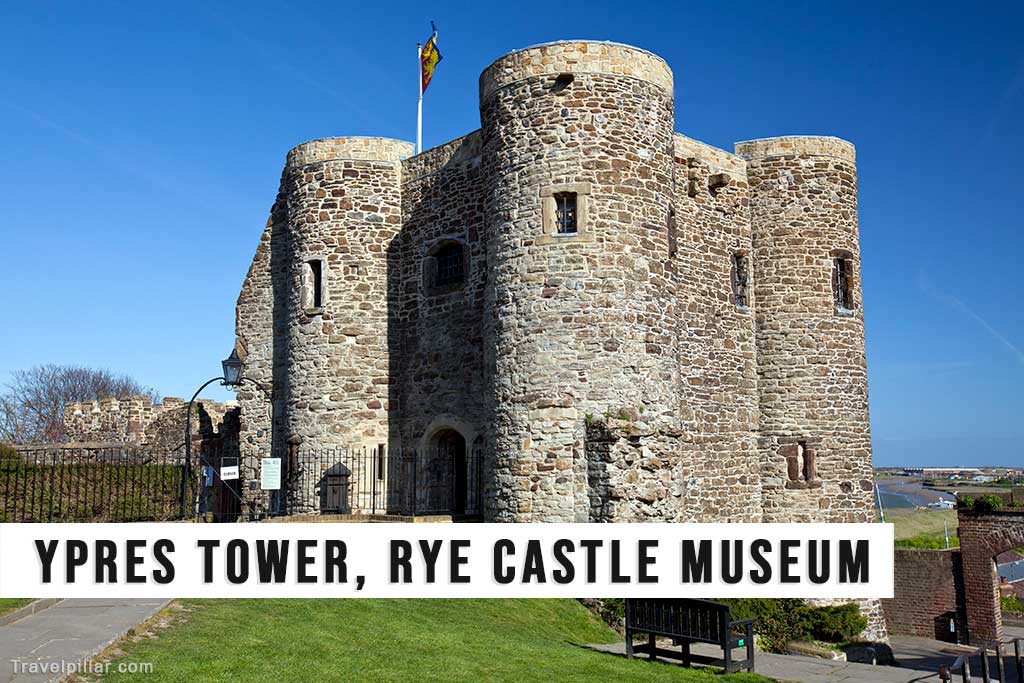
Rye Castle Museum, also known as Ypres Tower, is a 13th-century fortification offering insight into Rye’s maritime and military history. Exhibits cover smuggling, crime, and local life. Visitors can explore the tower’s cells, courtroom, and gun garden, with views across the Romney Marsh. A notable feature is the women’s prison room. The museum provides a concise overview of Rye’s strategic importance as a former Cinque Port.
official website: https://ryemuseum.co.uk/ypres-tower/
Google map 4.5/5
St Mary’s Church
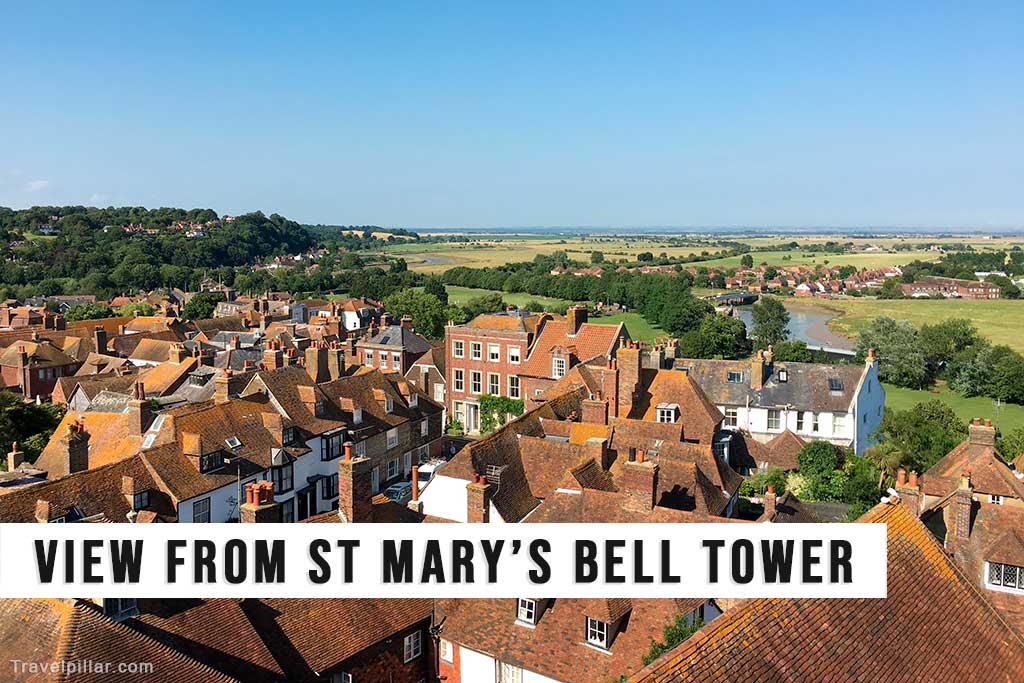
St Mary’s Church in Rye is a well-preserved Norman building featuring architectural elements from multiple centuries. Its main attractions include a working 16th-century clock, medieval stained glass, and panoramic views from the bell tower. The interior is notable for its spacious nave and historical memorials. Located at the town’s highest point, the church has served as a local landmark for over 900 years and remains in active use.
Google map 4.7/5
Mermaid Street
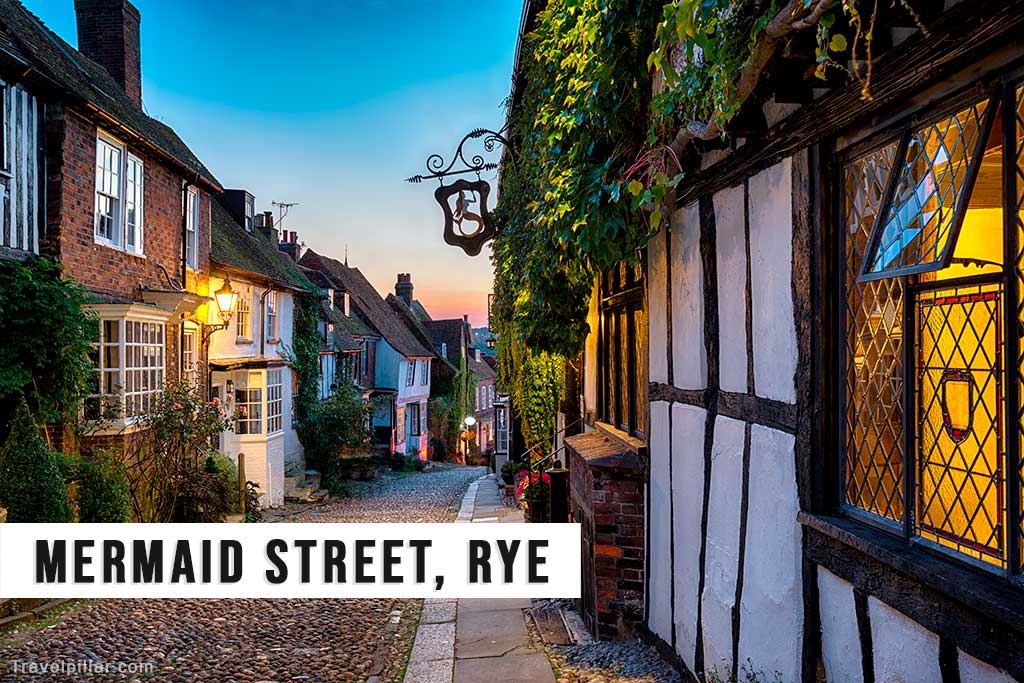
Mermaid Street is one of Rye’s most recognisable historic thoroughfares, known for its cobbled surface and well-preserved timber-framed houses. The street features architecture from the medieval and Tudor periods, including the notable Mermaid Inn, rebuilt in 1420. Its appearance has remained largely unchanged for centuries. The street illustrates the town’s historic character and forms a popular walking route between the town centre and the Strand Quay area.
Google map 4.7/5
Lamb House
Lamb House is an 18th-century Georgian residence best known as the former home of author Henry James. Now managed by the National Trust, the property includes period interiors and a walled garden. The house has literary significance and also hosted writer E.F. Benson. Located in the centre of Rye, Lamb House offers insight into the domestic life of prominent literary figures and reflects the architectural style of its period.
Official website: https://www.nationaltrust.org.uk/
Google map 4.4/5
Rye Harbour Nature Reserve
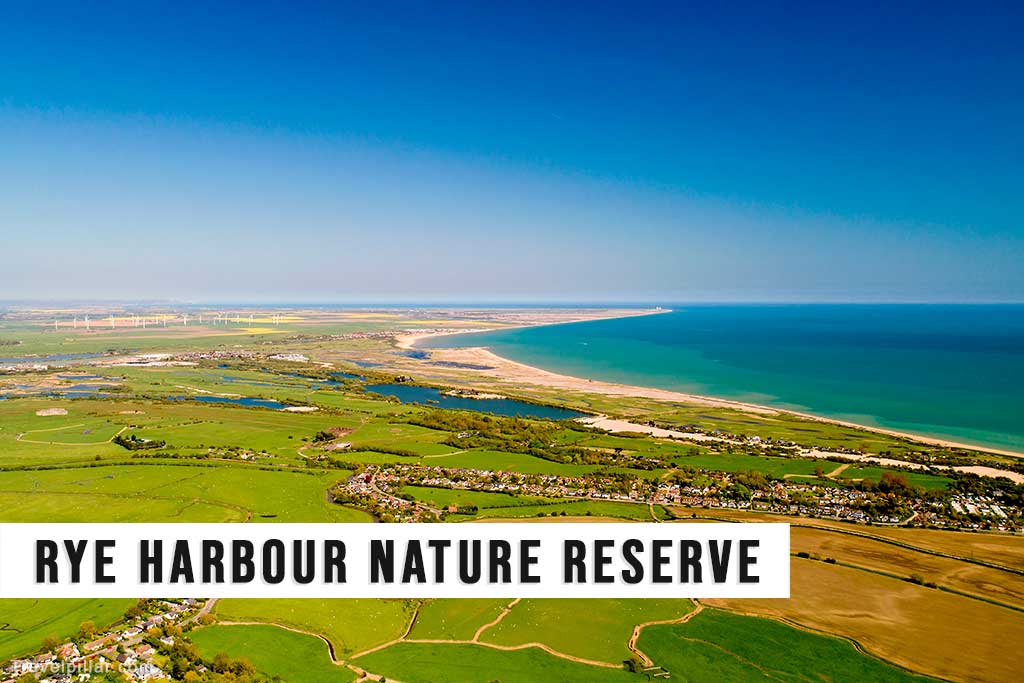
Rye Harbour Nature Reserve is a coastal conservation area comprising shingle, saltmarsh, lagoons, and grazing marsh. It is managed for wildlife and offers marked walking trails and birdwatching opportunities year-round. The reserve supports a wide range of flora and fauna, including rare bird species. A modern visitor centre provides information on habitats and conservation efforts. The site forms part of the Sussex coastline’s protected landscapes and is freely accessible.
Official website: https://rye.sussexwildlifetrust.org.uk
Google map 4.7/5
Rye Heritage Centre
Rye Heritage Centre presents the town’s history through interactive displays and audiovisual exhibits. Its main feature is a working model of Rye as it appeared in the 1800s, accompanied by a detailed commentary. The centre also explores local themes such as smuggling, maritime trade, and changing coastlines. Located near Strand Quay, it serves as an introductory stop for visitors seeking historical context before exploring the town’s preserved architecture and landmarks.
Official website: https://www.ryeheritage.co.uk
Google map 4.5/5
Camber Castle
Camber Castle is a 16th-century artillery fort constructed by Henry VIII to defend the southern coast against invasion. Situated between Rye and the sea, the castle is no longer on the shoreline due to coastal changes. It is accessible via footpaths and open on selected days for guided tours. The structure, largely intact, offers insight into Tudor military architecture and the evolution of coastal defence strategies during the period. FREE.
Official website: https://www.english-heritage.org.uk/
Google map 4.3/5
Camber Sands
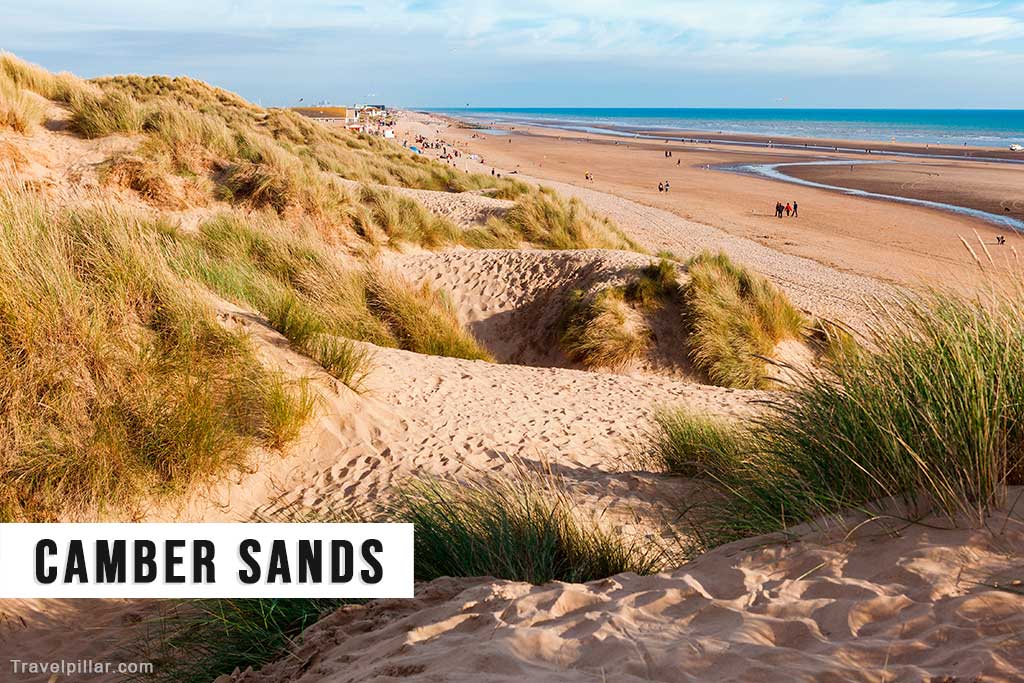
Camber Sands is a long stretch of sandy beach located just south of Rye, notable for its extensive dunes and flat tidal range. It is a popular destination for walking, beach recreation, and water sports such as kite surfing. The area supports a variety of wildlife and is adjacent to nature reserves. Access is available via car or bus from Rye, with basic facilities provided near the main beach entrance.
Google map 4.6/5
Rye Art Gallery
Rye Art Gallery exhibits a mix of contemporary and historic works, with a focus on regional artists. The collection includes paintings, prints, ceramics, and sculpture, displayed across two adjoining buildings. Temporary exhibitions are regularly rotated, alongside pieces from the gallery’s permanent collection. The venue also operates a shop selling local crafts. Centrally located in Rye, the gallery contributes to the town’s cultural life and supports both established and emerging artists.
Official website: https://www.ryeartgallery.org.uk
Google map 4.8/5
Strand Quay
Strand Quay is a historic riverside area in Rye that once served as a bustling port. Today, it offers a mix of antique shops, cafés, and access to boat trips along the River Rother. The quay retains elements of its maritime past and provides views of the surrounding wetlands. It connects the lower part of the town to other heritage attractions and is a frequent starting point for local walking routes.
Kino Rye
Kino Rye is an independent cinema and cultural venue located in a restored Victorian building near the town centre. It offers a varied programme of mainstream, independent, and international films, along with occasional live broadcasts. The site includes a café-bar and outdoor seating area. Kino Rye serves as a local arts hub and provides modern amenities in a historic setting, contributing to the town’s contemporary cultural offerings throughout the year.
Google map 4.7/5