
The Knights Templar, officially known as the Poor Fellow-Soldiers of Christ and of the Temple of Solomon, was a medieval Christian military order founded in 1119. Established to protect Christian pilgrims traveling to the Holy Land during the Crusades, the order grew to become one of the most powerful and wealthy organizations in medieval Europe. The Knights Templar took their name from their headquarters on the Temple Mount in Jerusalem, believed to be the site of the biblical Temple of Solomon.
The order’s primary mission was to safeguard pilgrims and defend the Crusader states, but over time, they expanded their influence beyond military activities. The Templars became key players in European finance, establishing an early form of banking, where pilgrims could deposit funds in their home countries and withdraw them in the Holy Land. Their financial acumen and military successes made them indispensable to monarchs and popes, and they acquired vast amounts of land and wealth.
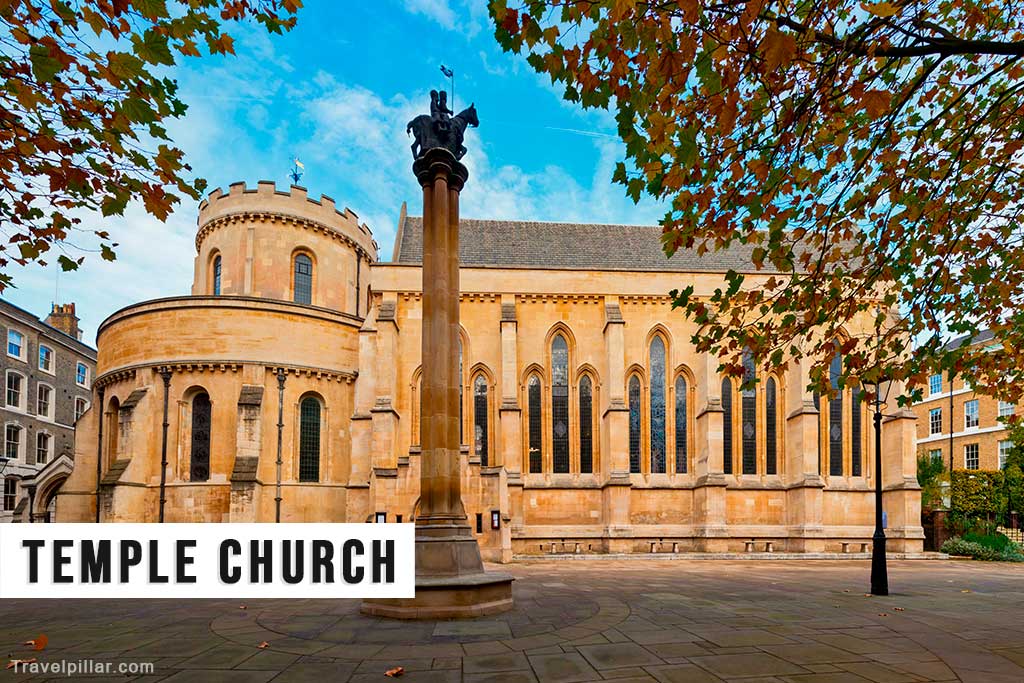
In England, the Knights Templar established their headquarters at Temple Church in London, built in the 12th century. The church’s distinctive round nave, modeled after the Church of the Holy Sepulchre in Jerusalem, stands as a testament to their influence. The Templars were also instrumental in supporting the Crown and financing major projects, gaining considerable power.
However, the order’s downfall was as dramatic as its rise. In 1307, King Philip IV of France, heavily indebted to the Templars, ordered the arrest of many members of the order, accusing them of heresy and corruption. Under pressure from Philip, Pope Clement V disbanded the order in 1312. Many Knights Templar were executed, and their vast wealth was seized by the Crown and other authorities.
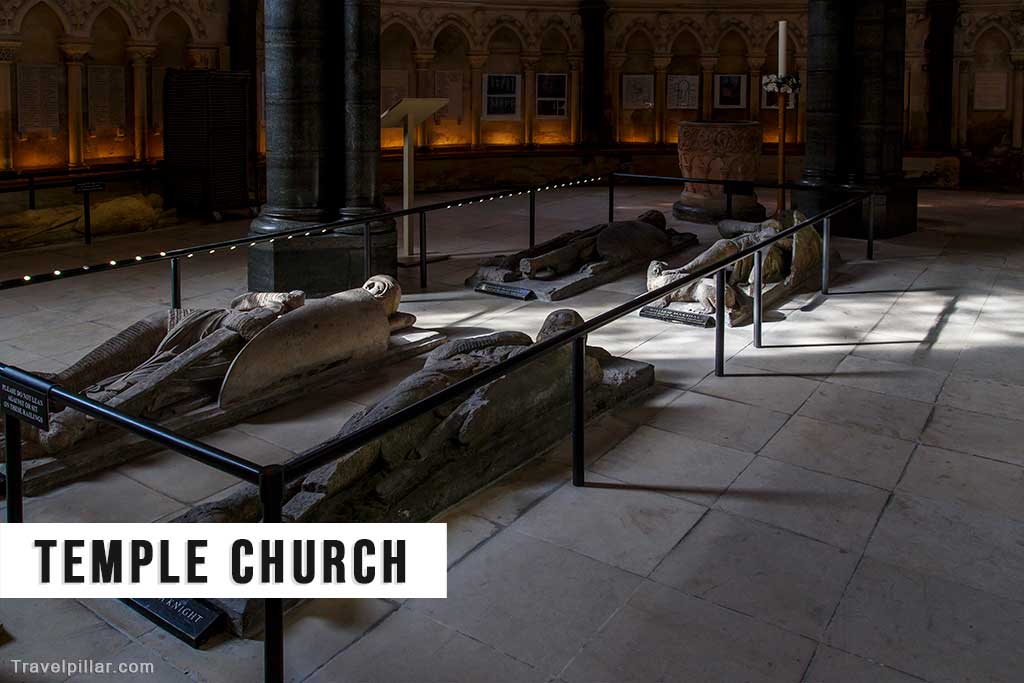
Despite their dissolution, the legacy of the Knights Templar continues to intrigue historians and the public alike. Today, remnants of their influence can still be seen in places like Temple Church in London, where the order’s role in medieval history and its connection to both the Crusades and early financial systems is remembered.