
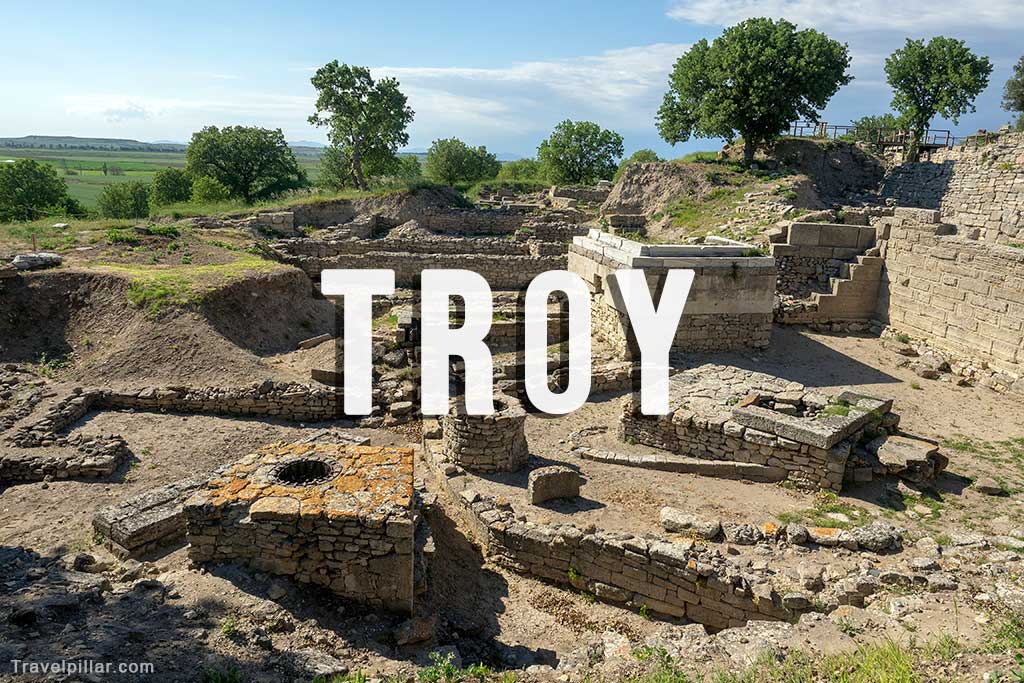
Troy, located in northwest Turkey, is an ancient city steeped in mythology and history. Best known for being the setting of the Trojan War, as depicted in Homer’s epic poems, the Iliad and the Odyssey, Troy is a UNESCO World Heritage Site with archaeological significance.
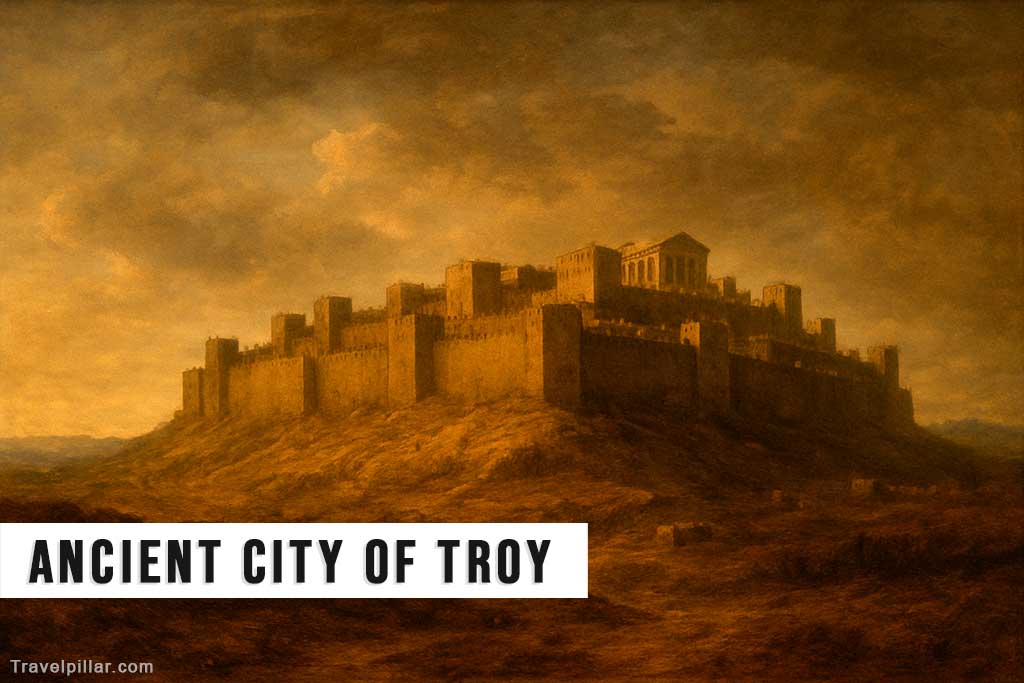
The archaeological site of Troy consists of several layers of ruins, representing different periods of occupation spanning over 4,000 years. The most famous of these is Troy VI and Troy VII, associated with the legendary Trojan War.

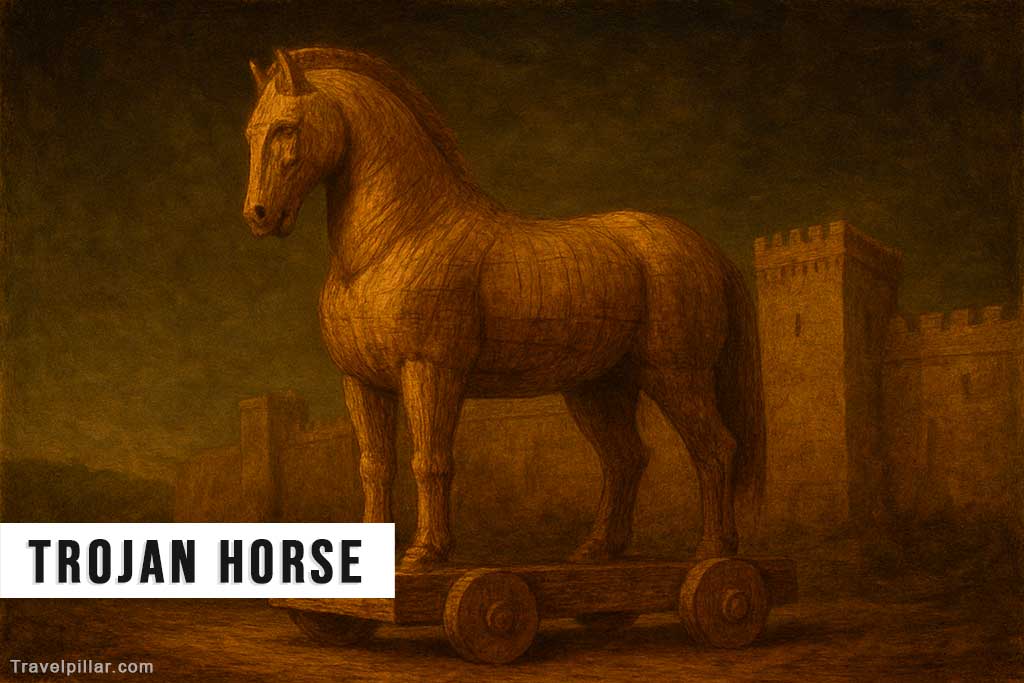
The iconic wooden horse, a symbol of the cunning Greek strategy to infiltrate Troy, is commemorated at the entrance of the archaeological site. Visitors can explore the ancient city walls, gates, and various buildings that provide insights into daily life in antiquity.
The Troy Museum, located nearby, houses a remarkable collection of artifacts unearthed during excavations. Exhibits include pottery, jewelry, and tools, shedding light on the cultural and economic aspects of ancient Troy.
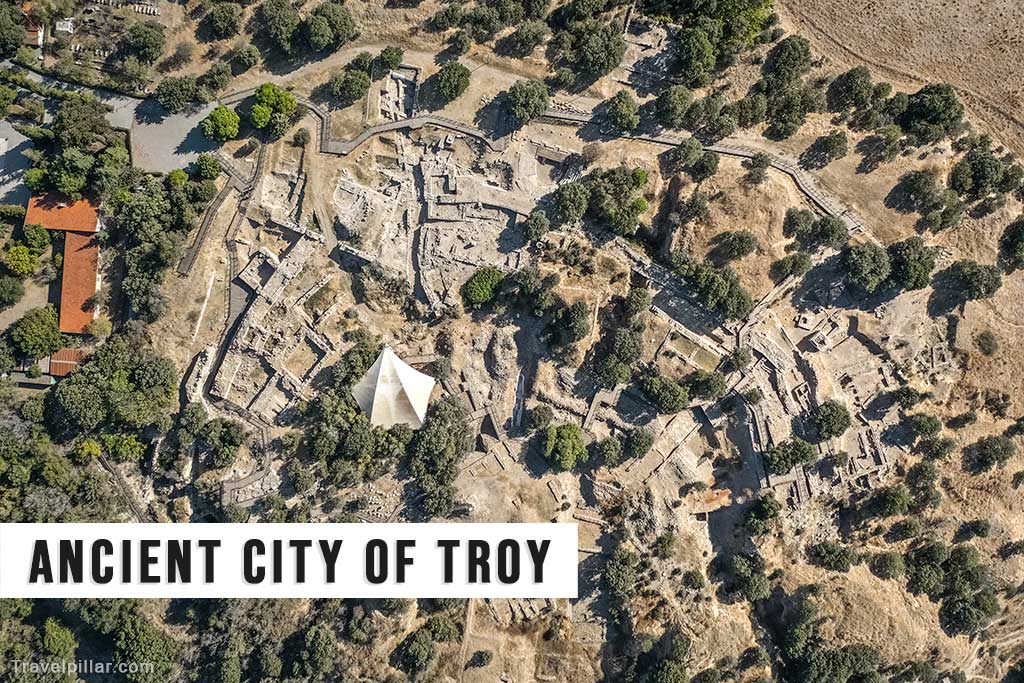
Troy’s significance extends beyond its mythical past, as it was a key trading city in the ancient world, strategically positioned at the crossroads of trade routes. The city’s ruins reflect a mix of different architectural styles and influences from various civilizations that held sway over the region.
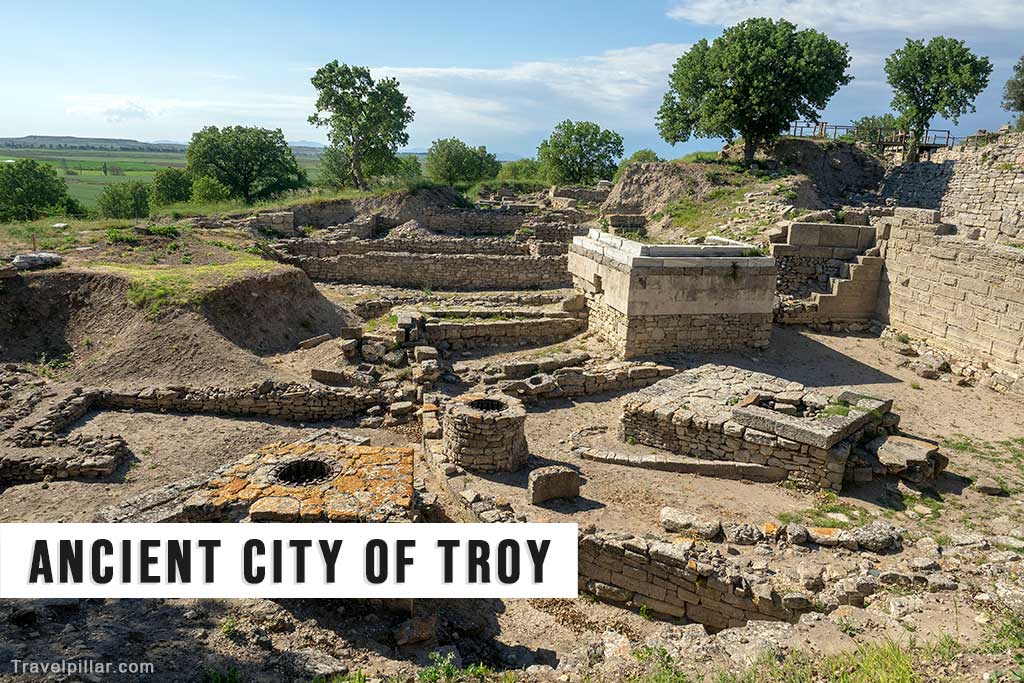
Troy’s timeless appeal, both as a historical site and a symbol of classical literature, draws visitors from around the world. Exploring the ruins allows one to connect with the layers of history and legend that make Troy an enduring symbol of ancient civilization.
Google map The Ancient City of Troy 4.5/5
Google map The Troy Museum 4.7/5