
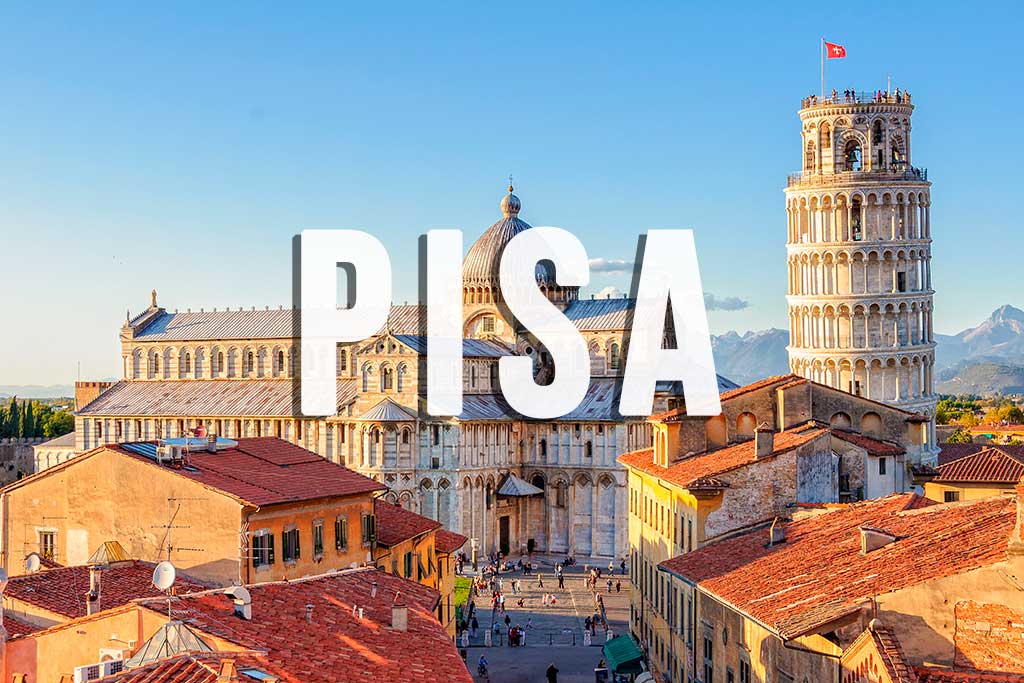
Pisa is a city located in Tuscany, a region in central Italy. Renowned for its significant cultural and historical heritage, Pisa is most recognized for its iconic Leaning Tower. However, it’s not just about this architectural wonder; the city is home to numerous other important landmarks. Piazza dei Miracoli, the city’s main square, hosts the Cathedral of Santa Maria Assunta, and the Baptistery, both exquisite examples of Pisan Romanesque architecture. Pisa also boasts a rich academic history as the seat of one of Italy’s oldest universities, the University of Pisa, established in 1343. It’s a city where history meets academic vibrancy.
Official website:
https://www.italia.it/en/tuscany/pisa
https://www.opapisa.it/en/
Google map of Pisa
The Best Places to Visit in Pisa
Leaning Tower of Pisa

The Leaning Tower of Pisa, located in Pisa’s Piazza dei Miracoli, is one of Italy’s most iconic landmarks. Built over two centuries from 1173, the tower’s unintended tilt is due to the soft soil of its foundations. Standing at 56 meters tall, it’s best known for its striking lean of around four degrees. A marvel of medieval engineering, the tower’s seven stories and 294-step spiral staircase offer panoramic views over the city and Tuscan countryside.
Google map 4.7/5
Pisa Cathedral (Duomo di Pisa)
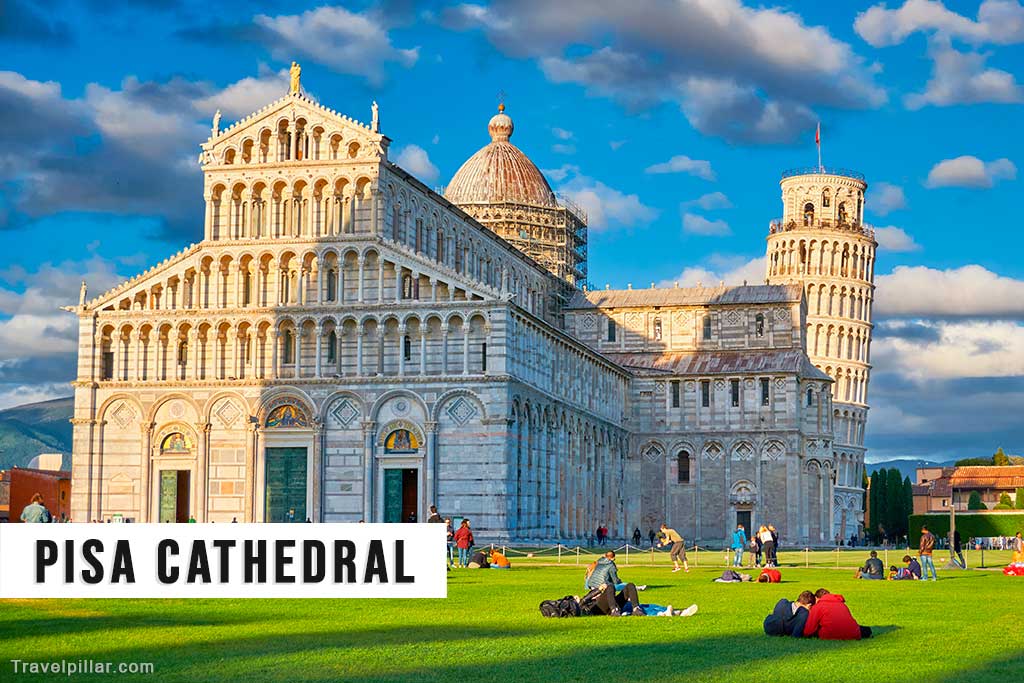
Pisa Cathedral, or Duomo di Pisa, is an architectural masterpiece located in the city’s Piazza dei Miracoli. Built between the 11th and 12th centuries, it is one of the most important examples of Pisan Romanesque architecture. The cathedral, adorned with intricate mosaics, sculptures, and bronze doors, features a three-nave interior and houses significant works of art. Its pulpit by Giovanni Pisano and mosaic of Christ in Majesty are particularly noteworthy.
Google map 4.8/5
Piazza dei Miracoli (Square of Miracles)
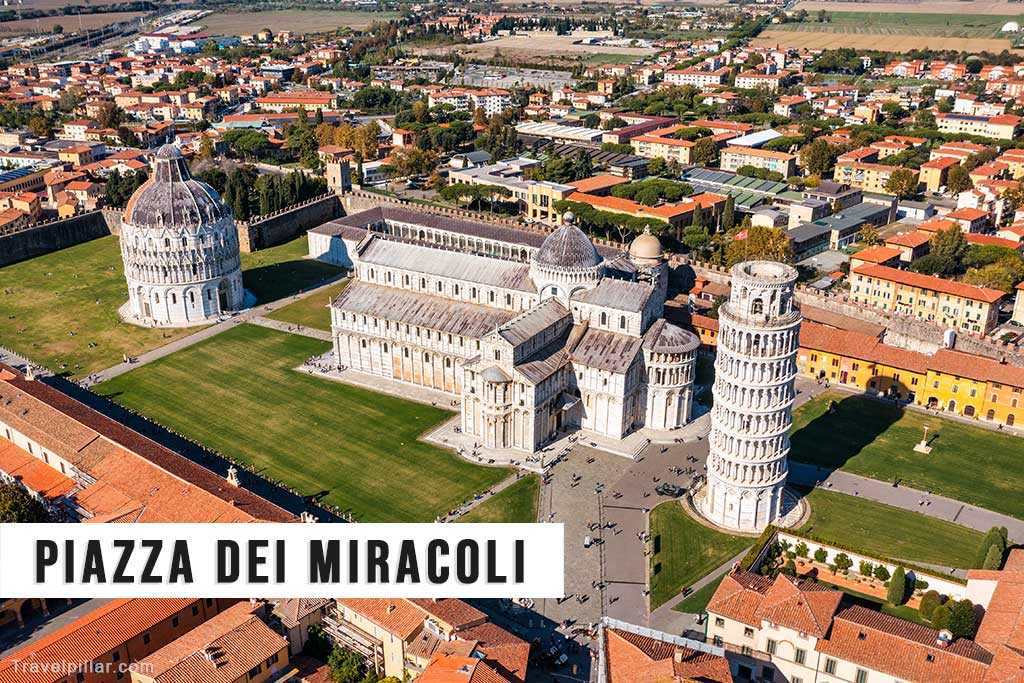
The Piazza dei Miracoli, or Square of Miracles, is the cultural and spiritual heart of the city. It is home to four principal religious structures: the Leaning Tower of Pisa, the Cathedral of Santa Maria Assunta, the Baptistery, and the Camposanto Monumentale (Monumental Cemetery). This UNESCO World Heritage Site, renowned for its Pisan Romanesque architecture and pristine lawns, is a critical pilgrimage destination and a testament to Pisa’s rich historical and architectural legacy.
Google map 4.7/5
Baptistery of St. John (Battistero di San Giovanni)
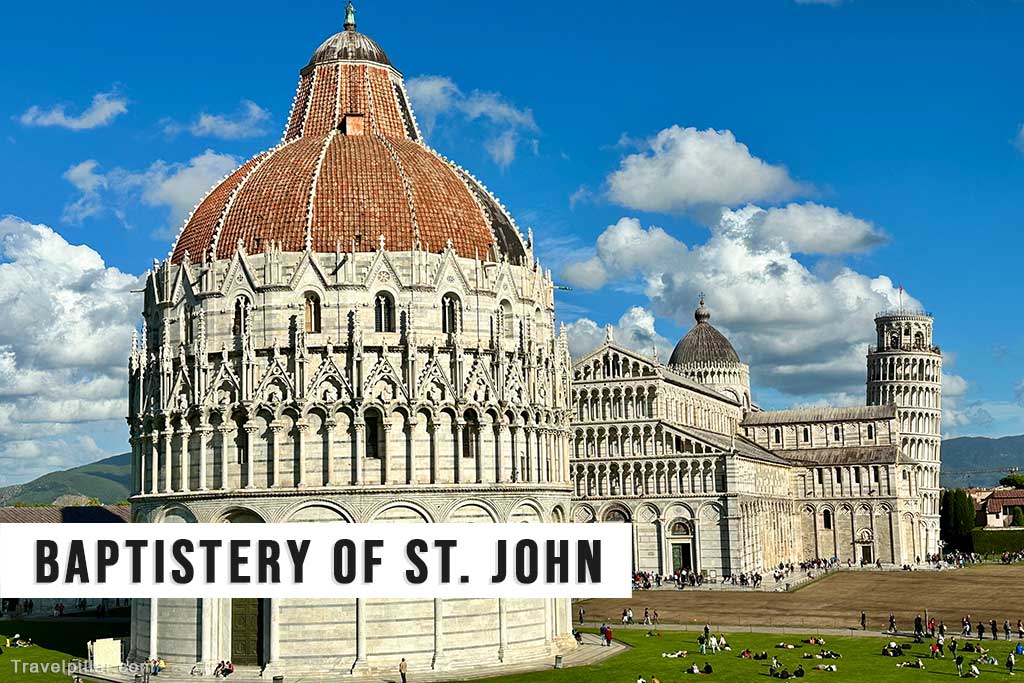
The Baptistery of St. John, or Battistero di San Giovanni, is part of the architectural ensemble in the city’s Piazza dei Miracoli. Built between the 12th and 14th centuries, it’s the largest baptistery in Italy. Designed in Pisan Romanesque style initially, its later stages embraced the Gothic style, rendering a unique blend. The baptistery is renowned for its remarkable acoustics and Nicola Pisano’s pulpit, a masterpiece of medieval sculpture.
Google map 4.6/5
Camposanto Monumentale (Monumental Cemetery)
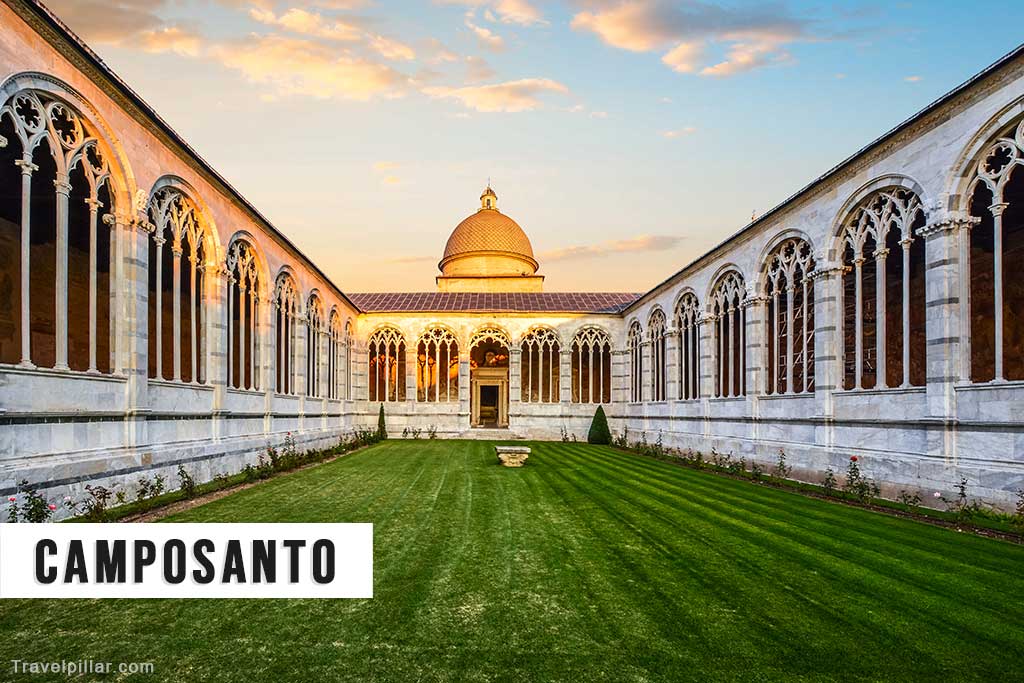
The Camposanto Monumentale, located in Pisa’s Piazza dei Miracoli, is a monumental cemetery of significant historical and architectural value. Constructed in 1278, it encloses a sacred soil brought from Golgotha, creating a revered final resting place. The structure features Gothic arcades surrounding a serene lawn and houses valuable frescoes and Roman sarcophagi. Despite significant damage during World War II, Camposanto remains an enduring testament to Pisa’s rich medieval past.
Google map 4.6/5