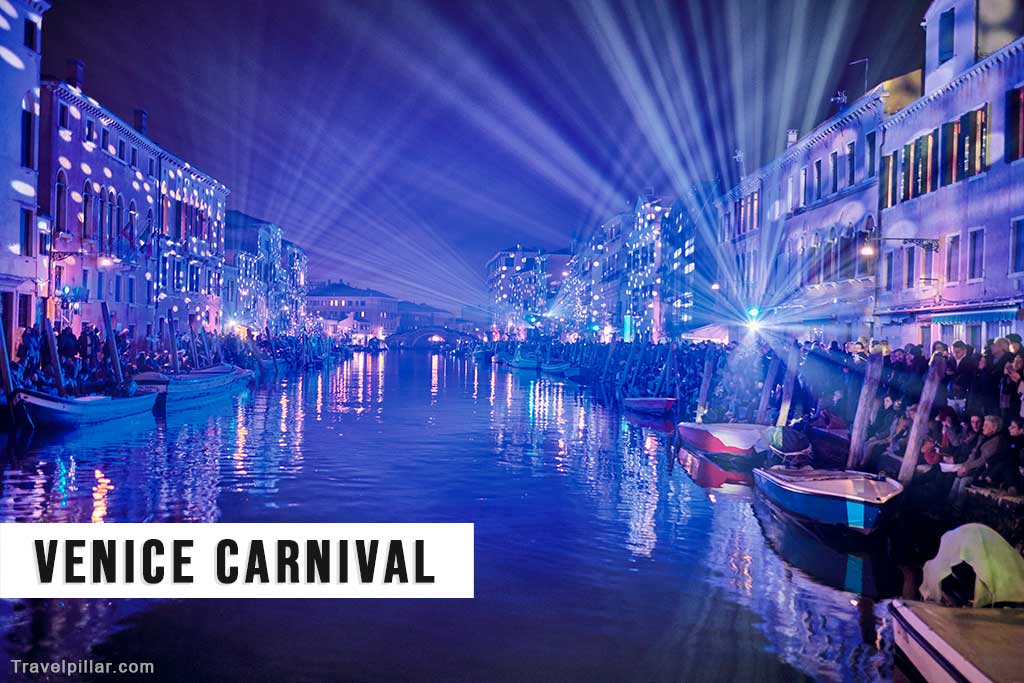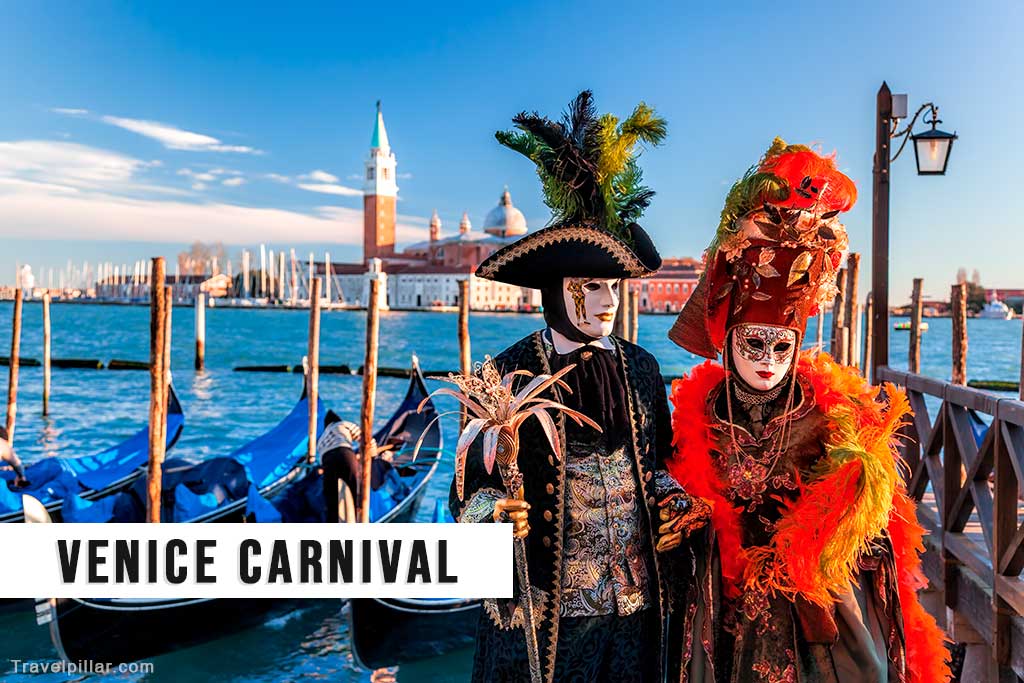
The Venice Carnival is one of the most famous and historically significant events in Venice, drawing visitors from around the world. Traditionally held in the weeks leading up to Lent, the carnival is a time of elaborate celebrations, marked by masked balls, parades, and various cultural events that showcase the city’s rich history and artistic heritage.
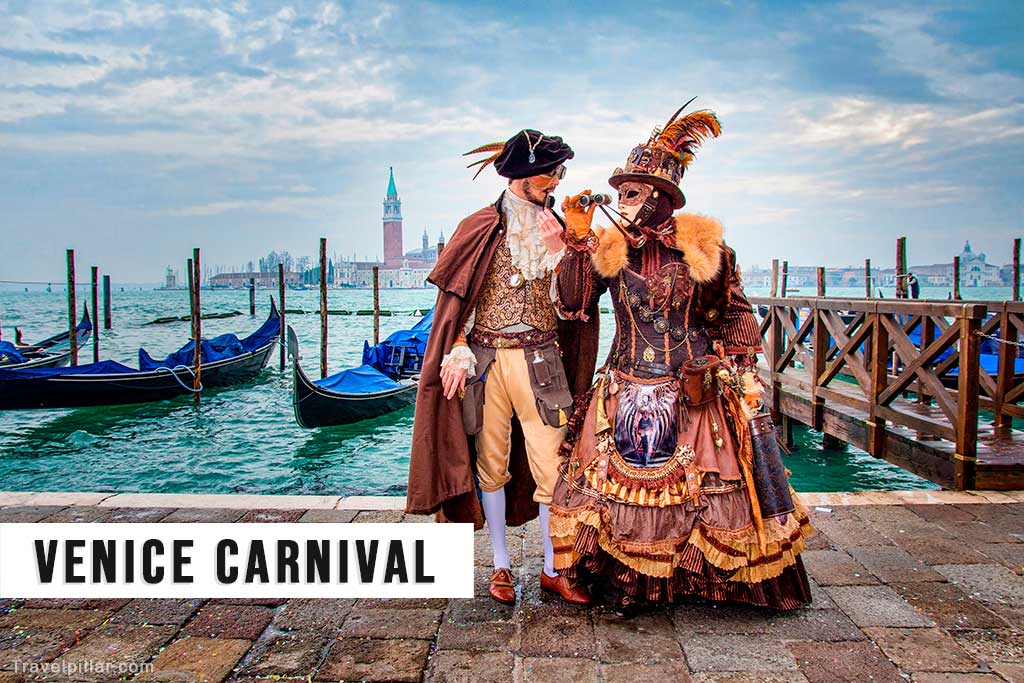
The origins of the Venice Carnival date back to the 12th century, with its popularity peaking in the 18th century. During this time, Venice was a major cultural and commercial center, and the carnival provided an opportunity for people from all social classes to come together in celebration. Masks, which are the most iconic feature of the Venice Carnival, played a central role in these festivities, allowing participants to disguise their identities and transcend social boundaries.

The masks worn during the carnival range from simple, traditional designs to elaborate, hand-crafted creations. The most common types include the Bauta, a full-face mask with a protruding chin, the Colombina, a half-mask often adorned with feathers and jewels, and the Volto, or Larva, a plain white mask that covers the entire face. These masks, often paired with opulent costumes, add an element of mystery and intrigue to the carnival’s events.
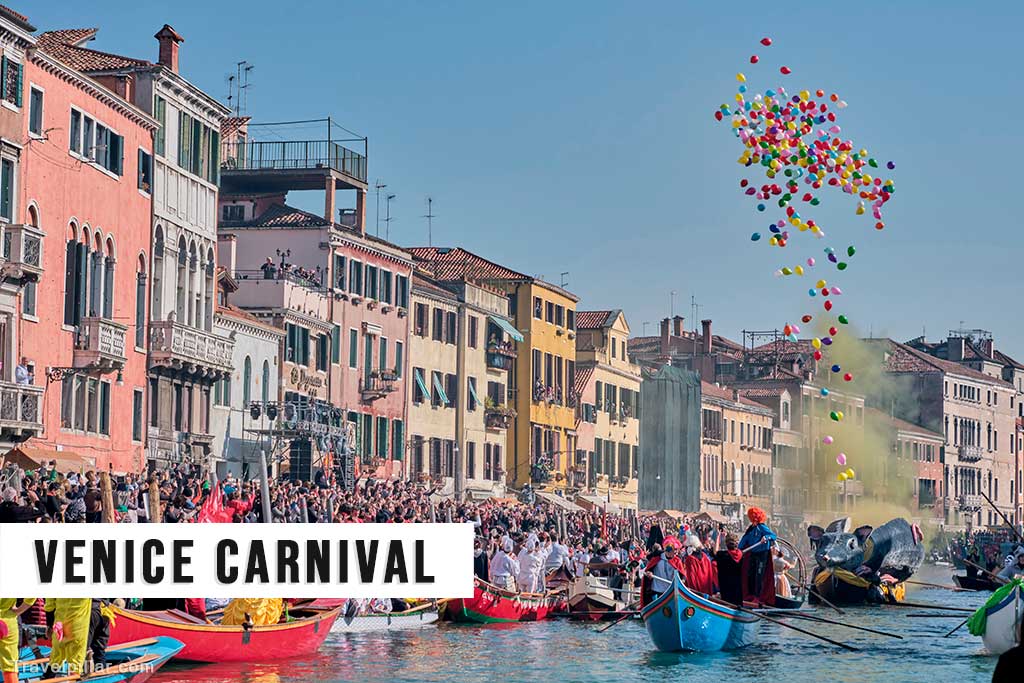
Key events during the Venice Carnival include the Flight of the Angel, in which a performer dressed as an angel descends from the Campanile in St. Mark’s Square, and the Festa delle Marie, a procession that celebrates Venice’s historic tradition of honoring twelve young women each year. Numerous masked balls and parties, both public and private, take place throughout the city, offering participants a chance to experience the grandeur of Venice’s past.

The Venice Carnival is not only a celebration of the city’s history and culture but also a major attraction that brings significant economic and cultural benefits to the city. Today, it remains one of the most important and vibrant expressions of Venetian identity, blending historical traditions with contemporary creativity.