
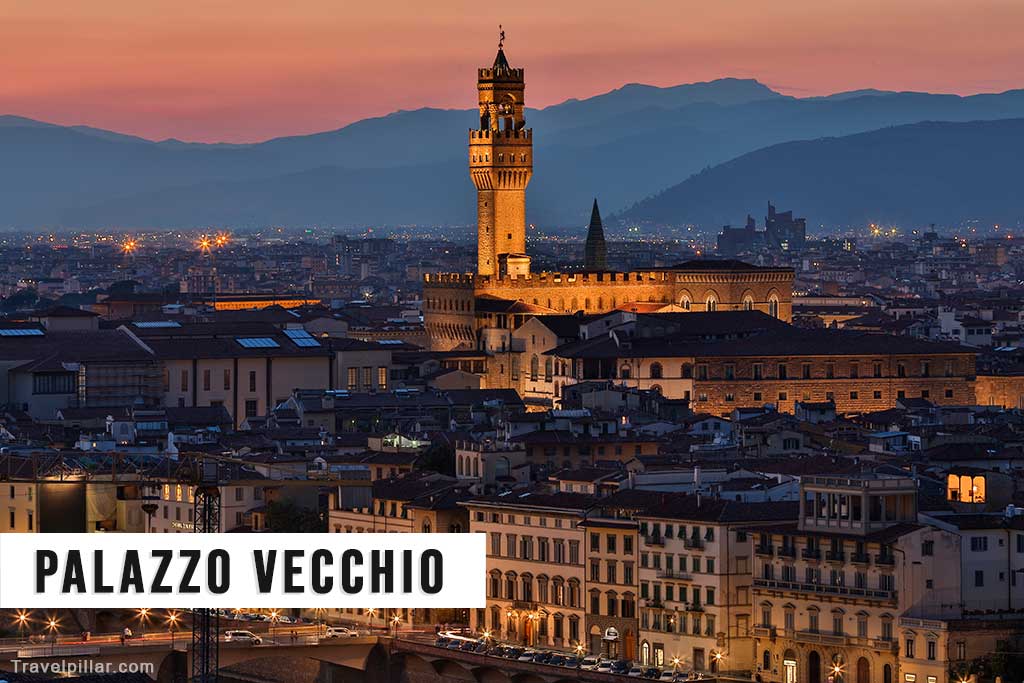
Palazzo Vecchio, an imposing fortress-like structure located in Florence‘s central Piazza della Signoria, has long been a symbol of the city’s political power and artistic prestige. Constructed in 1299, this medieval palace has served as the seat of government for the Florentine Republic and the ruling Medici family, and today functions as both the city’s town hall and a museum. The Palazzo Vecchio’s rich history, stunning architecture, and impressive art collection make it an essential destination for visitors seeking to explore the multifaceted heritage of Florence.
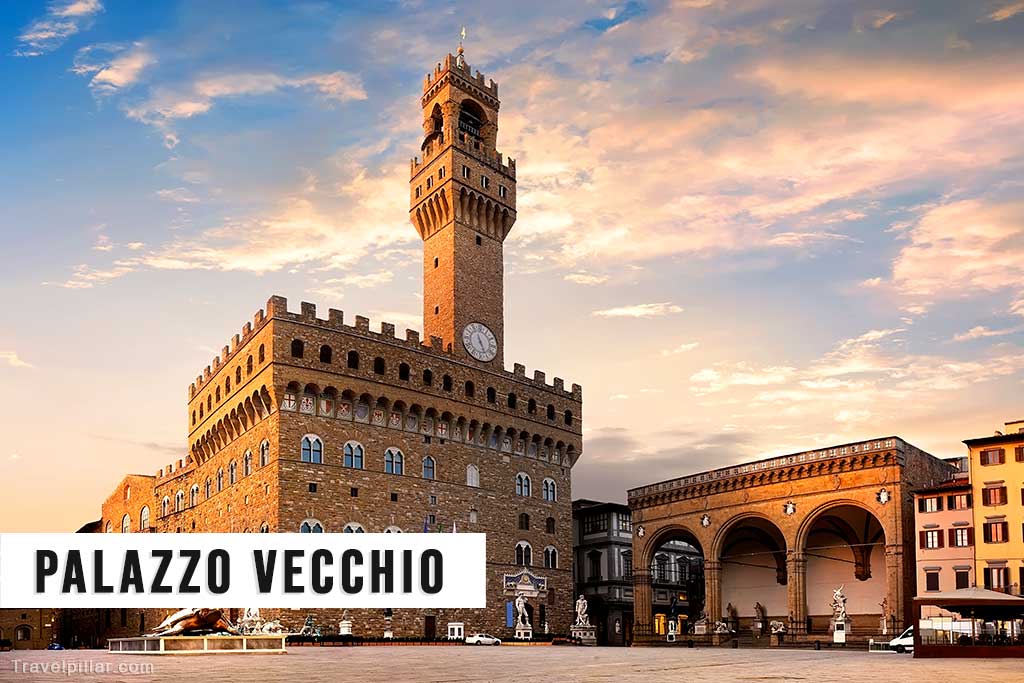
Designed by the architect Arnolfo di Cambio, the Palazzo Vecchio features a crenelated battlement and a 94-meter-tall bell tower, which dominates the city’s skyline. The palace’s austere exterior is embellished with numerous sculptures, including a replica of Michelangelo’s David and Bartolomeo Bandinelli’s Hercules and Cacus.
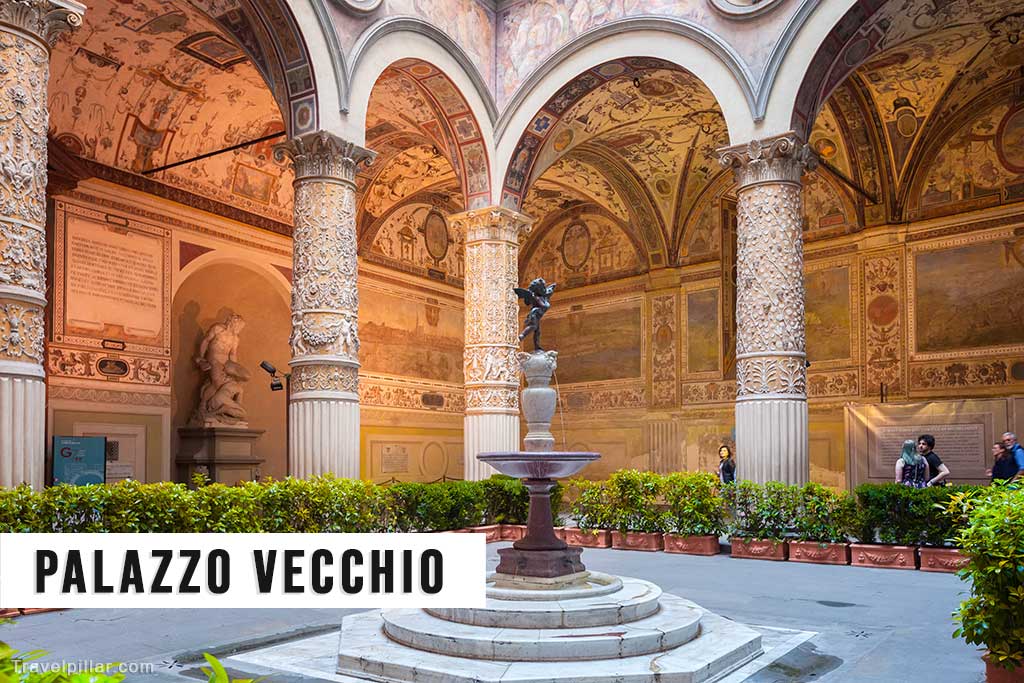
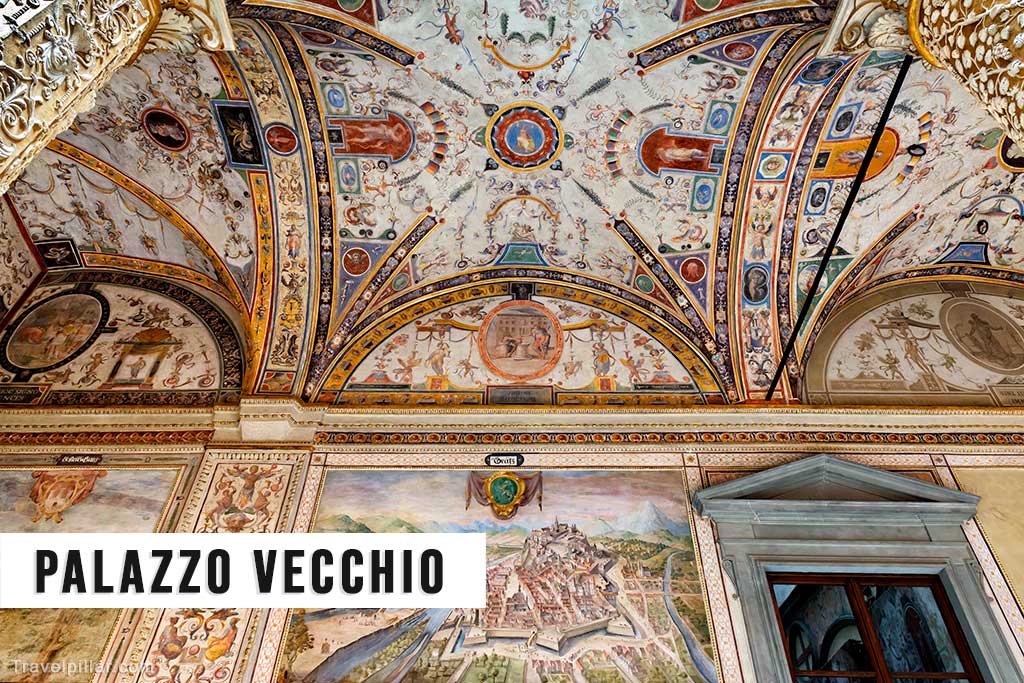
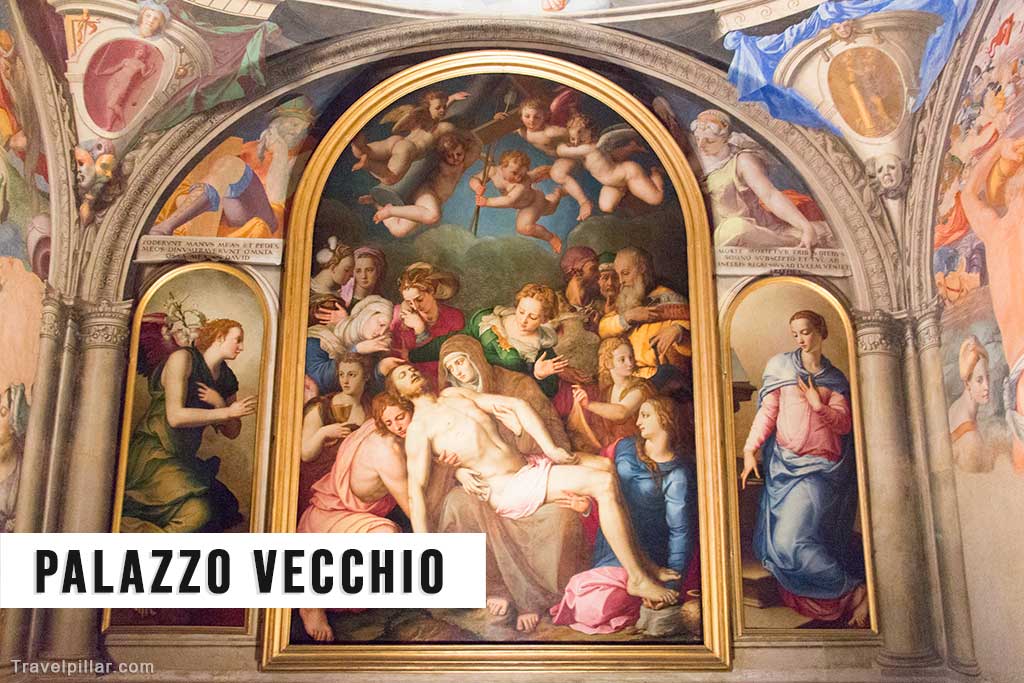
The interior of the Palazzo Vecchio houses an extensive collection of artworks and historical artifacts, spread across lavishly decorated halls and chambers. Among the many highlights are the ornate Hall of the Five Hundred, adorned with frescoes by Giorgio Vasari, and the private chambers of the Medici family, featuring works by Michelangelo, Donatello, and Bronzino.
The Palazzo Vecchio is open to the public daily, with hours varying depending on the season. Entry fees for the museum vary by age, with reduced rates available for children, students, and seniors. Guided tours can be arranged through the museum’s ticket office or in advance through authorized tour operators.
Official website: https://ticketsmuseums.comune.fi.it/
Google map 4.7/5
Arnolfo Tower (Torre di Arnolfo)
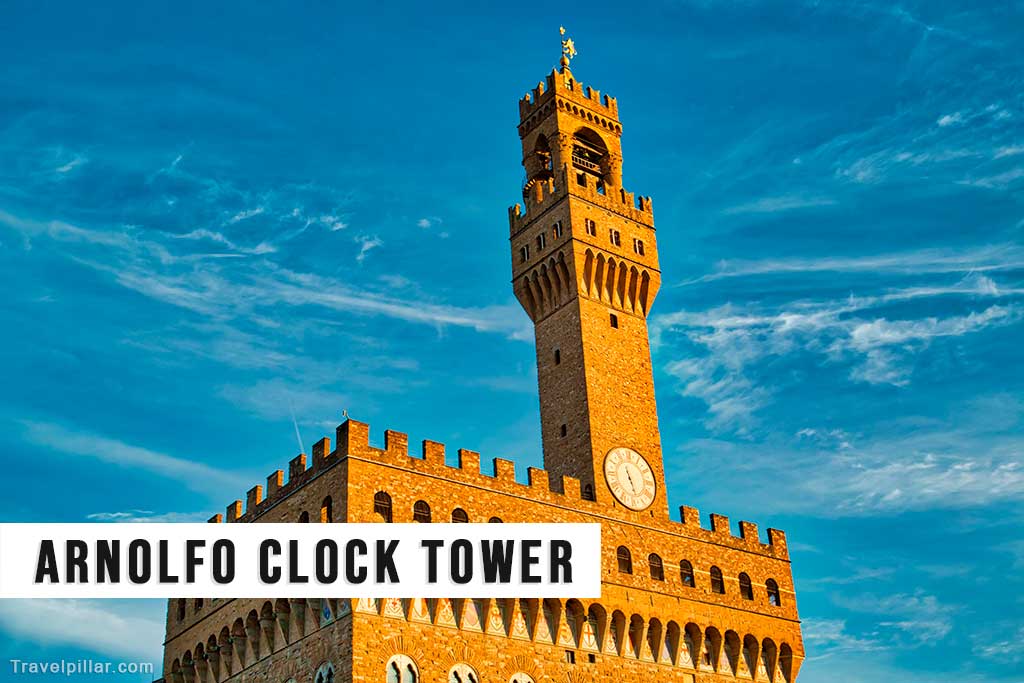
The Torre di Arnolfo is the clock tower of Palazzo Vecchio. Built in the early 14th century and named after architect Arnolfo di Cambio, it stands 94 meters tall. The tower served defensive and symbolic functions and offers panoramic views of the city. Visitors can climb to the top via a staircase. It remains a significant example of medieval civic architecture in Florence.
Official website: https://ticketsmuseums.comune.fi.it/ (tickets)
Google map 4.5/5