
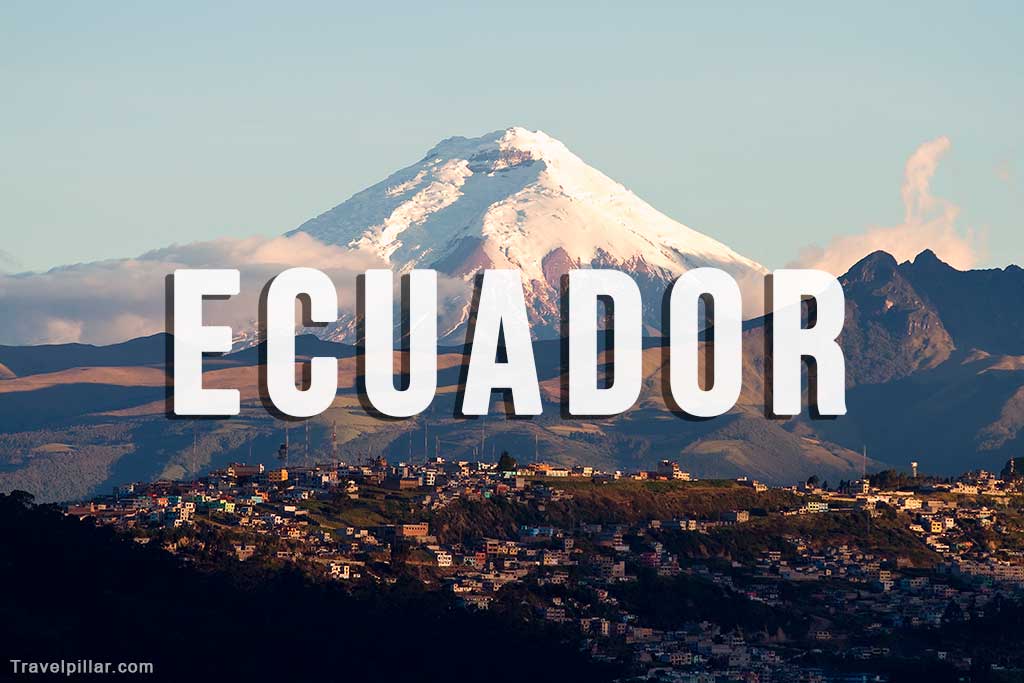
Ecuador is a small but geographically diverse country on the west coast of South America. Straddling the equator, it contains the Andes mountains, Amazon rainforest, Pacific coastline, and the Galapagos Islands. Its compact size allows visitors to experience striking contrasts within short distances, from colonial cities to volcanic landscapes and tropical forests. Ecuador’s blend of natural and cultural attractions makes it one of the most varied destinations in the region.
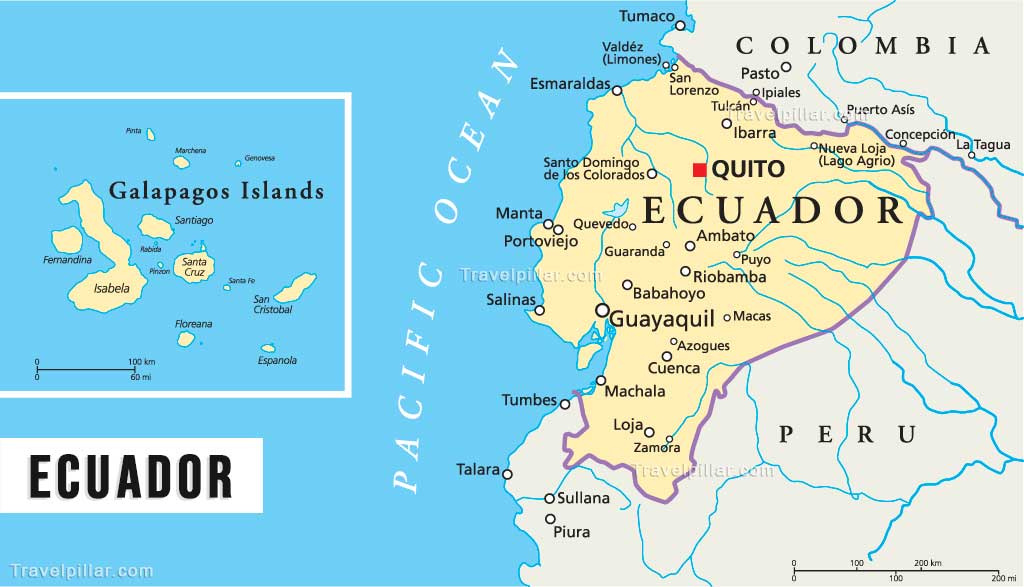
Official tourism website: https://ecuador.travel/en/
Galapagos Islands

The Galapagos Islands are Ecuador’s most famous destination, known for unique wildlife and volcanic landscapes. A UNESCO World Heritage site, they are home to giant tortoises, marine iguanas, and blue-footed boobies. The islands inspired Charles Darwin’s theory of evolution and remain a centre for ecological research. Strict conservation policies regulate tourism, with guided tours, diving, and wildlife observation providing controlled access to one of the world’s most significant natural environments.
Quito
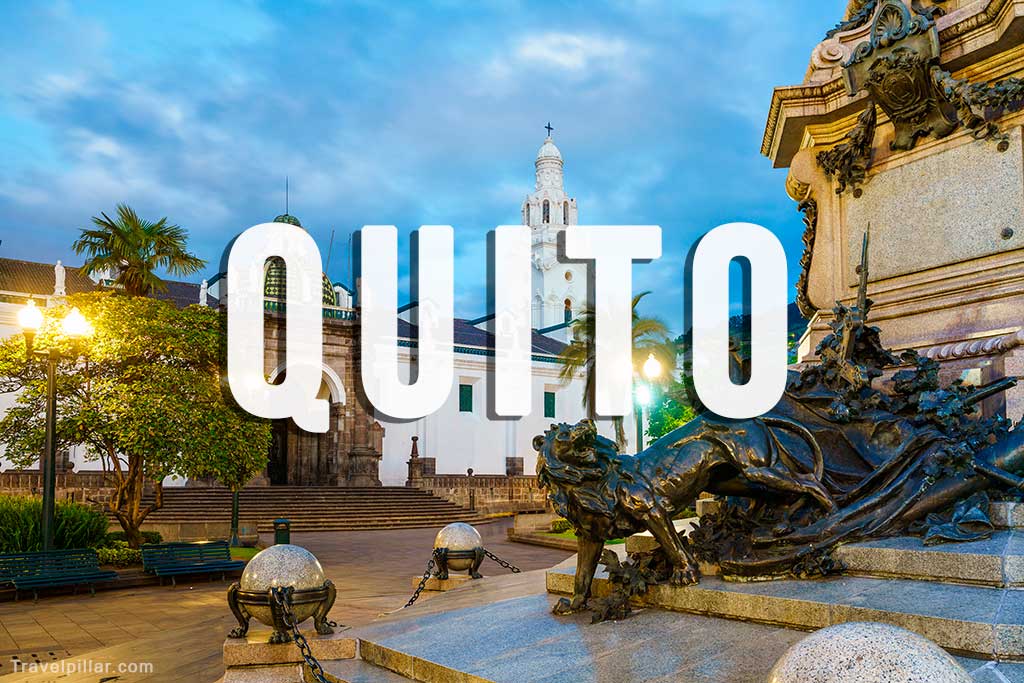
Quito, Ecuador’s capital, lies high in the Andes at 2,850 metres. Its historic centre, a UNESCO World Heritage site, contains colonial churches, monasteries, and plazas dating back to the 16th century. Highlights include the Church of the Society of Jesus and Plaza Grande. The city is also near the equatorial monument Mitad del Mundo. Quito’s mix of Andean culture and Spanish heritage makes it one of South America’s most notable capitals.
Cuenca
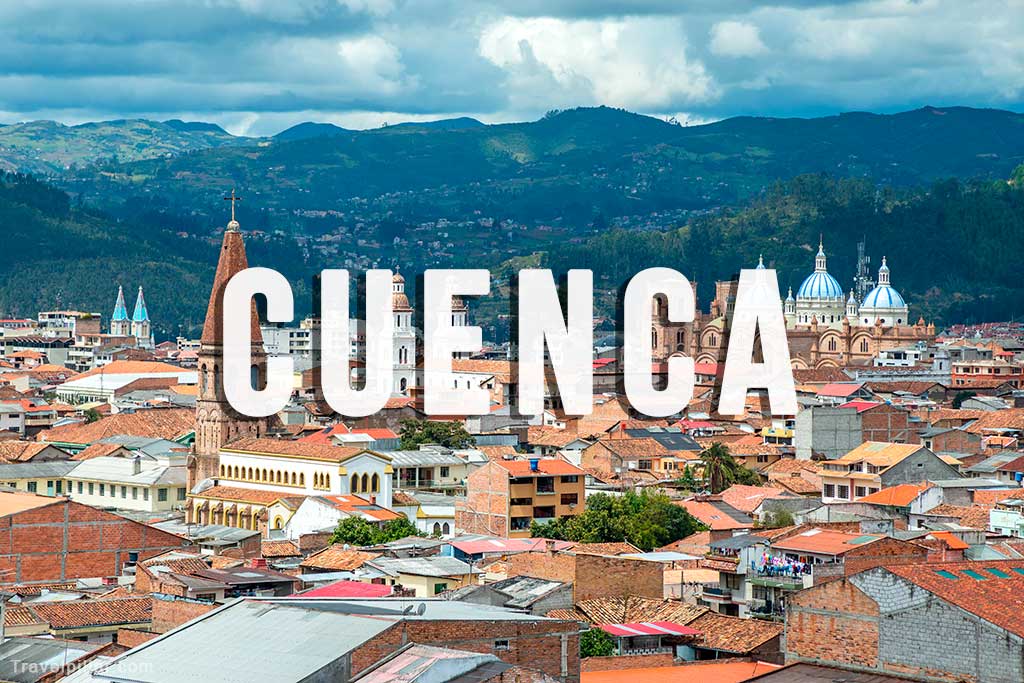
Cuenca is a colonial city in southern Ecuador recognised for its architecture and cultural life. Its historic centre, listed by UNESCO, features cobbled streets, whitewashed houses, and notable landmarks such as the New Cathedral. The city is also known for traditional crafts, including Panama hat production. Surrounded by mountains and rivers, Cuenca combines natural and cultural attractions, making it an important destination for understanding Ecuador’s history and traditions.
Otavalo Market

Otavalo, north of Quito, is famous for its indigenous market, one of the most important in the Andes. The market offers textiles, crafts, and jewellery produced by the Otavalo people, who maintain strong cultural traditions. It provides a setting to observe Andean identity and artisanal work. Beyond the market, the surrounding region includes lakes and volcanoes, making Otavalo a combination of cultural and natural attractions within northern Ecuador.
Google map Otavalo Town
Google map Plaza de Ponchos 4.5/5
Baños
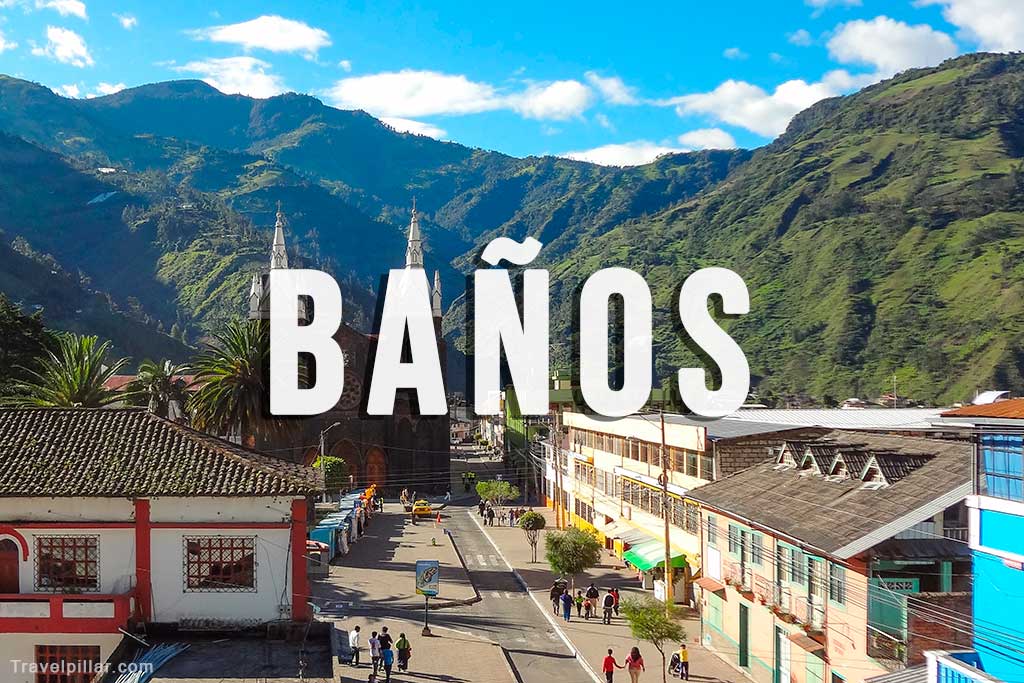
Baños de Agua Santa, usually called Baños, is located at the base of the Tungurahua volcano. Known as Ecuador’s adventure capital, it offers activities such as hiking, rafting, and zip-lining. The town is also recognised for its hot springs, formed by geothermal activity. Nearby attractions include the Pailón del Diablo waterfall and the famous “Swing at the End of the World.” Baños combines natural landscapes with recreational tourism.
Cotopaxi National Park
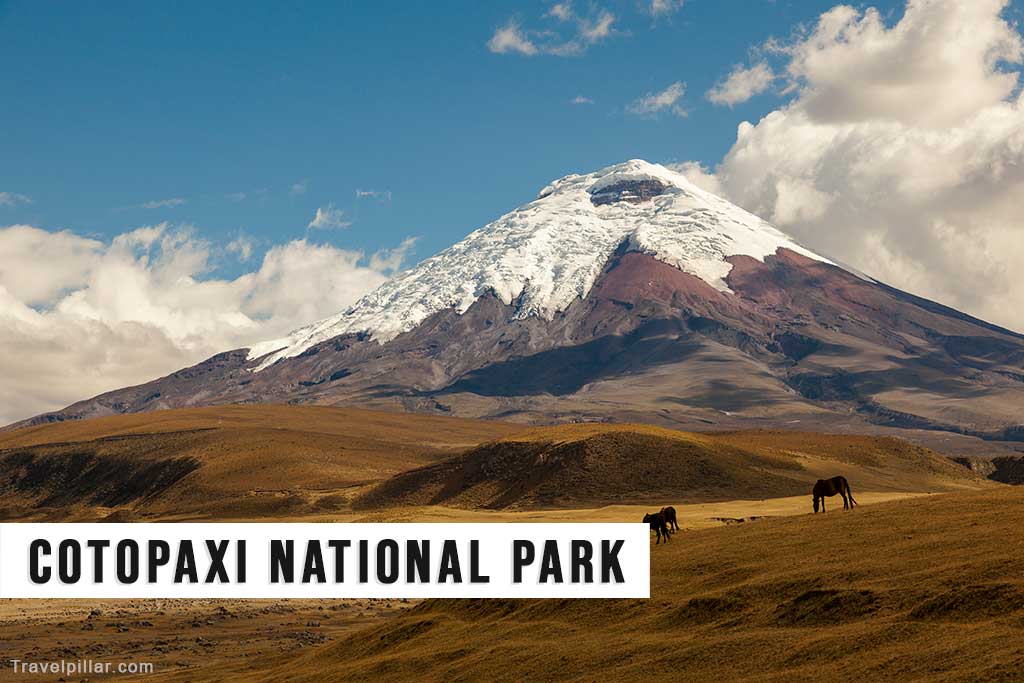
Cotopaxi National Park, located south of Quito, centres on Cotopaxi Volcano, one of the world’s highest active volcanoes at 5,897 metres. The park contains páramo ecosystems with high-altitude grasslands, lakes, and wildlife such as condors and wild horses. Popular activities include hiking, climbing, and cycling. Cotopaxi is one of Ecuador’s most iconic natural landmarks and represents both ecological diversity and the dramatic volcanic landscapes typical of the Andes.
Google map Cotopaxi National Park 4.8/5
Google map Volcán Cotopaxi 4.7/5
Quilotoa Loop
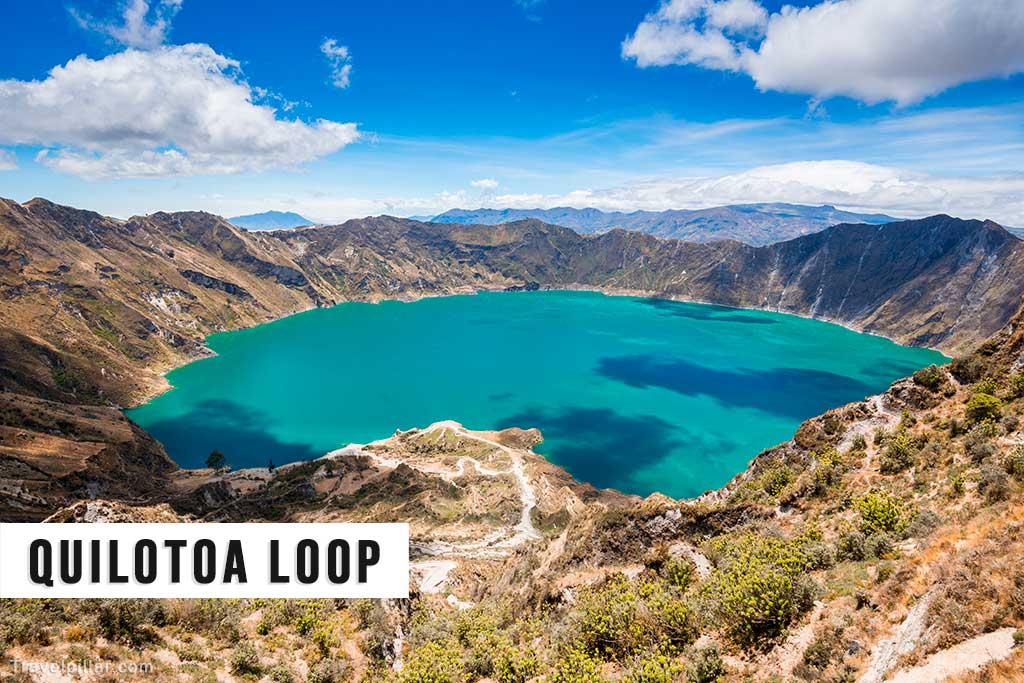
The Quilotoa Loop is a scenic route in the central Ecuadorian highlands, known for remote villages, Andean landscapes, and the Quilotoa Crater Lake. The loop is popular with trekkers, offering multi-day hikes through valleys, mountains, and indigenous communities. The highlight is Quilotoa Lake, a volcanic crater filled with turquoise water at an altitude of nearly 4,000 metres. The route provides cultural encounters alongside striking natural scenery in the Ecuadorian Andes.
Google map Laguna de Quilotoa (Lake) 4.8/5
Montañita
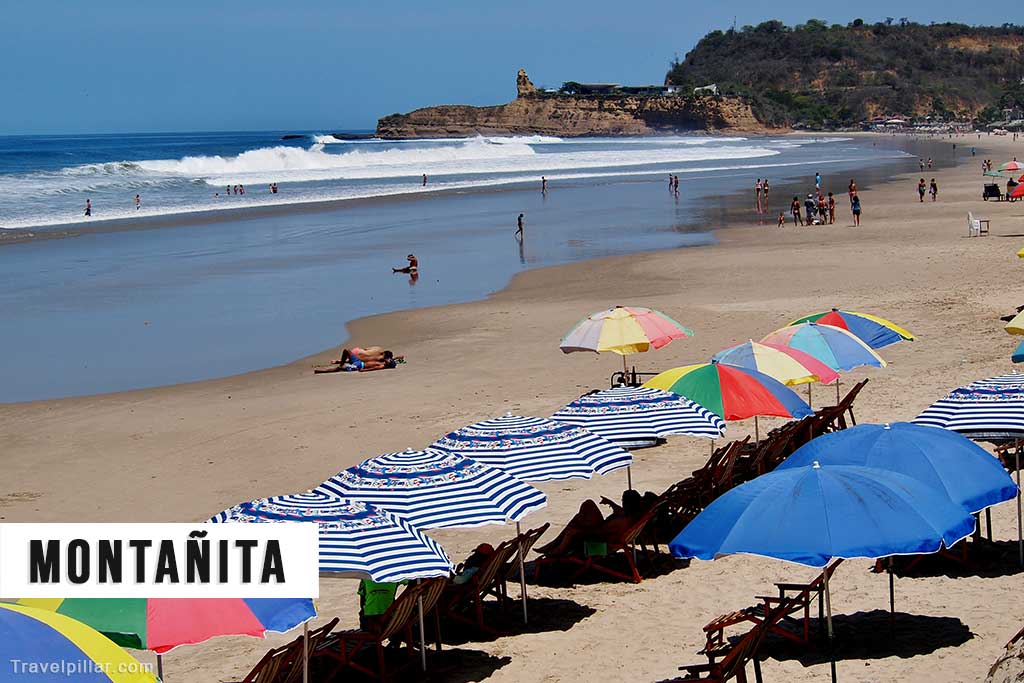
Montañita is Ecuador’s most famous beach town, located on the Pacific coast. Originally a fishing village, it has become a hub for surfing, nightlife, and backpacker tourism. The long sandy beach offers consistent waves, attracting international surfers, while the town provides hostels, restaurants, and bars. Montañita remains one of Ecuador’s most visited coastal destinations, combining a relaxed atmosphere with opportunities for water sports and coastal exploration.
Google map Montañita Town
Google map Montañita Beach 4.6/5
Ingapirca
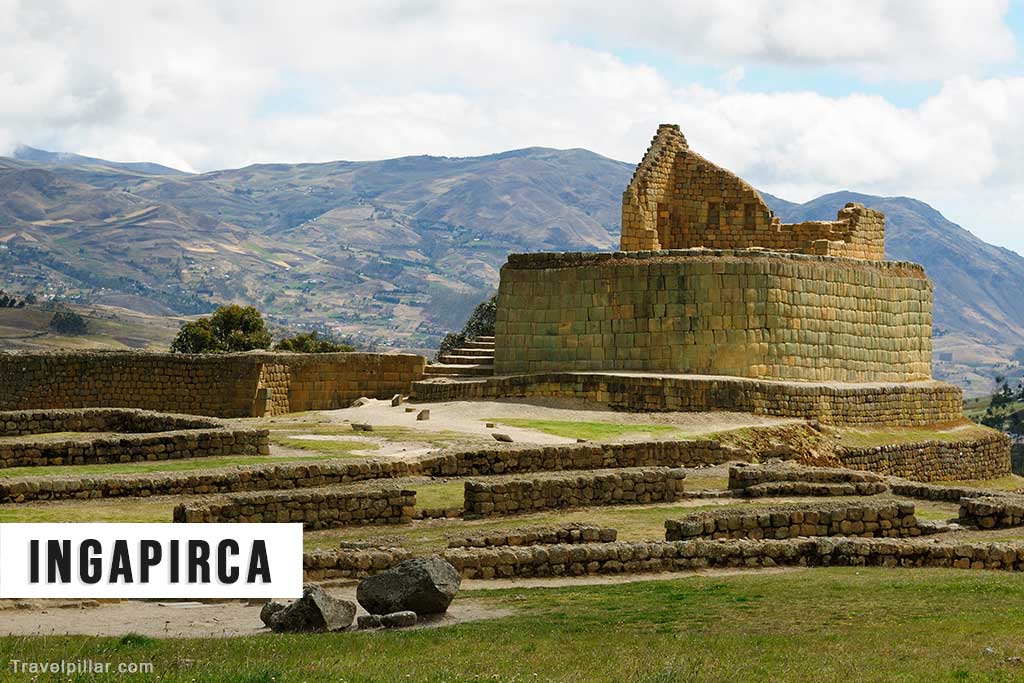
Ingapirca is Ecuador’s most important archaeological site, located in the Cañar province. It contains ruins from both the Cañari people and the Incas, with the Temple of the Sun being the most significant structure. The site reflects the blending of indigenous and Inca traditions and provides insight into pre-Columbian history in Ecuador. Ingapirca is a major cultural landmark, offering visitors a direct connection to the country’s ancient past.
Google map 4.7/5
Cuyabeno Wildlife Reserve
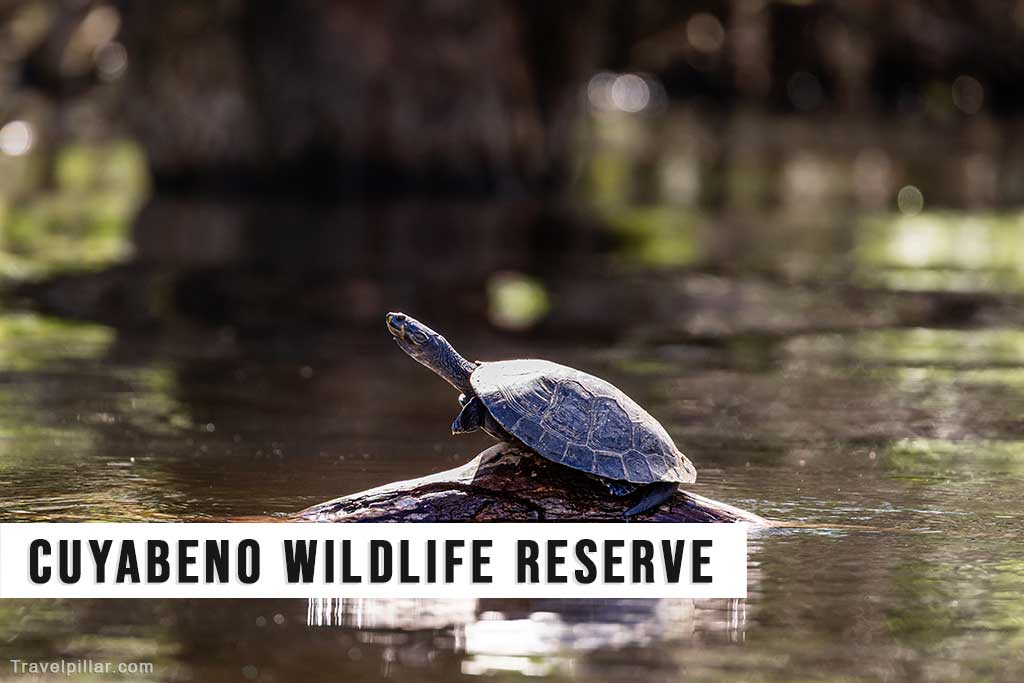
The Cuyabeno Wildlife Reserve is a large protected area in the Amazon region of Ecuador. It is characterised by flooded forests, rivers, and lagoons that host a wide range of species, including pink river dolphins, caimans, and hundreds of bird varieties. Lodges within the reserve provide access for guided tours and ecological tourism. Cuyabeno highlights Ecuador’s Amazonian biodiversity and offers an important opportunity to experience the rainforest.
Google map 4.6/5
Mindo Cloud Forest
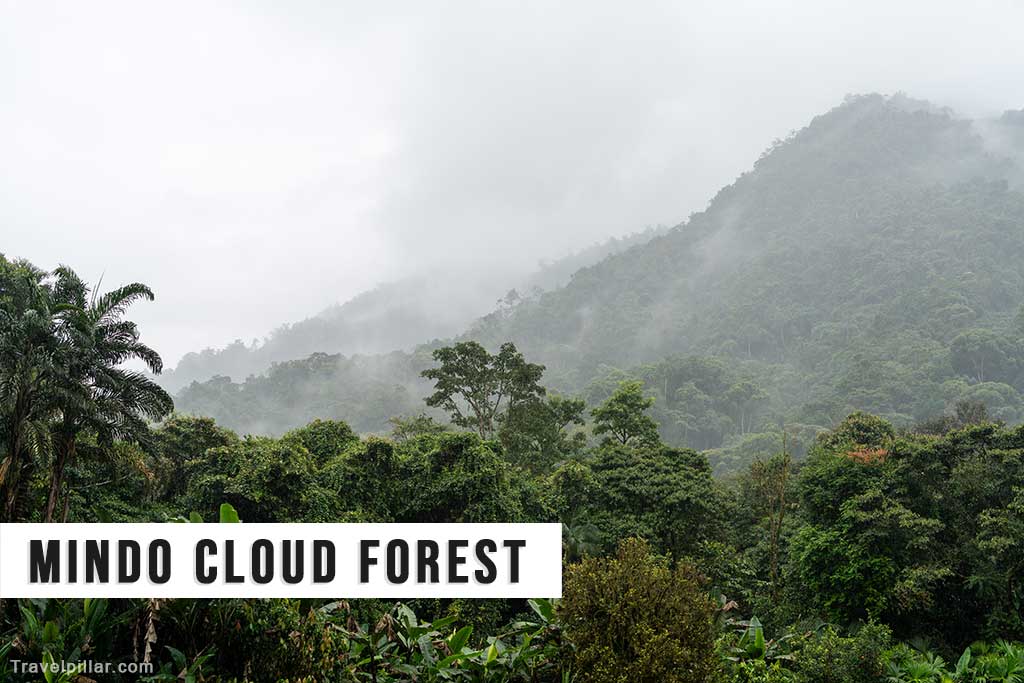
The Mindo Cloud Forest, located northwest of Quito, is a recognised centre for biodiversity and birdwatching. The humid forest environment supports orchids, butterflies, and over 500 bird species. Outdoor activities such as hiking, canopy zip-lines, and river tubing are available. Conservation efforts in the area balance tourism with environmental protection. Mindo has developed as a leading ecotourism destination, drawing visitors interested in Ecuador’s diverse ecosystems outside the Amazon and Andes.
Google map