
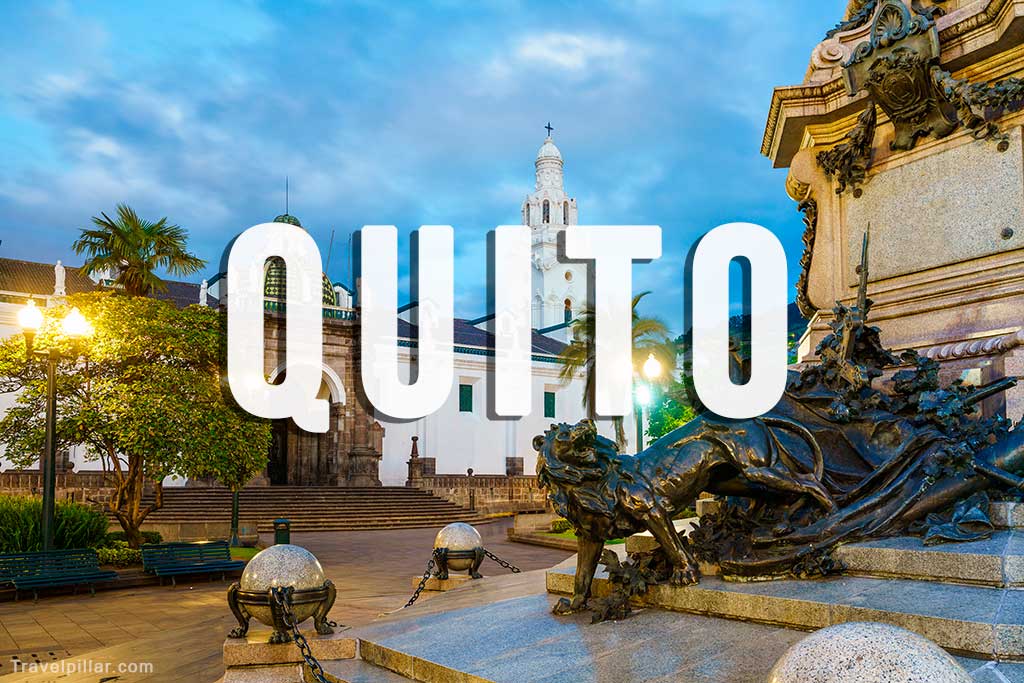
Quito’s combination of colonial heritage, modern development, and striking Andean setting gives it a unique character. From its historic churches and plazas to museums, parks, and panoramic viewpoints, the city reflects both past and present of Ecuador. Its location near volcanic peaks and the equator adds further distinction. Together, these elements establish Quito as a capital where history, culture, and geography converge in a single destination.
Plaza Grande
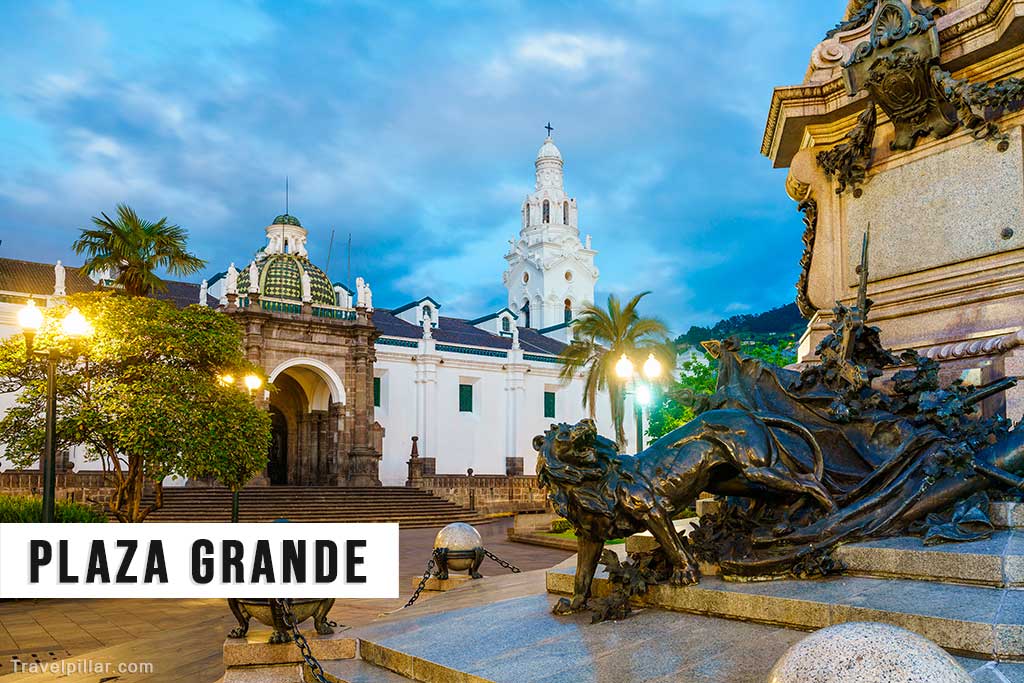
Plaza Grande, also called Plaza de la Independencia, is the historic main square of Quito. It is surrounded by significant buildings including the Presidential Palace, the Archbishop’s Palace, and the Metropolitan Cathedral. The square has been a centre of political and cultural life since colonial times. Today, it remains a gathering place where local events and daily activities reflect the continuity of Quito’s civic and historical importance.
Google map 4.6/5
La Compañía de Jesús
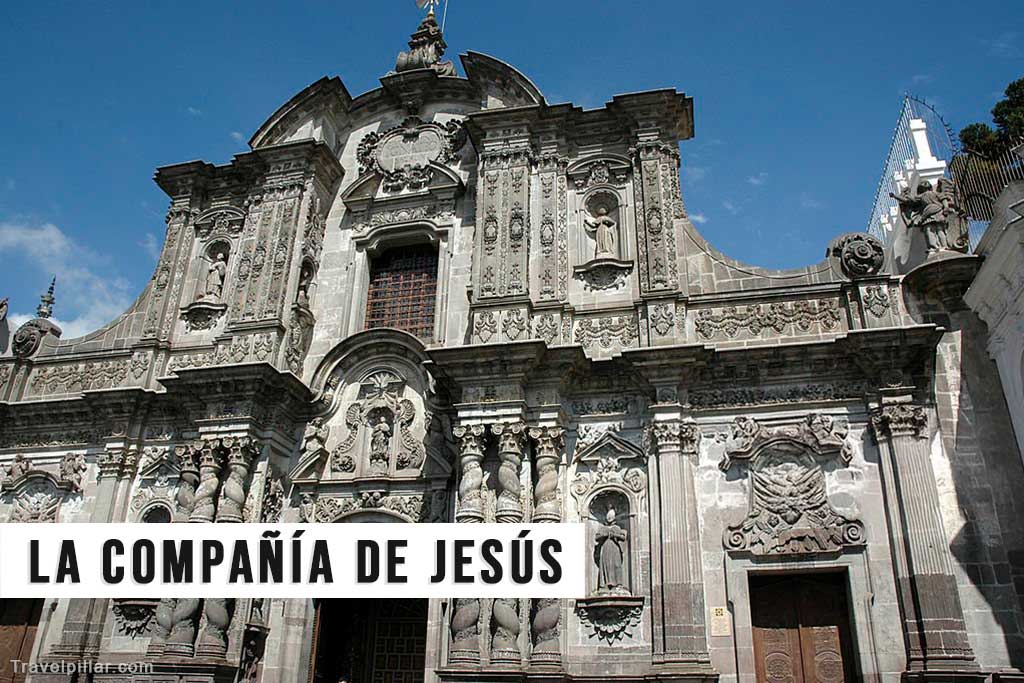
The Church of the Society of Jesus, known as La Compañía de Jesús, is Quito’s most ornate Baroque church. Constructed in the 17th and 18th centuries, it is famous for its gilded interior, with walls and ceilings covered in gold leaf. The façade displays intricate stonework influenced by Spanish and Indigenous craftsmanship. La Compañía symbolises the wealth of the Jesuit order and represents one of the finest examples of Baroque architecture in South America.
Google map 4.8/5
Basílica del Voto Nacional
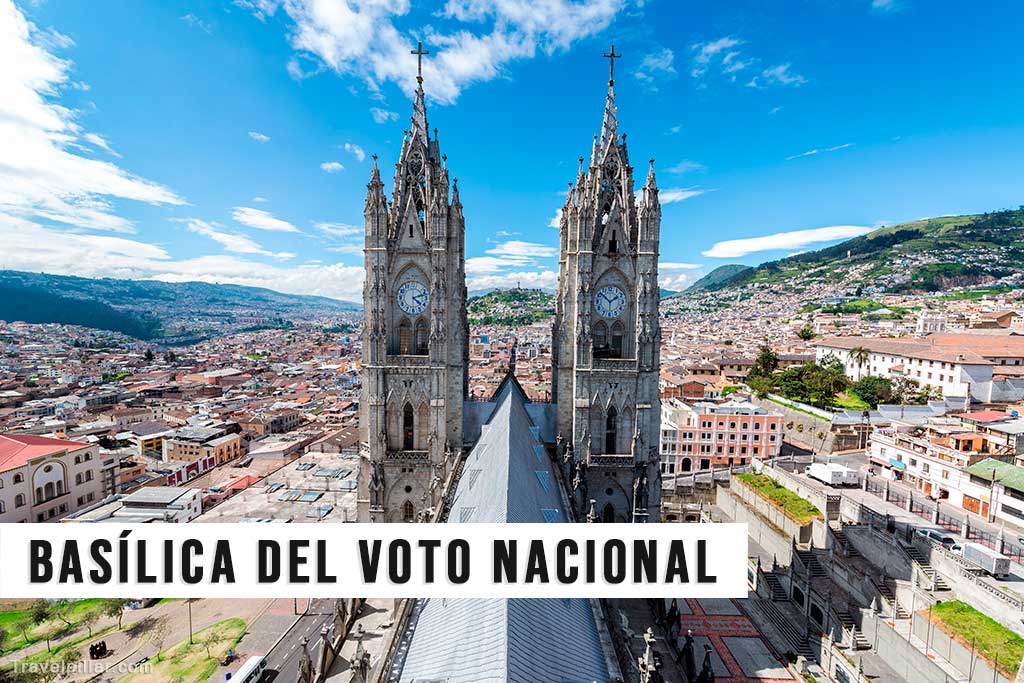
The Basílica del Voto Nacional is a neo-Gothic church completed in the 20th century. Its towers dominate Quito’s skyline, offering panoramic views of the city and surrounding mountains. Unlike traditional Gothic cathedrals, the exterior includes gargoyles shaped as native Ecuadorian animals such as iguanas and condors. The basilica is both a place of worship and a major landmark, reflecting Quito’s blend of European influences with local identity.
Official website: https://basilicaquito.com
Google map 4.8/5
San Francisco Church and Plaza
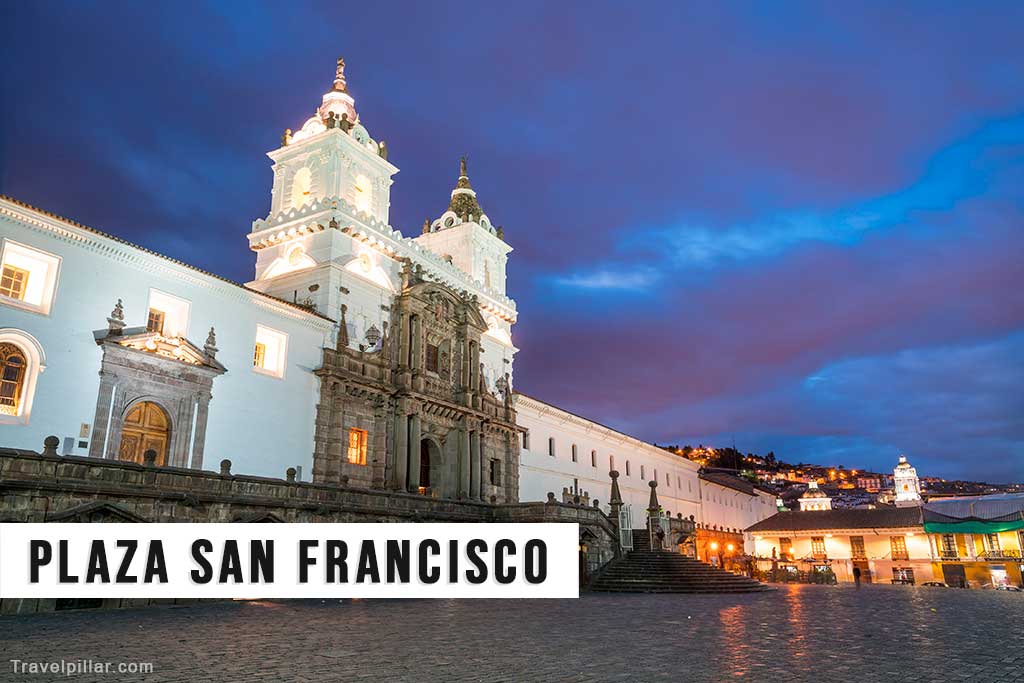
The San Francisco Church, built in the 16th century, is the oldest and one of the largest colonial complexes in Quito. The church and adjoining convent face San Francisco Plaza, a major urban space. Inside, the church holds significant works of art from the Quito School, a colonial artistic movement. The site reflects the integration of Spanish and Indigenous craftsmanship and remains central to Quito’s religious and cultural life.
Google map Basilica and Convent of San Francisco 4.8/5
Google map Plaza San Francisco 4.6/5
El Panecillo
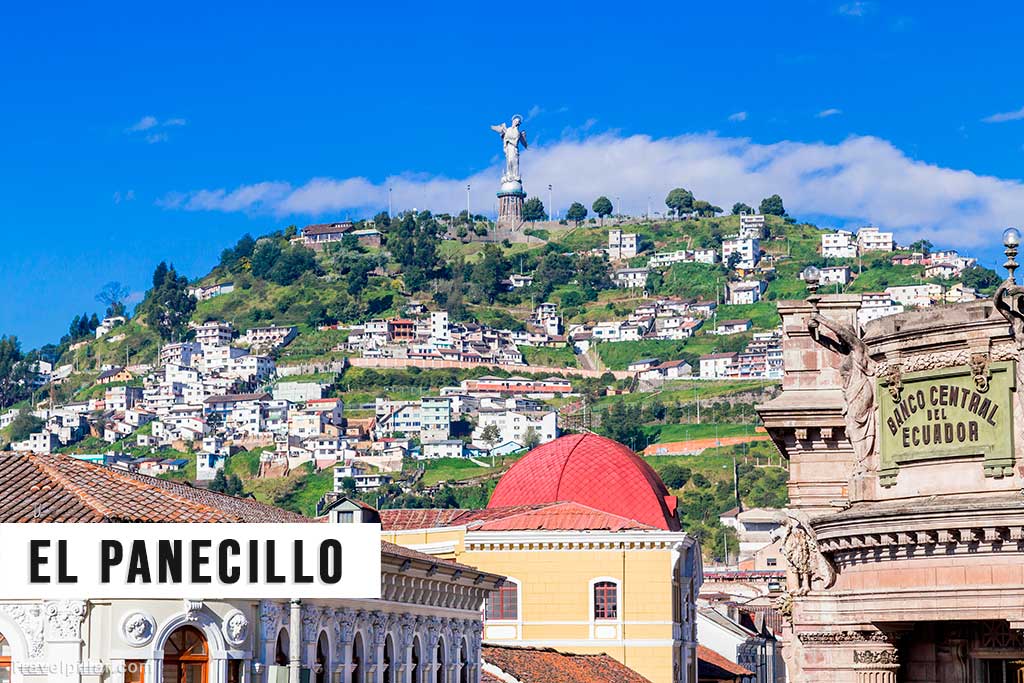
El Panecillo is a hill in central Quito topped with a large aluminium statue of the Virgin of Quito, constructed in 1976. The statue is notable for its depiction of the Virgin with wings, inspired by a 1734 sculpture. From the summit, visitors gain panoramic views over Quito’s historic centre and modern districts. El Panecillo serves as both a religious monument and a geographic landmark in the city’s landscape.
Google map Virgin of the Panecillo 4.7/5
Mitad del Mundo
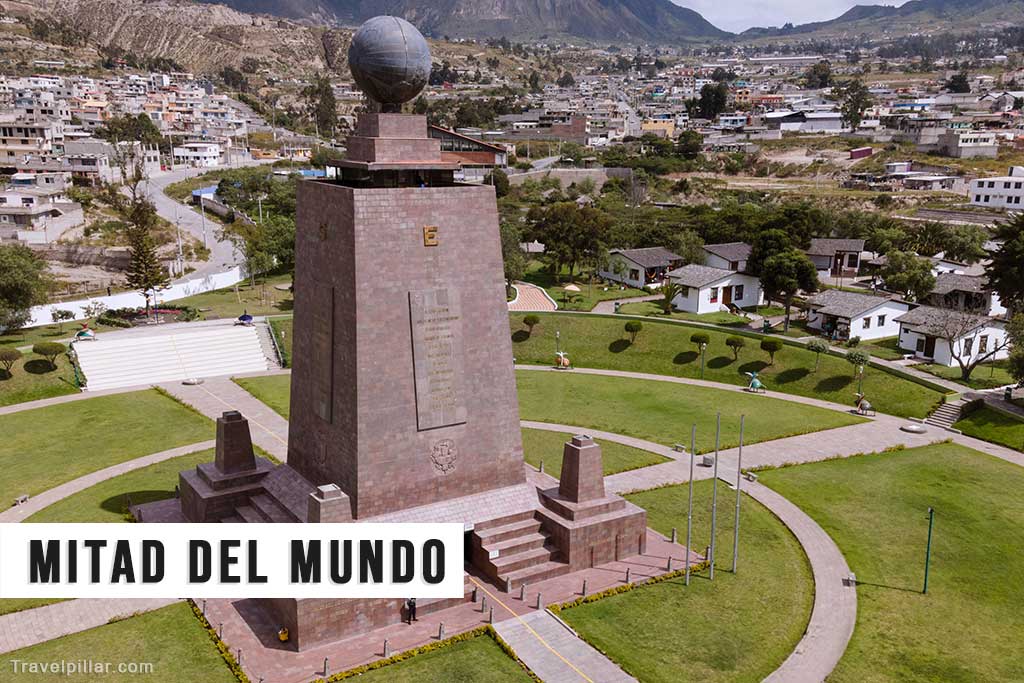
Mitad del Mundo, located north of Quito, marks the site where the equator is commemorated. The complex includes a 30-metre monument topped with a globe, as well as a museum explaining Ecuador’s geography and Indigenous cultures. Although later measurements placed the true equator slightly outside the monument, the site remains a popular attraction. Mitad del Mundo highlights the importance of Ecuador’s location and its identity as the country “on the equator.”
Google map 4.7/5
Museo Casa del Alabado
The Museo Casa del Alabado is a museum of pre-Columbian art located in a restored colonial mansion in Quito’s historic centre. Its collection includes over 5,000 objects from Indigenous cultures dating back thousands of years, displayed thematically rather than chronologically. The museum emphasises the symbolic and ritual functions of the artifacts, offering insight into pre-Hispanic societies. It is recognised for its careful curation and architectural setting.
Official website: https://alabado.org/
Google map 4.8/5
TelefériQo
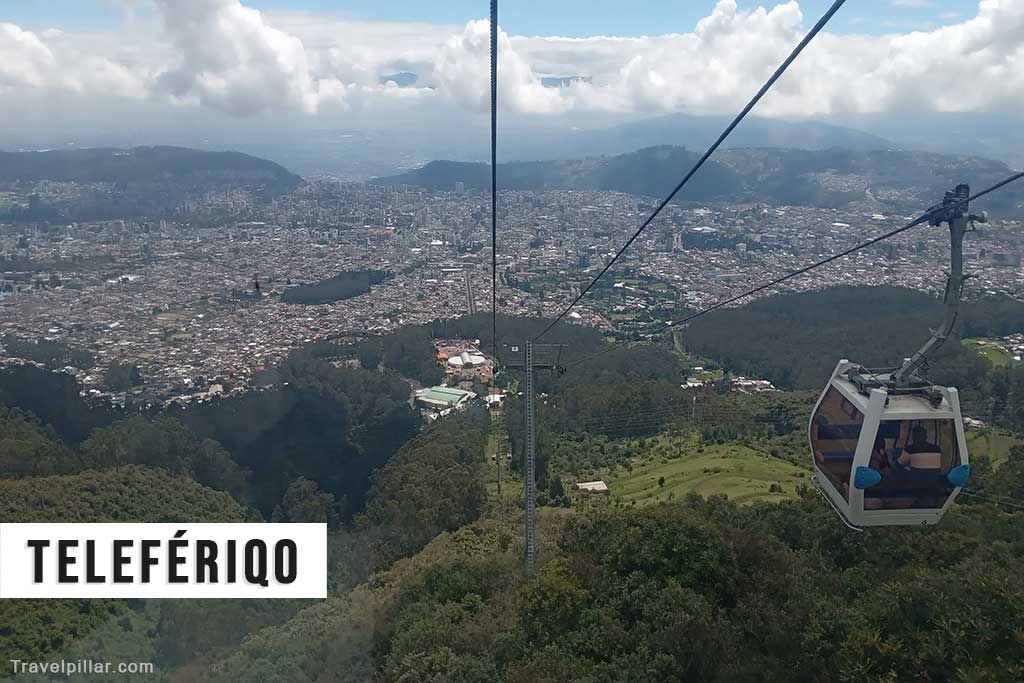
The TelefériQo is a cable car system that carries visitors from the edge of Quito up the slopes of Pichincha Volcano, reaching over 4,000 metres. From the top, there are expansive views of Quito and the surrounding Andes. The area serves as a starting point for hiking trails, including routes to the summit of Rucu Pichincha. The TelefériQo highlights Quito’s setting within the high Andes and its proximity to volcanic landscapes.
Official website: https://teleferico.com.ec
Google map 4.6/5
Parque La Carolina
Parque La Carolina is one of Quito’s largest urban parks, located in the modern business district. It contains botanical gardens, a reptile house, sports facilities, and open spaces for recreation. The park is surrounded by skyscrapers and shopping centres, contrasting with the historic centre. La Carolina is a hub of daily life for residents and illustrates the role of green spaces in the city’s contemporary urban environment.
Google map 4.5/5
Museo Nacional del Ecuador
The Museo Nacional del Ecuador, located in Quito, presents the country’s history and culture through archaeological, colonial, and modern collections. Exhibits include pre-Columbian artifacts, religious art from the colonial period, and works by Ecuadorian modern artists. The museum provides a comprehensive overview of Ecuador’s heritage, from Indigenous societies to the present. It is considered the country’s most important museum and a central institution for understanding Ecuadorian identity.
Official website: https://www.culturaypatrimonio.gob.ec (only Spanish)
Google map 4.6/5