

Barcelona is the capital and largest city of the autonomous community of Catalonia. It is located on the coast of northeastern Spain. Barcelona has a rich cultural heritage and is a major tourist destination being the fifth most visited city in Europe after London, Paris, Istanbul and Rome.
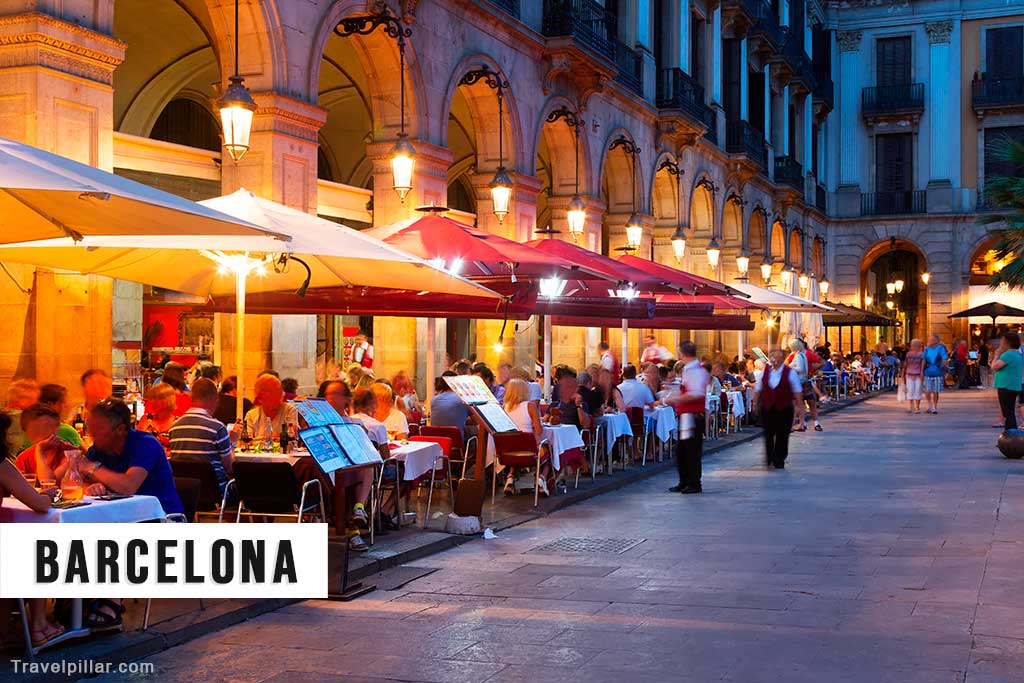
Reasons to visit Barcelona include its mild and warm climate, excellent beaches, historical monuments including eight UNESCO World Heritage Sites and a developed tourist infrastructure.
Official tourism website:
https://www.spain.info
https://www.barcelonaturisme.com
Google map of Barcelona
The Best Things to Do in Barcelona
#1 La Sagrada Familia
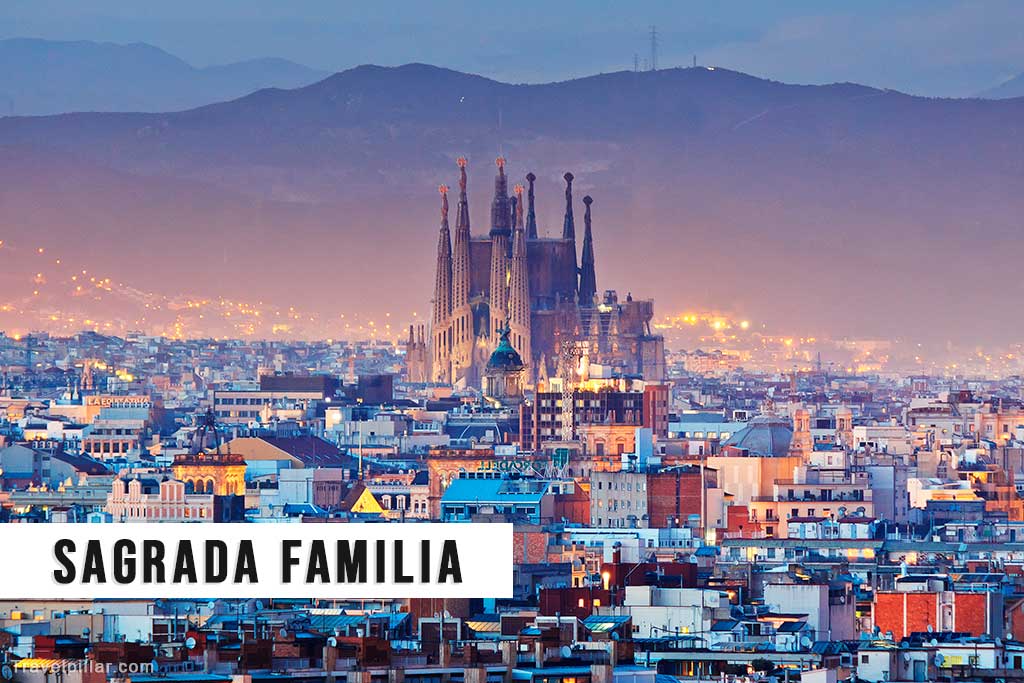
La Sagrada Familia is a world-renowned Roman Catholic basilica situated in Barcelona, Spain. Designed by the visionary architect Antoni Gaudí, the basilica’s construction began in 1882 and is still in progress. La Sagrada Familia showcases a remarkable fusion of Gothic and Art Nouveau styles, embodying religious and natural motifs throughout. The completed structure will feature 18 spires, with the central one soaring to 172.5 meters. As a UNESCO World Heritage Site, La Sagrada Familia is an essential destination for visitors to Barcelona.
Official website: https://sagradafamilia.org/en/
Google map 4.7/5
#2 Gothic Quarter
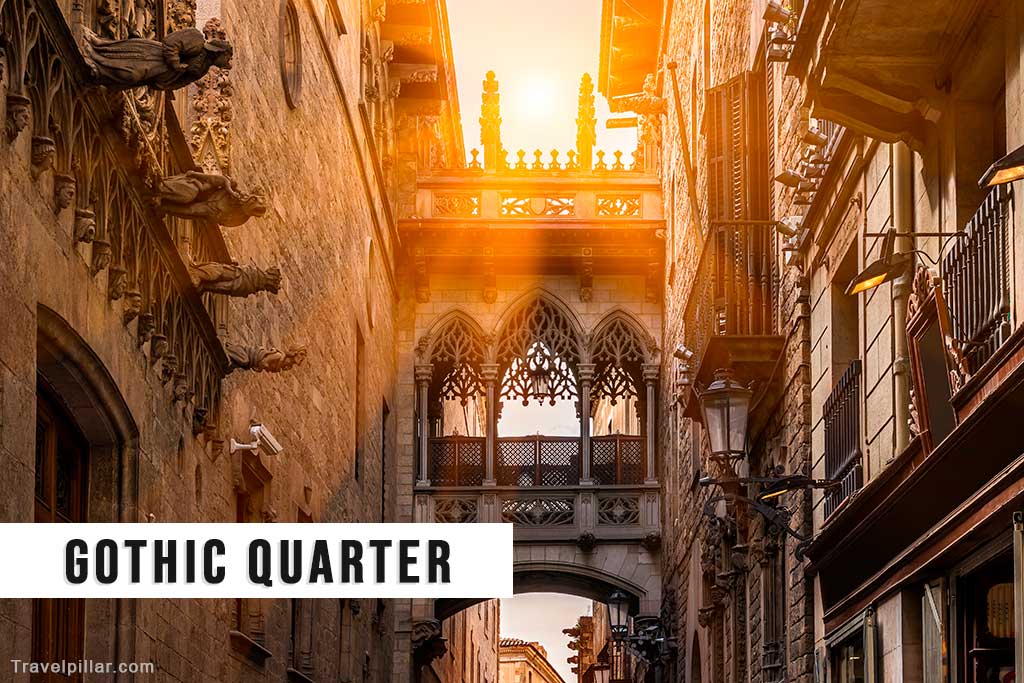
The Gothic Quarter, or Barri Gòtic, is an atmospheric historic neighborhood nestled in the heart of Barcelona. With its labyrinthine, winding streets and beautifully preserved medieval architecture, the Gothic Quarter offers a captivating journey through time. Notable landmarks include Plaça del Rei, a medieval square framed by regal buildings, and Plaça de Sant Jaume, home to the city’s administrative core. In addition, the area boasts an array of museums, galleries, and restaurants, granting visitors a rich and immersive cultural experience.
#3 Barcelona Cathedral
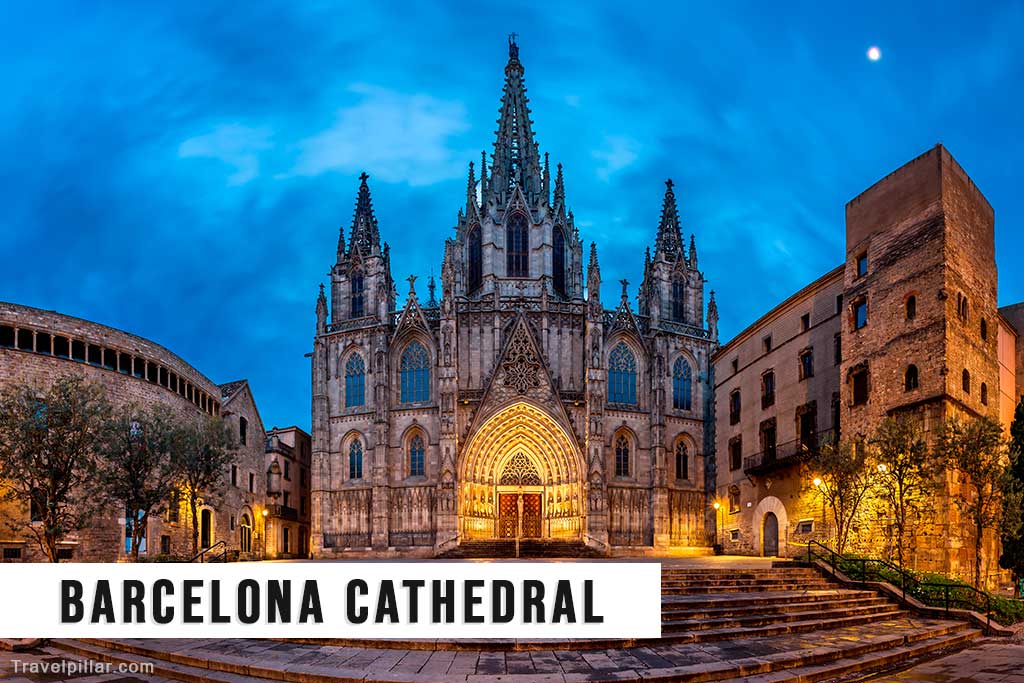
The Cathedral of the Holy Cross and Saint Eulalia (Catalan: Catedral de la Santa Creu i Santa Eulàlia) is more commonly known as Barcelona Cathedral.
Construction of the present church began in 1298 under King Jaume II. War and plagues slowed down the construction and the main building was only completed in 1460. In the late 19th century a neo-Gothic facade was added.
The cathedral has a secluded Gothic cloister where 13 white geese are kept, the number due to the fact that Saint Eulalia was only 13 when she was martyred. Saint Eulalia is the co-patron saint of Barcelona who, according to Catholic tradition, was a 13 year old Roman Christian virgin who confronted the authorities over the injust persecution of Christians taking place in the city at that time. She was captured, humiliated, tortured and crucified. Upon her death a dove is supposed to have flown forth from her mouth followed by a sudden snowstorm that covered her body. For the full gruesome story see the following link: https://en.wikipedia.org/wiki/Eulalia_of_Barcelona
Official website: https://catedralbcn.org/en/
Google map 4.6/5
#4 Basilica de Santa Maria del Mar
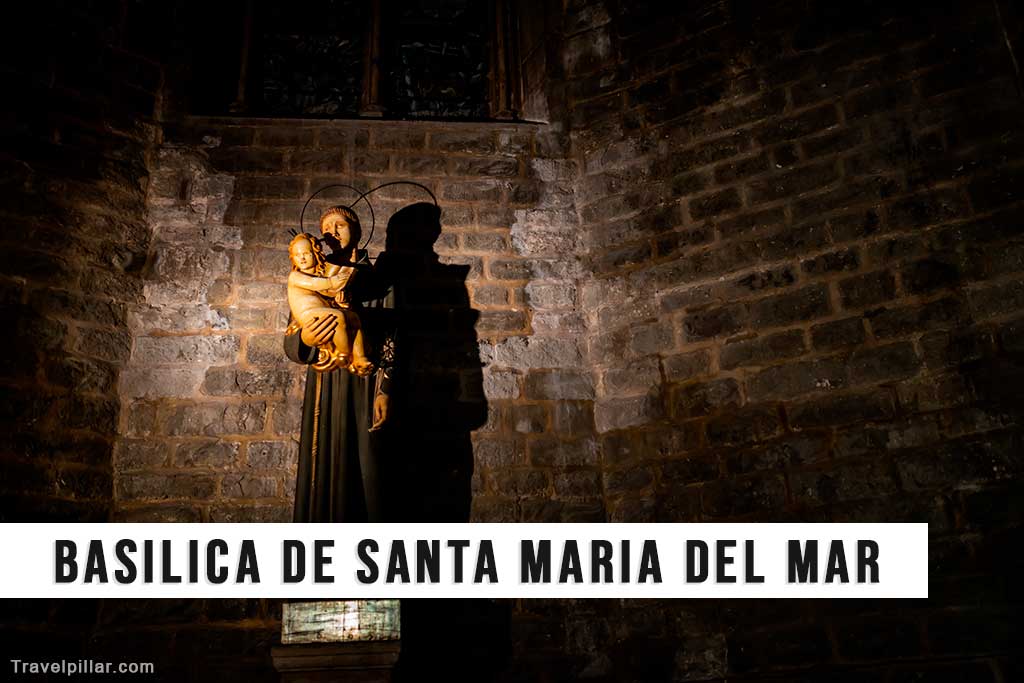
The Basilica de Santa Maria del Mar (Saint Mary of the Sea) is an awe-inspiring 14th-century Gothic church located in the Ribera district of Barcelona. Masterminded by architects Berenguer de Montagut and Ramon Despuig, the basilica was completed in 1383. Santa Maria del Mar is celebrated for its harmonious proportions, striking rose window, and imposing octagonal towers that flank the main façade. The peaceful interior houses numerous chapels and artistic masterpieces, establishing the basilica as a significant religious and cultural landmark in Barcelona.
Official website: https://www.santamariadelmar.barcelona/en/
Google map 4.7/5
#5 La Rambla

La Rambla is a 1.2 kilometre long boulevard in the centre of Barcelona. When visiting the city it is the one place that all visitors are bound to pass through. The middle section of the boulevard is pedestrian-only. Along the route which stretches from the Canaletes fountain to the Columbus Monument there are many historic buildings including the Palau de la Virreina (18th century palace which now hosts cultural exhibitions and events) as well as the Merchant de la Boqueria food market (see below)
Google map 4.5/5
#6 Mercat de la Boqueria
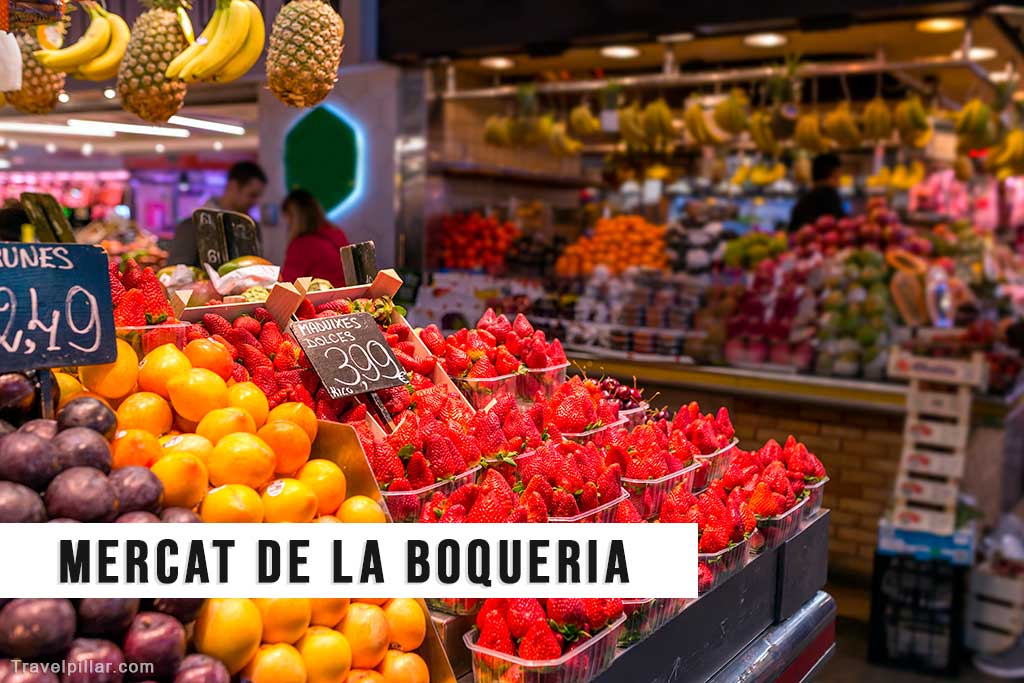
Mercat de la Boqueria, officially known as Mercat de Sant Josep de la Boqueria, is a bustling public market located just off La Rambla in Barcelona. Established in the early 13th century, it has evolved into a vibrant and colorful gastronomic hub. The market houses a diverse array of vendors, offering fresh produce, meats, seafood, cheeses, and specialty foods. Visitors can also enjoy a variety of tapas bars and food stalls, making Mercat de la Boqueria an essential stop for food lovers exploring Barcelona.
Official website: https://www.boqueria.barcelona/
Google map 4.5/5
#7 Palau de la Musica Catalana

The Palau de la Musica Catalana (Palace of Catalan Music) is a stunning concert hall and architectural masterpiece in the heart of Barcelona. Designed by Lluís Domènech i Montaner, it was completed in 1908 and stands as an exceptional example of Catalan Modernisme. The building features intricate mosaics, stained glass windows, and a remarkable central skylight. The concert hall hosts a wide range of performances, including classical music, jazz, and traditional Catalan music. A UNESCO World Heritage Site, the Palau de la Musica Catalana offers guided tours and unforgettable concerts.
Official website: https://www.palaumusica.cat/en
Google map 4.7/5
#8 Passeig de Gracia

Passeig de Gràcia is a sophisticated, tree-lined boulevard located in the Eixample district of Barcelona. Originally designed as an extension of the city in the 19th century, Passeig de Gracia now serves as a hub for luxury shopping, fine dining, and modernist architecture. The avenue is home to notable landmarks such as Casa Batlló, La Pedrera – Casa Milà, and Casa Amatller. With its elegant ambiance and architectural splendors, Passeig de Gracia provides a luxurious and culturally enriching experience for visitors.
Google map 4.7/5
#9 La Pedrera – Casa Mila

Casa Mila is commonly known as La Pedrera which means “stone quarry” and derived from the unconventional rough-hewn appearance. This iconic modernist building was designed by Antoni Gaudí and is situated on the prestigious Passeig de Gracia. Completed in 1912, the structure’s undulating façade and organic forms are emblematic of Gaudí’s distinctive style. The rooftop features a collection of unique chimneys and offers panoramic views of Barcelona. La Pedrera, which is also a UNESCO World Heritage Site, houses a museum, temporary exhibitions, and cultural events.
Official website: https://www.lapedrera.com/en/
Google map 4.6/5
#10 Casa Batllo

Casa Batlló, another masterpiece by Antoni Gaudí, is a remarkable modernist building located on Passeig de Gracia in Barcelona. Completed in 1906, the façade is adorned with colorful ceramics, intricate ironwork, and organic shapes, giving the impression of a house of bones. The interior features a central light well and imaginative design elements inspired by marine life. Casa Batlló, a UNESCO World Heritage Site, offers guided tours and interactive experiences, allowing visitors to explore Gaudí’s creative genius and artistic vision.
Official website: https://www.casabatllo.es/en/
Google map 4.6/5
#11 Parc Guell
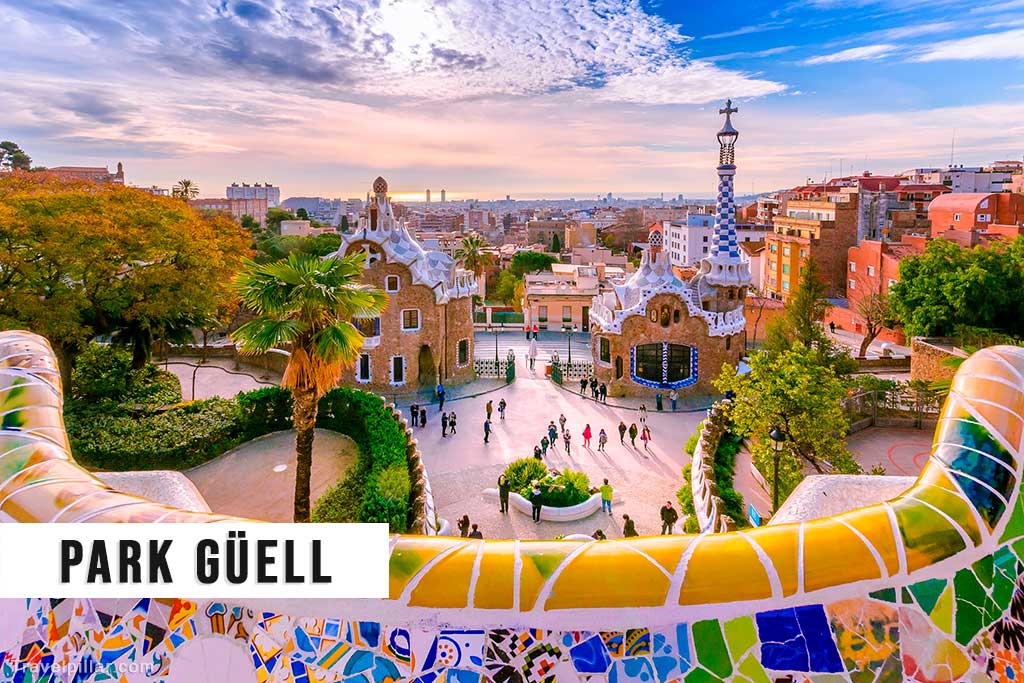
Parc Guell is a sprawling public park and garden complex designed by Antoni Gaudí, located in the Gràcia district of Barcelona. Commissioned by Eusebi Güell in 1900, the park was initially intended as a residential development but was later transformed into a public space. Parc Guell features Gaudí’s signature organic forms, vibrant mosaics, and whimsical architectural elements, such as the serpentine bench and the iconic dragon staircase. The park offers breathtaking panoramic views of the city and is a UNESCO World Heritage Site.
Official website: https://parkguell.barcelona/en
Google map 4.4/5
#12 Museu Nacional d’Art de Catalunya – National Museum of Catalan Art
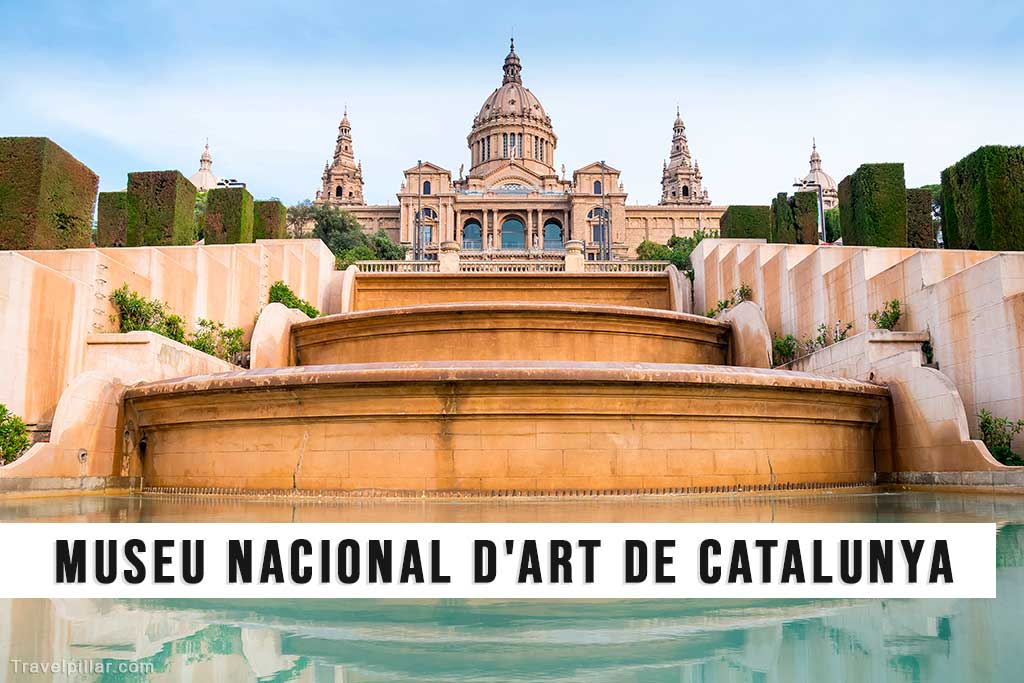
Museu Nacional d’Art de Catalunya (Național Museum of Catalan Art) is a prominent art museum situated in the majestic Palau Nacional on Montjuïc Hill in Barcelona. Established in 1934, the museum boasts an extensive collection of Catalan art, spanning from the Romanesque period to the mid-20th century. Highlights include Romanesque frescoes, Gothic altarpieces, Renaissance paintings, and modernist masterpieces. The museum also hosts temporary exhibitions and cultural events, making it a key destination for art enthusiasts visiting Barcelona.
Official website: https://www.museunacional.cat/en
Google map 4.6/5
#13 Font Magica (Magic Fountain of Montjuïc) – FREE
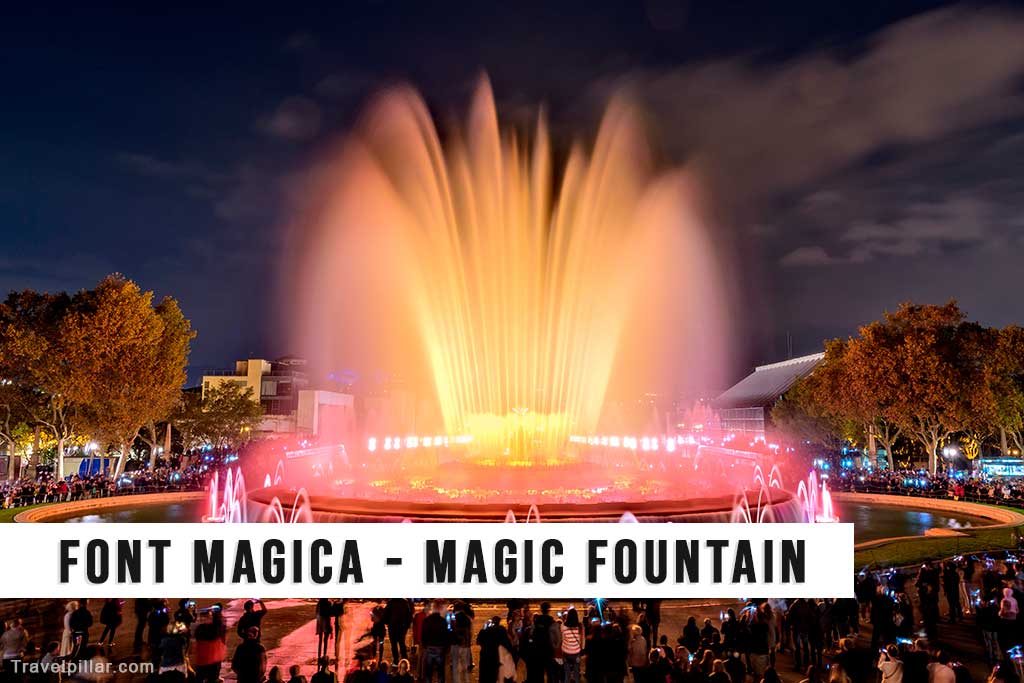
Font Magica, or the Magic Fountain, is a spectacular light and water show located at the base of Montjuïc Hill in Barcelona. Designed by Carles Buïgas for the 1929 International Exposition, the fountain has become a popular evening attraction. The Font Magica features a mesmerizing display of water jets, illuminated by colorful lights and accompanied by music, ranging from classical to contemporary. The shows are free to attend and offer a memorable experience for visitors of all ages. Check website for show times.
Official website: https://www.barcelona.cat/en/
Google map 4.6/5
#14 Fundacio Joan Miro
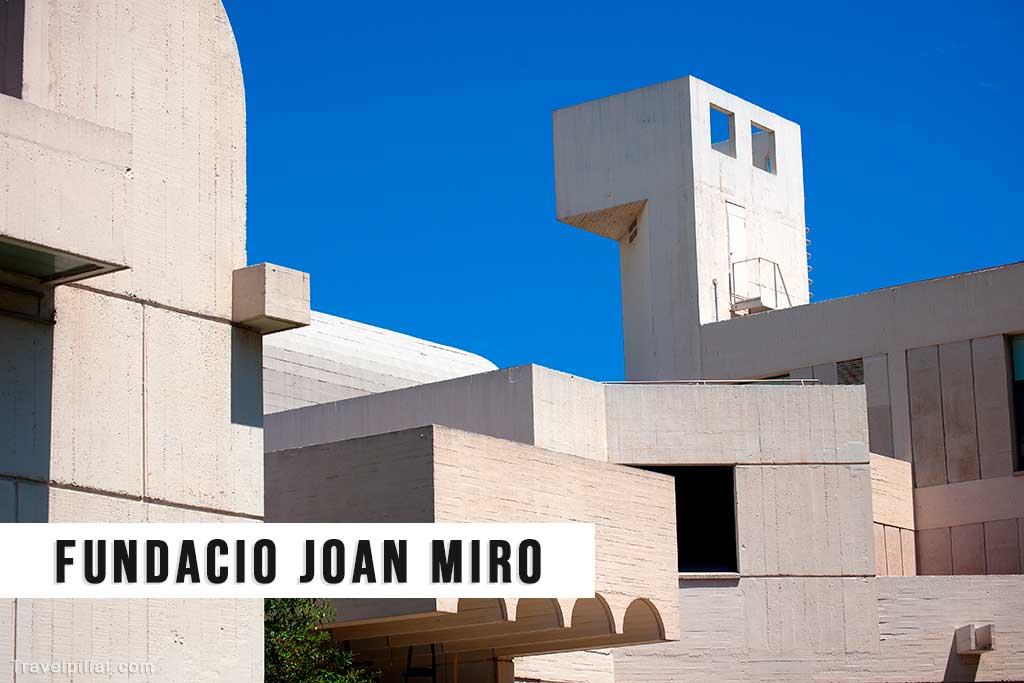
Fundacio Joan Miro is a modern art museum dedicated to the life and work of Catalan artist Joan Miró. Nestled on Montjuïc Hill in Barcelona, the museum was designed by architect Josep Lluís Sert and inaugurated in 1975. The collection includes paintings, sculptures, textiles, and ceramics, showcasing Miró’s innovative techniques and vivid imagination. Fundacio Joan Miro also features works by other contemporary artists, as well as temporary exhibitions and educational programs, making it a vital center for modern art in Barcelona.
Official website: https://www.fmirobcn.org/en/
Google map 4.5/5
#15 Barceloneta Beach

Barceloneta Beach (Platja de la Barceloneta) is a popular beach for sunbathing and swimming. At weekends and summer holidays it can get very busy with students and foreign tourists. Facilities include lifeguards, toilets, deckchair and parasol hire as well as several waterfront bars, cafes and restaurants. There are many other good beaches that are quieter as you walk north along the coast.
Google map 4.4/5
#16 Picasso Museum – Museu Picasso de Barcelona
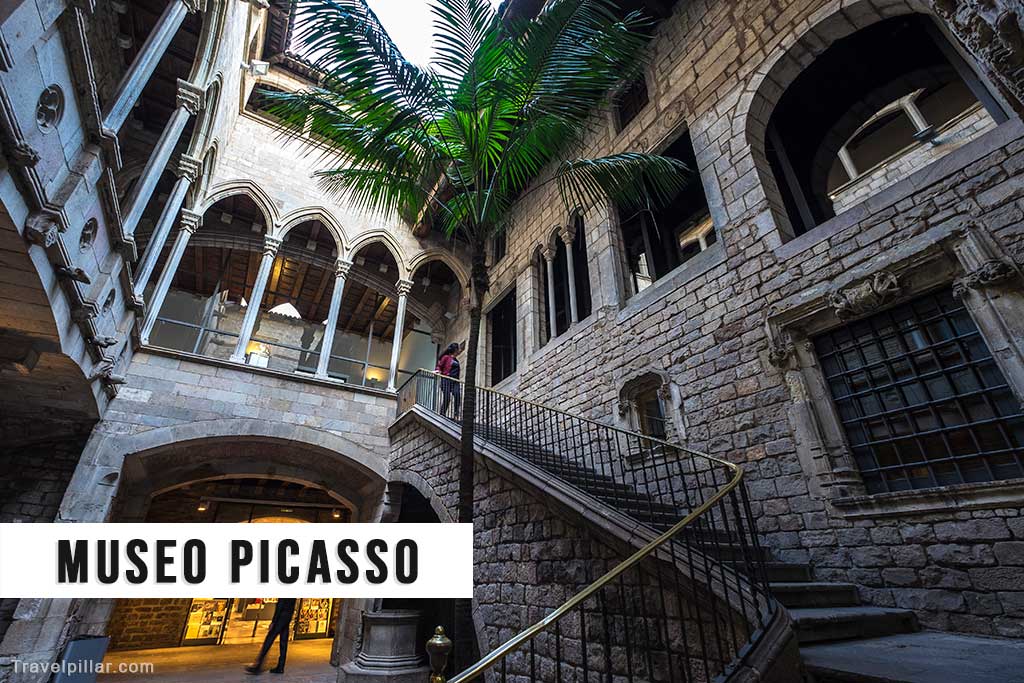
The Picasso Museum (Museu Picasso de Barcelona) is located in the historic El Born neighborhood of Barcelona and is dedicated to the life and work of Spanish artist Pablo Picasso. Inaugurated in 1963, the museum houses an extensive collection of Picasso’s early works, as well as his later Cubist masterpieces. The museum is spread across five adjoining medieval palaces, adding a unique historical charm to the experience. Through guided tours, educational programs, and temporary exhibitions, the Picasso Museum offers visitors an intimate look at the artist’s creative journey and lasting impact on modern art.
Official website: https://museupicassobcn.cat/en/
Google map 4.4/5
#17 Museu d’Art Contemporani
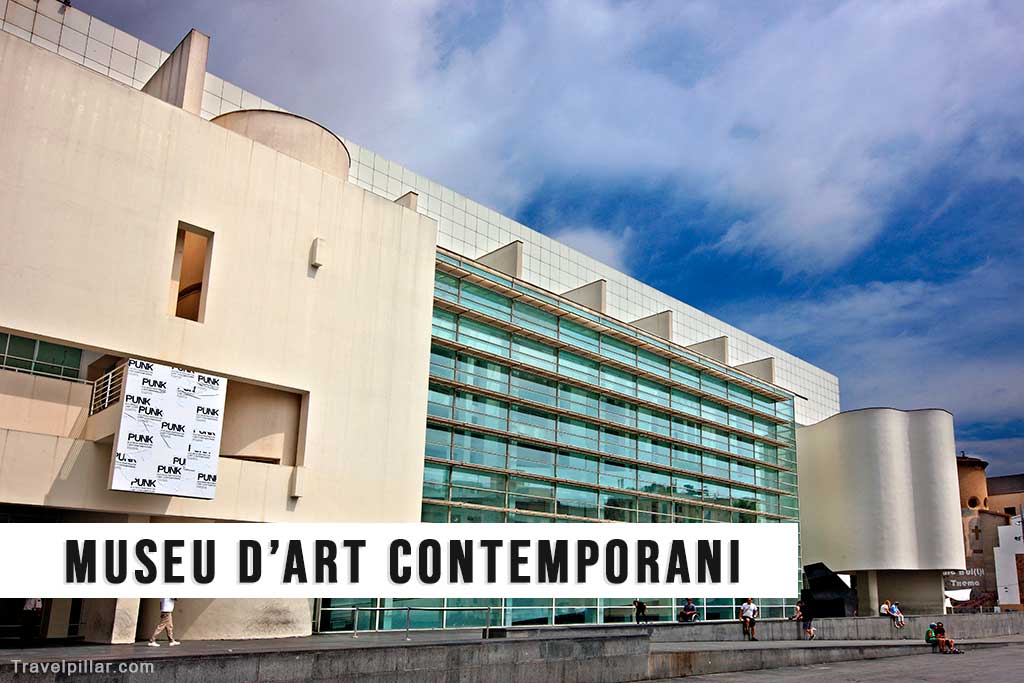
Barcelona Museum of Contemporary Art – Museu d’Art Contemporani de Barcelona (MACBA) is a striking contemporary art museum situated in the vibrant Raval neighborhood. Designed by American architect Richard Meier, the museum opened in 1995 and features a sleek, modern façade. MACBA’s collection focuses on post-1945 Catalan, Spanish, and international art, including works by artists such as Antoni Tàpies, Jean-Michel Basquiat, and Anish Kapoor. In addition to its permanent collection, the museum hosts temporary exhibitions, educational programs, and cultural events, making it a central hub for contemporary art in Barcelona.
Official website: https://www.macba.cat/en/
Google map 4.3/5
Barcelona Street Art
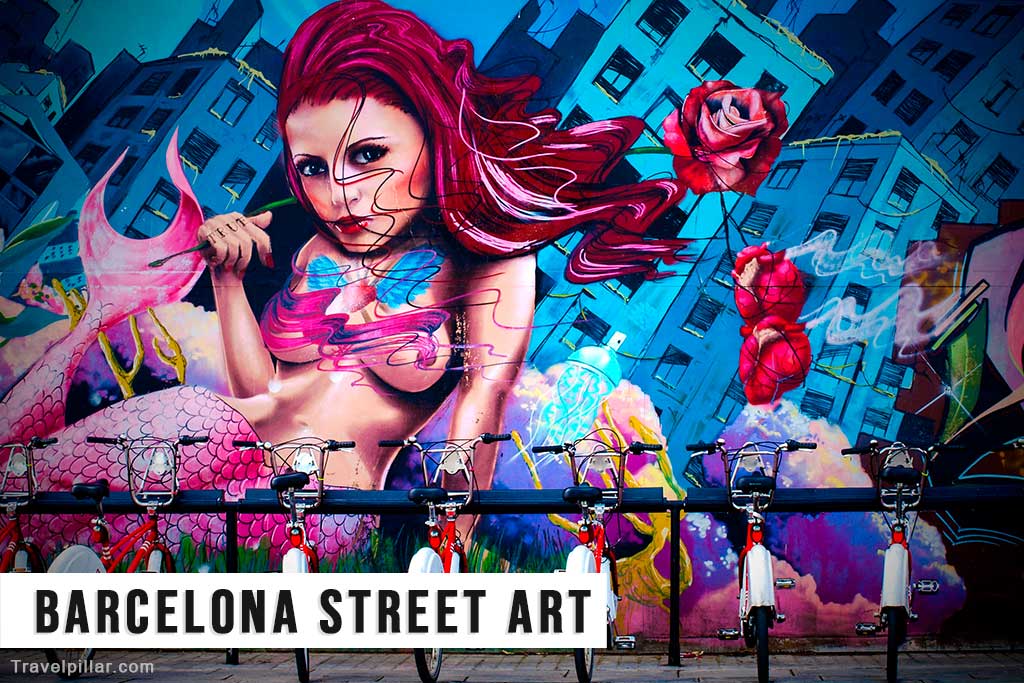
Barcelona features a diverse street art scene, particularly visible in neighborhoods like El Raval and Poblenou. Murals, stencils, and graffiti range from political commentary to abstract compositions. Legal and commissioned works coexist with unauthorized pieces, reflecting the city’s dynamic urban culture. Projects such as the Open Walls Conference and MUHBA’s interventions highlight evolving attitudes toward public art. Street art contributes to Barcelona’s identity as a centre of contemporary visual expression.
Monasterio de Pedralbes
Monasterio de Pedralbes is a serene and well-preserved Gothic monastery nestled in the Pedralbes neighborhood of Barcelona. Founded in 1326 by Queen Elisenda de Montcada, the monastery was home to the Order of Saint Clare. The complex features an elegant three-story cloister, a striking Gothic church, and living quarters that offer a glimpse into the lives of the nuns who once resided there. Monasterio de Pedralbes also houses a museum displaying religious art and artifacts, providing visitors with a captivating experience of medieval monastic life.
Google map 4.6/5
Montjuïc Castle
Montjuïc Castle, perched atop Montjuïc Hill, is a historic fortress with commanding views of Barcelona and the surrounding harbor. Originally built as a military watchtower in the 17th century, the castle has played various roles throughout history, including serving as a prison and a military base. Today, Montjuïc Castle is a popular cultural and recreational destination, hosting exhibitions, concerts, and other events. Visitors can explore the castle grounds, take guided tours, and enjoy the panoramic vistas from the fortress walls.
Google map 4.4/5
Güell Palace
Güell Palace, located in Barcelona’s El Raval neighborhood, is a striking modernist mansion designed by Antoni Gaudí. Commissioned by the wealthy industrialist Eusebi Güell, the palace was completed in 1890 and served as the Güell family’s residence until the early 20th century. The building’s façade features intricate wrought ironwork, while the interiors showcase Gaudí’s signature organic forms and innovative use of space. A UNESCO World Heritage Site, Güell Palace offers guided tours that provide a fascinating insight into Gaudí’s early work and the opulent lifestyle of the Güell family.
Google map 4.6/5
Arco de Triunfo de Barcelona
Arco de Triunfo de Barcelona is an impressive archway located at the entrance to the Passeig de Lluís Companys. Designed by architect Josep Vilaseca i Casanovas, it was built for the 1888 Barcelona Universal Exposition. The arch features a Neo-Mudéjar style and is adorned with intricate brickwork, sculptures, and friezes. While it was initially constructed as a gateway to the exposition, today, the Arco de Triunfo de Barcelona serves as a popular landmark and gathering spot for various events and celebrations.
Google map 4.6/5
Montserrat
Montserrat is a spectacular mountain range located approximately 30 kilometers northwest of Barcelona. Home to the Santa Maria de Montserrat Abbey, the area is known for its unique rock formations, panoramic views, and spiritual significance. The abbey houses the revered Black Madonna statue, La Moreneta, which attracts countless pilgrims and visitors each year. Montserrat offers various activities, such as hiking, rock climbing, and taking the funicular to the summit. It is an ideal destination for nature lovers and those seeking a spiritual retreat.
Google map 4.8/5
Camp Nou
Camp Nou is the iconic home stadium of FC Barcelona, one of the world’s most famous football clubs. Inaugurated in 1957, Camp Nou is the largest stadium in Europe, with a seating capacity of approximately 99,000. Visitors can take guided tours, explore the FC Barcelona Museum, or attend a thrilling football match. The Camp Nou Experience offers a unique behind-the-scenes look at the stadium, including the dressing rooms, press area, and players’ tunnel, making it a must-visit attraction for football enthusiasts.
Google map 4.6/5
Tibidabo
Tibidabo is a mountain overlooking Barcelona, offering breathtaking views of the city and the Mediterranean Sea. At its peak, Tibidabo is home to the Sagrat Cor Church, a beautiful Neo-Gothic basilica with a statue of the Sacred Heart at its summit. The mountain also features the historic Tibidabo Amusement Park, which dates back to 1901 and offers vintage rides and attractions. To reach the top, visitors can take the Tibidabo Funicular, a charming century-old railway that adds to the Tibidabo experience.
Google map 4.5/5
Ciutadella Park
Ciutadella Park is a sprawling green space located in the heart of Barcelona, providing a relaxing oasis for both residents and visitors. Established in the 19th century, the park features numerous attractions, including the picturesque Cascada Monumental, a large ornate fountain designed by Josep Fontserè and Antoni Gaudí. The park also houses the Barcelona Zoo, the Catalan Parliament, and several museums. With its lush gardens, boating lake, and ample space for leisure activities, Ciutadella Park is an ideal spot for relaxation and recreation.
Google map 4.6/5
Museu de la Ciència CosmoCaixa (Science Museum)
Museu de la Ciència CosmoCaixa is an interactive science museum situated in the uptown area of Barcelona. Inaugurated in 2004, the museum offers a wide range of exhibits and hands-on activities designed to engage visitors of all ages. Key attractions include the Geological Wall, the Flooded Forest, and the Planetarium. CosmoCaixa also hosts temporary exhibitions, workshops, and conferences, making it an important center for science education and exploration. A visit to CosmoCaixa is both an entertaining and educational experience for the entire family.
Google map 4.6/5
Taste Local Cuisine
Barcelona has a fantastic food scene, with a rich culinary heritage that incorporates fresh ingredients and unique flavors. One of the most famous dishes is paella, a rice-based dish that typically contains seafood or meat. Tapas, small plates of food that are perfect for sharing, are also a must-try. You can find a wide variety of tapas in Barcelona, from traditional options like patatas bravas and croquettes to more modern twists. For dessert, don’t miss out on trying Catalan cream, a rich custard topped with caramelized sugar. The city also boasts many excellent restaurants, from Michelin-starred fine dining to casual neighborhood spots.
Watch a Flamenco Show
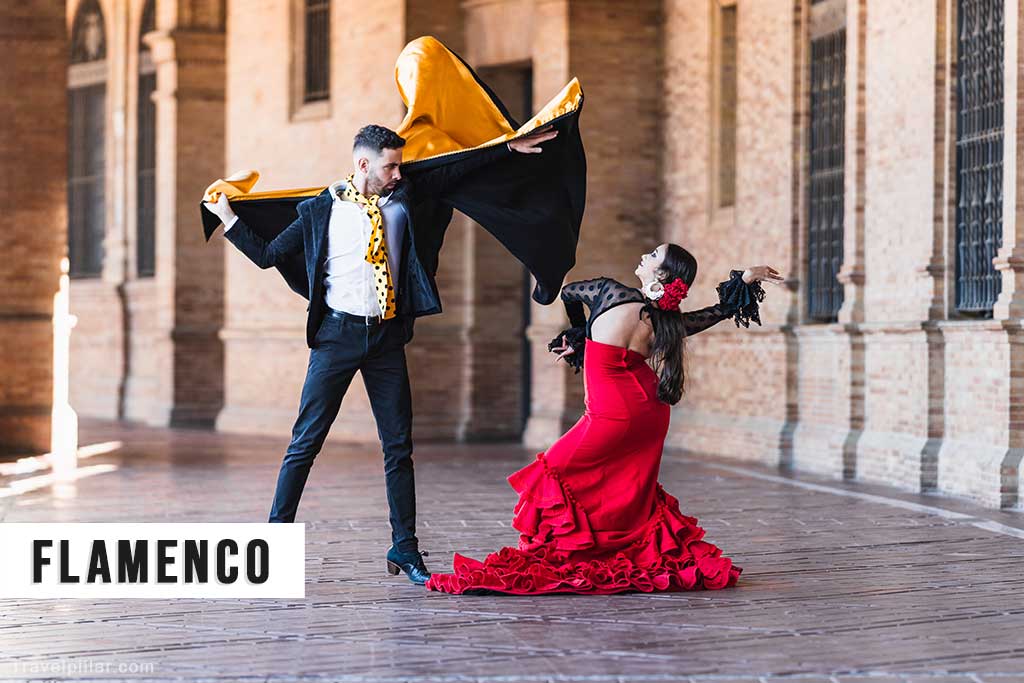
Flamenco is a traditional style of dance and music that originated in southern Spain and has become a popular cultural attraction throughout the country. Barcelona has several venues that offer flamenco shows, featuring dancers, singers, and musicians who showcase the passionate rhythms and movements of the art form. Watching a flamenco show is a great way to experience the vibrant culture of Spain and get a glimpse into the country’s history and traditions.
Go Shopping
Barcelona is a shopper’s paradise, with a wide range of options for every budget and taste. You can find luxury boutiques and high-end brands in the upscale Passeig de Gracia area, as well as quirky vintage stores and independent shops in the trendy El Born and Gracia neighborhoods. La Rambla is also a popular shopping destination, with its bustling street markets and souvenir shops. If you’re looking for a unique shopping experience, head to one of the city’s many outdoor markets, such as the Mercat de la Boqueria, where you can find fresh produce, seafood, and other local specialties.
Enjoy the Nightlife
Barcelona is known for its lively nightlife, with a wide variety of bars, clubs, and music venues to choose from. The city has a vibrant music scene, with everything from traditional Catalan folk music to indie rock and electronic dance music. Some of the most popular areas for nightlife include El Raval, which has a bohemian vibe and plenty of bars and clubs, and the beachfront area of Barceloneta, where you can dance the night away at one of the many beach clubs. The city also hosts several music festivals throughout the year, such as Primavera Sound and Sónar, which showcase international and local acts.