
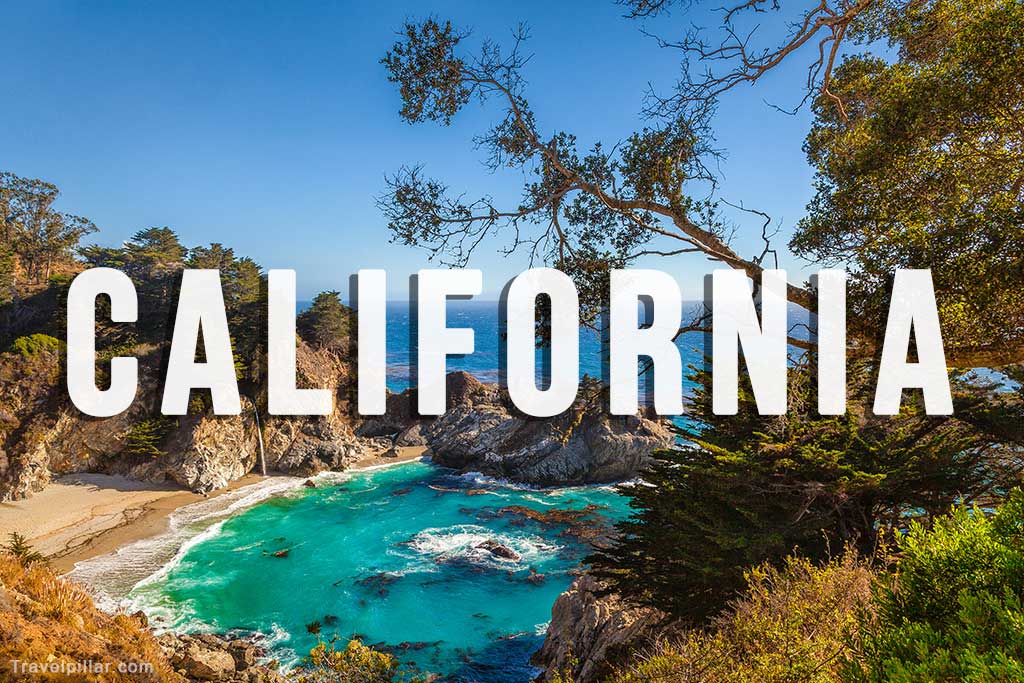
California, on the Pacific coast of the United States, is the country’s most populous state and one of its most geographically diverse. Its landscapes range from deserts and alpine mountains to fertile valleys and a long ocean shoreline. These natural settings have shaped both settlement and tourism.
The state developed through Spanish colonisation, the Gold Rush, and the rise of agriculture and industry. In the 20th century, California became internationally recognised for its influence in film, technology, and cultural innovation. Its major cities reflect these traditions, combining history with modern growth.
Today, California is valued for both its natural landmarks and urban centres. National parks protect some of North America’s most iconic landscapes, while cities such as San Francisco, Los Angeles, and San Diego remain leading cultural destinations. Together, they illustrate the variety that makes California one of the most visited states in the United States.
The Best Things to Do in California
1. San Francisco

San Francisco is known for its hilly streets, Victorian houses, and coastal setting. Landmarks include the Golden Gate Bridge, Alcatraz Island, and Fisherman’s Wharf. Neighbourhoods such as Chinatown and Haight-Ashbury reflect the city’s cultural diversity. Cable cars, steep streets, and waterfront views contribute to its distinctive urban character. San Francisco remains one of California’s most recognisable and frequently visited cities.
2. Yosemite National Park
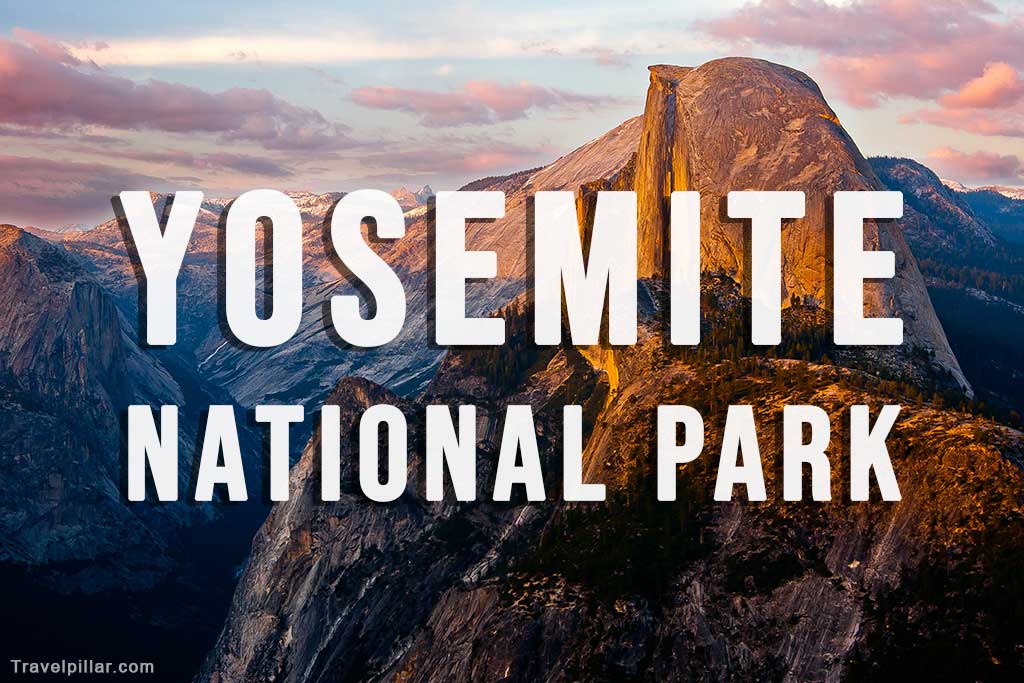
Yosemite National Park, designated in 1890, protects granite cliffs, waterfalls, and sequoia groves in the Sierra Nevada. Notable features include El Capitan, Half Dome, and Yosemite Falls. The park supports a variety of wildlife and offers opportunities for hiking, climbing, and camping. Designated a UNESCO World Heritage Site, Yosemite represents the importance of conservation in the United States and remains one of its most visited natural areas.
3. Los Angeles

Los Angeles is the largest city in California and the centre of the American film and television industry. Hollywood, the Walk of Fame, and the Hollywood Sign are internationally recognised symbols. Beyond entertainment, Los Angeles is known for its beaches, cultural institutions such as the Getty Center, and diverse neighbourhoods. The city reflects California’s influence on global culture and remains a major urban destination.
4. Death Valley National Park
Death Valley National Park lies on the border of California and Nevada and is the hottest and driest region in North America. Landmarks include Badwater Basin, the lowest point in the continent, Zabriskie Point, and Dante’s View. Despite extreme conditions, the park supports unique ecosystems. Its varied landscapes of salt flats, sand dunes, and mountains make it a distinctive environment within California’s desert regions.
5. Sequoia and Kings Canyon National Parks
Sequoia and Kings Canyon National Parks, managed jointly, contain giant sequoia trees, deep valleys, and mountain landscapes. The General Sherman Tree, the largest by volume in the world, is one of the highlights. Kings Canyon offers steep gorges and wilderness areas. Together, the parks illustrate California’s ecological richness and the importance of preserving unique natural habitats in the Sierra Nevada range.
6. San Diego

San Diego, near the border with Mexico, is known for its coastal setting and mild climate. Its historic Old Town preserves early Spanish heritage, while Balboa Park contains museums and the San Diego Zoo. The city is also recognised for its naval base, beaches, and proximity to Baja California. San Diego reflects both regional history and contemporary urban development along the Pacific coast.
7. Napa Valley
Napa Valley, north of San Francisco, is one of the most important wine regions in the United States. Its vineyards produce internationally recognised wines, particularly Cabernet Sauvignon. Visitors can tour wineries, attend tastings, and explore the surrounding countryside. Wine production has shaped both the economy and cultural identity of the area, making Napa Valley a leading destination for viticulture and tourism.
8. Big Sur
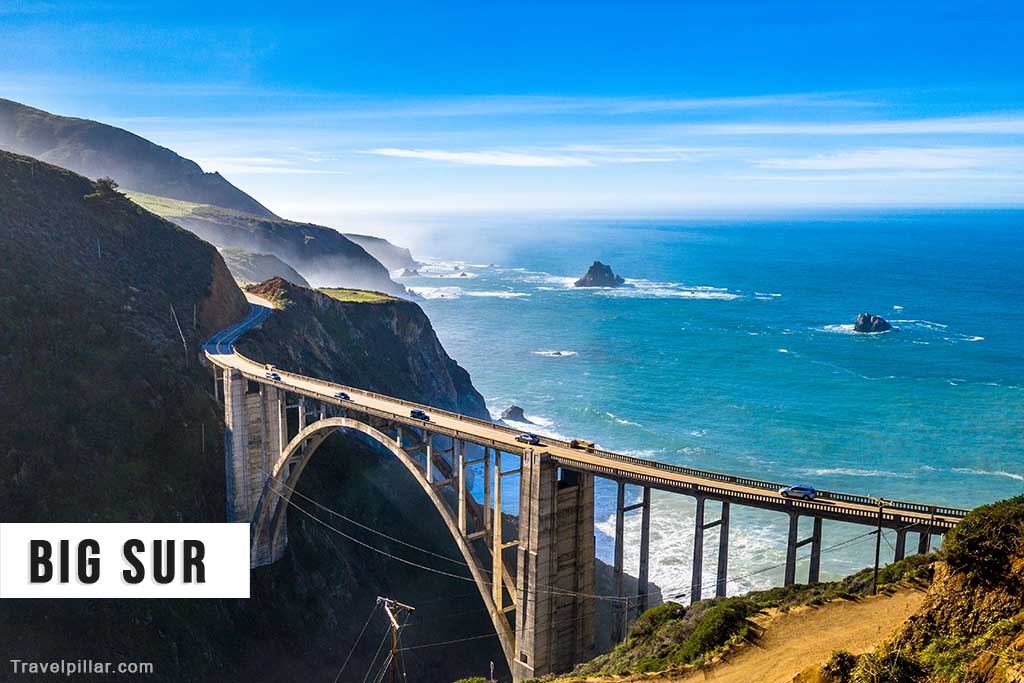
Big Sur is a rugged section of California’s central coastline along Highway 1. Steep cliffs rise above the Pacific Ocean, with viewpoints such as Bixby Creek Bridge offering dramatic scenery. State parks protect forests, waterfalls, and beaches, providing hiking trails and campsites. Big Sur represents the natural beauty of California’s coast and remains one of the state’s most celebrated scenic landscapes.
9. Lake Tahoe
Lake Tahoe, on the border of California and Nevada, is the largest alpine lake in North America. Surrounded by the Sierra Nevada, it offers skiing in winter and boating, swimming, and hiking in summer. The lake’s clear waters and mountain backdrop make it a year-round destination. Resorts and towns around the shore provide access to both recreation and natural scenery.
10. Sacramento
Sacramento, California’s capital, developed during the Gold Rush of the mid-19th century. The Old Sacramento district preserves historic buildings, railways, and riverfront warehouses. The California State Capitol remains a working government building with a museum. Sacramento illustrates the state’s political history and development from frontier settlement to modern administration, complementing California’s larger urban centres and national parks as a destination.