
The history of British painters spans several centuries, beginning prominently in the 18th century with artists like Joshua Reynolds and Thomas Gainsborough, known for their portraiture and landscape painting. The 19th century introduced the Romantic landscapes of J.M.W. Turner and John Constable, along with the Pre-Raphaelite Brotherhood’s focus on detail and symbolism. The 20th century saw modernist influences through artists such as Francis Bacon and Lucian Freud, who explored themes of human psychology and form. British painting reflects diverse styles, continually evolving with the nation’s social and cultural changes.
Here is a list of the more well-known British artists, arranged in chronological order:
William Hogarth (1697-1764)

A pioneering painter and engraver, William Hogarth is known for his satirical and moralistic works that provide a window into the social and political issues of 18th-century England. His most famous works, such as “A Rake’s Progress” and “Marriage à-la-mode,” use humor and wit to critique the vices and follies of his time. Hogarth’s innovative approach to narrative art has influenced generations of artists.
Joshua Reynolds (1723-1792)

A leading portrait painter of the 18th century, Joshua Reynolds is known for his elegant and refined style, as well as his ability to capture the personality and character of his subjects. His most famous works, such as “The Strawberry Girl” and “Mrs. Siddons as the Tragic Muse,” are celebrated for their beauty and their psychological depth. Reynolds’ innovative approach to portraiture has influenced generations of artists.
George Stubbs (1724–1806)
Renowned for his equestrian portraits and depictions of animals, Stubbs mastered the anatomy of horses, creating lifelike paintings like “Whistlejacket.”
Thomas Gainsborough (1727-1788)

One of the leading portrait and landscape painters of the 18th century, Thomas Gainsborough is known for his elegant and refined style, as well as his skillful use of light and color. His most famous works, such as “The Blue Boy” and “Mr. and Mrs. Andrews,” showcase his ability to capture the beauty and grace of his subjects. Gainsborough’s innovative approach to painting has had a lasting impact on the history of art.
William Blake (1757-1827)
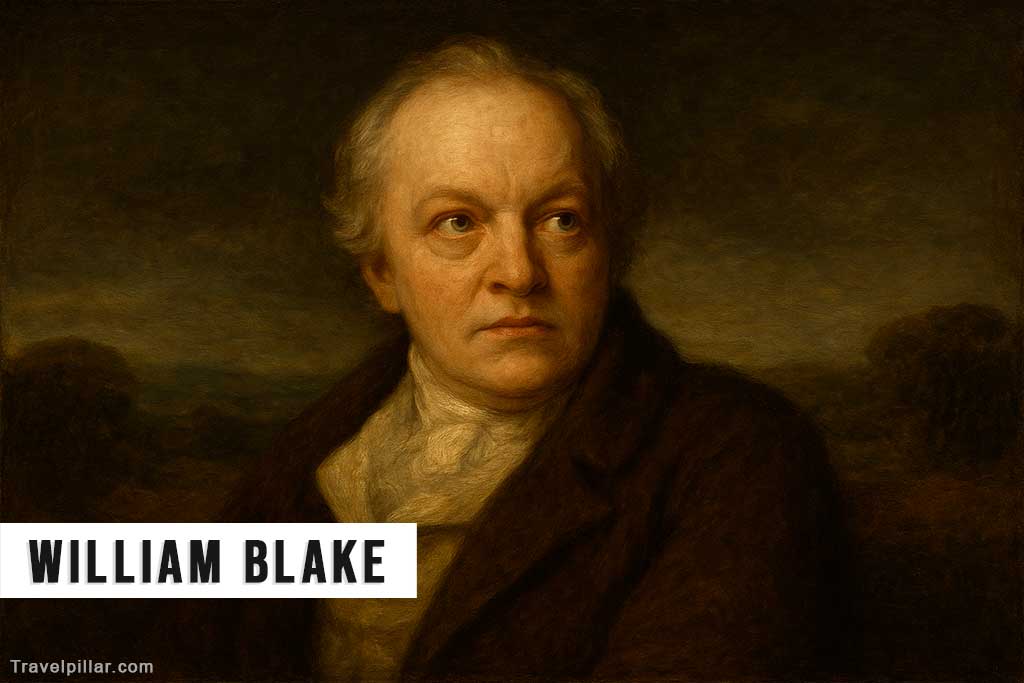
A visionary poet, painter, and printmaker, William Blake is celebrated for his mystical and spiritual works that combine elements of Romanticism, symbolism, and biblical mythology. His most famous works, such as “Songs of Innocence and of Experience” and “The Tyger,” showcase his visionary imagination and his ability to convey complex spiritual ideas through art. Blake’s innovative approach to art and his profound influence on the development of British Romanticism have made him an enduring figure in the history of art and literature.
J. M. W. Turner (1775-1851)
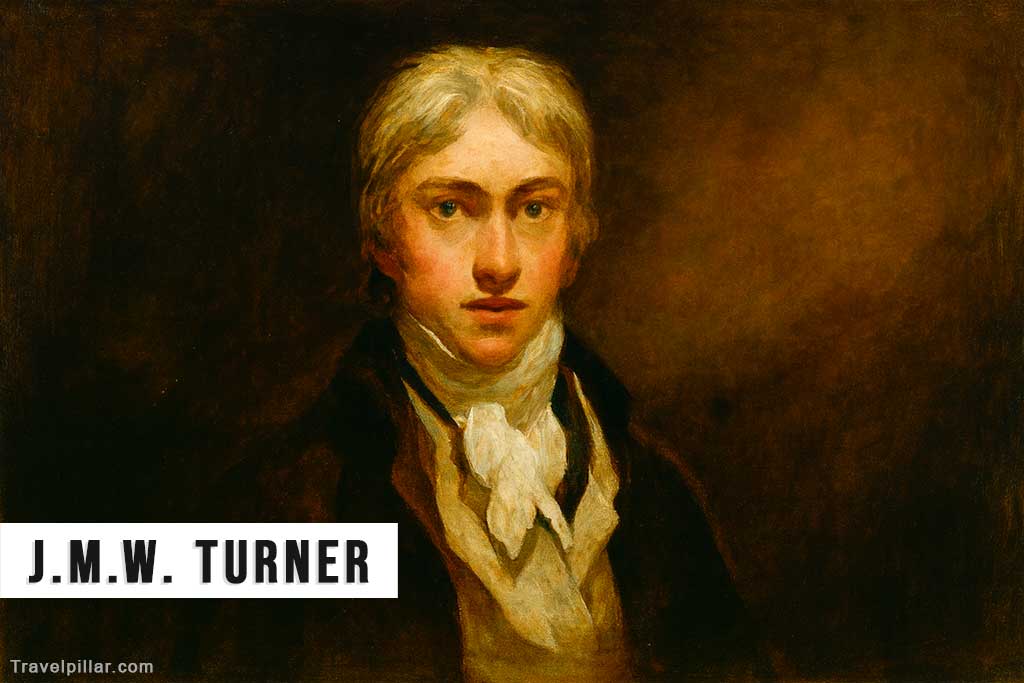
A leading figure of the Romantic movement, William Turner is known for his luminous and atmospheric paintings that captured the beauty and drama of nature. His use of light and color, as well as his innovative techniques, have had a profound influence on the development of modern art. Turner’s most famous works, such as “The Fighting Temeraire” and “Rain, Steam, and Speed,” continue to inspire and captivate audiences today.
John Constable (1776-1837)

A leading figure of the English Romantic movement, John Constable’s paintings of the English countryside are celebrated for their realism and their ability to capture the changing moods and seasons of the natural world. His works, such as “The Hay Wain” and “Flatford Mill,” are characterized by their attention to detail and their skillful use of light and color. Constable’s groundbreaking approach to landscape painting has had a lasting impact on the history of art.
Ford Madox Brown (1821–1893)
Associated with the Pre-Raphaelite movement, Brown painted works like “The Last of England,” depicting social themes with a focus on realism and historical context.
Dante Gabriel Rossetti (1828–1882)
A founding member of the Pre-Raphaelite Brotherhood, Rossetti’s work is known for its vivid color, attention to detail, and romantic themes, often inspired by literature and mythology.
Edward Burne-Jones (1833–1898)
Edward Burne-Jones was associated with the later phase of the Pre-Raphaelite Brotherhood. His work focused on romantic and mythological themes, featuring elongated figures and intricate detail. Notable works include “The Beguiling of Merlin” and the “Briar Rose” series. Burne-Jones also contributed to the decorative arts, designing stained glass and tapestries. His legacy reflects the influence of medievalism and the Arts and Crafts Movement in Victorian art.
John Everett Millais (1829–1896)
Another key Pre-Raphaelite, Millais created detailed and realistic works, including “Ophelia” and “The Order of Release.” His early works epitomized the movement’s ideals of beauty and nature.
John Singer Sargent (1856–1925)

Though American by birth, Sargent was closely associated with British society. His portraits, like “Lady Agnew of Lochnaw,” capture the elegance and status of his subjects with remarkable technique.
Francis Bacon (1909-1992)
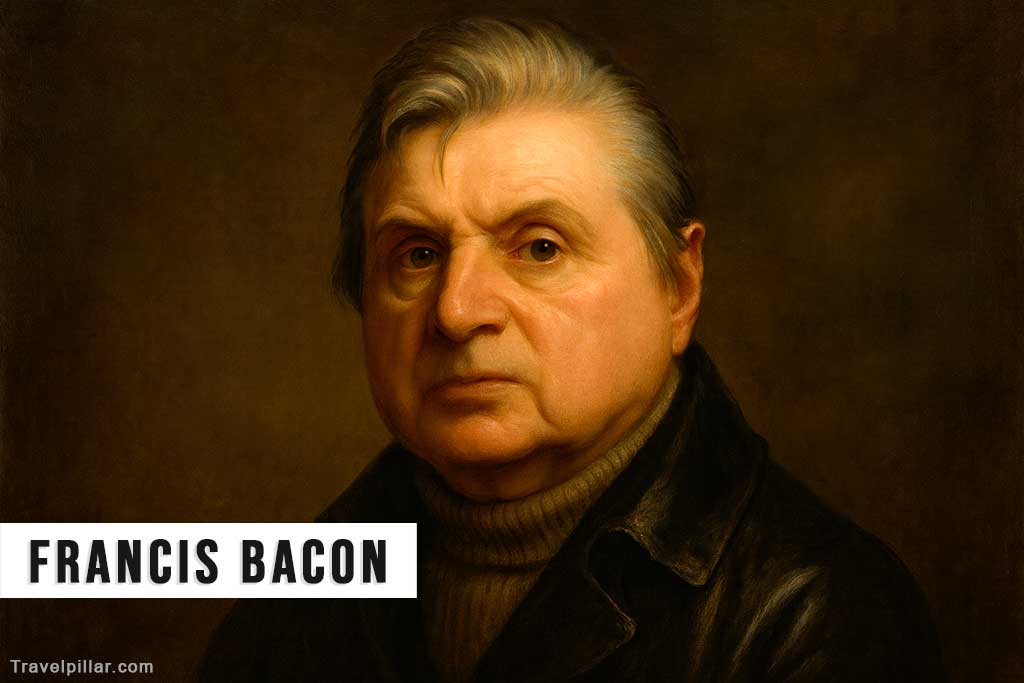
A leading figure in the post-World War II art world, Francis Bacon’s powerful and emotionally charged paintings are characterized by their bold, gestural style and their intense psychological content. His most famous works, such as “Study after Velázquez’s Portrait of Pope Innocent X” and “Triptych -Three Studies of Lucian Freud,” convey a sense of raw emotion and existential angst that has made them enduring favorites among art lovers. Bacon’s innovative approach to painting and his exploration of the darker aspects of the human experience have had a lasting influence on the development of modern art.
Lucian Freud (1922–2011)
A modern British painter known for his raw, unflinching portraits and nudes. His use of thick paint and detailed exploration of human flesh in works like “Benefits Supervisor Sleeping” marked a shift in portrait painting.
David Hockney (1937-)
A celebrated painter, printmaker, and photographer, David Hockney is known for his innovative use of color and his ability to capture the essence of contemporary life. His most famous works, such as “A Bigger Splash” and “Portrait of an Artist (Pool with Two Figures),” are celebrated for their vibrancy and their playful, yet profound, exploration of the human experience. Hockney’s groundbreaking approach to art and his exploration of new technologies, such as the iPad, have made him one of the most influential artists of our time.