
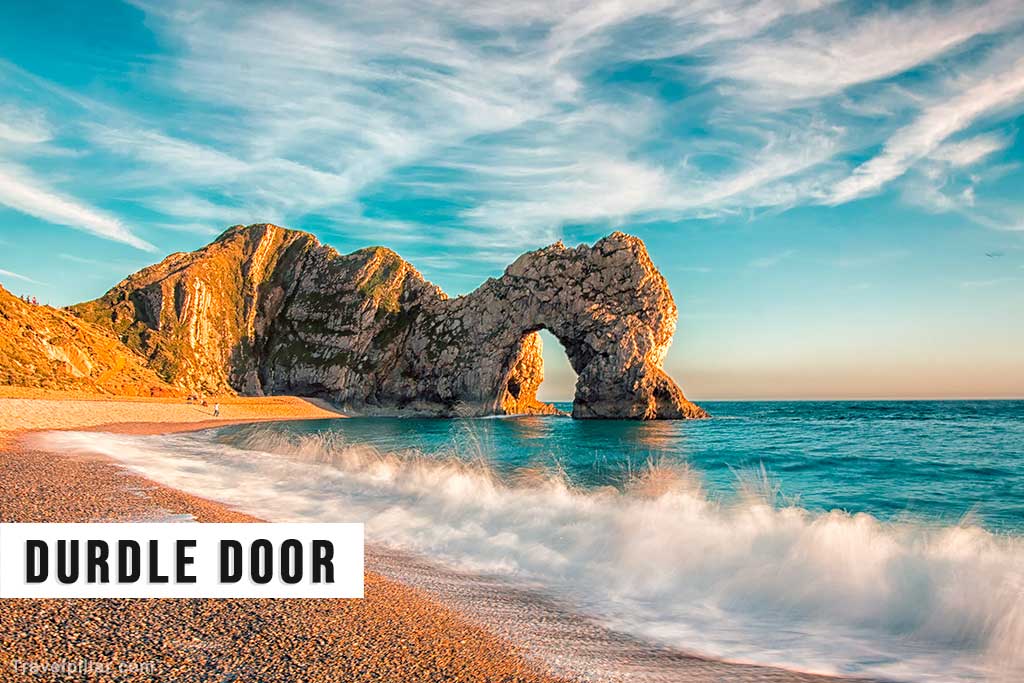
Durdle Door is one of England‘s most spectacular natural landmarks and the iconic symbol of Dorset‘s Jurassic Coast. This magnificent limestone arch, carved by the sea over millions of years, rises dramatically from the English Channel and overlooks one of the most beautiful beaches on the south coast. Located near the village of West Lulworth, Durdle Door forms part of the Jurassic Coast UNESCO World Heritage Site and attracts hundreds of thousands of visitors each year.
Whether you’re enjoying the breathtaking coastal views, relaxing on the beach, walking the South West Coast Path or exploring nearby Lulworth Cove, Durdle Door is one of the highlights of any visit to Dorset. The combination of towering limestone cliffs, crystal-clear water and the famous rock arch has made it one of the most photographed locations in Britain and a favourite destination for walkers, photographers and nature lovers alike.
Although the walk from the car park is fairly short, reaching the beach requires a steep descent and a reasonable level of fitness. Fortunately, even if you choose not to tackle the steps, the clifftop viewpoint provides magnificent panoramic views of Durdle Door, Man O’ War Bay and the surrounding Jurassic Coast.
Official website: https://lulworth.com/
The Best Things to Do at Durdle Door
Admire the Famous Limestone Arch
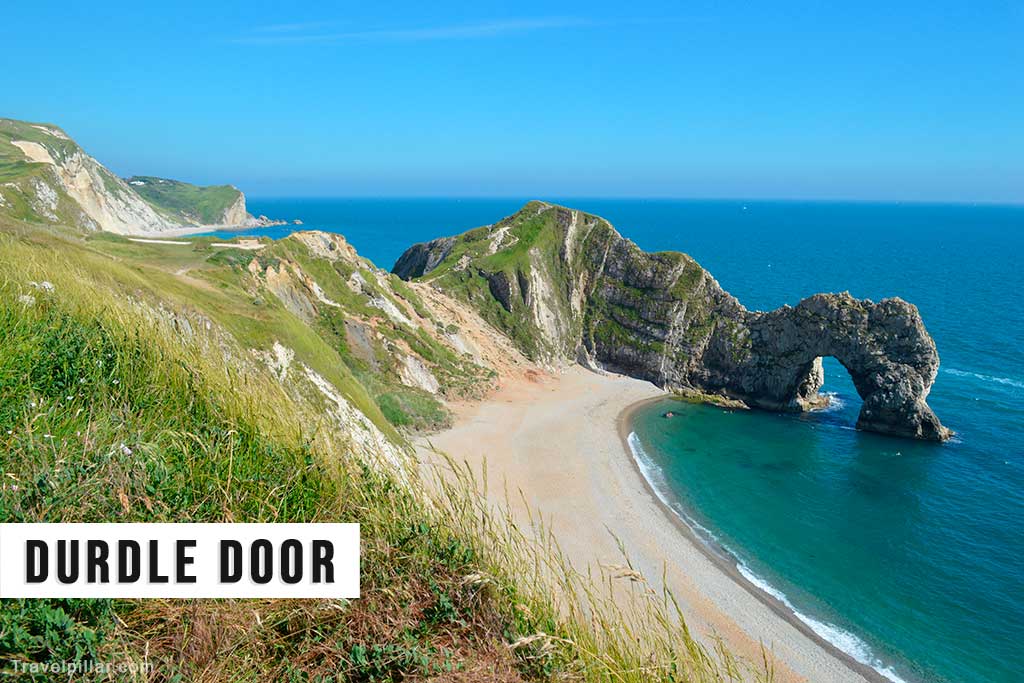
The magnificent limestone arch is one of the most recognisable natural landmarks in Britain. Formed by the relentless action of the sea over millions of years, Durdle Door stands proudly just offshore, creating an unforgettable view from both the clifftop and the beach below. The changing light throughout the day makes it a favourite subject for photographers, particularly at sunrise and sunset.
Google map Durdle Door 4.8/5
Relax on Durdle Door Beach
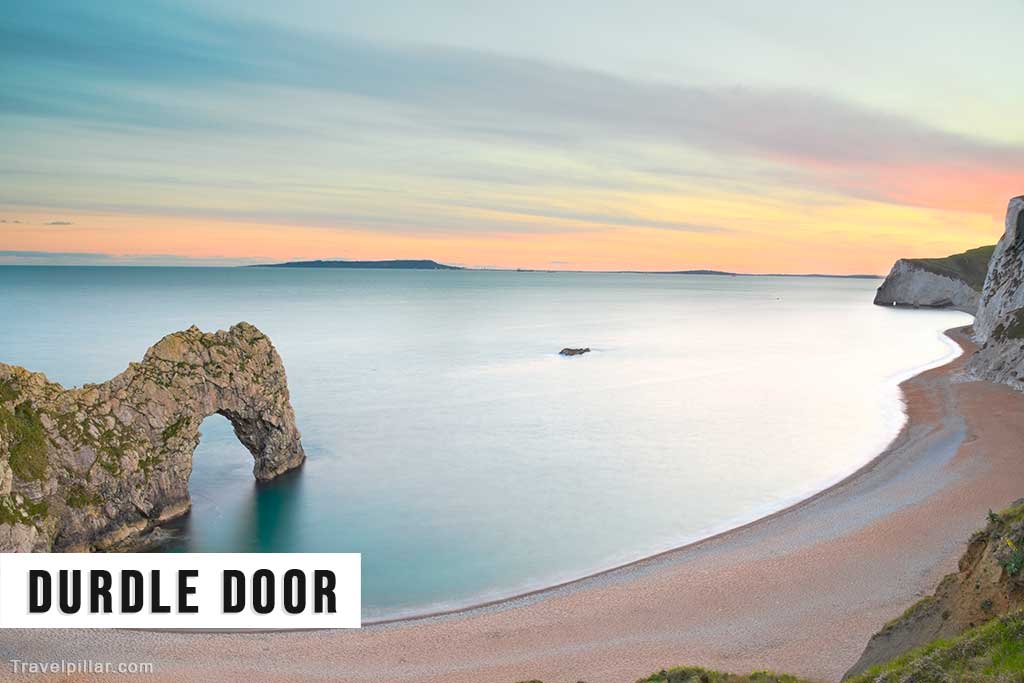
Below the cliffs lies a beautiful pebble beach with remarkably clear water. Many visitors simply sit back and enjoy the scenery, while others take a swim on warm summer days. The beach has a wonderfully unspoilt feel, but visitors should remember that there are no lifeguards or facilities here, and the sea becomes deep very quickly.
Visit Man O’ War Bay
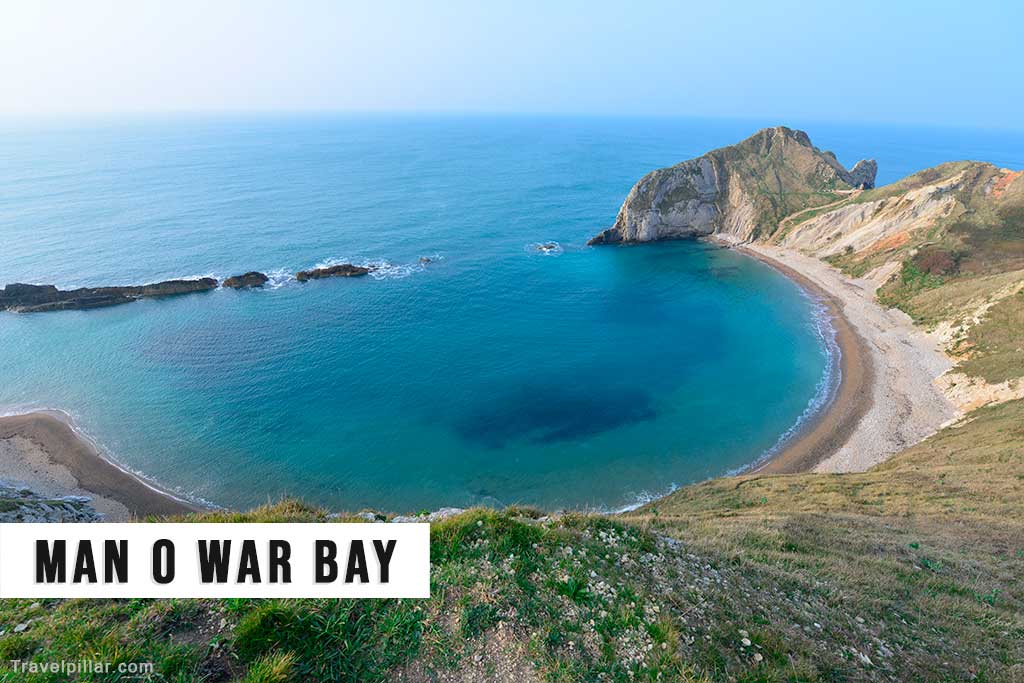
Just a few minutes’ walk from Durdle Door is the beautiful Man O’ War Bay. Sheltered by limestone cliffs, this attractive pebble beach is often quieter than Durdle Door and offers wonderful views back towards the famous arch. The calm, turquoise water and dramatic scenery make it one of the hidden gems of the Jurassic Coast.
Google map Man O’War Beach 4.8/5
Walk to Lulworth Cove
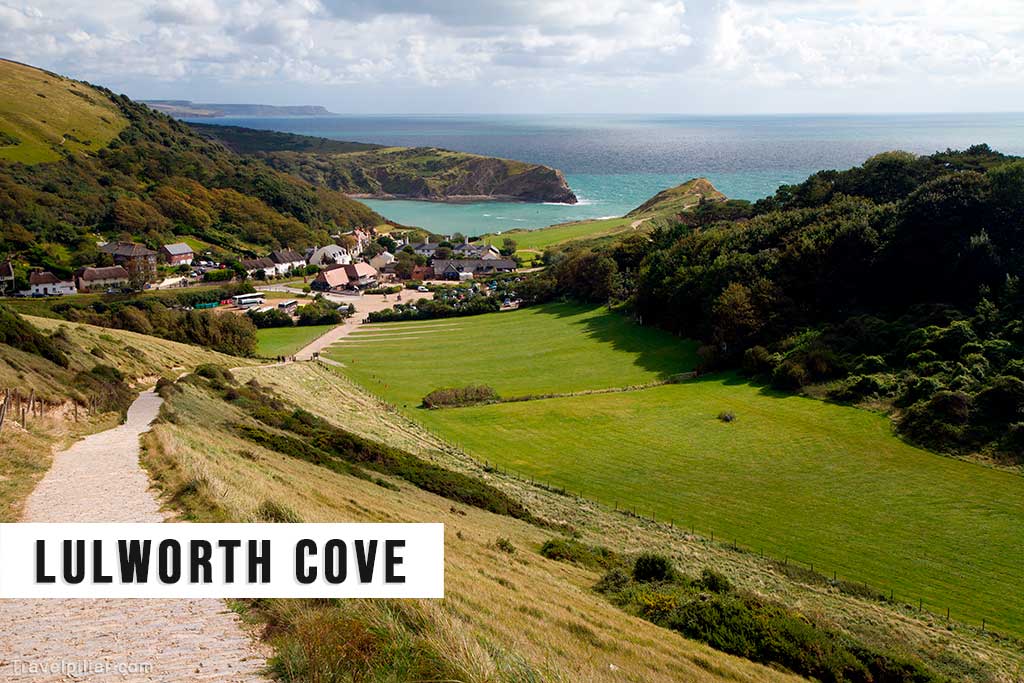
Many visitors combine Durdle Door with nearby Lulworth Cove, one of the world’s finest examples of a naturally formed cove. The spectacular cliff-top walk between the two takes around 30 minutes and passes Stair Hole, where visitors can see another fascinating geological feature that continues to be shaped by the sea.
Google map Lulworth Cove 4.7/5
Walk the South West Coast Path

Durdle Door lies directly on the South West Coast Path, one of England’s finest long-distance walking trails. Whether you’re enjoying a short stroll to nearby viewpoints or tackling a longer section of the coast, the path offers breathtaking views across the Jurassic Coast, with dramatic cliffs, secluded bays and rolling countryside stretching in every direction.
Photography
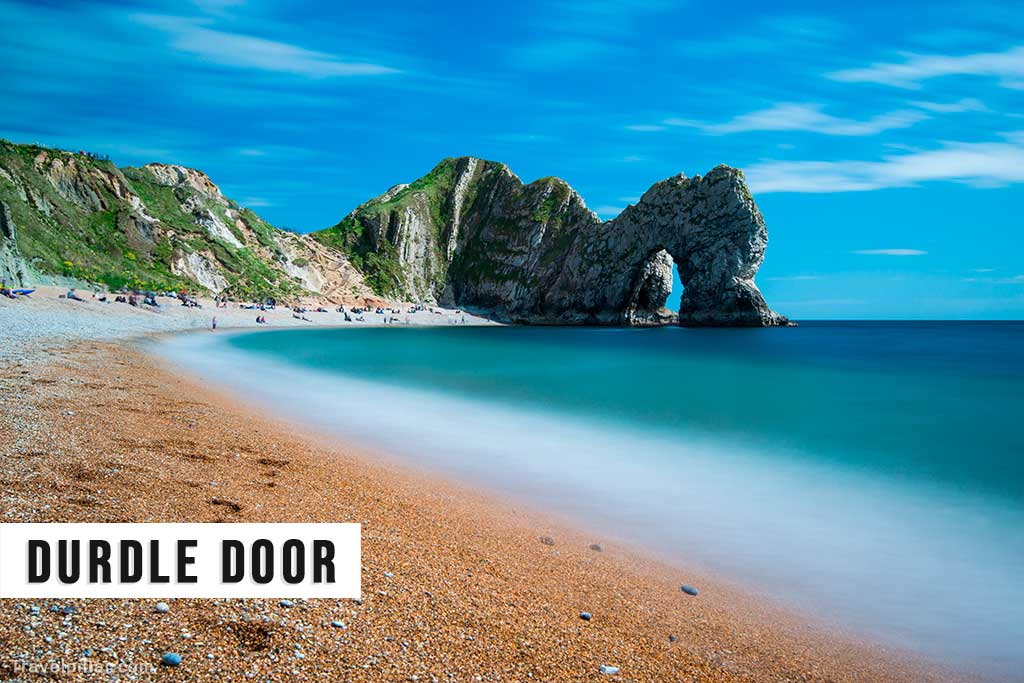
Few places in England are photographed as often as Durdle Door. The elevated viewpoints above the arch provide spectacular panoramic views, while the beach offers a completely different perspective looking back towards the towering cliffs. Early morning and late afternoon usually provide the best light, while spring and autumn often combine beautiful weather with fewer visitors than the busy summer months.
How Was Durdle Door Formed?
Durdle Door was created by natural coastal erosion over millions of years. The hard Portland limestone forming the headland resisted the force of the sea far longer than the softer rocks behind it. Eventually, the waves broke through weaker sections of the limestone, gradually creating the spectacular arch seen today.
The name “Durdle” is believed to come from the Old English word “thirl”, meaning to pierce or to bore through, a fitting description for one of Britain’s most famous natural arches.
The Jurassic Coast
Durdle Door forms part of the Jurassic Coast, England’s only natural UNESCO World Heritage Site. Stretching for 95 miles (153 km) from Exmouth in Devon to Old Harry Rocks in Dorset, this remarkable coastline preserves around 185 million years of Earth’s history within its cliffs and rock formations. Although famous for its geology and fossils, the Jurassic Coast is equally celebrated for its spectacular scenery, coastal walks and beautiful beaches.
Durdle Door is one of the Jurassic Coast’s most recognisable landmarks, but it is only one of several outstanding natural attractions in the area. Nearby Lulworth Cove, Stair Hole, Man O’ War Bay and Ringstead Bay are all within easy reach, making this one of the most rewarding sections of the Dorset coastline to explore.
Visitor Information
Durdle Door is open to the public throughout the year and is accessed via the Durdle Door Holiday Park & Car Park (sat nav postcode BH20 5PU), operated by the Lulworth Estate. From the car park, it’s around a 10 to 15-minute walk along a sloping stone track to the clifftop viewpoint, followed by a long, steep flight of steps down to the beach.
If you also plan to visit nearby Lulworth Cove, you may prefer to park at the Lulworth Cove Visitor Centre Car Park and enjoy the scenic coastal walk between the two attractions, which takes approximately 30 minutes. This route is also steep and uneven in places as it follows the South West Coast Path over the headland.
A small shop, seasonal refreshment kiosk and public toilets are located beside the Durdle Door Holiday Park car park. More extensive facilities, including cafés, pubs, restaurants, shops, additional public toilets and the Lulworth Cove Visitor Centre, can be found in nearby West Lulworth and Lulworth Cove.
There are no facilities on Durdle Door Beach itself. There are no toilets, cafés, shops or lifeguards, so visitors should come prepared, particularly during warm weather. Parking charges apply at both main car parks, and they can become full during the summer holidays and on sunny weekends, so arriving early is recommended.
Google map Durdle Door car park
Swimming Safety
The clear turquoise water makes Durdle Door an inviting place for a swim, but visitors should take great care. The seabed shelves steeply just a short distance from the shore, and strong currents and rip tides can develop depending on the weather and state of the tide.
One particular hazard is The Bull, the large rock stack approximately 130 metres offshore. Although it may appear close enough to swim to, strong currents can develop between the beach and the rock, and several swimmers have sadly lost their lives attempting the crossing. There are no lifeguards on duty, so anyone entering the sea should assess the conditions carefully and avoid taking unnecessary risks.
Accessibility
Visitors should be aware that Durdle Door is not an easily accessible attraction. The route from the Durdle Door Holiday Park follows a sloping stone track with an uneven surface before reaching the clifftop viewpoint. Access to the beach then requires descending and climbing a long, steep staircase.
The alternative route from Lulworth Cove is also hilly and uneven, making neither approach suitable for wheelchairs. Some parents do bring pushchairs, but many find the terrain too difficult and end up carrying young children for parts of the walk. Fortunately, the clifftop viewpoint provides magnificent views of Durdle Door and the Jurassic Coast, allowing visitors who cannot reach the beach to still enjoy one of England’s most spectacular coastal landscapes.
Best Time to Visit
Durdle Door can be visited throughout the year, with each season offering a different experience. Summer is the most popular time, when warm weather attracts swimmers, walkers and photographers, although the beach and car parks can become extremely busy.
Spring and early autumn are often the best times to visit, offering pleasant temperatures, fewer crowds and excellent walking conditions. Early mornings are particularly peaceful, while sunset provides some of the finest light for photography as the limestone cliffs glow in the evening sun. During winter, the dramatic seas and quieter atmosphere reveal a very different side of the Jurassic Coast.
Nearby Attractions
A visit to Durdle Door is easily combined with several other highlights of the Jurassic Coast. Lulworth Cove lies around one mile away along the coast path and is one of Dorset’s most famous natural attractions. Man O’ War Bay, immediately beside Durdle Door, offers a quieter beach with equally spectacular scenery, while Stair Hole provides a fascinating insight into the geological processes that continue to shape this coastline.
Further afield, visitors can explore Corfe Castle, Kimmeridge Bay, Weymouth, the Isle of Purbeck and many other attractions featured in the Dorset Travel Guide.
Why Visit Durdle Door?
Few places capture the beauty of England’s coastline quite like Durdle Door. Its iconic limestone arch, dramatic cliffs and crystal-clear water have made it one of Britain’s most photographed natural landmarks and an essential stop on the Jurassic Coast. Whether you’re enjoying the spectacular views from the clifftops, relaxing on the beach, exploring nearby Lulworth Cove or walking one of England’s finest coastal trails, Durdle Door is a destination that leaves a lasting impression and deserves its reputation as one of the country’s greatest natural wonders.