

Michelangelo Buonarroti (1475-1564) is a seminal figure of the Italian Renaissance period, recognized universally for his immense contributions to Western art. Born in Caprese near Arezzo, Tuscany, Michelangelo displayed artistic talent early on, earning the patronage of Lorenzo de’ Medici, a leading arts patron in Florence.

Michelangelo’s work as a sculptor remains some of his most celebrated. His iconic ‘Pieta’ (1498–1499) and ‘David‘ (1501-1504) are renowned for their extraordinary detail and embodiment of human physical and emotional states. These pieces showcase Michelangelo’s unique ability to extract the ‘living’ form from raw marble, thus highlighting his innovative approach to sculpture. His work, characterized by a powerful realism and depth of emotion, departed from the formal stiffness that characterized much medieval statuary.
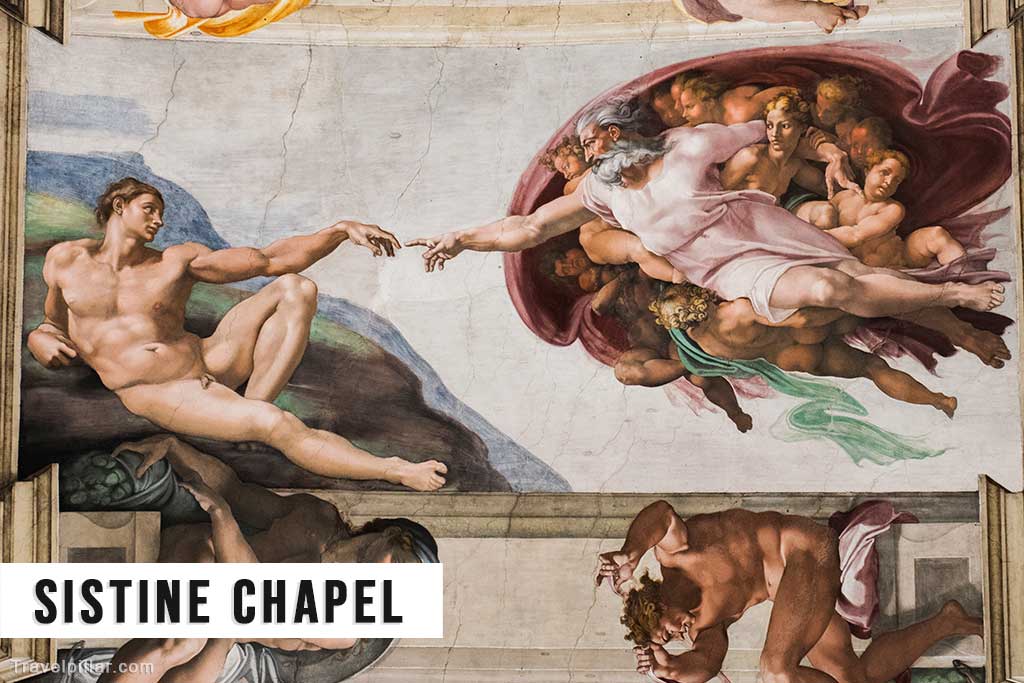
In painting, his contribution to the Sistine Chapel in Vatican City (1508-1512) stands among the highest achievements in Western art. The monumental ceiling frescoes, including the renowned ‘Creation of Adam,’ feature an intricate system of decoration combining biblical scenes, prophets, and sibyls with ornamental figures. This ambitious project showcases his command over human anatomy and his skill in creating dynamic narrative scenes.
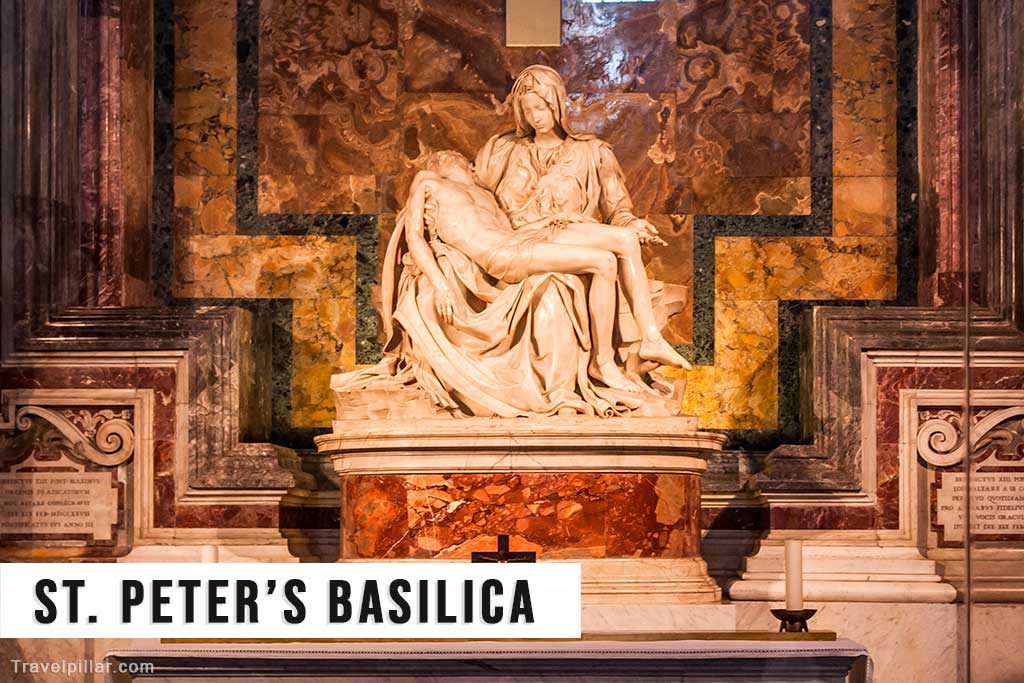
As an architect, Michelangelo’s designs for the Laurentian Library (1524-1534) and St. Peter’s Basilica (1546-1564) in Rome had a significant influence on subsequent architectural styles. His architecture is characterized by a powerful sense of dramatic tension and contrast, a departure from the ordered harmony of the earlier Renaissance.
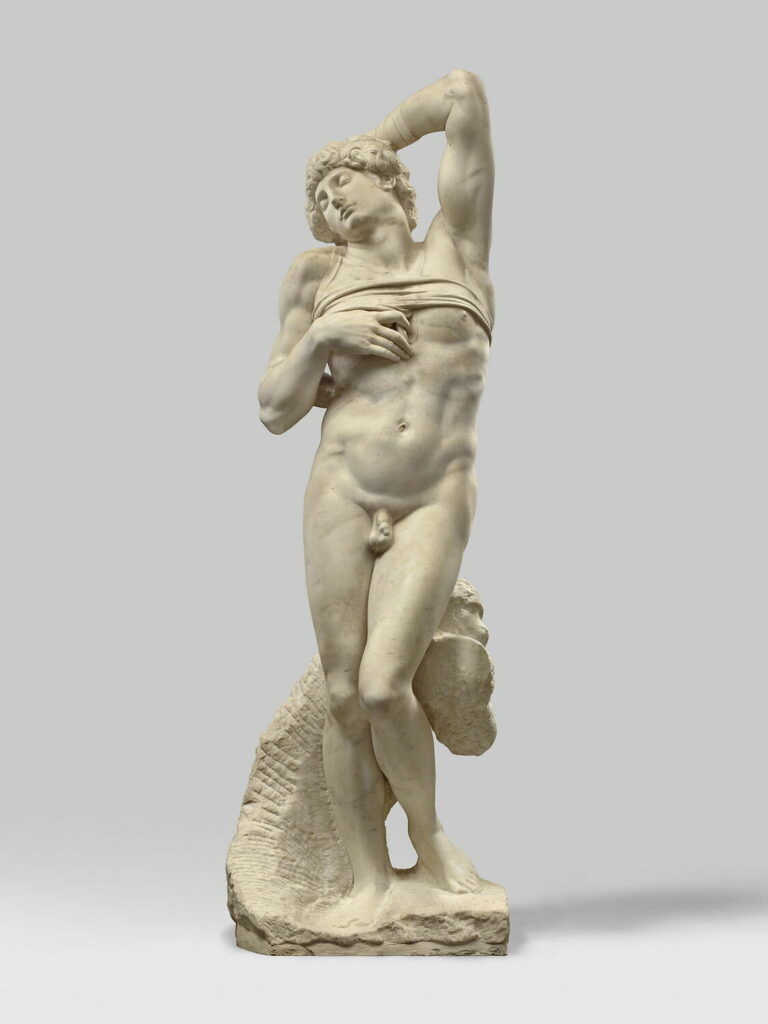
https://collections.louvre.fr/en/ark:/53355/cl010091872
Michelangelo died in Rome in 1564, but his remains were returned to Florence in accordance with his wishes. He was buried in the Basilica of Santa Croce, where his elaborate tomb—designed by Giorgio Vasari—features allegorical figures representing Painting, Sculpture, and Architecture, symbolizing his mastery of all three disciplines.
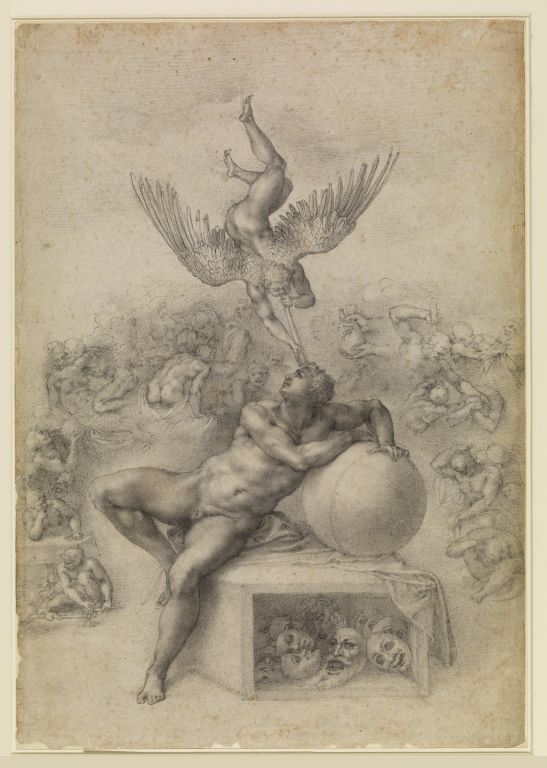
While his temperamental personality is well-documented, it is Michelangelo’s artistic genius and relentless pursuit of aesthetic ideals that define his legacy. His innovative approach to representation and his skill in evoking human emotion marked a radical departure from preceding norms. His work played a significant role in defining the aesthetic principles of the High Renaissance and continues to inspire and influence artists worldwide.