

Seville (Sevilla in Spanish) is the capital and largest city of the Andalusia region, situated in the south west of Spain and about 70 km from the nearest coast. Seville is the 4th largest city in Spain (after Madrid, Barcelona and Valencia). It’s a vibrant city full of traditional Spanish culture.
Seville’s Old Town is particularly attractive with cobbled streets and flower-filled, shady public squares. Here you’ll find three UNESCO World Heritage Sites: the Alcázar palace complex, the Cathedral and the General Archive of the Indies. The beautiful Plaza de Espana is also a must-see.
Seville can get extremely hot and dry in the summer with daily maximums routinely above 35 °C (95 °F) in July and August.
Official tourism website:
https://www.spain.info
https://visitasevilla.es/en/
Google map of Seville
The Best Things to Do in Seville
#1 Seville Cathedral – Catedral de Sevilla

Seville Cathedral is a monumental Gothic-style Roman Catholic cathedral located in the heart of Seville, Spain. Completed in 1506, it is the third-largest church in the world and a UNESCO World Heritage site. The cathedral houses the tomb of Christopher Columbus and features an extensive collection of religious art. Its remarkable architecture, rich history, and cultural significance make it a must-visit attraction for travelers exploring Seville.
Official website: https://www.catedraldesevilla.es (Spanish)
Google map 4.8/5
#2 La Giralda

La Giralda is the iconic bell tower of Seville Cathedral, originally constructed as a minaret for the Great Mosque of Seville in the 12th century. The 104.5-meter-tall tower is an exceptional example of Almohad architecture, featuring intricate brickwork and geometric patterns. Following the Reconquista, La Giralda was converted into a bell tower with the addition of a Renaissance-style belfry. Visitors can climb the tower for panoramic views of Seville and admire its unique blend of Islamic and Christian architectural elements.
Official website: https://www.catedraldesevilla.es (Spanish)
Google map 4.7/5
#3 Plaza de España
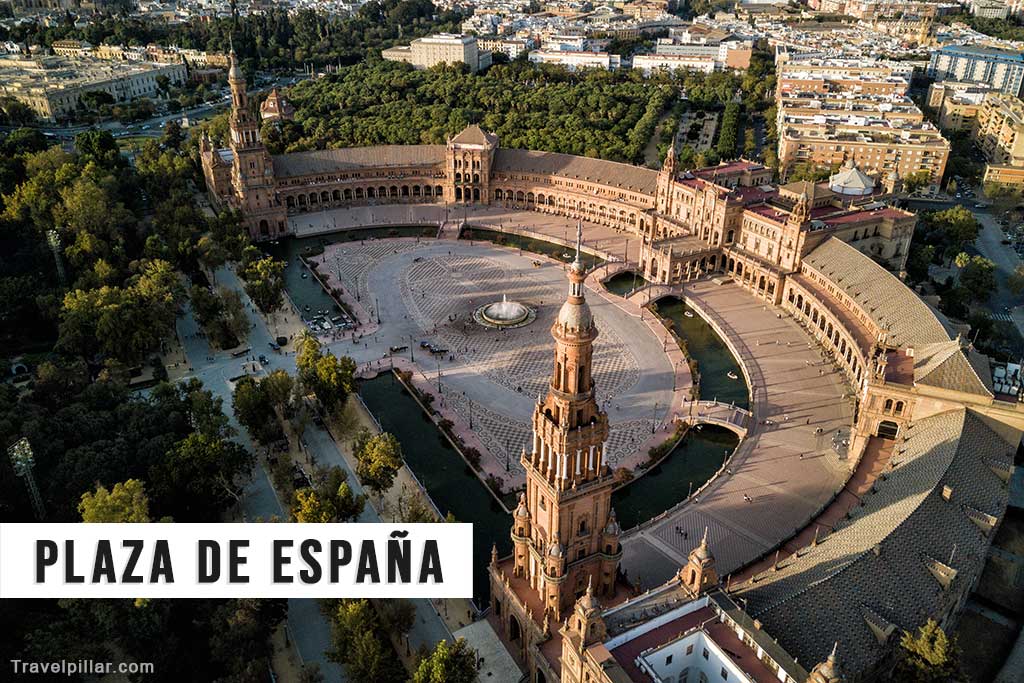
Plaza de España is a stunning architectural complex located within Seville’s Parque de María Luisa. Designed by Aníbal González for the 1929 Ibero-American Exposition, the plaza features a mix of Renaissance Revival and Moorish Revival styles. The semicircular complex encompasses a central canal, intricately decorated bridges, and a series of tiled alcoves representing Spain’s provinces. Plaza de España is a popular destination for visitors seeking to appreciate Seville’s architectural grandeur.
Google map 4.8/5
#4 Real Alcázar / Royal Alcázar of Seville
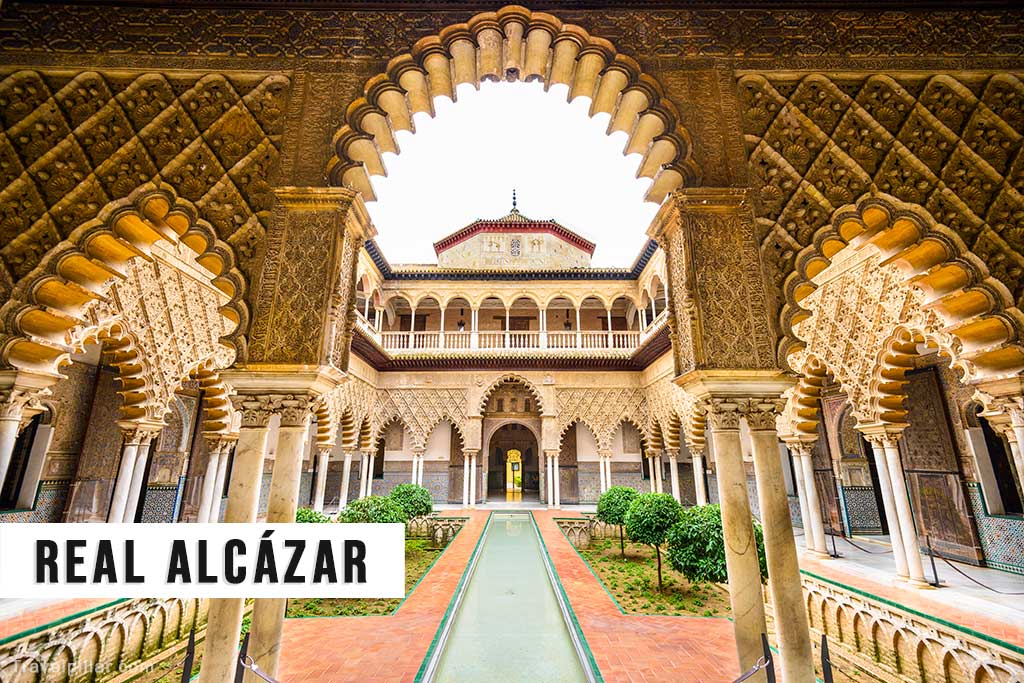
Real Alcázar is a royal palace complex in Seville, showcasing a unique blend of Moorish, Gothic, Renaissance, and Baroque architectural styles. Originally a Moorish fort, the Alcázar has been expanded and modified over the centuries by various Christian and Muslim rulers. The palace features beautifully decorated rooms, courtyards, and gardens, making it a must-visit destination for travelers interested in Spain’s rich architectural history.
Official website: https://alcazarsevilla.org
Google map 4.7/5
#5 Puerta del León

Puerta del León is the main entrance to the Real Alcázar in Seville, featuring a remarkable Mudéjar-style gate adorned with a ceramic tile depicting a lion. The gate, constructed in the 14th century, serves as a symbolic representation of the Alcázar’s rich history and architectural heritage. Visitors entering through the Puerta del León are greeted by the stunning beauty of the palace complex.
Official website:
https://alcazarsevilla.org
Google Map 4.7/5
#6 The Santa Cruz district of Seville
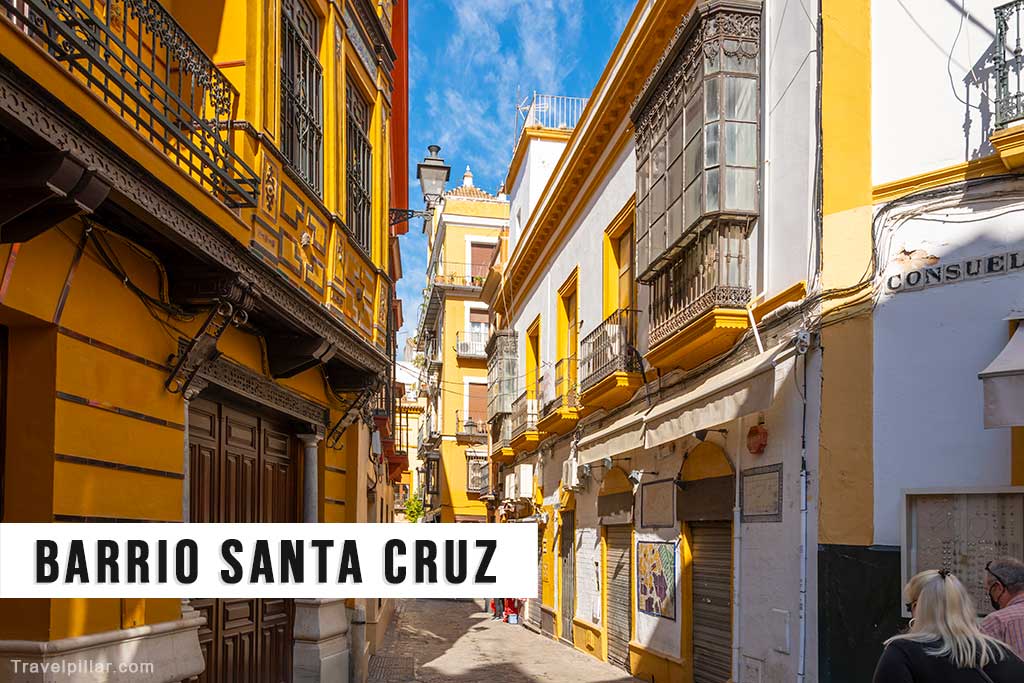
Barrio Santa Cruz is a historic neighborhood in Seville, characterized by its narrow, winding streets, whitewashed houses adorned with colorful flowers, and hidden courtyards. Once the city’s Jewish quarter, Barrio Santa Cruz is now a vibrant area filled with charming shops, tapas bars, and restaurants. The neighborhood is also home to notable landmarks such as the Real Alcázar and Seville Cathedral. Visitors can enjoy an authentic Andalusian atmosphere while exploring Barrio Santa Cruz.
#7 Parque de María Luisa (Maria Luisa Park)
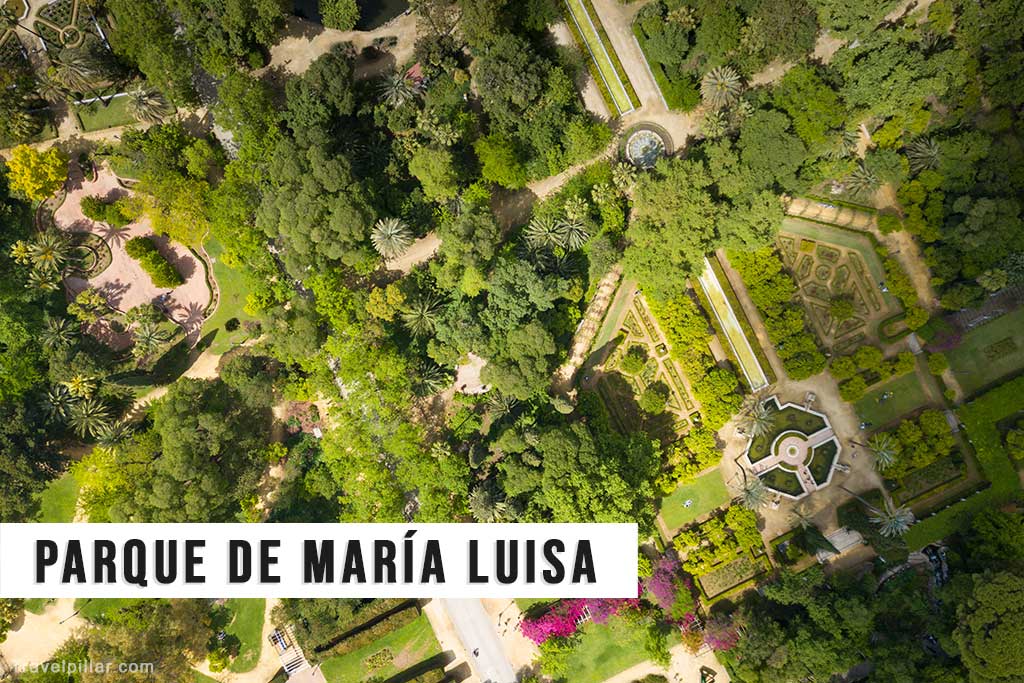
Parque de María Luisa is a sprawling public park in Seville, originally part of the gardens of the Palace of San Telmo. Donated to the city in 1893, the park was redesigned by French landscape architect Jean-Claude Nicolas Forestier for the 1929 Ibero-American Exposition. Parque de María Luisa features lush gardens, fountains, and monuments, offering a serene oasis for relaxation and leisure activities within the bustling city.
Free Entry, Open Mon-Sun, 8am-10pm
Google map 4.7/5
#8 Basilica de la Macarena

Basilica de la Macarena is a Roman Catholic church in Seville, dedicated to the Virgin of Hope of Macarena, the city’s revered patroness. Completed in 1949, the basilica features an elegant Neo-Baroque facade and houses the treasured 17th-century statue of the Virgin. The Basilica de la Macarena is an important religious site, particularly during Holy Week, when the Virgin’s procession attracts thousands of devotees and visitors seeking to experience Seville’s rich religious traditions.
Official website:
https://www.hermandaddelamacarena.es/
Google map 4.7/5
#9 Seville Museum of Fine Arts – Museo de Bellas Artes de Sevilla
Seville Museum of Fine Arts is a prominent art museum located in the former Convent of the Merced Calzada, a 17th-century Baroque-style building. Established in 1835, the museum showcases an extensive collection of Spanish art, with a particular focus on works from the Sevillian school during the 17th century. Notable artists featured include Murillo, Zurbarán, and Valdés Leal. The Seville Museum of Fine Arts is an essential destination for art enthusiasts visiting the city.
Official website:
https://www.museosdeandalucia.es/
Google map 4.6/5
#10 Plaza del Cabildo
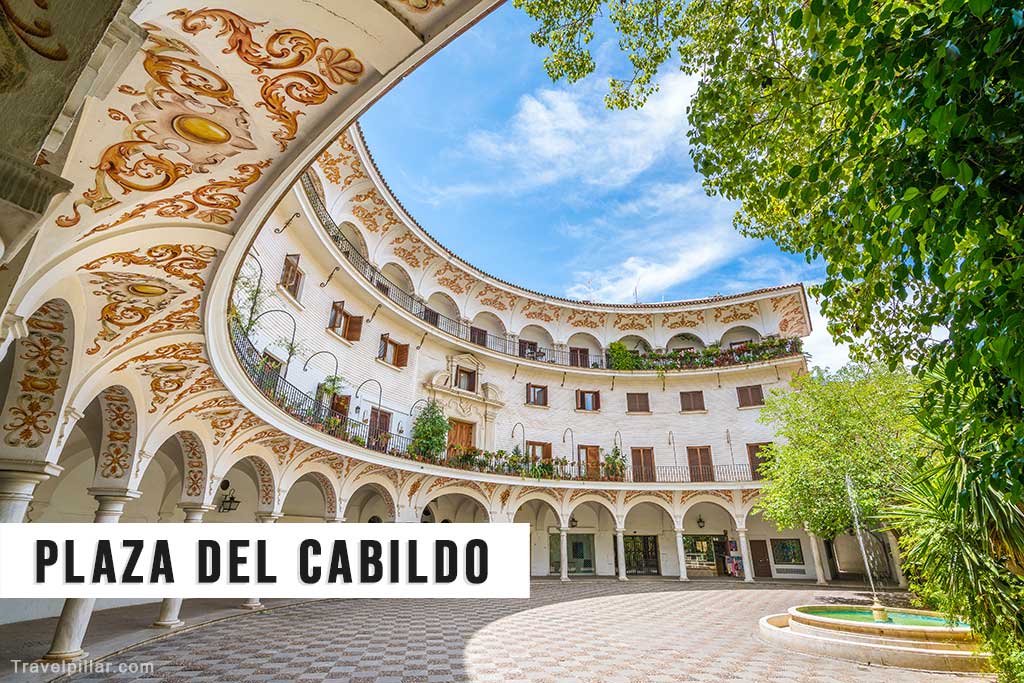
Plaza del Cabildo is a hidden gem located in the historic center of Seville, known for its picturesque charm and tranquility. The semicircular plaza, designed by architect Joaquín Barquín, features a central fountain, well-maintained gardens, and traditional Andalusian architecture. The plaza is home to the weekly Cabildo Market, where visitors can browse a variety of antiques and collectibles. Plaza del Cabildo offers a peaceful retreat from the bustling streets of Seville.
Official website:
Google map 4.5/5
#11 Casa de Pilatos
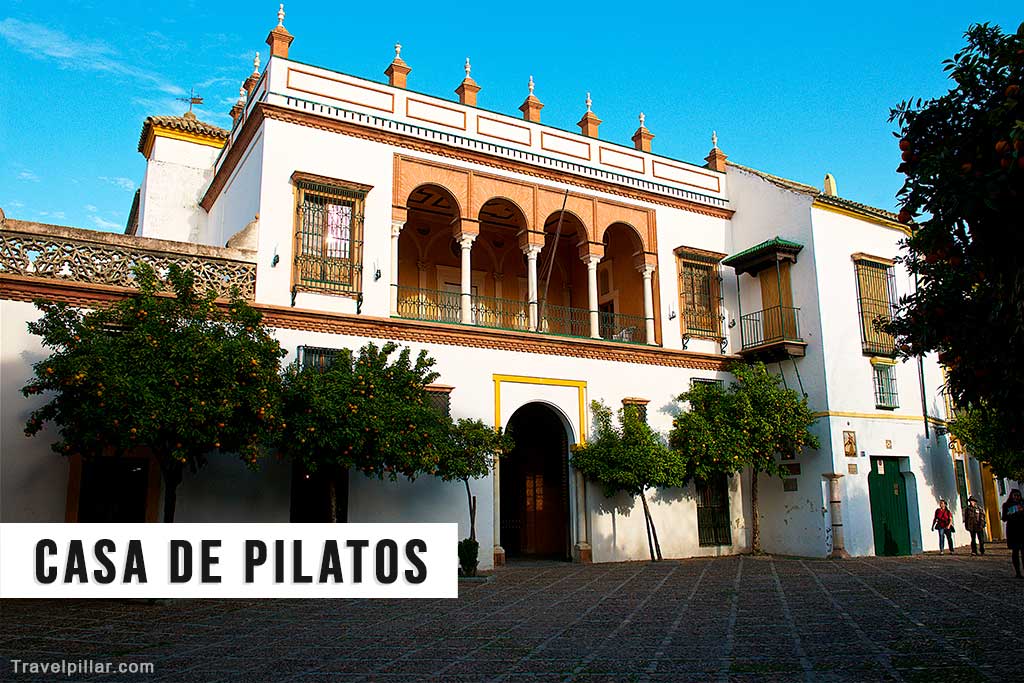
Casa de Pilatos is an opulent palace in Seville, showcasing a fusion of Italian Renaissance and Spanish Mudéjar architectural styles. Constructed between the 15th and 16th centuries, the palace features stunning courtyards, ornate tile work, and impressive sculptures. Casa de Pilatos, considered one of the finest examples of Andalusian palace architecture, offers visitors an opportunity to experience the lavish lifestyle of Seville’s aristocracy during the Renaissance period.
Official website:
Google map 4.4/5
#12 General Archive of the Indies – Archivo de Indias
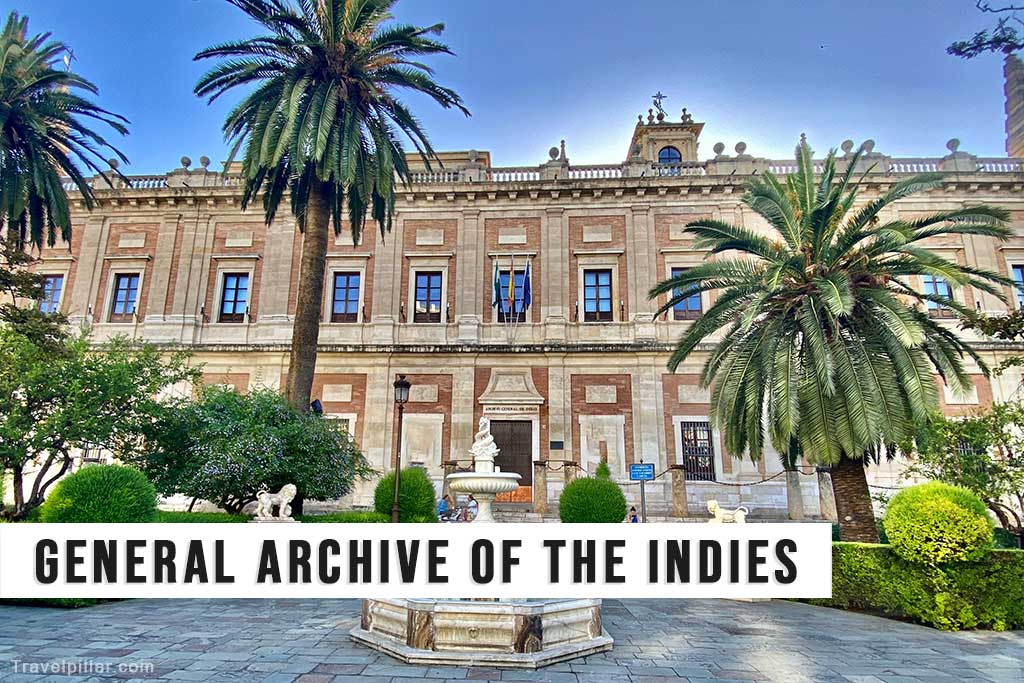
General Archive of the Indies is a historic archive located in Seville, housing an extensive collection of documents pertaining to the Spanish Empire in the Americas and the Philippines. Established in 1785, the archive is housed in the Casa Lonja de Mercaderes, a Renaissance-style building designed by architect Juan de Herrera. The General Archive of the Indies is a UNESCO World Heritage site, offering visitors a unique insight into Spain’s colonial history.
Official website:
Google map 4.4/5
#13 Plaza de Toros
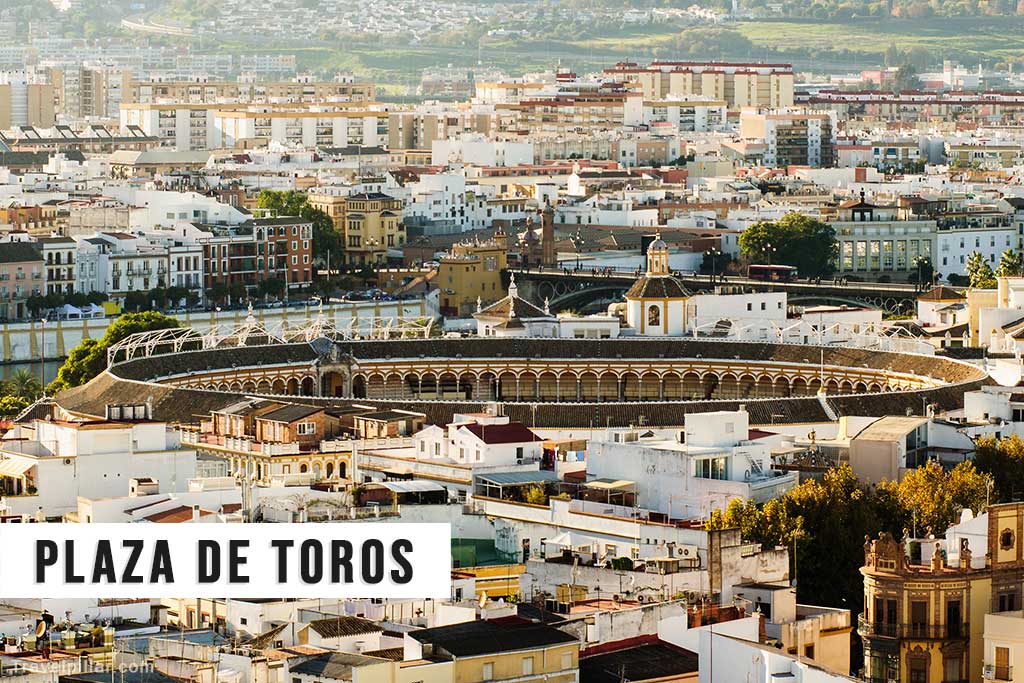
Plaza de Toros is Seville’s historic bullring, also known as the Real Maestranza de Caballería de Sevilla. Built in the 18th century, the Baroque-style arena is one of the oldest and most revered bullrings in Spain. With a seating capacity of 12,000 spectators, the Plaza de Toros hosts numerous bullfights throughout the year, as well as concerts and other events. Visitors can tour the bullring and its accompanying museum to learn about the history and traditions of bullfighting in Seville.
Official website: https://www.realmaestranza.com/en/
Google map 4.4/5
#14 Torre del Oro

Torre del Oro is a 13th-century military watchtower located on the banks of the Guadalquivir River in Seville. Constructed during the Almohad dynasty, the tower features a unique dodecagonal design and was originally covered in golden tiles, giving it its name. Historically, the Torre del Oro served as a defensive structure and an anchor point for a large chain that blocked access to the river. Today, the tower houses a naval museum, offering panoramic views of the city and the Guadalquivir River.
Official website:
Google map 4.5/5
#15 The Triana district
The Triana district is a vibrant neighborhood in Seville, located on the western bank of the Guadalquivir River. Known for its rich flamenco heritage, traditional ceramics, and lively atmosphere, Triana offers an authentic taste of Andalusian culture. The district features historic sites such as the Castle of San Jorge and the Church of Santa Ana, as well as a bustling riverside market and numerous tapas bars. Visitors can explore Triana’s colorful streets and experience its lively, bohemian spirit.
Official website:
#16 Setas de Sevilla – Metropol Parasol

Las Setas de Sevilla, officially known as the Metropol Parasol, is a modern architectural landmark in Seville’s city center. Designed by German architect Jürgen Mayer and completed in 2011, the structure resembles a series of giant mushrooms, lending it its nickname. Constructed from wood and concrete, Las Setas de Sevilla houses a marketplace, a museum showcasing Roman and Moorish ruins, and a panoramic terrace offering stunning city views. The innovative design and unique atmosphere make it a must-see attraction.
Official website: https://setasdesevilla.com/en/
Google map 4.3/5
Hospital de los Venerables
Hospital de los Venerables is a 17th-century Baroque building in Seville, originally serving as a residence for elderly and infirm priests. Today, the beautifully preserved building houses the Velázquez Center, dedicated to the celebrated Sevillian painter Diego Velázquez. Visitors can explore the building’s stunning courtyard, chapel, and exhibition spaces showcasing works by Velázquez and other Baroque artists. The Hospital de los Venerables offers a unique blend of history, art, and architecture in the heart of Seville.
Google map
Palacio de las Dueñas
Palacio de las Dueñas is a historic palace in Seville, belonging to the House of Alba. Constructed between the 15th and 16th centuries, the palace showcases a blend of Gothic, Mudéjar, and Renaissance architectural styles. The Palacio de las Dueñas is famous for its beautiful gardens, courtyards, and ornate tile work. The palace, once the residence of famed poet Antonio Machado, is open to the public, offering visitors a glimpse into the aristocratic lifestyle of Seville’s elite throughout the centuries.
Google map