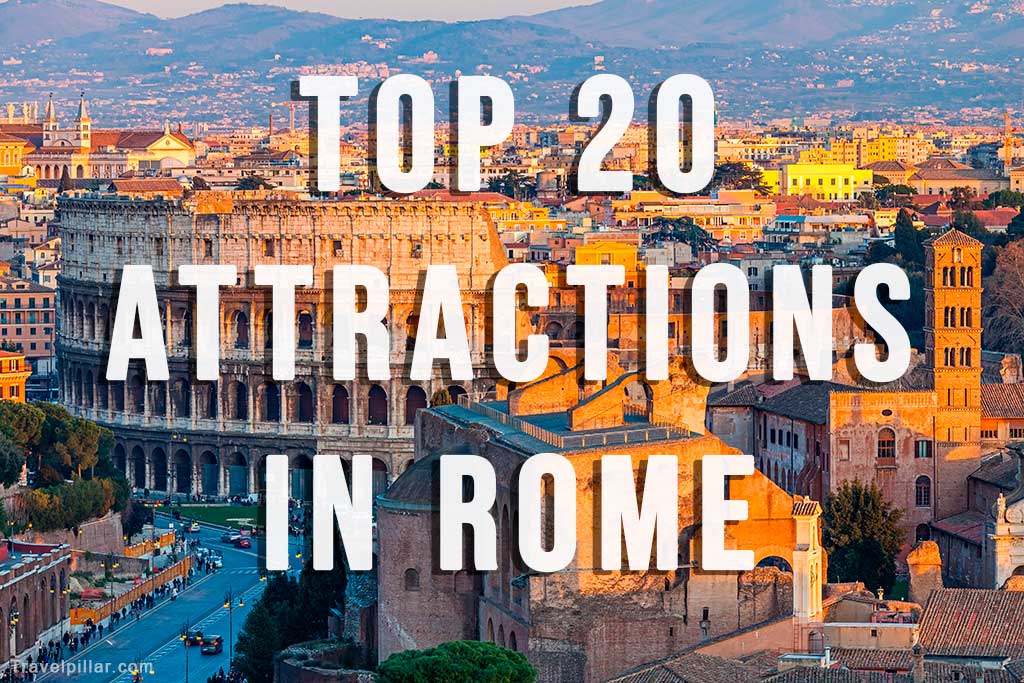
Must-see attractions in Rome ranked 41 to 60 include ancient sites, Renaissance palaces, important streets, and nearby villas. These locations offer insights into different periods of Rome’s history, from imperial entertainment venues and funerary monuments to Renaissance architecture and Baroque urban planning. They also include streets known for shopping and historic character. Visiting these sites provides a deeper understanding of Rome’s layered urban landscape and its continuous development from antiquity to the modern era.
#41 Quirinal Palace

Quirinal Palace, situated on Rome’s Quirinal Hill, is the official residence of the President of Italy. Originally built in 1583 as a papal summer residence, it later served as a royal palace before becoming a symbol of the Italian Republic. The palace features elegant architecture, frescoed halls, and expansive gardens. Its historical and political significance, combined with its artistic heritage, make it a prominent landmark and an enduring symbol of Italian governance.
Official website: https://palazzo.quirinale.it/
Google map 4.7/5
#42 Circus Maximus
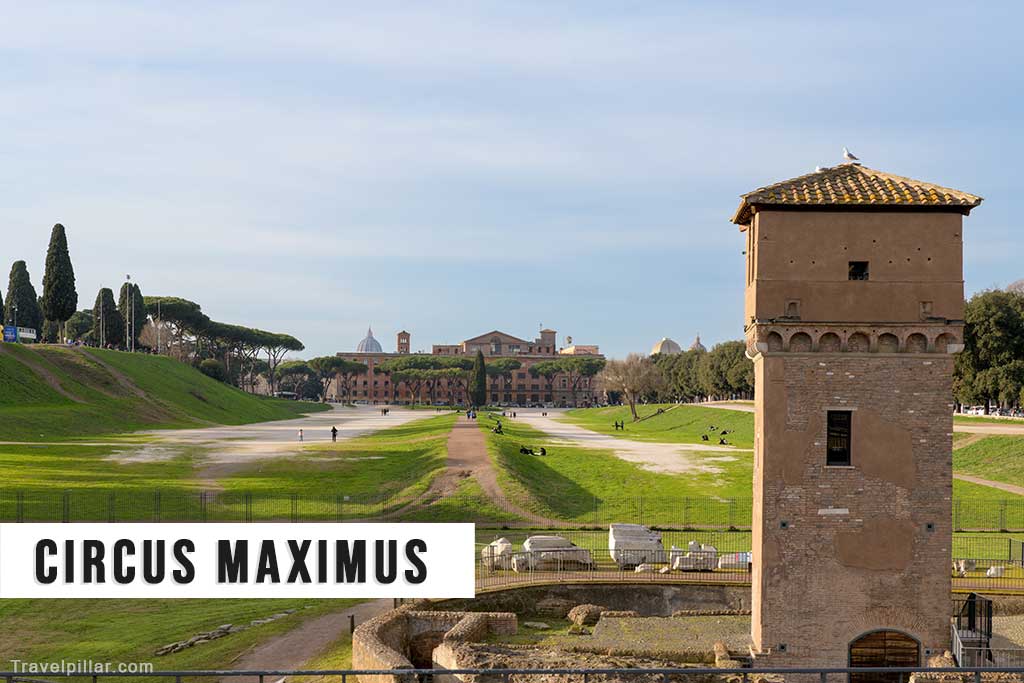
Circus Maximus, located between Rome’s Aventine and Palatine Hills, was an ancient Roman chariot racing stadium and mass entertainment venue. Dating back to the 6th century BCE, it could accommodate up to 250,000 spectators, making it one of the largest structures of its kind. Today, the site is an open park, retaining traces of its grand past. It remains a historically significant landmark reflecting Rome’s ancient engineering and cultural heritage.
Google map 4.5/5
#43 Via Appia Antica (Appian Way)
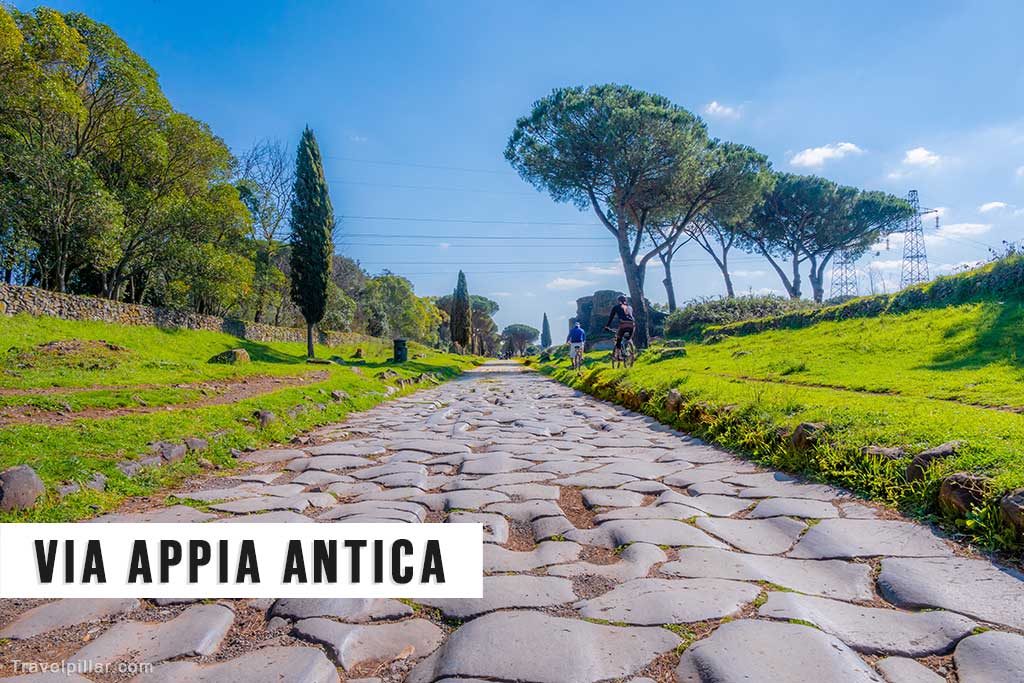
Via Appia Antica, known as the Appian Way, is one of ancient Rome’s earliest and most important roads, built in 312 BCE. Stretching from Rome to Brindisi, it served as a vital route for trade and military transport. Today, it offers a picturesque path lined with ruins, aqueducts, and catacombs, such as San Sebastiano. A popular destination for walkers and cyclists, it provides a glimpse into Roman history and infrastructure.
Google map 4.8/5
#44 Ara Pacis
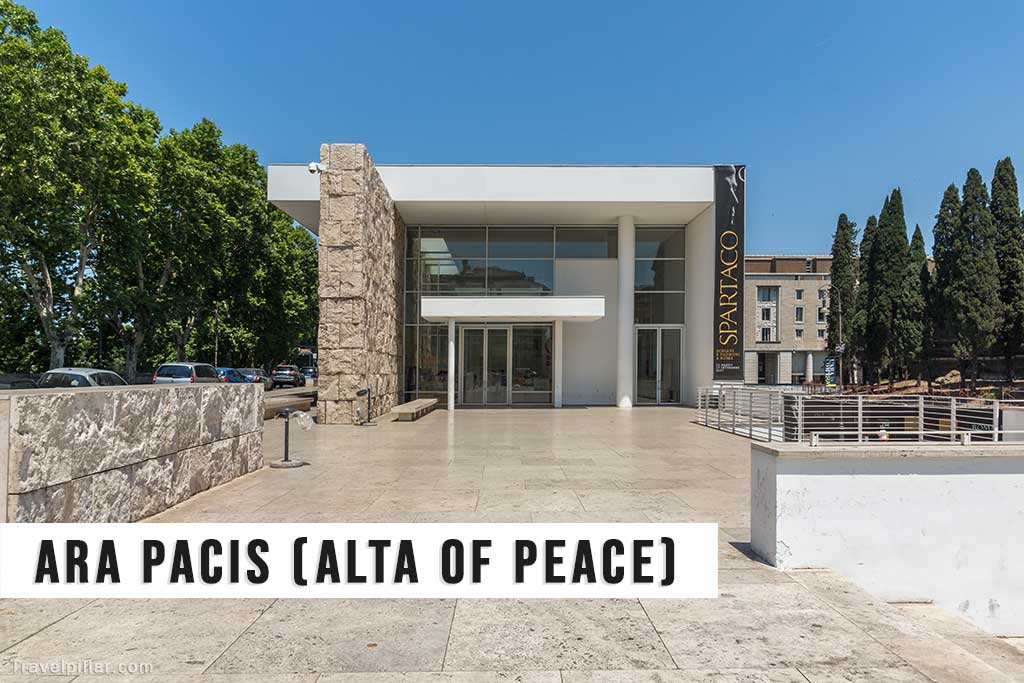
Ara Pacis, or the Altar of Peace, is an ancient Roman monument dedicated in 9 BCE to celebrate Emperor Augustus’s establishment of peace in the empire. Located near the Tiber River, the altar is enclosed in a modern glass pavilion designed by Richard Meier. Its intricate reliefs depict scenes of Roman mythology and imperial family members, symbolizing prosperity and unity. Ara Pacis remains a significant artifact of Roman art and political ideology.
Google map 4.5/5
#45 Teatro di Marcello

Teatro di Marcello, an ancient open-air theater in Rome, was commissioned by Julius Caesar and completed under Augustus in 13 BCE. Named after Augustus’s nephew, it could accommodate around 15,000 spectators and hosted performances of drama and music. Its design influenced later Roman amphitheaters, including the Colosseum. Today, its well-preserved arches and columns remain a testament to Roman engineering. The site also features medieval and Renaissance additions, showcasing layered historical significance.
Google map 4.6/5
#46 Cestius Pyramid
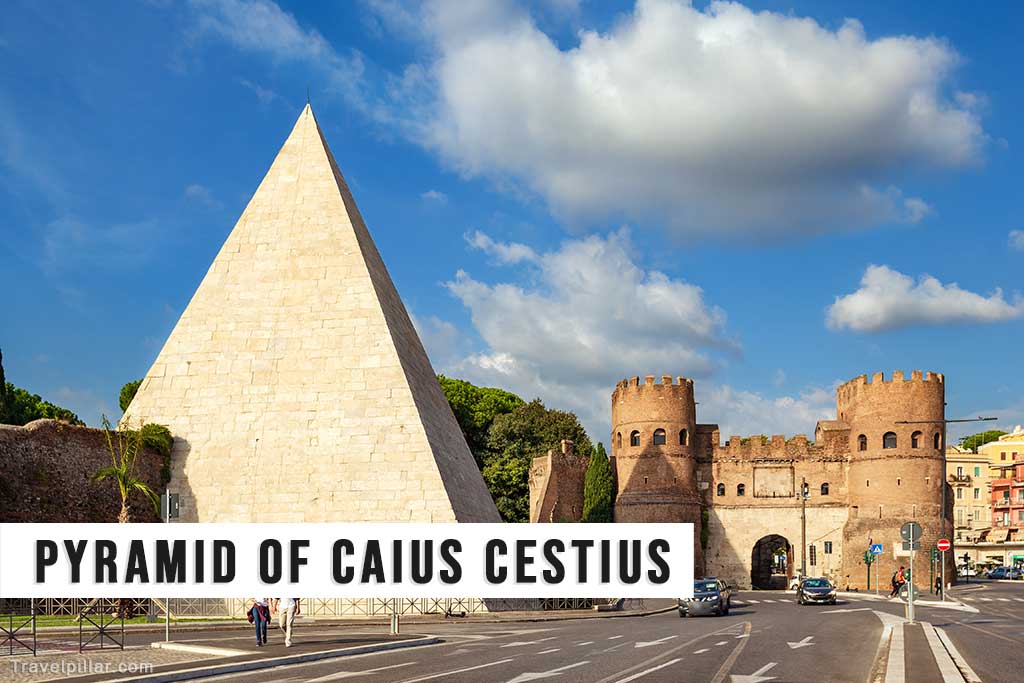
Cestius Pyramid, located near Rome’s Porta San Paolo, is a unique ancient Roman monument built around 12 BCE as a tomb for Gaius Cestius, a magistrate and priest. Inspired by Egyptian influence, the pyramid stands 36 meters tall and is made of white Carrara marble. It is integrated into the Aurelian Walls, reflecting its later defensive use. The pyramid’s preservation offers a distinctive glimpse into Rome’s eclectic architectural and cultural history.
Google map 4.3/5
#47 Villa d’Este (Tivoli)
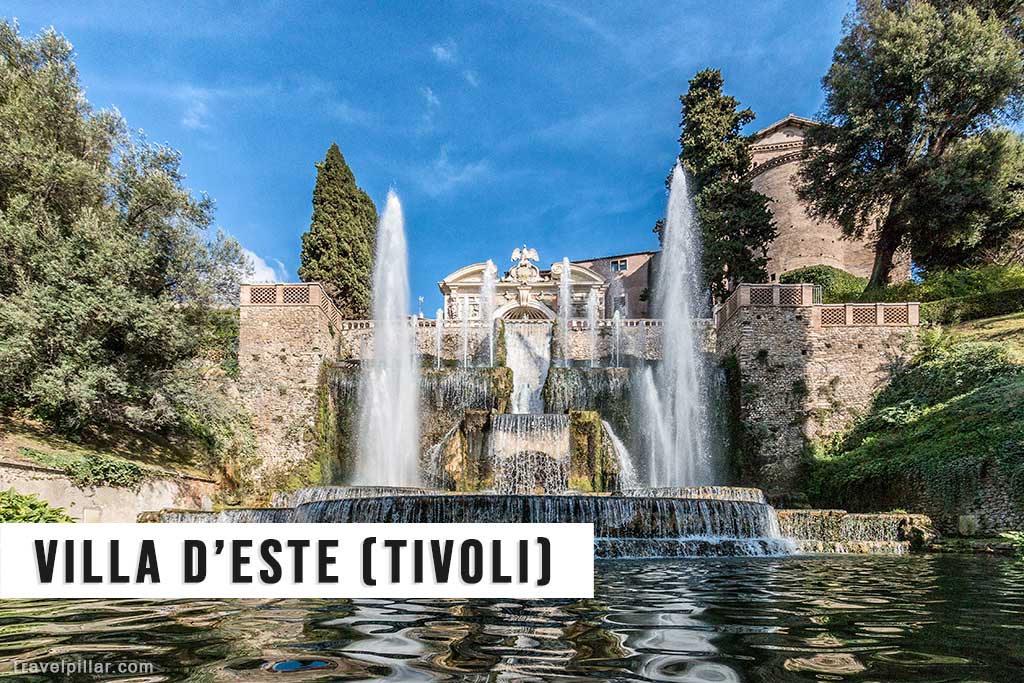
Villa d’Este, located in Tivoli near Rome, is a UNESCO World Heritage site renowned for its Renaissance gardens and fountains. Built in the 16th century for Cardinal Ippolito II d’Este, the villa features lavish frescoes and intricate designs. Its terraced gardens are celebrated for their hydraulic engineering, with highlights like the Fountain of Neptune and the Hundred Fountains. Villa d’Este is a masterpiece of landscape architecture and Renaissance artistry.
Google map 4.7/5
#48 Piazza Colonna (Colonna di Marco Aurelio)
Piazza Colonna, located in central Rome, is named after the Column of Marcus Aurelius, an ancient Roman monument celebrating the emperor’s military victories. Erected in 193 AD, the column features intricate reliefs spiraling upward. The square is surrounded by significant buildings, including the Palazzo Chigi, now the seat of Italy’s Prime Minister. As a hub of political and historical significance, Piazza Colonna remains a prominent and vibrant part of Rome’s urban landscape.
Google map 4.7/5
#49 Via Condotti

Via Condotti, located near the Spanish Steps in Rome, is one of the city’s most prestigious shopping streets. Renowned for its luxury boutiques and high-end fashion houses, it features global brands such as Gucci, Prada, and Bulgari. The street’s historic charm and elegant architecture add to its appeal. Via Condotti serves as a symbol of Roman sophistication, attracting both fashion enthusiasts and visitors seeking a quintessential luxury shopping experience.
Google map 4.6/5
#50 Via del Governo Vecchio
Via del Governo Vecchio, located in the heart of Rome, is a charming historic street known for its cobblestone pathways and Renaissance architecture. It offers a mix of antique shops, independent boutiques, and traditional trattorias, creating a lively atmosphere. The street connects Piazza Navona to Corso Vittorio Emanuele II and reflects Rome’s blend of history and contemporary life. Its quaint character makes it a favorite for both locals and visitors exploring the city.
Google map 4.5/5
#51 Via Giulia
Via Giulia, designed by Donato Bramante in the early 16th century under Pope Julius II, is one of Rome’s most elegant and historic streets. Stretching parallel to the Tiber River, it features Renaissance palaces, churches, and the iconic Farnese Arch. The street was intended as a hub for administrative and civic functions. Today, Via Giulia is known for its tranquil atmosphere, historic charm, and its blend of architectural and cultural significance.
Google map 4.7/5
#52 Via Margutta
Via Margutta, a quaint street near Piazza del Popolo, is renowned for its artistic heritage and charm. Historically home to painters, sculptors, and artisans, it became famous after featuring in the film Roman Holiday. Lined with art galleries, boutiques, and ivy-covered buildings, the street retains a tranquil atmosphere. Its cultural significance and picturesque setting make Via Margutta a favorite destination for those seeking Rome’s artistic and historic character.
Google map 4.8/5
#53 Fountain of the Naiads (Fontana delle Naiadi)
The Fountain of the Naiads, located in Piazza della Repubblica in Rome, is a striking example of late 19th-century urban design. Completed in 1901 by sculptor Mario Rutelli, it features four bronze naiads symbolizing rivers, lakes, oceans, and underground waters. The central group depicts Glaucus, a sea god, wrestling a dolphin, representing the dominion of humankind over natural forces. The fountain remains an iconic feature of the square and a testament to Roman artistic grandeur.
Google map 4.9/5
#54 Palazzo Farnese
Palazzo Farnese, located in central Rome, is a Renaissance masterpiece designed by Antonio da Sangallo the Younger and later enhanced by Michelangelo. Completed in the 16th century, it served as the residence of the powerful Farnese family. Now housing the French Embassy, the palace features an elegant courtyard and frescoes by Annibale Carracci in the Farnese Gallery. Palazzo Farnese exemplifies Renaissance architecture and remains a significant cultural and diplomatic landmark in Rome.
Google map 4.5/5
#55 Basilica of Saint Mary of the Angels and Martyrs
The Basilica of Saint Mary of the Angels and Martyrs, located in Piazza della Repubblica, was designed by Michelangelo within the ruins of the ancient Baths of Diocletian. Consecrated in 1561, the basilica features a striking blend of classical Roman and Renaissance architecture. Notable for its meridian line and celestial-themed artwork, it serves as a unique religious and scientific site. The basilica reflects Rome’s integration of history, faith, and innovation.
Google map 4.7/5
#56 Capuchin Crypt
The Capuchin Crypt, located beneath the Church of Santa Maria della Concezione dei Cappuccini, is a unique ossuary adorned with the bones of Capuchin friars. Arranged in elaborate patterns across six chapels, the decorations symbolize the fleeting nature of life. Dating back to the 17th century, the crypt reflects the Capuchin order’s spiritual philosophy. It remains a thought-provoking site, blending art and mortality in a deeply historical context.
Google map 4.5/5
#57 Largo di Torre Argentina
Largo di Torre Argentina, located in central Rome, is an archaeological site featuring the remains of four Republican-era temples and part of Pompey’s Theatre. It is historically notable as the site of Julius Caesar’s assassination in 44 BCE. Today, it also serves as a sanctuary for stray cats, adding a unique charm to its ancient ruins. The site provides valuable insights into Rome’s Republican history and architectural evolution.
Google map 4.5/5
#58 Museum of Contemporary Art of Rome (MACRO)
The Museum of Contemporary Art of Rome (MACRO) is a leading institution dedicated to modern and contemporary art in Rome. Housed in a former brewery, the museum features a dynamic collection of Italian and international artworks from the 20th and 21st centuries. MACRO is known for its rotating exhibitions, innovative installations, and programs that engage with contemporary cultural issues.
Google map 4.3/5