
Leonardo da Vinci (1452-1519)
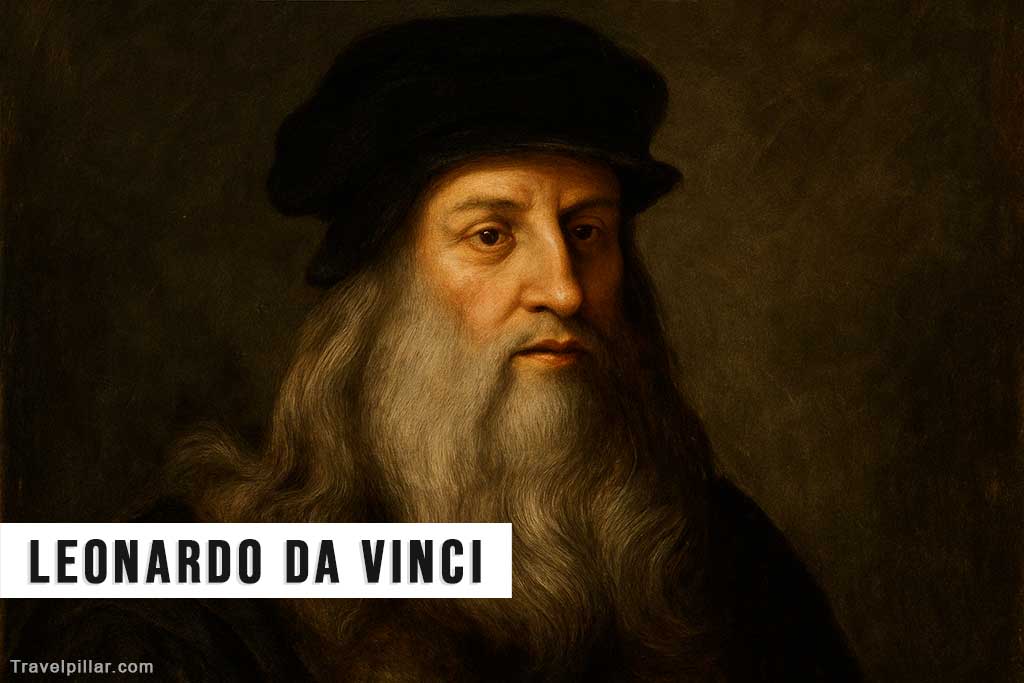
Leonardo da Vinci (1452-1519): Leonardo da Vinci was a polymath who excelled in various fields, including painting, sculpture, architecture, science, and engineering. As one of the most influential figures of the Italian Renaissance, he is best known for his masterpieces “The Last Supper” and “Mona Lisa.” Leonardo’s unparalleled talent for capturing the human form and his innovative techniques, such as sfumato, have left a lasting impact on the world of art.
Sandro Botticelli (1445-1510)
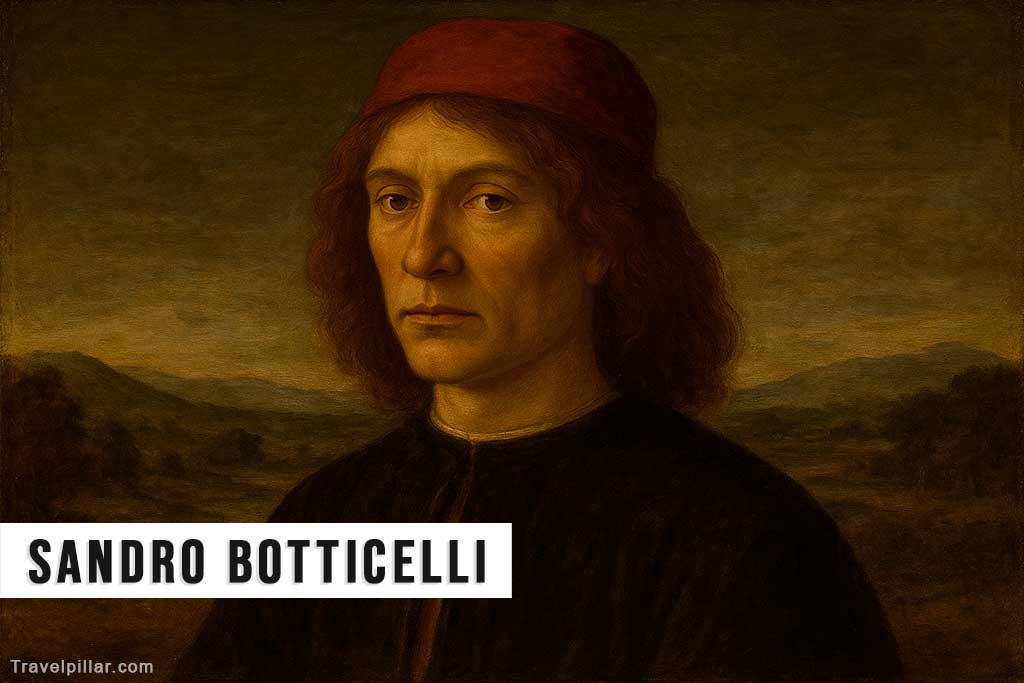
Sandro Botticelli (1445-1510): A prominent figure of the Early Renaissance, Sandro Botticelli is known for his elegant and graceful paintings that often depict mythological and religious subjects. His most famous works, “The Birth of Venus” and “Primavera,” showcase his delicate use of line and color, as well as his skill in creating complex, allegorical compositions. Botticelli’s distinctive style has left a lasting mark on the history of art.
Michelangelo (1475-1564)

Michelangelo Buonarroti (1475-1564): A true Renaissance man, Michelangelo was a master of painting, sculpture, and architecture. His works, such as the statue of “David” and the ceiling frescoes in the Sistine Chapel, are widely regarded as some of the most important and influential works of Western art. Michelangelo’s extraordinary ability to depict human anatomy, emotion, and movement has cemented his legacy as one of the greatest artists of all time.
Raphael (1483-1520)

Raphael, or Raffaello Sanzio da Urbino (1483-1520), was a pivotal figure in the Italian High Renaissance, renowned for his clarity of form and balanced compositions. His notable works, such as “The School of Athens” and “Sistine Madonna,” exemplify his mastery of perspective, depth, and serene representation of human grandeur. Also an architect, Raphael worked on significant commissions, including parts of Saint Peter’s Basilica. His influence on Western art is immeasurable, his work forming a classical canon for subsequent generations.
Titian (c. 1488-1576)
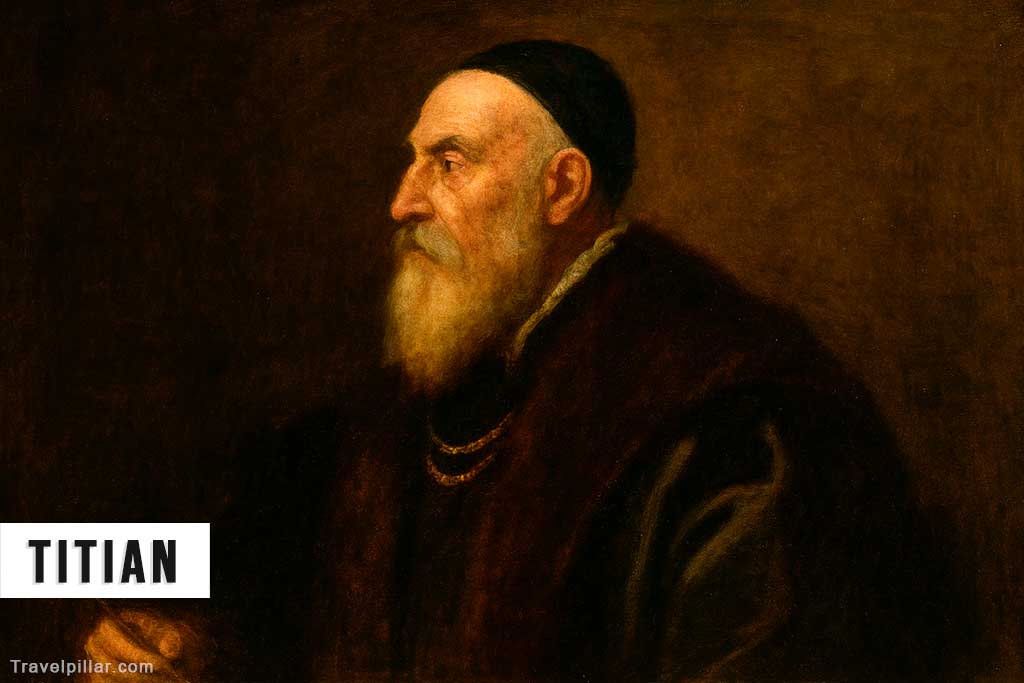
Titian (c. 1488-1576): As one of the leading painters of the Venetian Renaissance, Titian was renowned for his masterful use of color and his innovative approach to composition. His works, which include portraits, religious scenes, and mythological subjects, such as “Bacchus and Ariadne” and “The Assumption of the Virgin,” demonstrate his exceptional skill in capturing movement, emotion, and atmosphere. Titian’s influential style has inspired countless artists throughout history.
Giorgio Vasari (1511-1574)
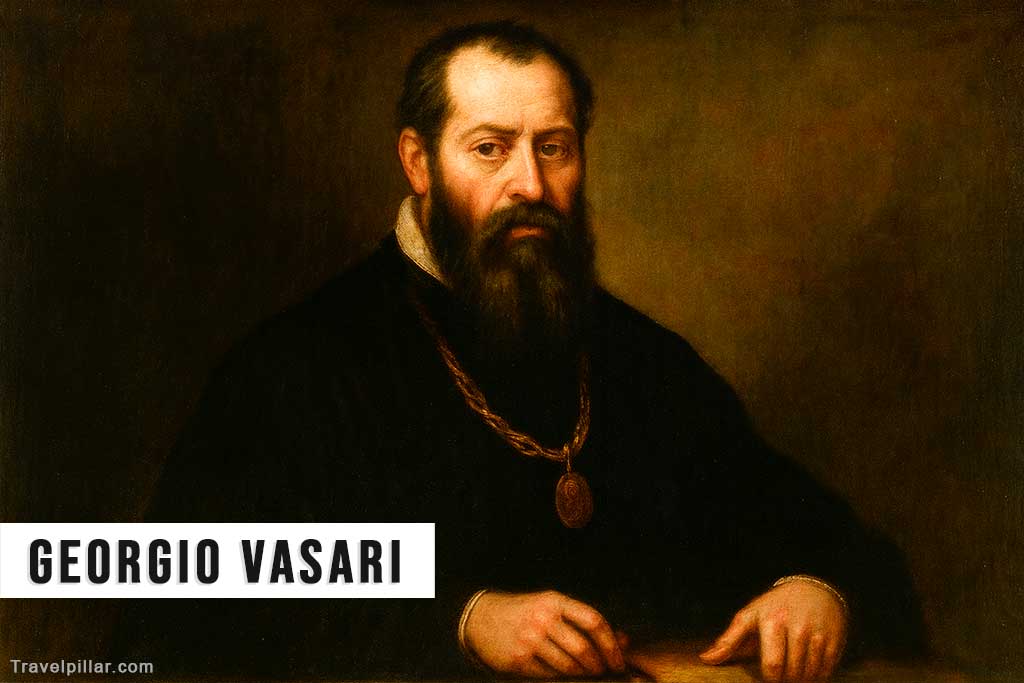
Giorgio Vasari (1511-1574): An accomplished painter, architect, and writer, Giorgio Vasari is best known for his book “Lives of the Most Excellent Painters, Sculptors, and Architects,” which provides invaluable biographical information on many of the Italian Renaissance’s leading artists. Vasari was also a skilled painter in his own right, creating works such as “The Last Judgement” fresco in the Florence Cathedral.
Caravaggio (1571-1610)
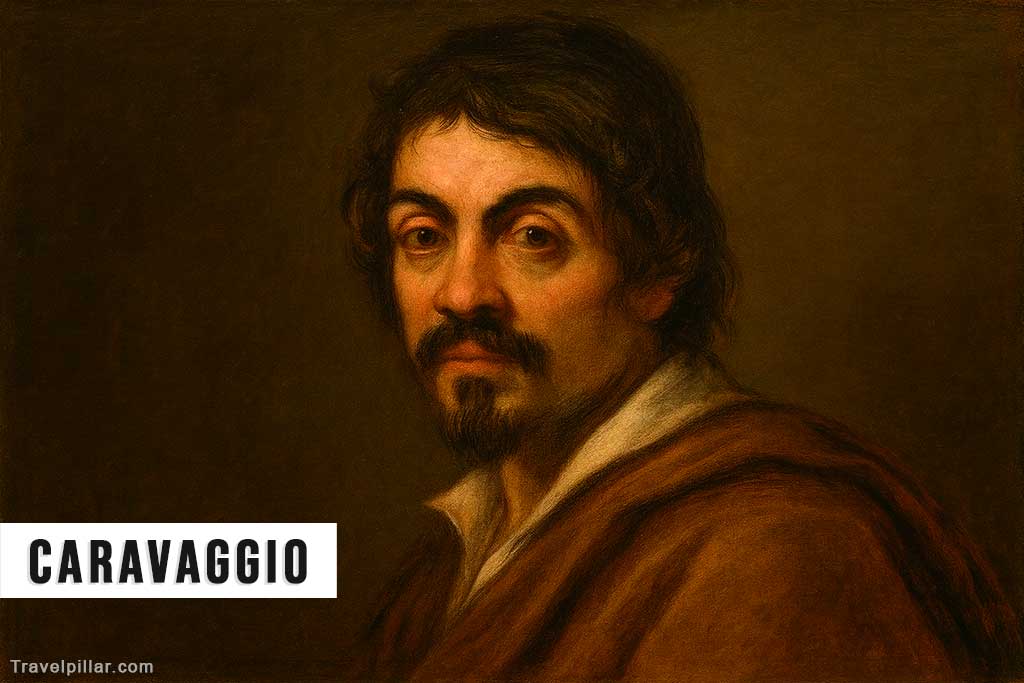
Caravaggio (1571-1610): A revolutionary figure in the Baroque movement, Caravaggio was known for his dramatic use of light and shadow, which created a powerful sense of realism in his paintings. His works, such as “The Calling of St. Matthew” and “Judith Beheading Holofernes,” often depicted religious and mythological scenes, capturing intense emotional moments with extraordinary detail and depth. Caravaggio’s innovative style has had a lasting influence on the world of art.
Giotto di Bondone (c. 1267-1337)

Giotto di Bondone (c. 1267-1337): Often considered the “Father of the Renaissance,” Giotto was a groundbreaking painter and architect who introduced a more naturalistic and humanistic approach to art. His frescoes, particularly those in the Scrovegni Chapel in Padua, marked a significant departure from the flat, stylized representations of the medieval period. Giotto’s innovative techniques, such as his use of perspective and his focus on emotional expression, laid the foundation for the development of Renaissance art.
Gian Lorenzo Bernini (1598-1680)
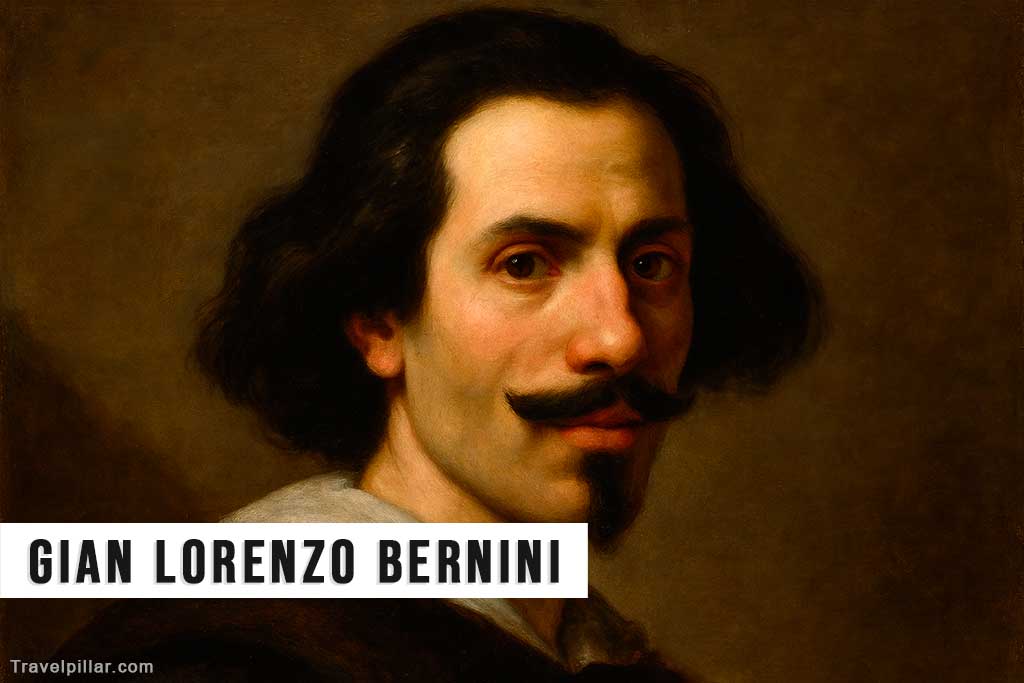
Gian Lorenzo Bernini (1598-1680): A leading figure of the Baroque movement, Gian Lorenzo Bernini was an extraordinarily talented sculptor, architect, and painter. His dramatic and dynamic sculptures, such as “Apollo and Daphne” and “The Ecstasy of Saint Teresa,” are characterized by their intense emotion and movement. In addition to his sculptures, Bernini was also a prominent architect, designing iconic buildings such as the Piazza San Pietro and the Baldachin in St. Peter’s Basilica.
These are just a few of the many influential Italian artists who have made significant contributions to the world of art.