

Edgar Degas (1834-1917) was a renowned French artist widely recognized for his captivating depiction of movement and his ability to capture the essence of modern Parisian life. Despite being associated with the Impressionists, Degas preferred to be recognized as a realist, citing his interest in drawing and the psychological complexity of human figures.
Born into a prosperous banking family in Paris, Degas originally pursued a law degree before deciding to devote his life to art. He studied at the École des Beaux-Arts and was heavily influenced by classical art, frequently copying works at the Louvre.

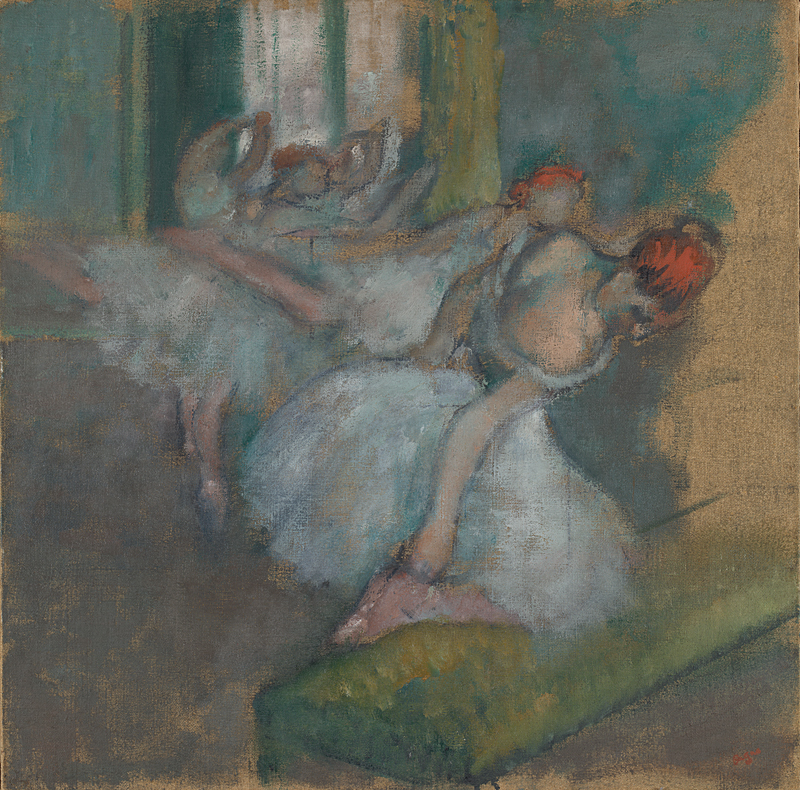
Degas is most famous for his depiction of ballet dancers. His fascination with the ballet world is evident in around half of his body of work, including prominent pieces like “The Dance Class” and “L’Étoile”. These works exhibit his masterful ability to capture movement, poise, and the strenuous training of the dancers. Additionally, he was known for his paintings and pastels of horse races and female nudes, and for his innovative use of pastels.
In his later life, Degas faced failing eyesight which prompted a shift towards sculpture and pastel, working increasingly from memory and imagination. Despite his personal struggles, Degas continued to work tirelessly, leaving a substantial oeuvre that greatly influenced the art of his time.

Degas’s contribution to the art world is significant. His unique composition, innovative technique, and exploration of modern themes set him apart from his contemporaries. His approach to capturing the human figure in motion, combined with his keen observational skills, mark him as a critical figure in the transition to modern art. His influence is seen in many subsequent art movements, including Fauvism and Cubism. Today, Degas remains one of the most celebrated and influential figures in the history of art.