
Famous French Artists have played a central role in the development of Western art, contributing to major movements from Rococo and Neoclassicism to Impressionism and Modernism. Artists such as Claude Monet, Jacques-Louis David, and Henri Matisse produced influential works that shaped artistic trends in France and beyond. Their paintings, now housed in museums across the country, reflect the evolving styles and cultural history of France from the 18th to the 20th centuries.
Jacques-Louis David (1748–1825)

Jacques-Louis David was a French Neoclassical painter known for his historical and political subjects. His works, including The Death of Marat and Napoleon Crossing the Alps, reflect Enlightenment ideals and Revolutionary themes. David was closely associated with the French Revolution and later served as Napoleon’s official painter. His precise compositions and classical influences made him a leading figure in late 18th and early 19th-century French art.
Jean-Auguste-Dominique Ingres (1780–1867)
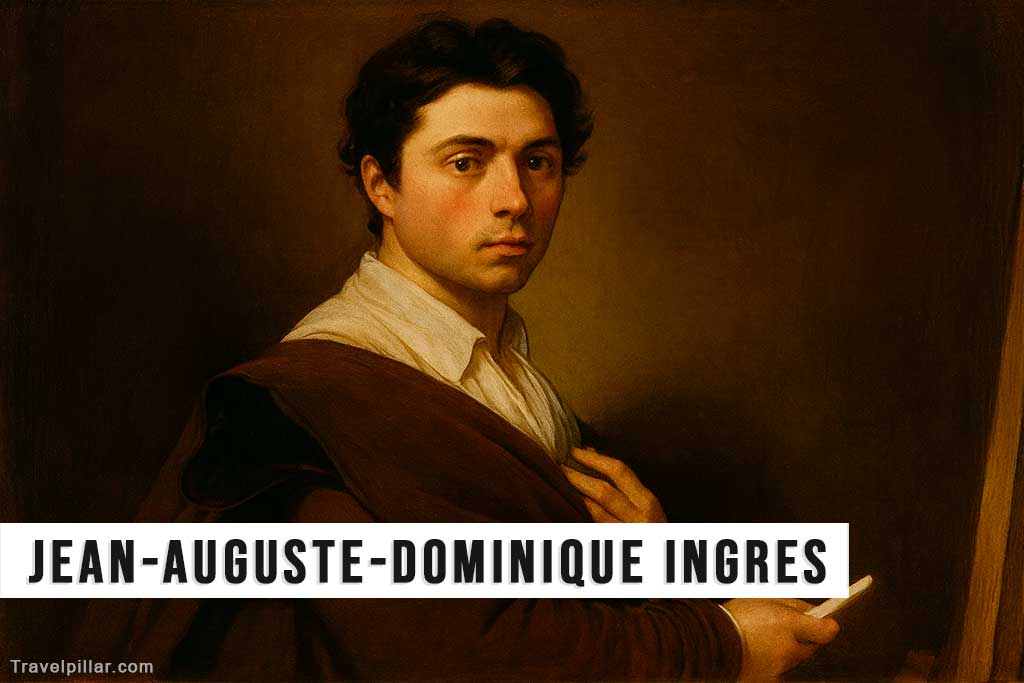
Jean-Auguste-Dominique Ingres was a French Neoclassical painter known for his precise draftsmanship and idealized portraits. A student of Jacques-Louis David, Ingres emphasized line and clarity over color. Notable works include The Grande Odalisque and Portrait of Monsieur Bertin. His art reflects classical influences and academic discipline, establishing him as a key figure in 19th-century French painting and a prominent representative of Neoclassical aesthetics.
Claude Monet (1840-1926)

A founding member of the Impressionist movement, Claude Monet is best known for his vibrant landscapes and his innovative use of color and light. His series of paintings, such as “Water Lilies” and “Haystacks,” demonstrate his ability to capture the changing atmosphere and mood of a scene. Monet’s groundbreaking approach to painting has made him one of the most celebrated artists in history. https://en.wikipedia.org/wiki/Claude_Monet
Edgar Degas (1834-1917)

A prominent figure in the Impressionist movement, Edgar Degas is renowned for his paintings, sculptures, and prints depicting dancers, racehorses, and other contemporary subjects. His innovative compositions and skillful use of color and movement set him apart from his contemporaries. Degas’ works, such as “The Dance Class” and “L’Absinthe,” continue to captivate audiences worldwide. https://en.wikipedia.org/wiki/Edgar_Degas
Auguste Rodin (1840-1917)

Often considered the father of modern sculpture, Auguste Rodin created expressive and emotionally charged works that broke away from traditional sculptural conventions. His most famous works, such as “The Thinker” and “The Kiss,” showcase his mastery of the human form and his ability to convey complex emotions through sculpture. Rodin’s innovative approach has had a lasting impact on the world of art. https://en.wikipedia.org/wiki/Auguste_Rodin
Henri Matisse (1869-1954)

A leading figure in the Fauvist movement, Henri Matisse is celebrated for his use of bold colors and expressive, simplified forms. His paintings, such as “The Joy of Life” and “The Dance,” convey a sense of energy and emotion that has influenced generations of artists. Matisse’s innovative approach to color and form has made him one of the most important artists of the 20th century. https://en.wikipedia.org/wiki/Henri_Matisse
Pierre-Auguste Renoir (1841-1919)

Pierre-Auguste Renoir (1841-1919): As a leading Impressionist painter, Pierre-Auguste Renoir is known for his luminous and vibrant depictions of everyday life. His skillful use of color and light, combined with his ability to capture the beauty and joy of his subjects, has made his works, such as “Luncheon of the Boating Party” and “Dance at Le Moulin de la Galette,” enduring favorites among art lovers. https://en.wikipedia.org/wiki/Pierre-Auguste_Renoir
Paul Cézanne (1839-1906)
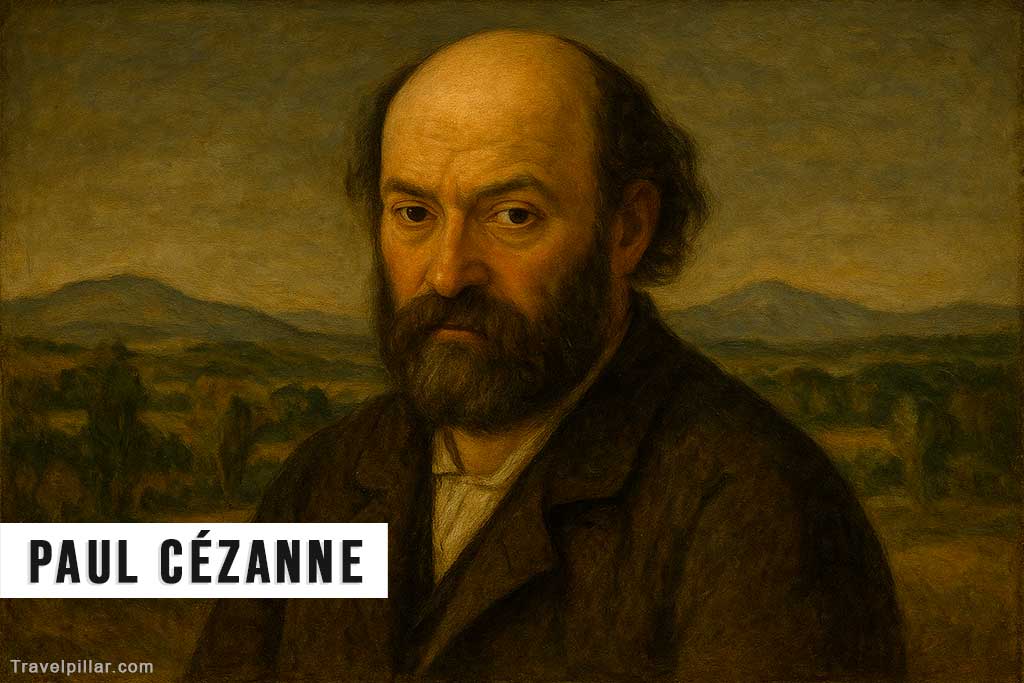
Paul Cézanne (1839-1906): Often considered the bridge between Impressionism and Cubism, Paul Cézanne’s innovative approach to form and color paved the way for modern art. His still lifes, landscapes, and portraits, such as “Mont Sainte-Victoire” and “The Card Players,” demonstrate his unique style and his mastery of composition. Cézanne’s groundbreaking techniques have had a profound influence on the development of 20th-century art. https://en.wikipedia.org/wiki/Paul_C%C3%A9zanne
List of Paintings
Henri Cartier-Bresson (1908-2004)
Widely regarded as the father of modern photojournalism, Henri Cartier-Bresson was a pioneer in the world of photography. His ability to capture decisive moments and his keen eye for composition have made his works, such as “Behind the Gare Saint-Lazare” and “The Decisive Moment,” iconic examples of the art of photography. https://en.wikipedia.org/wiki/Henri_Cartier-Bresson
Marcel Duchamp (1887-1968)

A pivotal figure in the development of modern art, Marcel Duchamp challenged conventional ideas about what constitutes art with his thought-provoking and controversial works. His groundbreaking “readymades,” such as “Fountain” and “Bicycle Wheel,” questioned the role of the artist and the nature of art itself. Duchamp’s innovative ideas and approach to art have had a lasting influence on the contemporary art world. https://en.wikipedia.org/wiki/Marcel_Duchamp
Georges Seurat (1859-1891)

A pioneer of the Neo-Impressionist movement, Georges Seurat is best known for his innovative technique of pointillism, which involves applying small dots of color to create an image. His most famous works, such as “A Sunday on La Grande Jatte” and “Bathers at Asnières,” showcase his mastery of color, light, and composition. Seurat’s distinctive style and unique approach to painting have left a lasting impact on the history of art. https://en.wikipedia.org/wiki/Georges_Seurat
Gustave Courbet (1819-1877)

A leading figure in the Realist movement, Gustave Courbet sought to depict the world around him as it truly was, without idealization or romanticism. His powerful and sometimes controversial works, such as “The Stone Breakers” and “The Origin of the World,” challenged traditional artistic conventions and paved the way for modern art. https://en.wikipedia.org/wiki/Gustave_Courbet
Édouard Manet (1832-1883)

A pivotal figure in the transition from Realism to Impressionism, Édouard Manet is known for his innovative approach to painting and his bold, unconventional style. His works, such as “Luncheon on the Grass” and “Olympia,” often challenged traditional artistic conventions and sparked controversy for their depiction of modern life and their provocative subject matter. Manet’s skillful use of light, color, and composition, as well as his willingness to break with tradition, have made him one of the most important and influential artists in the history of art. https://en.wikipedia.org/wiki/%C3%89douard_Manet
Paul Gauguin (1848-1903)

A leading figure of the Post-Impressionist movement, Paul Gauguin’s innovative approach to painting and his exotic subject matter, often inspired by his travels to Tahiti and other South Pacific islands, have made him one of the most influential artists of the late 19th century. His works, such as “Where Do We Come From? What Are We? Where Are We Going?” and “Tahitian Women on the Beach,” demonstrate his unique style and his use of bold colors and flat, decorative patterns. Gauguin’s groundbreaking techniques and his exploration of non-Western cultures have had a lasting influence on the development of modern art. https://en.wikipedia.org/wiki/Paul_Gauguin
Henri Rousseau (1844-1910)
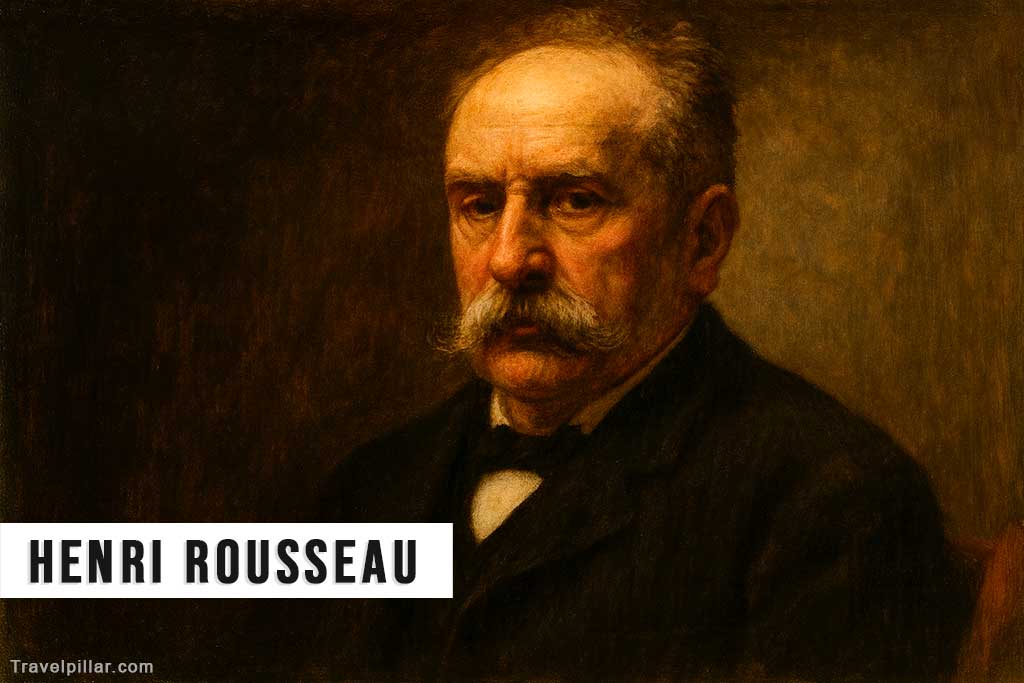
A self-taught painter known for his dreamlike and fantastical landscapes and scenes, Henri Rousseau is often considered a pioneer of the Naïve or Primitive art movement. His works, such as “The Sleeping Gypsy” and “The Dream,” are characterized by their lush, exotic settings, their attention to detail, and their use of bold colors and patterns. Rousseau’s unconventional approach and his exploration of the subconscious have made him an enduring figure in the history of art. https://en.wikipedia.org/wiki/Henri_Rousseau
Eugène Delacroix (1798-1863)

Eugène Delacroix (1798-1863) was a prominent French Romantic artist renowned for his dynamic and colorful works. His use of expressive brushstrokes and his study of the optical effects of color profoundly shaped the work of the Impressionists. Delacroix’s dramatic compositions, such as “Liberty Leading the People,” combined historical, political, and personal themes, and are emblematic of the Romantic emphasis on emotion. His influence extends beyond painting to literature and the Symbolist movement.
Camille Pissarro (1830–1903)

Camille Pissarro (1830-1903) was a Danish-French Impressionist and Neo-Impressionist painter. Pivotal in the formation of the Impressionist movement, Pissarro was the only artist to participate in all eight Impressionist exhibitions. His works, such as “Boulevard Montmartre at Night,” are characterized by loose brushwork and outdoor scenes. Later, he also embraced Pointillism. Pissarro’s influence extends to leading artists of the time, including Paul Cézanne and Paul Gauguin, whom he mentored.
François Boucher (1703–1770)

François Boucher (1703–1770) was a French Rococo painter known for his decorative and playful works. His art often depicted mythological themes, pastoral scenes, and sensual portraits, characterized by vibrant colors and intricate details. A favorite of Louis XV’s court and Madame de Pompadour, Boucher’s notable works include The Triumph of Venus and The Toilet of Venus. His contributions epitomize the elegance and extravagance of 18th-century French art.
Jean-Honoré Fragonard (1732–1806)
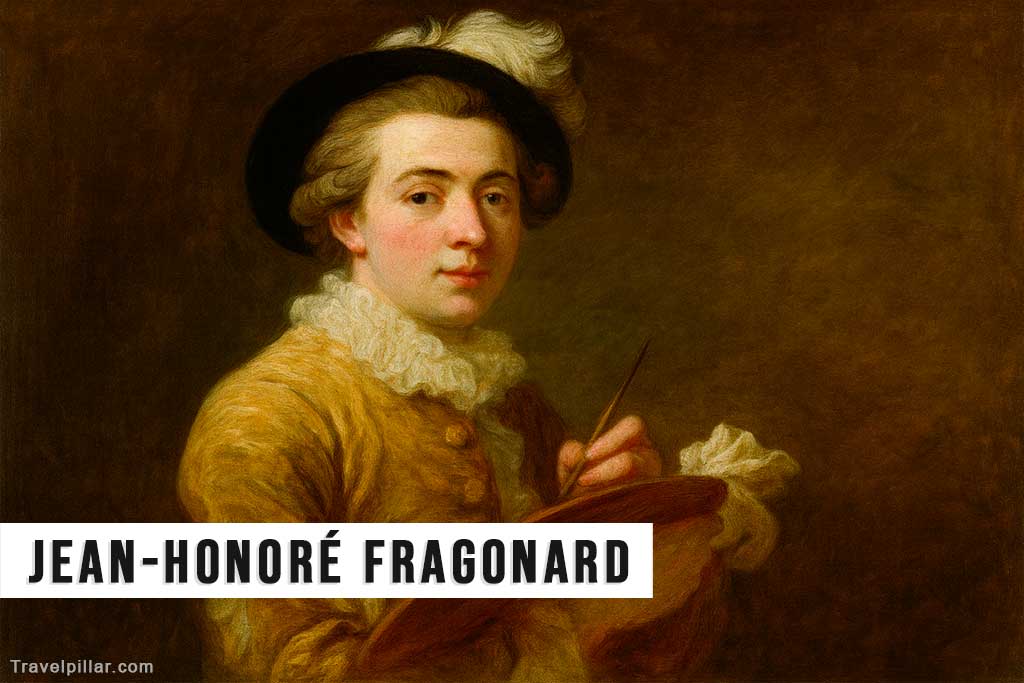
Jean-Honoré Fragonard (1732–1806) was a French Rococo painter celebrated for his lighthearted and romantic works. His art often depicted themes of love, leisure, and mythology, characterized by soft brushwork, vibrant colors, and intricate detail. Notable paintings include The Swing and The Progress of Love series. Fragonard’s works reflect the elegance and charm of 18th-century aristocratic life, securing his legacy as one of the leading figures of the Rococo movement.