
This page brings together a selection of European travel regions, where journeys are often shaped by a coastline, landscape or cultural area rather than a single city. These regions sit between countries and cities, offering a broader way to explore each destination. They combine well-known places with smaller towns and local variations, providing a more complete picture of each area. Many are associated with coastal scenery, historic settings or established travel routes. Travelpillar highlights key places within each region, offering a clear and structured starting point for understanding how they are organised and what they offer.
Mediterranean Coastal Regions
Balearic Islands (Spain)

The Balearic Islands include Mallorca, Menorca, Ibiza and Formentera, combining coastal landscapes with historic towns and varied local character. Travel ranges from well-developed resort areas to quieter rural settings and smaller beaches. Each island offers a different pace and atmosphere, making the region suitable for both short stays and more extended exploration across multiple locations.
Canary Islands (Spain)

The Canary Islands are located off the northwest coast of Africa and offer a year-round warm climate. The islands combine volcanic landscapes, coastal resorts and traditional towns, with each island having a distinct character. Travel is often focused on individual islands such as Tenerife, Gran Canaria or Lanzarote, with opportunities to explore both developed areas and more remote natural settings.
Greek Islands (Greece)

The Greek Islands are spread across the Aegean and Ionian seas and include well-known destinations such as Santorini, Corfu and Crete. The region combines coastal scenery, historic sites and traditional villages, with travel typically centred on one or two island groups. Ferry routes and short flights connect the islands, allowing for flexible itineraries across different parts of Greece.
Costa del Sol (Spain)

The Costa del Sol stretches along southern Spain’s Mediterranean coast and is one of the country’s most established holiday regions. It includes a series of coastal towns and resorts centred around Málaga, with easy access to beaches, marinas and nearby inland villages. The region is well connected and often combined with visits to other parts of Andalucia.
Costa Blanca (Spain)

The Costa Blanca extends along Spain’s southeastern coast and includes a mix of developed resort areas and smaller coastal towns. Alicante and Benidorm are key centres, while other areas offer quieter beaches and local character. The region is easily accessible and often chosen for longer stays, with a range of accommodation and transport options.
Costa Brava (Spain)

The Costa Brava stretches along the northeastern coast of Spain, north of Barcelona, and combines coastal scenery with historic towns and smaller resorts. The region includes places such as Tossa de Mar and Cadaqués, with a mix of beaches, rocky coves and cultural sites. Travel is often based around a central location with access to nearby coastal areas.
French Riviera (France)

The French Riviera, or Côte d’Azur, runs along the southeastern coast of France and includes cities such as Nice, Cannes and Monaco. The region combines coastal scenery, historic towns and established resort areas. Travel is typically based around a central location, with short distances between destinations and good public transport connections along the coast.
Amalfi Coast (Italy)

The Amalfi Coast is a coastal region in southern Italy known for its steep cliffs, historic towns and scenic coastal roads. Destinations such as Positano, Amalfi and Ravello are connected by road and boat, with travel focused on short distances between towns. The region is often combined with nearby Sorrento, Pompeii or the island of Capri.
Inland and Cultural Regions
Tuscany (Italy)

Tuscany is a central Italian region characterised by historic cities, rural landscapes and a network of smaller towns. Florence, Siena and Pisa are key destinations, supported by countryside areas known for vineyards and agricultural land. Travel is often based around a mix of city visits and time in rural locations, with relatively short distances between major sites.
The Italian Lakes

The Italian Lakes are located in northern Italy and include Lake Como, Lake Garda and Lake Maggiore. The region combines lakeside towns, mountain scenery and well-developed visitor infrastructure. Travel is typically centred around one lake, with opportunities to visit multiple towns by road or ferry, and to combine the area with nearby cities such as Milan or Verona.
Andalucia (Spain)
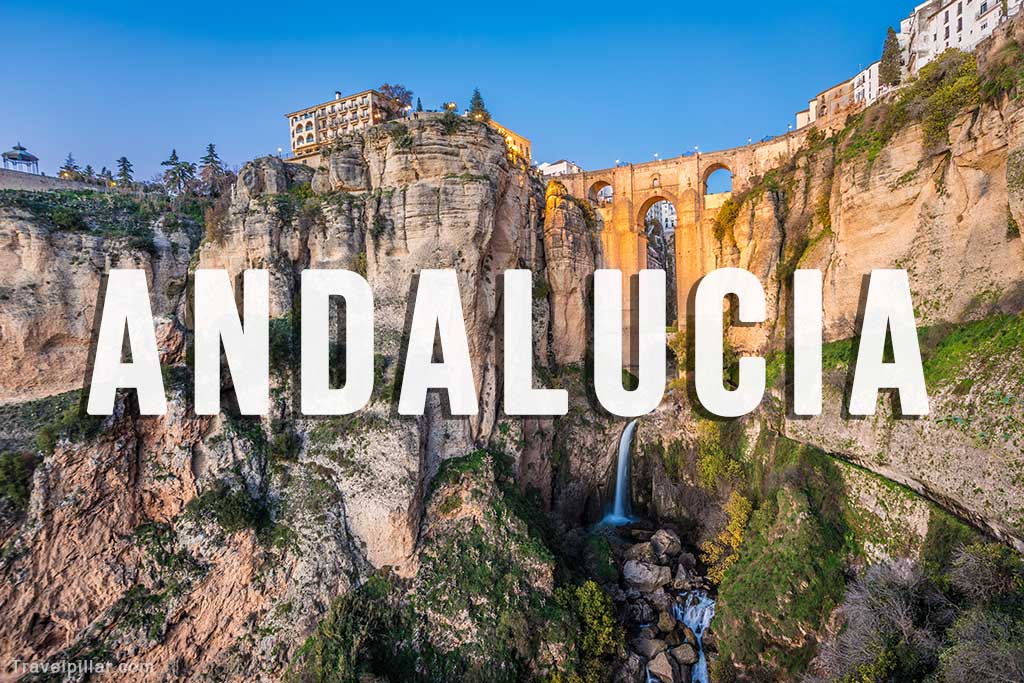
The Costa del Sol stretches along southern Spain’s Mediterranean coast and is one of the country’s most established holiday regions. It includes a series of coastal towns and resorts centred around Málaga, with easy access to beaches, marinas and nearby inland villages. The region is well connected and often combined with visits to other parts of Andalucia.
United Kingdom
Cornwall (England)

Cornwall is a coastal region in southwest England known for its beaches, cliffs and small towns. The area includes a mix of historic sites, coastal paths and established seaside destinations. Travel is often centred on a single base, with short journeys to nearby towns and beaches, and a focus on exploring the coastline and surrounding countryside.
The Lake District (England)

The Lake District is a national park in northwest England known for its lakes, mountains and extensive walking routes. The region includes a network of small towns and villages such as Keswick, Ambleside and Windermere, with travel focused on outdoor exploration. Journeys are often based around a single area, with short distances between key locations and viewpoints.