
Ariadne, a significant figure in Greek mythology, was the daughter of King Minos of Crete and Queen Pasiphaë. She is most famously associated with the myth of Theseus and the Minotaur. Her role in this story is crucial, as she assists Theseus, the hero of Athens, in navigating the labyrinth that housed the fearsome Minotaur, a creature with the body of a man and the head of a bull. Ariadne gave Theseus a ball of thread to unwind as he ventured into the labyrinth, enabling him to find his way back after slaying the Minotaur.
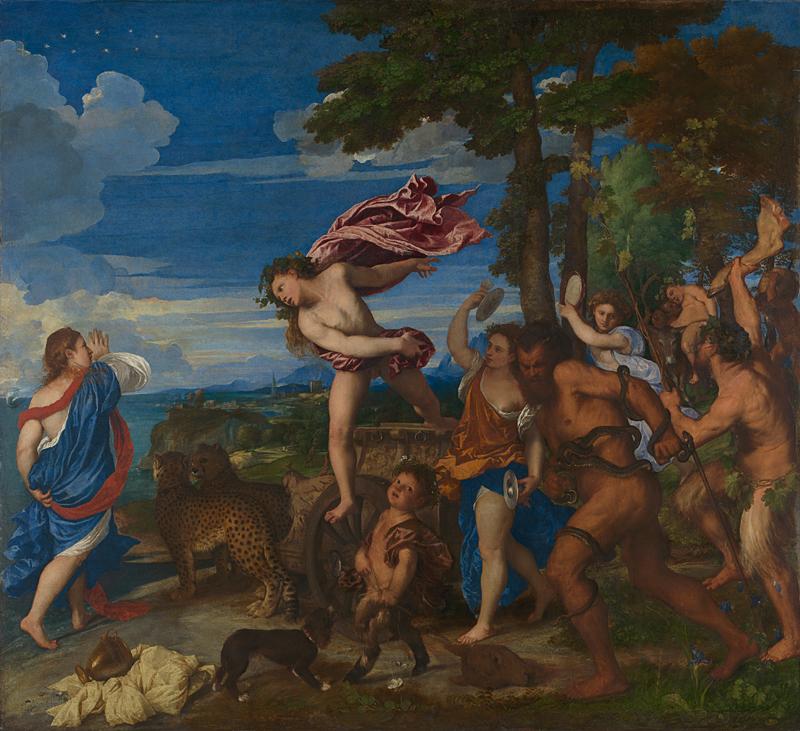
After Theseus defeated the Minotaur, Ariadne fled Crete with him. However, the myth takes a tragic turn when Theseus abandons her on the island of Naxos. Versions of the story vary, with some suggesting he left her while she was sleeping, either out of forgetfulness or deliberately to continue his journey without her.
Ariadne’s story does not end there. According to the myth, the god Dionysus, the god of wine and revelry, (Bacchus in Roman mythology) discovered Ariadne on Naxos. Moved by her beauty and despair, Dionysus fell in love with her. He made her his wife and granted her immortality, elevating her to the status of a goddess. To honor their union, Dionysus placed her crown in the sky as the constellation Corona Borealis, symbolizing her eternal place among the stars.
Visitors interested in Greek mythology can explore the places associated with Ariadne’s story. The ancient ruins of Knossos, the palace where King Minos ruled and where the labyrinth was believed to be located, are one of Crete’s most important archaeological sites. The island of Naxos, where Ariadne’s encounter with Dionysus took place, is also a destination for travelers exploring the myths and legends of ancient Greece.
Ariadne’s tale, with its themes of love, abandonment, and transformation, remains one of the most enduring stories in Greek mythology, connecting the mortal world with the divine.