
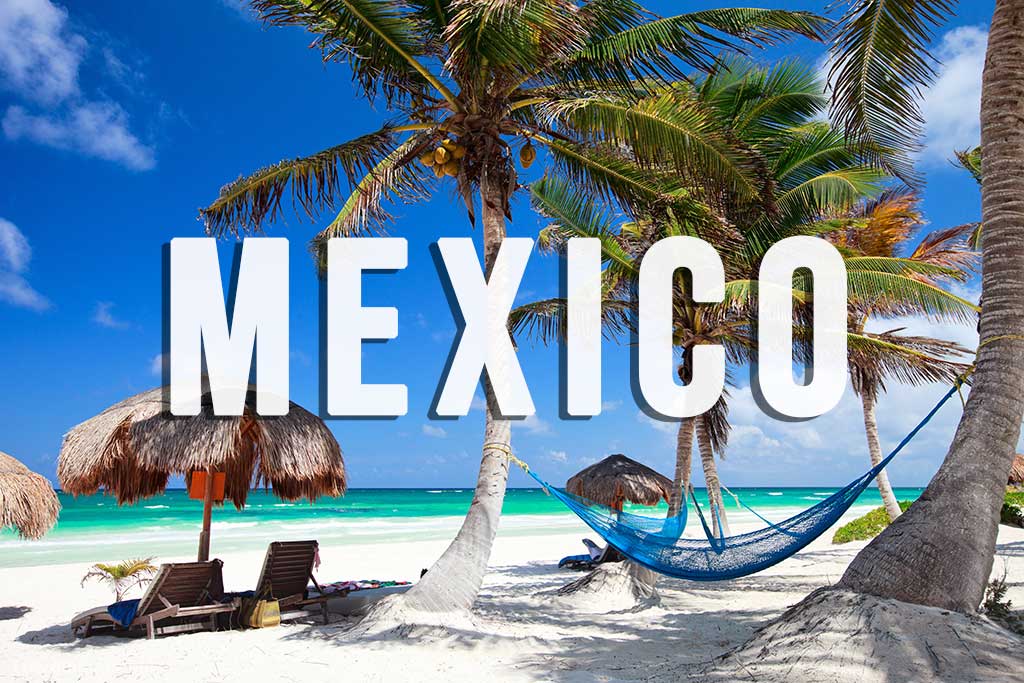
Mexico is a country located in North America, known for its diverse geography, rich history, and vibrant culture. It borders the United States to the north, and Guatemala and Belize to the south. The country features a variety of landscapes, including deserts, mountains, and tropical coastlines along the Pacific Ocean and the Caribbean Sea.
Mexico’s history is marked by ancient civilizations such as the Maya and Aztec, whose ruins, including Chichen Itza and Teotihuacan, remain major tourist attractions. Its colonial heritage is evident in cities like Mexico City, Puebla, and Guanajuato, where Spanish architecture and historical landmarks dominate.
Culturally, Mexico is renowned for its cuisine, music, and festivals. Mexican food, including tacos, enchiladas, and mole, is globally recognized, and traditional celebrations like Día de los Muertos reflect the country’s unique blend of indigenous and European influences.
Mexico’s dynamic mix of history, culture, and landscapes make it a compelling destination for travelers.
The Best Places to Visit in Mexico
Mexico City
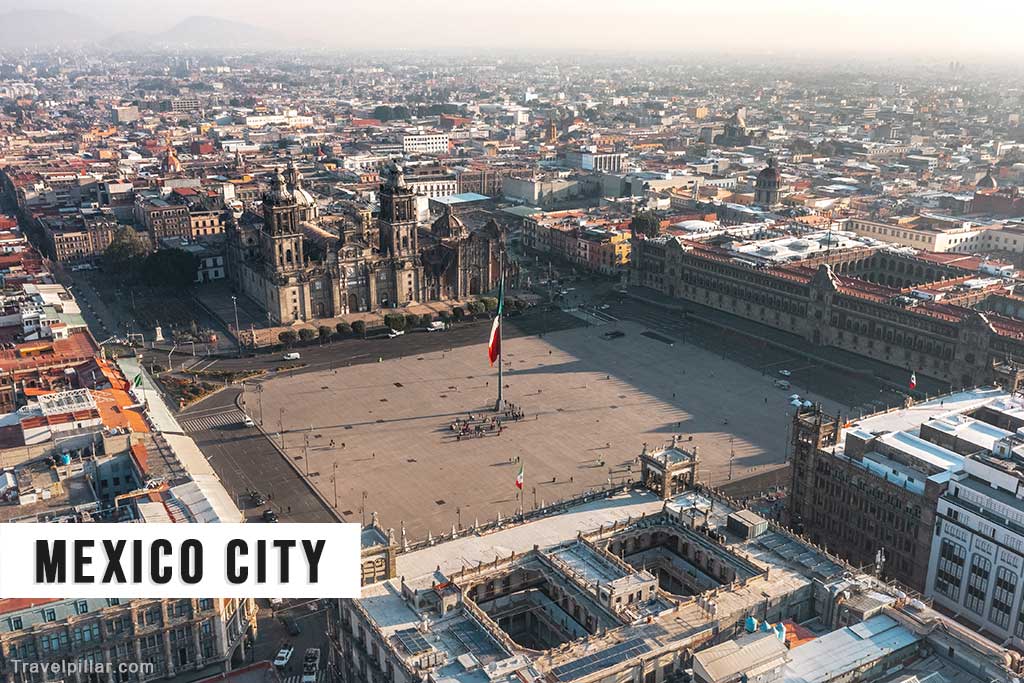
Mexico City is the bustling capital of Mexico, home to over 21 million residents. This vast metropolis showcases a blend of pre-Hispanic history, colonial architecture, and contemporary culture. Key landmarks include the ancient Aztec site of Templo Mayor, the Baroque-style Metropolitan Cathedral, and the modern Museo Frida Kahlo. The city’s cultural richness, gastronomic diversity, and extensive urban greenery, notably in Chapultepec Park, make it a must-visit urban destination.
Chichen Itza
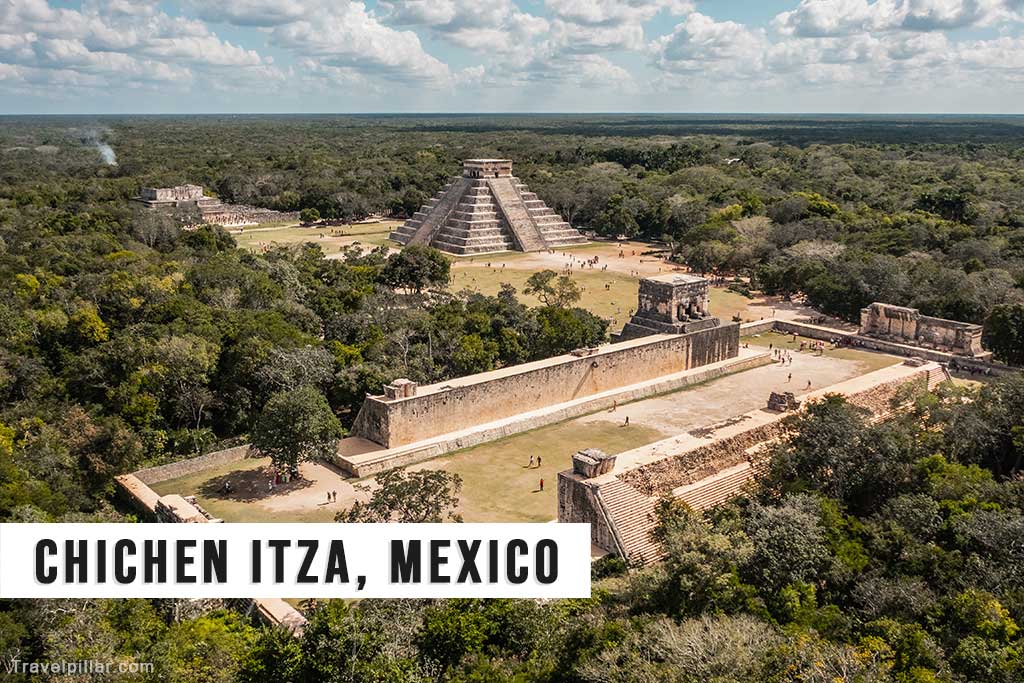
Chichen Itza is a UNESCO World Heritage Site located on Mexico’s Yucatan Peninsula. As one of the largest Mayan cities, it showcases significant archaeological structures such as El Castillo, or the Temple of Kukulcan, and the Great Ball Court. Its fusion of architectural and astronomical precision exemplifies the advanced knowledge of the Mayan civilization. Today, it stands as an iconic symbol of Mexico’s pre-Hispanic past and continues to draw innumerable visitors annually.
Google map 4.8/5
Cancun
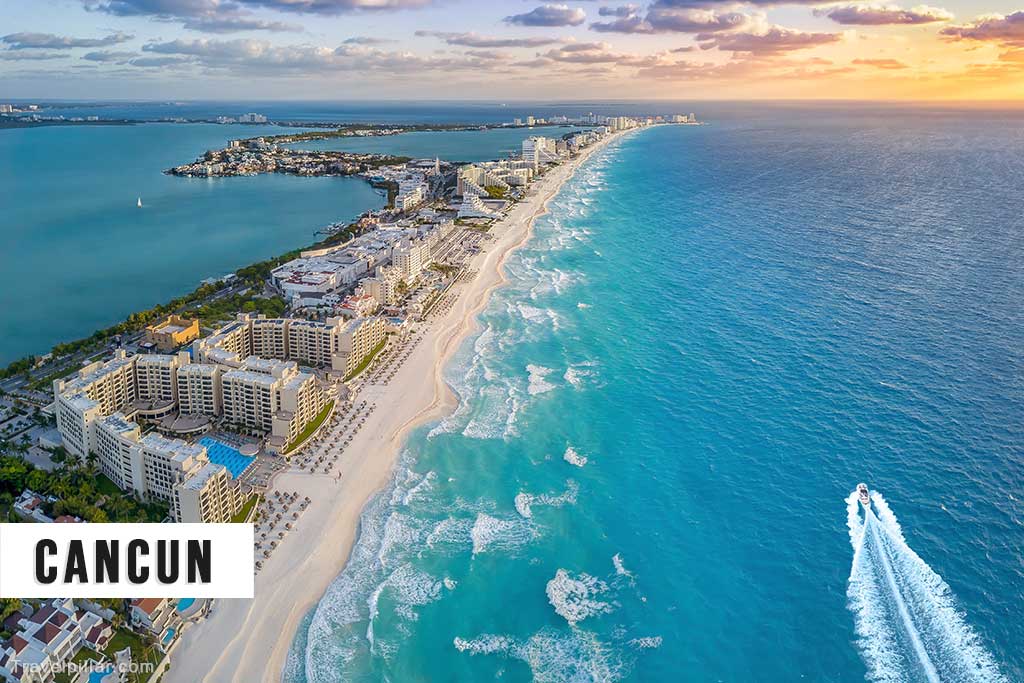
Cancun is a popular tourist destination located on the northeast coast of Mexico’s Yucatan Peninsula. Known for its white sandy beaches, clear turquoise waters, and vibrant nightlife, it forms part of the Riviera Maya coastal area. Cancun also boasts significant Mayan ruins, notably the El Rey Ruins, and is a gateway to other archaeological sites in the region. Its well-developed hospitality industry caters to various travel preferences, ranging from budget to luxury.
Playa del Carmen

Playa del Carmen, located in the Riviera Maya, is a prominent tourist destination in Mexico. Known for its stunning beaches and vibrant nightlife, it offers a range of activities, from water sports to exploring nearby cenotes and Mayan ruins. The town’s main thoroughfare, Quinta Avenida, is lined with shops, restaurants, and bars, catering to diverse tastes. Its proximity to Cozumel and Tulum makes it an ideal base for further exploration.
Teotihuacan
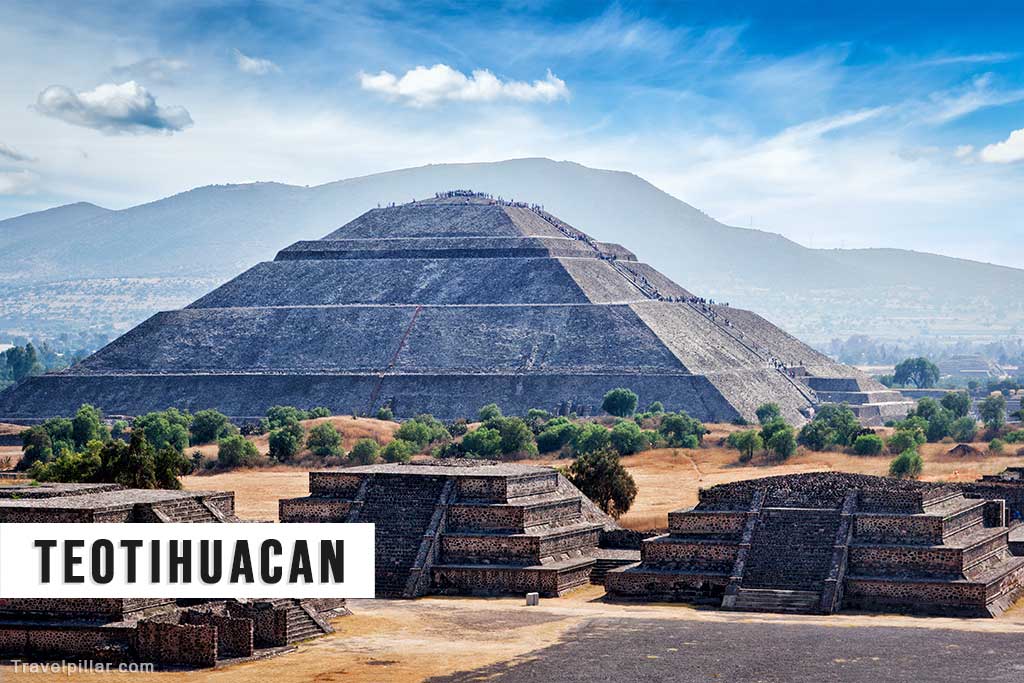
Teotihuacan is an ancient Mesoamerican city located near Mexico City. This pre-Columbian archaeological site is home to the colossal Pyramids of the Sun and the Moon, and the Temple of Quetzalcoatl. Once the largest city in the pre-Columbian Americas, Teotihuacan’s urban layout and architectural design demonstrate the city’s historical significance and cultural influence. The site, now a UNESCO World Heritage location, offers a fascinating insight into ancient Mexican civilization.
Google map 4.8/5
Oaxaca City
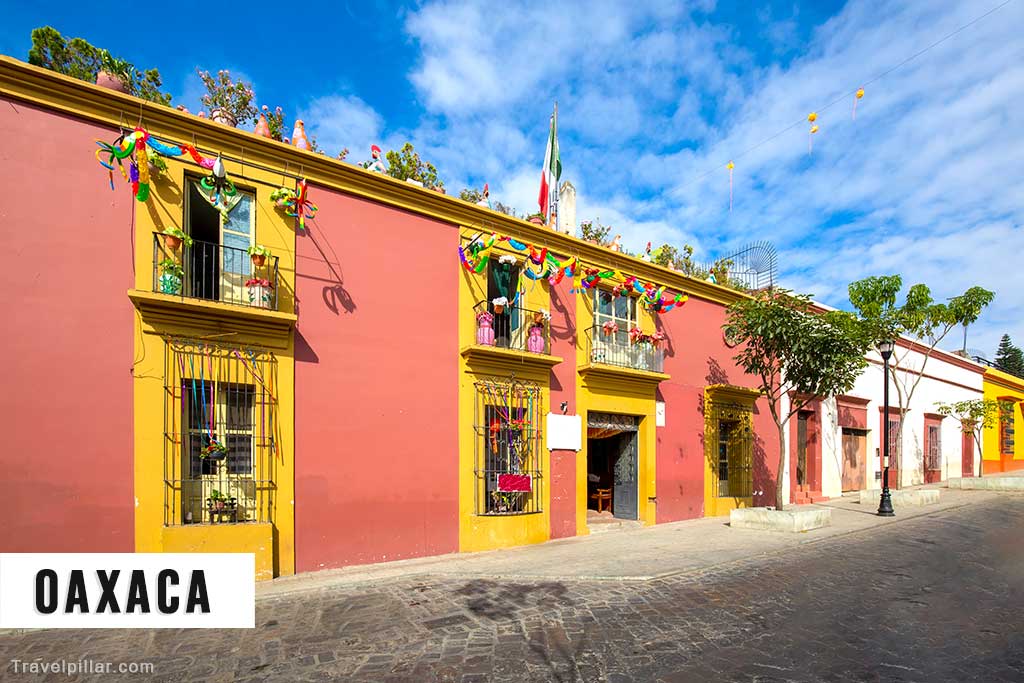
Oaxaca City is the capital of Oaxaca state in southern Mexico. Known for its rich indigenous culture, Oaxaca showcases a combination of pre-Columbian heritage and Spanish colonial architecture. The city’s historical center, a UNESCO World Heritage Site, features Santo Domingo de Guzman Church and the Museum of Cultures. Oaxaca is also renowned for its culinary diversity, including mole sauces and mezcal, making it a gastronomic hotspot within Mexico.
Riviera Maya

The Riviera Maya is a stunning coastal stretch along the Caribbean Sea in Mexico’s Yucatan Peninsula. Extending from the city of Cancun to Tulum, it features idyllic white sand beaches, crystal-clear waters, and vibrant coral reefs, making it a popular destination for water sports. The area is dotted with luxury resorts, eco-parks like Xcaret, and significant archaeological sites such as the Tulum ruins, offering a blend of relaxation, adventure, and historical exploration.
Google map – Riviera Maya
Tulum

Tulum is a coastal town in Mexico’s Yucatan Peninsula, renowned for its well-preserved ruins of an ancient Mayan port city. Perched atop a cliff overlooking the Caribbean Sea, the archaeological site features significant structures like El Castillo and the Temple of the Frescoes. Tulum is also known for its pristine beaches, bio-reserves such as Sian Ka’an, and nearby cenotes, offering a mix of historical, natural, and recreational attractions to its visitors.
Los Cabos

Los Cabos is a resort city on the southern tip of Mexico’s Baja California Peninsula. Known for its picturesque beaches, it consists of two towns: Cabo San Lucas, renowned for its vibrant nightlife and El Arco rock formation, and San José del Cabo, featuring colonial architecture and a tranquil ambiance. Between them lies the Corridor, a series of luxurious beachfront hotels and world-class golf courses. Los Cabos is also a premier destination for sport fishing and whale watching.
Google map Cabo San Lucas
Google map San José del Cabo
Puerto Vallarta

Puerto Vallarta is a resort town situated on Mexico’s Pacific coast, in the state of Jalisco. Known for its stunning beaches, vibrant nightlife, and charming old town with cobblestone streets and the ornate Nuestra Señora de Guadalupe church, it offers a quintessential Mexican experience. The Malecón, a beachside promenade with contemporary sculptures, and the bustling marina further enhance its appeal. Additionally, the nearby Sierra Madre Mountains provide opportunities for eco-tourism and adventure sports.
Cozumel

Cozumel is a Mexican island situated off the eastern coast of the Yucatan Peninsula in the Caribbean Sea. Known for its crystal-clear waters and vibrant coral reefs, it is a popular destination for snorkeling and scuba diving. The island also hosts the San Gervasio archaeological site, showcasing the Mayan civilization’s heritage. Cozumel’s western shore features a range of resorts and beaches, while the less developed eastern side offers serene landscapes and picturesque coastlines.
Guanajuato
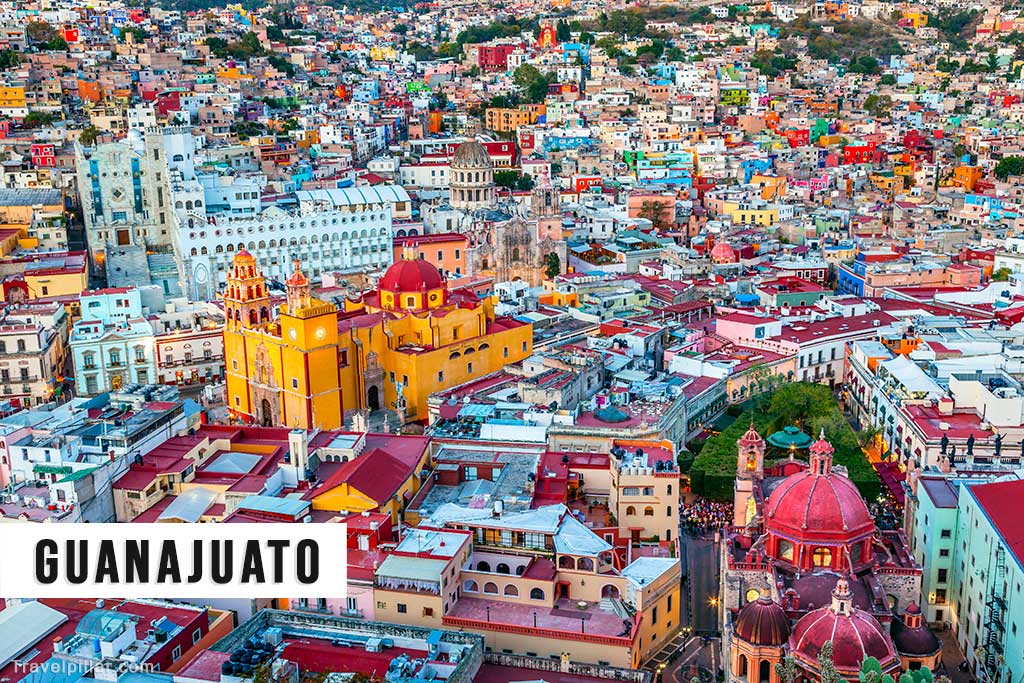
Guanajuato is a historic city in central Mexico, celebrated for its rich colonial architecture and silver mining history. Known for its vibrant, multicolored buildings and narrow alleyways, it features landmarks like the ornate Basilica of Our Lady of Guanajuato and the Alhóndiga de Granaditas. The city’s network of underground tunnels and the iconic Callejón del Beso add unique elements to its urban layout. Annually, it hosts the International Cervantino Festival, one of Latin America’s significant cultural events.
Copper Canyon

Copper Canyon, located in the Sierra Madre Occidental in Northwestern Mexico, is a network of six distinct canyons, all deeper and larger than the Grand Canyon in the US. Known for its rugged landscapes and breathtaking vistas, it is a paradise for hikers and adventure enthusiasts. The region is also home to the indigenous Tarahumara people. The Chihuahua al Pacifico Railroad, popularly known as El Chepe, provides a scenic journey through this majestic natural wonder.
Google map 4.8/5
San Miguel de Allende
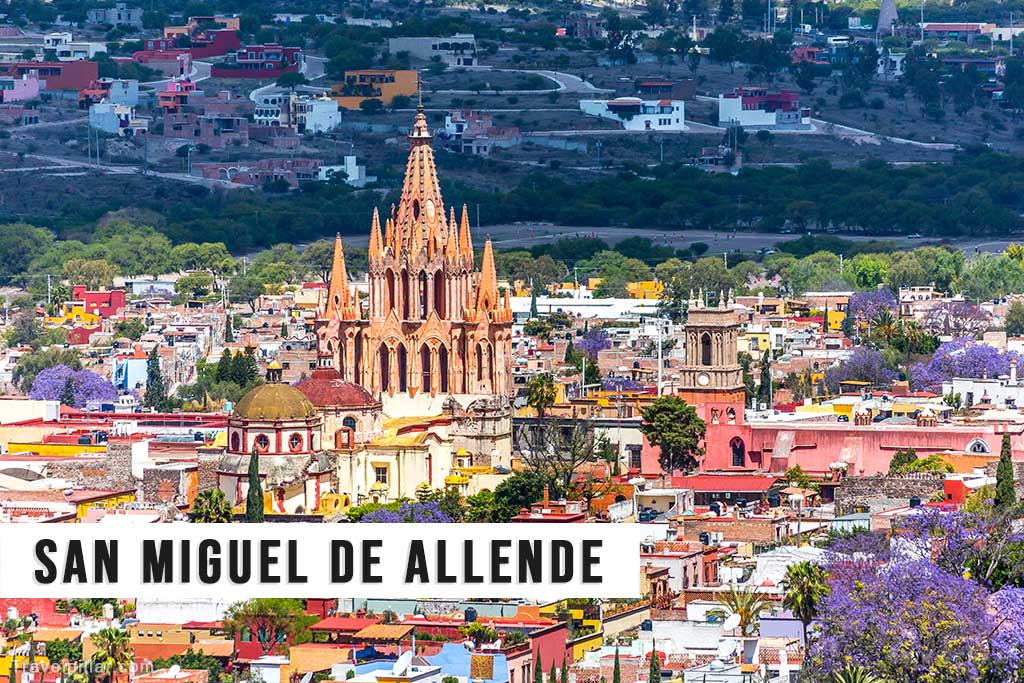
San Miguel de Allende is a colonial-era city in Mexico’s central highlands, known for its well-preserved Spanish Baroque architecture and thriving arts scene. Its cobblestone streets, colorful facades, and charming courtyards contribute to a distinct, old-world charm. The city’s central square, El Jardín, is dominated by the iconic Parroquia de San Miguel Arcángel, a neo-Gothic church with pink spires. Designated a UNESCO World Heritage Site, it offers a unique blend of cultural richness and historical relevance.
Mexican Day of the Dead Festival
The Mexican Day of the Dead (Día de los Muertos) is a cultural festival held annually on November 1 and 2 to honor deceased loved ones. Celebrated with colorful altars, offerings, and gatherings at cemeteries, it blends indigenous traditions with Catholic practices. Families create altars, or ofrendas, decorated with photographs, flowers, and food to invite the spirits of the deceased to return. The festival is particularly prominent in regions like Oaxaca and Mexico City, showcasing Mexico’s unique approach to death and remembrance.