
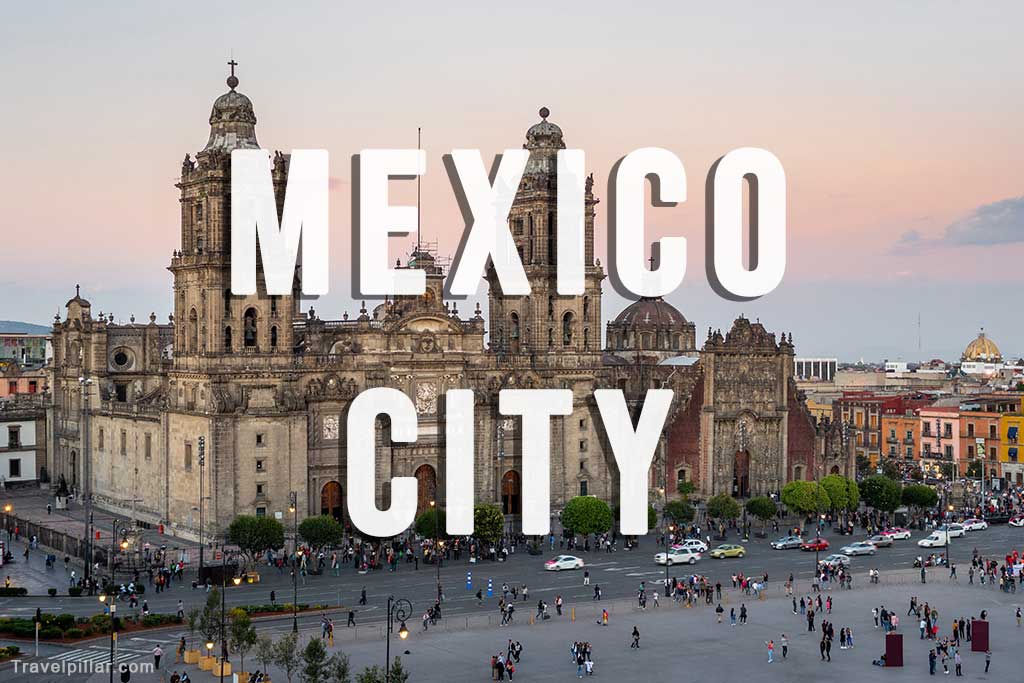
Mexico City, the capital of Mexico, stands as one of the largest and most densely populated urban centers in the world. Founded by the Aztecs in 1325 as Tenochtitlan, it was later rebuilt by Spanish conquistadors in the 16th century, making it a city rich in history and cultural heritage.
The city is geographically located in the Valley of Mexico at an altitude of 2,240 meters (7,350 feet) above sea level. This high-altitude setting contributes to its unique climate, characterized by mild temperatures year-round. The metropolitan area encompasses 16 boroughs, each offering distinct experiences and attractions.

The Historic Center of Mexico City, a UNESCO World Heritage site, is home to landmarks such as the Zócalo (the main square), the Metropolitan Cathedral, and the National Palace. The area reflects a blend of Aztec, Spanish colonial, and modern influences, making it a focal point for tourists and historians alike.
Mexico City boasts an extensive public transportation network, including the second-largest metro system in North America, numerous bus lines, and bike-sharing programs. This infrastructure facilitates efficient movement across the sprawling city.
The city is also renowned for its museums, with the National Museum of Anthropology, the Museum of Modern Art, and the Frida Kahlo Museum being notable examples. Chapultepec Park, one of the largest city parks in the Western Hemisphere, provides a green oasis featuring a zoo, several museums, and a historic castle.
Culinary offerings in Mexico City range from traditional street food, such as tacos and tamales, to upscale dining experiences showcasing contemporary Mexican cuisine. The city’s markets, like La Merced and Mercado de San Juan, offer a diverse array of local produce and artisanal goods.
The Best Places to Visit in Mexico City
Zócalo (Plaza de la Constitución)
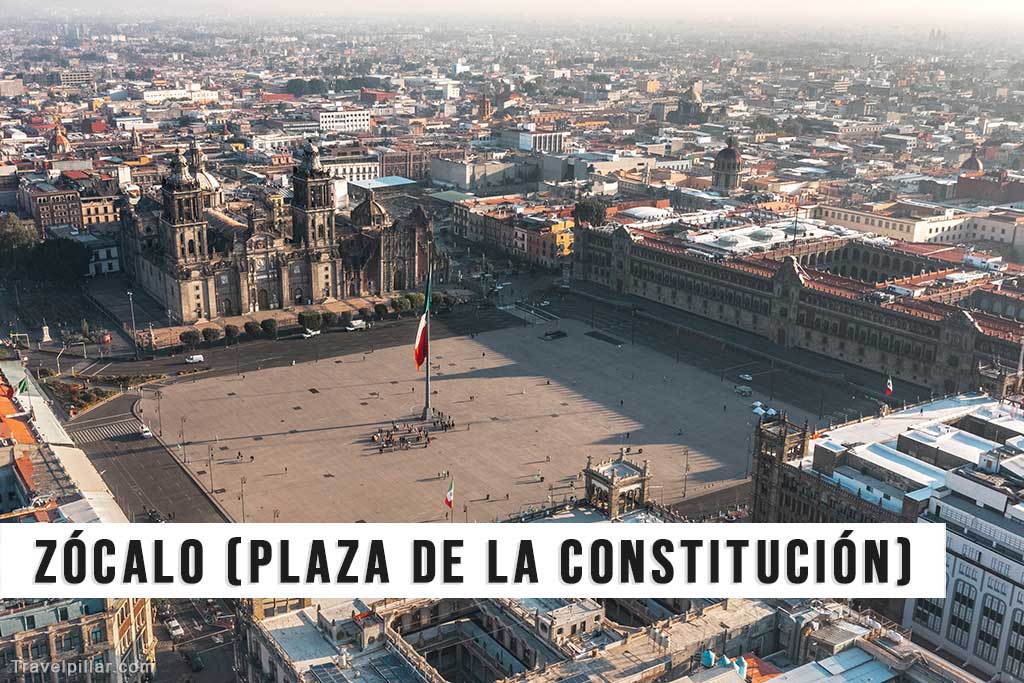
The Zócalo, or Plaza de la Constitución, is the main square in Mexico City. It is one of the largest public squares globally and a central gathering place for cultural and political events. Surrounding the Zócalo are significant landmarks such as the Metropolitan Cathedral, the National Palace, and the Templo Mayor archaeological site. The square serves as a hub for both locals and tourists, providing insight into Mexico’s rich historical and cultural heritage.
Google map 4.7/5
National Museum of Anthropology (Museo Nacional de Antropología)
The National Museum of Anthropology, located in Chapultepec Park, Mexico City, is Mexico’s most significant museum. It houses extensive pre-Columbian artifacts from Mexico’s indigenous cultures, including the Aztec, Maya, and Olmec civilizations. Key exhibits include the Aztec Sun Stone and the treasures of the Mayan king Pakal. The museum’s design, featuring a vast central courtyard and modernist architecture, enhances the presentation of its comprehensive collection, making it a crucial destination for understanding Mexico’s cultural history.
Google map 4.8/5
Chapultepec Park (Bosque de Chapultepec)
Chapultepec Park, located in Mexico City, is one of the largest city parks in the Western Hemisphere. Spanning over 1,600 acres, it features numerous attractions, including the Chapultepec Castle, the National Museum of Anthropology, and the Chapultepec Zoo. The park offers expansive green spaces, lakes, and walking trails, making it a popular spot for both recreation and relaxation. Its historical significance and diverse facilities make it a key destination for locals and tourists alike.
Google map 4.7/5
Frida Kahlo Museum (La Casa Azul)
The Frida Kahlo Museum, also known as Casa Azul, is located in the Coyoacán neighborhood of Mexico City. This historic house museum is dedicated to the life and work of the renowned Mexican artist Frida Kahlo. It displays a collection of her paintings, personal belongings, and artifacts, providing insight into her life and artistic journey. The museum’s vibrant blue walls and preserved interiors offer a glimpse into Kahlo’s unique world and enduring legacy.
Google map 4.5/5
Palace of Fine Arts (Palacio de Bellas Artes)

The Palace of Fine Arts, located in the historic center of Mexico City, is a prominent cultural venue. Renowned for its Art Nouveau and Art Deco architecture, the building houses the National Museum of Architecture and hosts a variety of performances, including opera, ballet, and symphonic concerts. Its interior features murals by famed Mexican artists such as Diego Rivera and David Alfaro Siqueiros. The Palace is a key site for appreciating Mexican arts and culture.
Google map 4.8/5
Teotihuacan
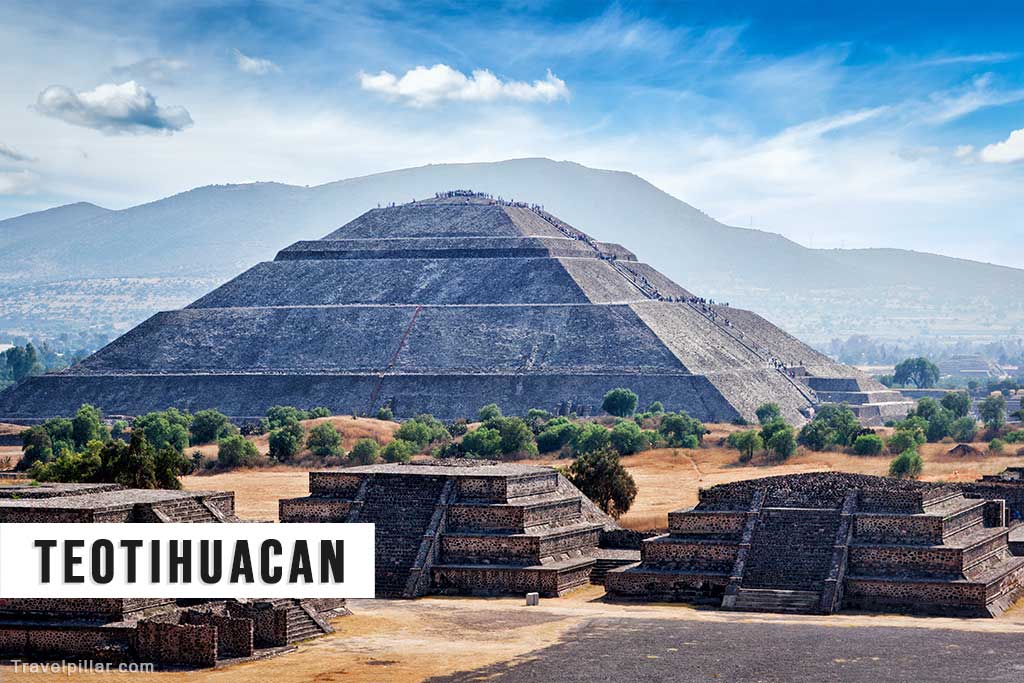
Teotihuacan, situated about 40 kilometers northeast of Mexico City, is an ancient Mesoamerican city known for its large pyramidal structures, including the Pyramid of the Sun and the Pyramid of the Moon. This UNESCO World Heritage site was one of the largest cities in the pre-Columbian Americas, flourishing around 100 BCE to 550 CE. Visitors can explore the Avenue of the Dead, the Temple of the Feathered Serpent, and various murals, gaining insight into this influential civilization’s history and culture.
Google map 4.8/5
Templo Mayor Tenochtitlán
Templo Mayor, located in the heart of Mexico City, was the main temple of the Aztec capital, Tenochtitlán. Discovered in 1978, the archaeological site reveals the remains of the temple dedicated to the gods Huitzilopochtli and Tlaloc. The adjacent Templo Mayor Museum displays numerous artifacts unearthed during excavations, providing insights into Aztec religion, daily life, and culture. This historical site is crucial for understanding the pre-Hispanic heritage of Mexico.
Google map 4.8/5
Coyoacán
Coyoacán, a historic neighborhood in Mexico City, is known for its colonial architecture and vibrant cultural scene. It features charming plazas, such as Jardín Centenario and Plaza Hidalgo, surrounded by cafes, artisan markets, and historic buildings. Key attractions include the Frida Kahlo Museum, the Leon Trotsky Museum, and the National Museum of Popular Culture. Coyoacán’s blend of history, culture, and bohemian atmosphere makes it a popular destination for both tourists and locals.
Xochimilco
Xochimilco, located in the southern part of Mexico City, is famous for its extensive network of canals, remnants of the ancient Lake Xochimilco. Visitors can enjoy colorful trajinera boat rides through the canals, experiencing traditional Mexican music and food. The area is also known for its floating gardens, or chinampas, and the Xochimilco Ecological Park. This UNESCO World Heritage site offers a unique glimpse into pre-Hispanic agricultural practices and vibrant local traditions.
Polanco District
Polanco District, situated in the western part of Mexico City, is a prestigious neighborhood known for its upscale lifestyle. It features luxury shopping along Avenida Presidente Masaryk, high-end restaurants, and exclusive hotels. The area is also home to cultural institutions like the Soumaya Museum and the Jumex Museum. Polanco’s blend of modernity, green spaces such as Lincoln Park, and architectural elegance makes it a significant hub for business, leisure, and cultural activities.