

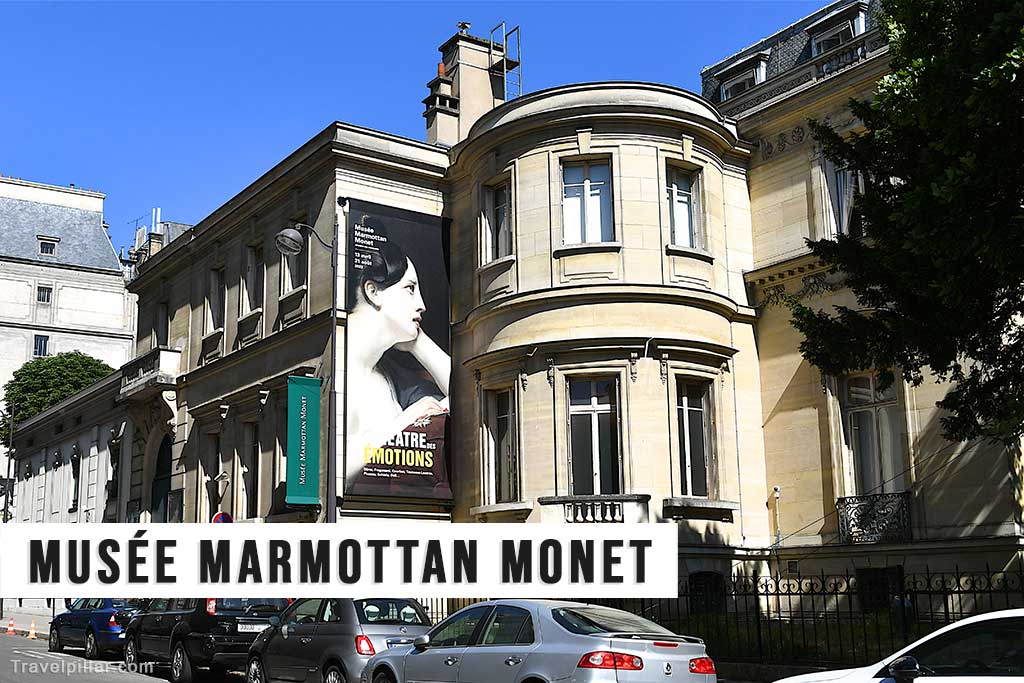
The Musée Marmottan Monet, located in the quiet 16th arrondissement of Paris, houses the world’s largest collection of works by Claude Monet. Originally a private mansion belonging to Paul Marmottan, the building was converted into a museum in 1934 following a bequest to the Académie des Beaux-Arts. It initially displayed Marmottan’s collection of Napoleonic art and furnishings, but its focus shifted dramatically in 1966 when Michel Monet, the artist’s son, donated his father’s paintings, drawings, and personal effects. This donation established the museum as one of the principal institutions for Impressionist art in France.
The museum’s core collection includes over 100 works by Monet, tracing his artistic development from early landscapes to his later experiments with light and abstraction. Among its most significant pieces is Impression, Sunrise (1872), the painting that gave Impressionism its name. Other notable works include studies of Rouen Cathedral, the Houses of Parliament, and the water lilies of Giverny. The museum’s intimate setting allows visitors to view these works up close, providing insight into Monet’s evolving technique and use of colour.
In addition to Monet, the Musée Marmottan Monet holds important works by other leading Impressionists and Post-Impressionists, including Berthe Morisot, Edgar Degas, Pierre-Auguste Renoir, Camille Pissarro, and Paul Gauguin. The museum also features a substantial collection of manuscripts, letters, and archival materials that document the history of the movement and its artists.
The building itself retains much of its original 19th-century décor, blending domestic elegance with the formal presentation of an art institution. Its smaller scale and residential setting distinguish it from larger Parisian museums such as the Musée d’Orsay and the Louvre, offering a quieter and more reflective experience.
Located near the Ranelagh Gardens, the museum is easily accessible by metro or bus and is often less crowded than other major Paris attractions. It provides a focused and rewarding visit for those interested in Monet’s life and the broader context of French Impressionism.