
Northumberland, the northernmost county in England, is known for its combination of dramatic landscapes, historic castles, and cultural heritage. Bordered by Scotland to the north and the North Sea to the east, the county encompasses both rugged uplands and a long, scenic coastline. It has been a frontier region for centuries, reflected in the presence of Hadrian’s Wall, medieval fortresses, and market towns.
The area is sparsely populated, with wide open spaces that provide opportunities for walking, wildlife observation, and exploration of archaeological sites. Protected landscapes such as Northumberland National Park and the Northumberland Coast National Landscape highlight the county’s environmental significance. Historic attractions including Alnwick, Bamburgh, and Warkworth Castles illustrate its turbulent past. Combined with cultural sites, gardens, and natural reserves, Northumberland offers a varied experience that reflects both the region’s strategic history and its continuing appeal as one of England’s most distinctive counties.
The Best Things to Do in Northumberland
1. Alnwick Castle
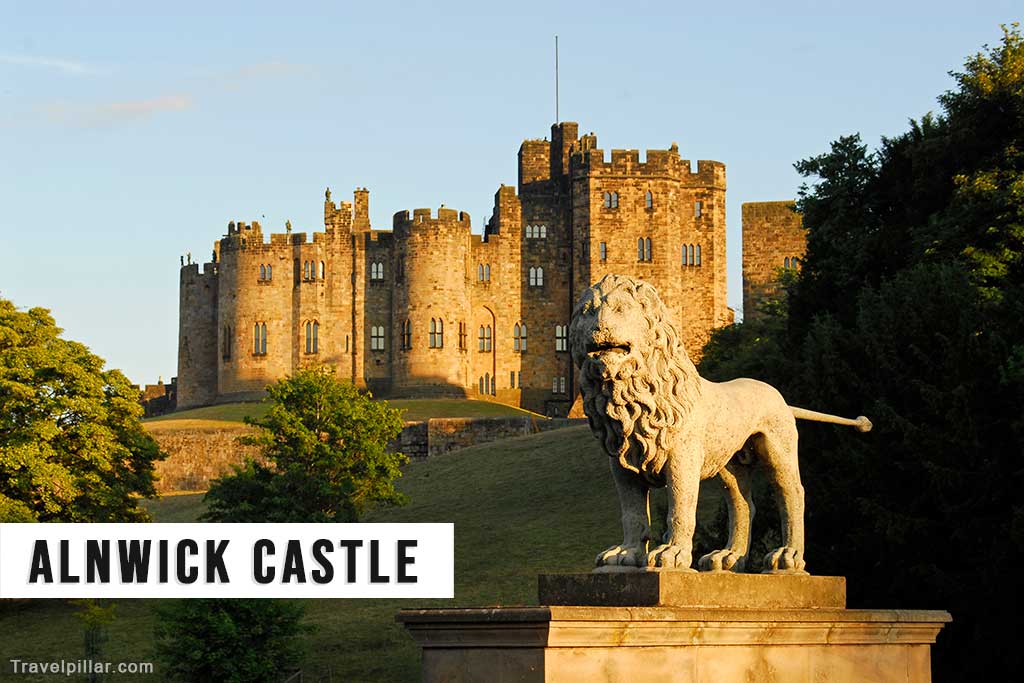
Alnwick Castle is one of England’s largest inhabited castles and the seat of the Dukes of Northumberland. Built in the 11th century, it has served as a fortress, stately home, and cultural centre. The interior contains art collections and historic state rooms, while the surrounding Alnwick Garden adds a contemporary attraction. The castle is also known as a filming location, most notably for the Harry Potter films and television series.
2. Bamburgh Castle
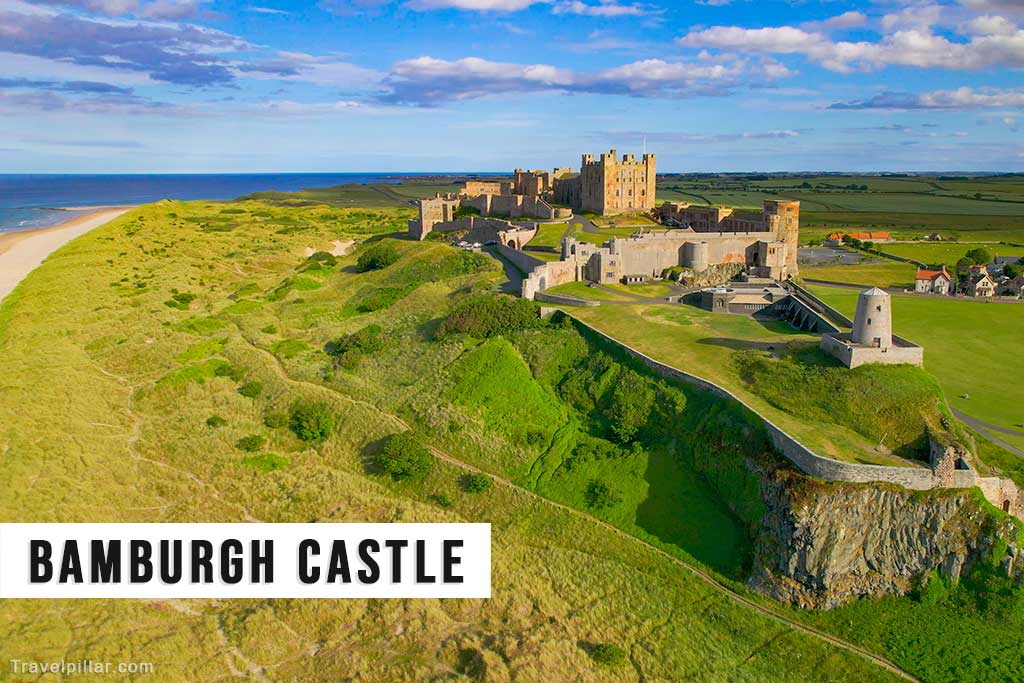
Bamburgh Castle stands on a basalt outcrop overlooking the North Sea and has origins dating back to the Anglo-Saxon period. Rebuilt in the Norman era, it became a stronghold of the kings of Northumbria and later a family residence. The castle is open to the public, with exhibitions on its history, armoury, and archaeology. Its dramatic coastal setting makes it one of the most recognisable landmarks in northern England.
3. Hadrian’s Wall
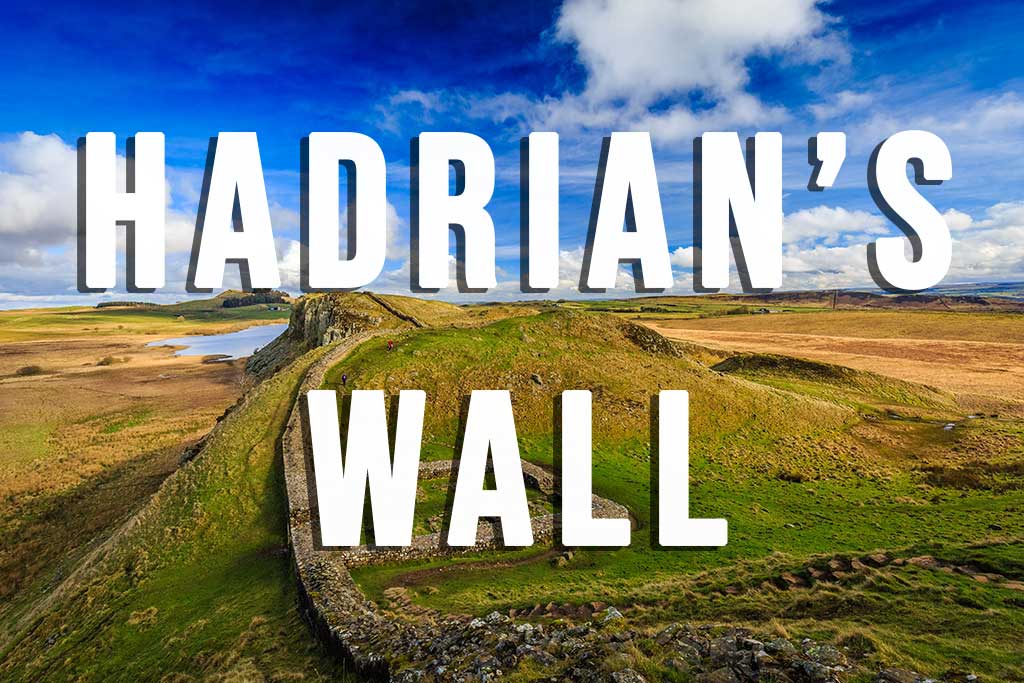
Hadrian’s Wall is a UNESCO World Heritage Site stretching across northern England, constructed in the 2nd century AD as the Roman Empire’s northern frontier. Sections of the wall remain well preserved in Northumberland, particularly around Housesteads and Chesters forts. Visitors can explore excavated remains, museums, and walking trails along the wall. It remains one of the most significant Roman monuments in Britain, reflecting imperial military strategy and frontier life.
4. Holy Island of Lindisfarne

The Holy Island of Lindisfarne is a tidal island accessible by causeway, renowned for its early Christian heritage. Lindisfarne Priory, founded in the 7th century, became a centre of monastic life and the origin of the Lindisfarne Gospels. The island also contains a small castle built in the 16th century. Its religious and cultural history, combined with natural landscapes, make it an important site of pilgrimage and tourism.
5. Cragside
Cragside, near Rothbury, was the home of industrialist William Armstrong and is notable as the first house in the world powered by hydroelectricity. Built in the 19th century, the house combines Victorian architecture with technological innovation. Its interior displays period furnishings and inventions, while the extensive landscaped gardens, lakes, and woodlands reflect Armstrong’s vision. Managed by the National Trust, Cragside demonstrates the intersection of industry, architecture, and natural design.
6. Dunstanburgh Castle

Dunstanburgh Castle is a coastal ruin built in the 14th century by Thomas of Lancaster. Situated on a remote headland, it was once among the largest castles in northern England. Although now in ruins, its gatehouse, towers, and curtain walls remain striking. The castle is accessible via a scenic coastal walk from the village of Craster. Its dramatic setting on the cliffs enhances its historic and visual significance.
7. Warkworth Castle

Warkworth Castle, associated with the powerful Percy family, is a medieval fortress with a distinctive cross-shaped keep. Built in the 12th century, it was later expanded to reflect the family’s wealth and influence. The castle is closely linked to the history of the Earls of Northumberland and features in literature, notably Shakespeare’s Henry IV. The site also includes a hermitage carved into rock along the River Coquet, accessible by boat.
8. Farne Islands

The Farne Islands, located off the Northumberland coast, are a group of islands renowned for their wildlife. Managed by the National Trust, they provide breeding grounds for puffins, guillemots, and grey seals. Boat trips operate from Seahouses, allowing visitors to land on some islands during summer. The islands also have a history of monastic settlement and maritime activity, including connections to the 19th-century lighthouse keeper’s daughter, Grace Darling.
9. Hexham Abbey
Hexham Abbey, founded in the 7th century by St. Wilfrid, is one of the oldest churches in northern England. The present building reflects later medieval construction but incorporates elements of the original Saxon structure. The abbey contains fine stone carvings, a crypt, and stained glass, as well as exhibitions on its long history. Located in the market town of Hexham, it remains an active place of worship and cultural site.
10. Kielder Water and Forest Park
Kielder Water and Forest Park is one of the largest man-made landscapes in northern Europe, centred around a reservoir built in the 20th century. The surrounding forest provides extensive trails for walking, cycling, and wildlife observation. The park is also home to the Kielder Observatory, which takes advantage of the area’s dark skies for astronomy. Its combination of engineering, recreation, and natural habitats makes it a major regional attraction.
11. Northumberland Coast National Landscape
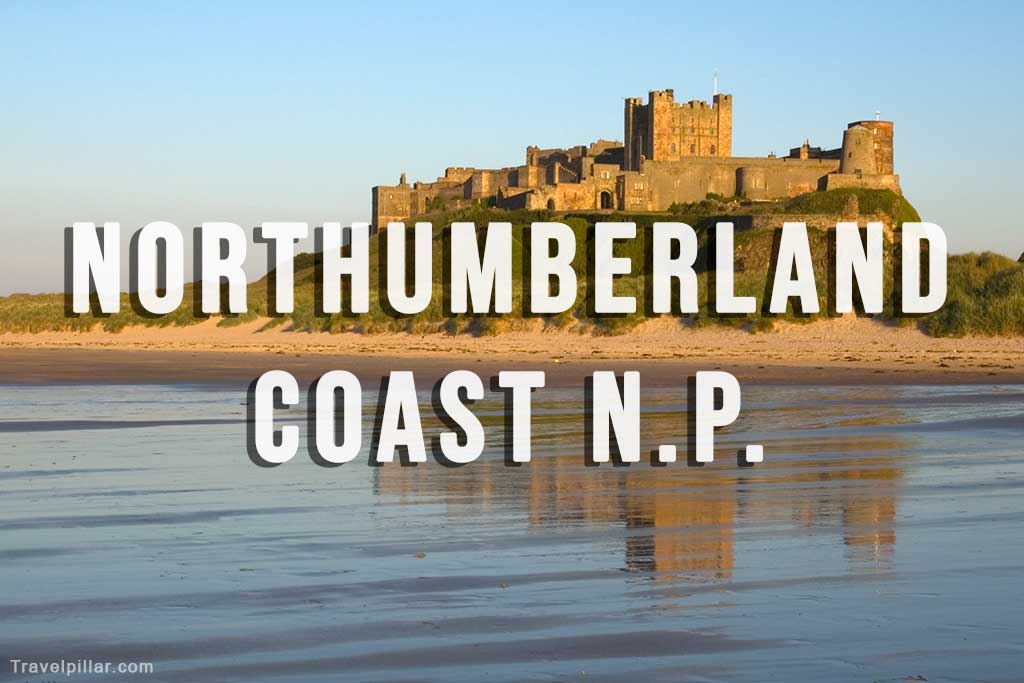
The Northumberland Coast National Landscape, formerly an Area of Outstanding Natural Beauty, extends along 40 miles of coastline from Berwick-upon-Tweed to the River Coquet. It includes sandy beaches, dunes, estuaries, and rocky headlands, alongside historic landmarks such as Bamburgh, Lindisfarne, and Dunstanburgh Castles. The area is significant for its birdlife and marine habitats. Its combination of natural beauty and cultural heritage makes it a central part of the county’s identity.
12. Northumberland National Park
Northumberland National Park covers a wide area from Hadrian’s Wall to the Cheviot Hills. It is England’s least populated national park, valued for its unspoiled landscapes, archaeological sites, and wildlife. Walking routes provide access to moorlands, valleys, and upland scenery. The park is also part of the International Dark Sky Park, making it a prime location for stargazing. Its remoteness and scale provide a distinctive contrast to other English parks.