

#41 Parc Monceau
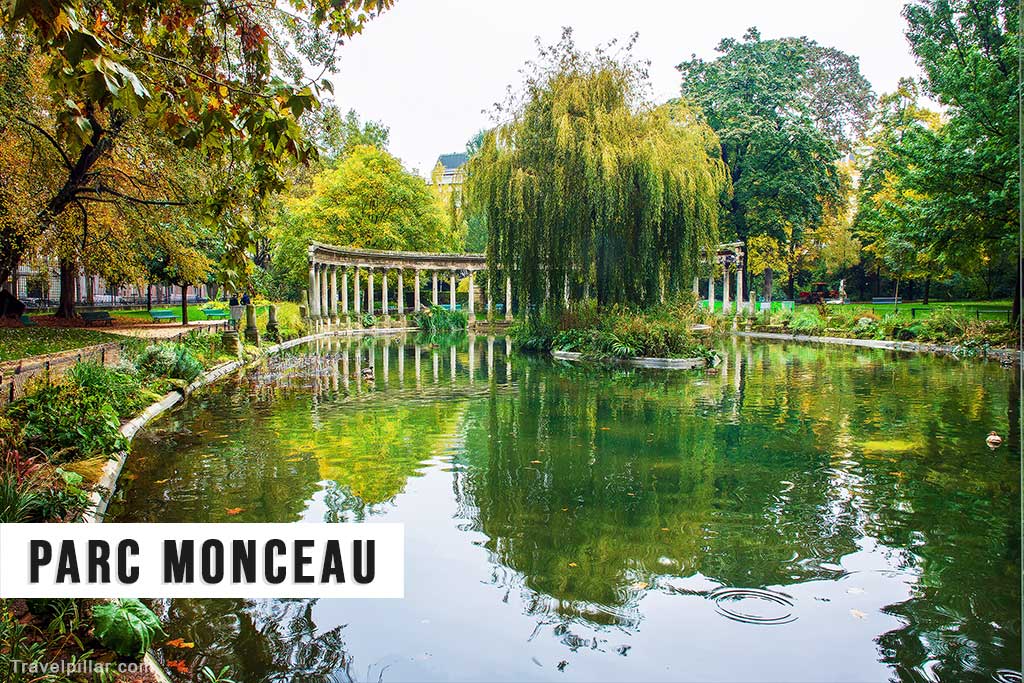
Parc Monceau, located in Paris’s 8th arrondissement, is a picturesque park blending French formal design with English landscaping. Established in the 18th century by the Duke of Chartres, it features curved walkways, a pond, and whimsical structures like a Roman colonnade and a miniature Egyptian pyramid. The park offers a tranquil retreat for walkers and families, combining natural beauty with historical elements in the heart of a bustling neighborhood.
Google map 4.6/5
#42 Basilique Saint-Denis (church)

The Basilique Saint-Denis, located just north of Paris, is a Gothic masterpiece and the burial site of French kings and queens. Constructed in the 12th century, it features intricate stained glass windows, soaring ribbed vaults, and royal tombs, including those of Louis XVI and Marie Antoinette. As the first Gothic cathedral, it holds significant architectural and historical importance, making it a key destination for those exploring France’s medieval heritage.
Google map 4.6/5
#43 Musée de l’Armée (Army Museum)
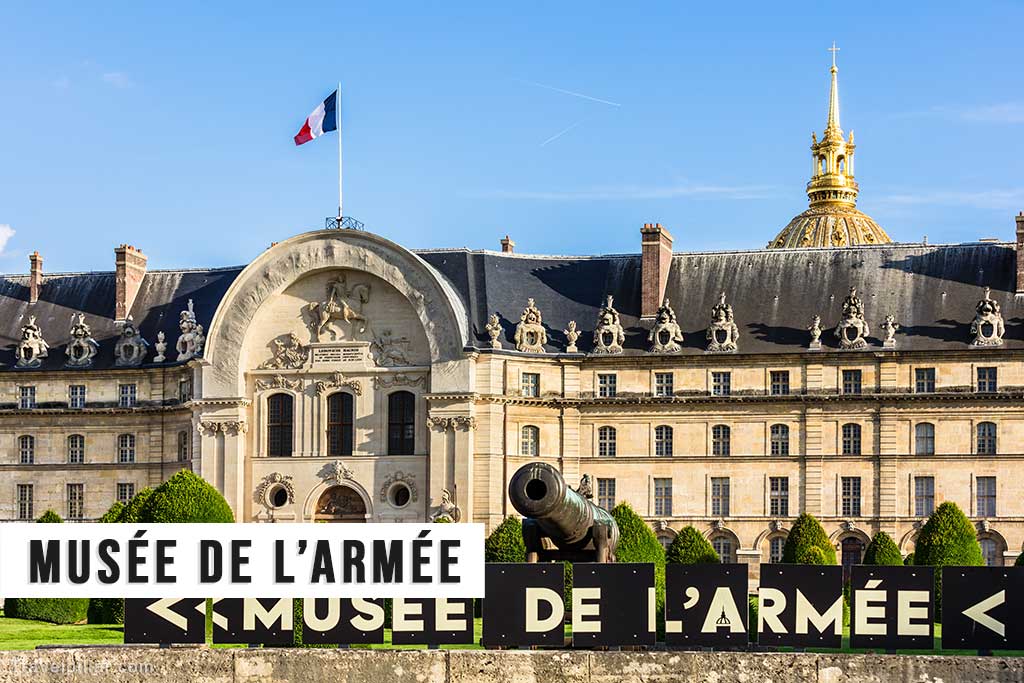
The Musée de l’Armée, located at Les Invalides in Paris, is one of the world’s premier military history museums. Established in 1905, it houses an extensive collection of weaponry, armor, and artifacts spanning centuries. Highlights include Napoleon Bonaparte’s tomb and exhibits on both world wars. The museum’s galleries provide insights into French and global military history, making it a significant destination for history enthusiasts and cultural visitors alike.
Google map 4.6/5
#44 Musée des Arts et Métiers
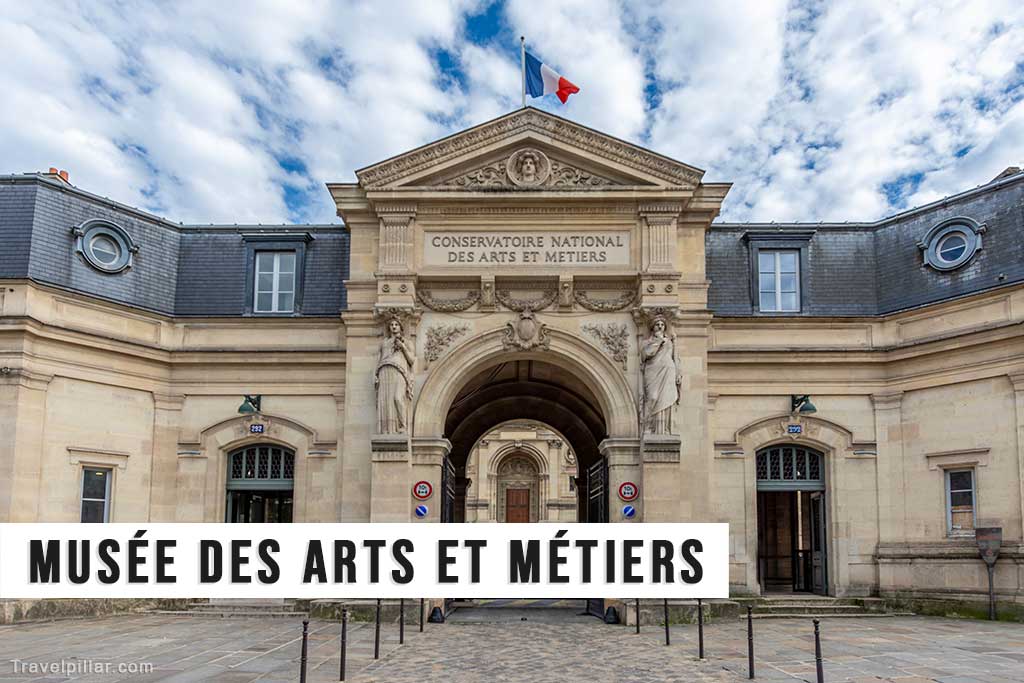
The Musée des Arts et Métiers, located in Paris’s 3rd arrondissement, is a museum dedicated to innovation and industrial design. Founded in 1794, it houses over 80,000 artifacts, including scientific instruments, models, and inventions. Notable exhibits include Foucault’s pendulum and early prototypes of airplanes and automobiles. The museum highlights the evolution of technology and its impact on society, offering an educational experience for those interested in engineering and scientific history.
Google map 4.6/5
#45 Grand Palais

Grand Palais is a historic Beaux-Arts exhibition hall and museum complex. Hosting major art exhibitions, cultural events, and Paris Fashion Week, the venue boasts an impressive glass-domed roof and intricate ironwork, making it an architectural gem in its own right.
Official website: https://www.grandpalais.fr/en
Google map 4.5/5
#46 Maison de Victor Hugo

The Maison de Victor Hugo, located in the Place des Vosges in Paris, is a museum dedicated to the life and work of the celebrated French writer. Housed in his former residence, the museum features personal artifacts, manuscripts, and illustrations related to his literary achievements, including Les Misérables and The Hunchback of Notre-Dame. It provides insights into Hugo’s creative process and political activism, offering a glimpse into 19th-century Parisian culture.
Google map 4.5/5
#47 Galeries Lafayette
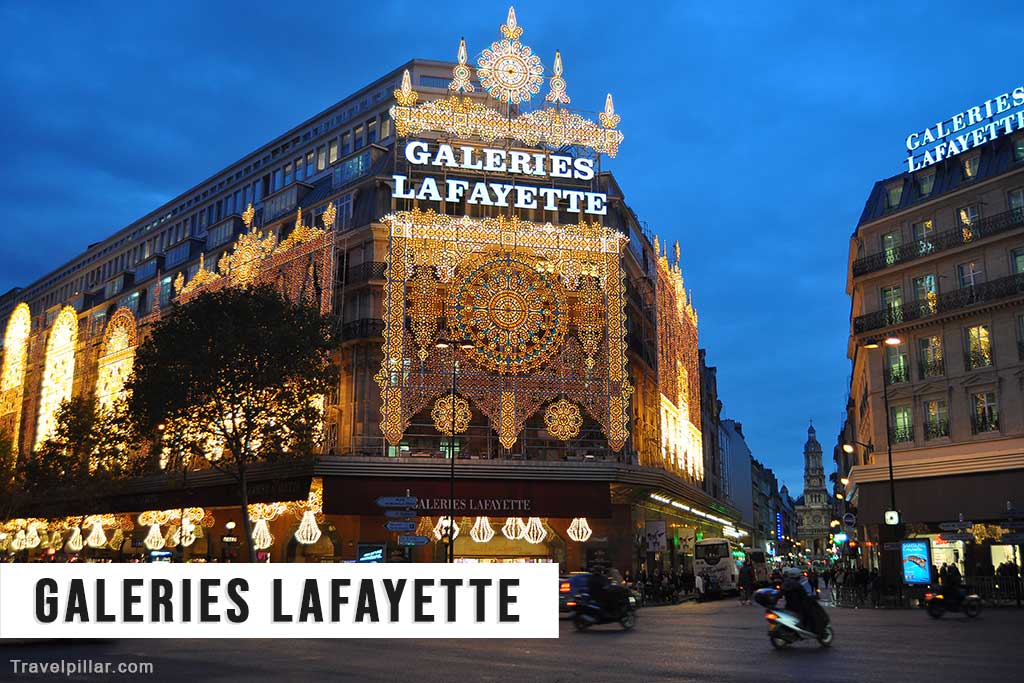
Galeries Lafayette, located on Boulevard Haussmann in Paris, is a renowned department store known for its luxury offerings and architectural beauty. Established in 1894, it features an iconic glass dome, Art Nouveau details, and a rooftop terrace with panoramic views of the city. The store offers high-end fashion, cosmetics, and gourmet food. Galeries Lafayette is a symbol of Parisian elegance, attracting shoppers and visitors from around the world.
Google map 4.5/5
#48 Jeu de Paume

The Jeu de Paume, located in the Tuileries Gardens in Paris, is a museum dedicated to contemporary photography and media arts. Originally built in 1861 as a tennis court for the game “jeu de paume,” it has been repurposed to showcase modern photographic works. The museum hosts temporary exhibitions featuring international artists, contributing significantly to Paris’s contemporary art scene. It plays a vital role in promoting visual culture.
Google map 4.5/5
#49 Moulin Rouge
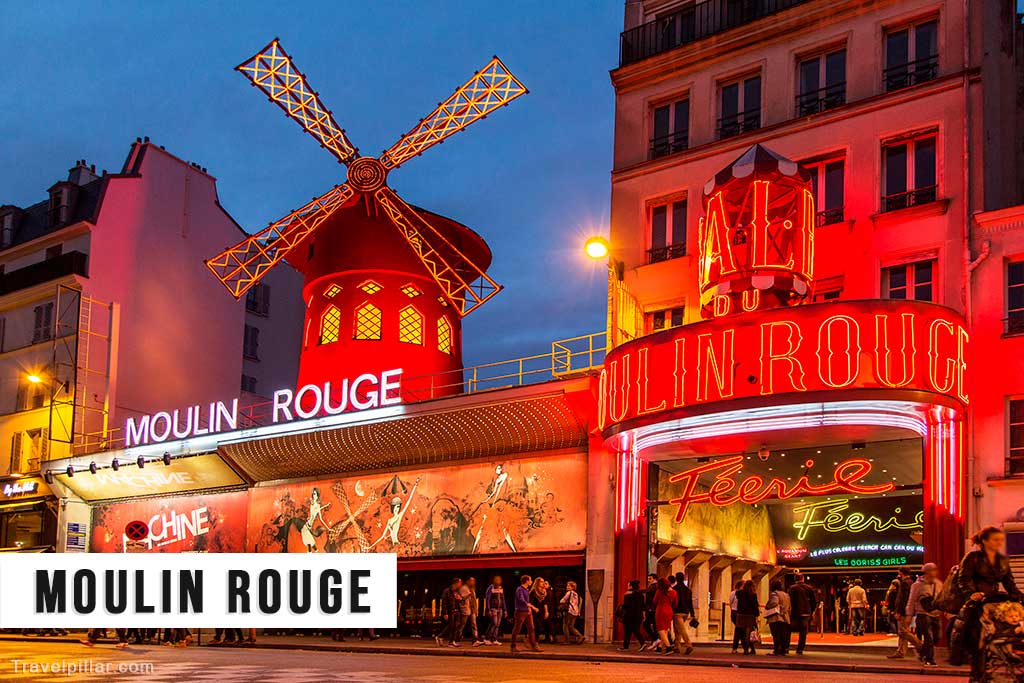
The Moulin Rouge in Paris’s Pigalle district is a historic cabaret famous for its extravagant shows and vibrant nightlife since 1889. Featuring energetic can-can dances and elaborate costumes, it remains a cultural icon offering dinner-and-show packages in a Belle Époque ambiance. The venue’s distinctive red windmill facade attracts visitors seeking a glimpse into Parisian bohemian life and entertainment history.
Google map 4.3/5
#50 Château de Vincennes
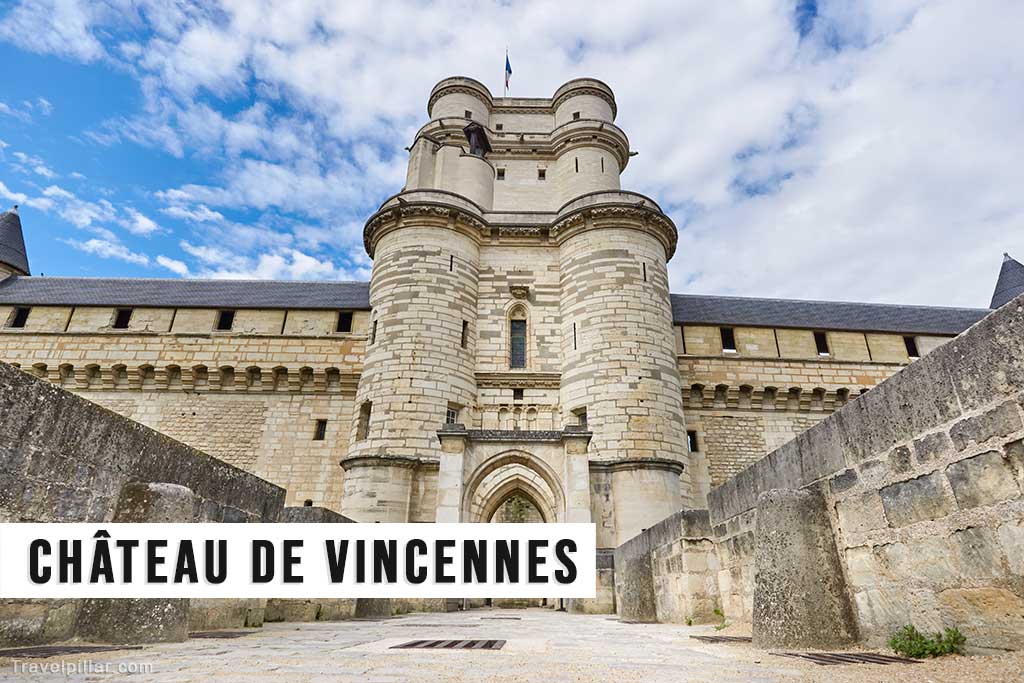
The Château de Vincennes, located just outside Paris, is a well-preserved medieval fortress with a rich history. Originally a royal hunting lodge, it was expanded into a fortified château in the 14th century. Highlights include its imposing keep, the tallest in Europe, and the Sainte-Chapelle de Vincennes, showcasing Gothic architecture. The site offers insights into medieval French history and served as a royal residence and later as a military stronghold.
Google map 4.5/5
#51 Rue de Rivoli
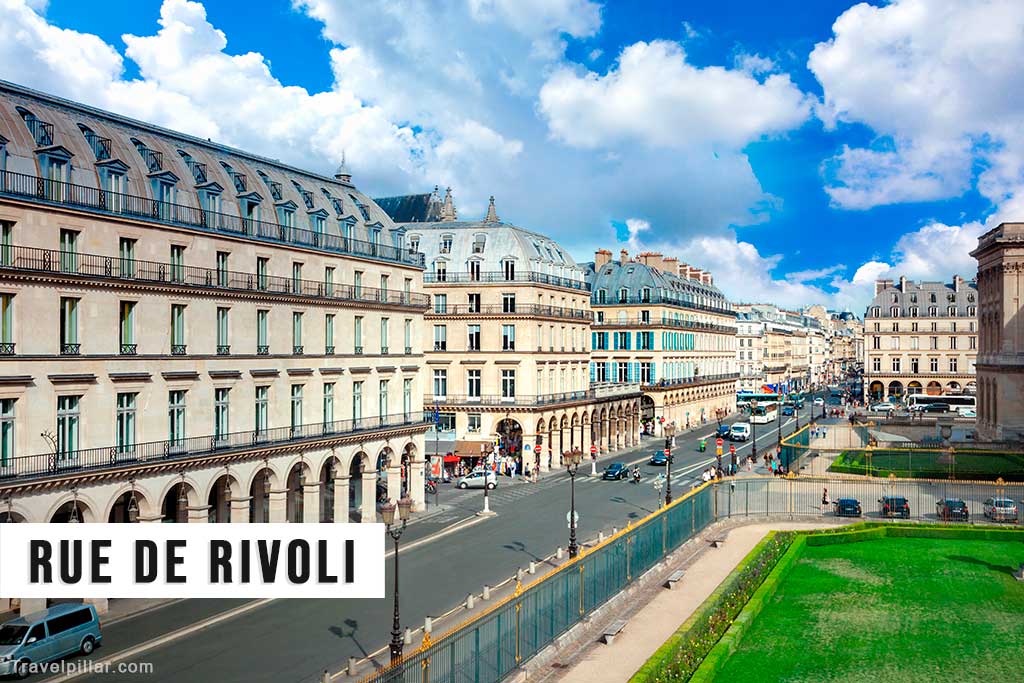
Rue de Rivoli is a major thoroughfare in Paris, renowned for its elegant arcades and historic significance. Stretching through the 1st and 4th arrondissements, it runs alongside landmarks such as the Louvre Museum and the Tuileries Garden. Lined with high-end boutiques, department stores, and cafés, it is a hub of Parisian shopping and culture. The street exemplifies 19th-century urban planning and remains a vibrant part of the city’s heritage and daily life.
Google map 4.5/5
#52 La Défense

La Défense, located west of central Paris, is a major business district and a hub of modern architecture. Renowned for its skyscrapers and contemporary design, it is home to the Grande Arche, a monumental structure symbolizing 20th-century urban development. The area features a mix of corporate offices, shopping centers, and outdoor art installations. As Europe’s largest business district, La Défense represents a striking contrast to Paris’s historic landmarks.
Google map Financial district
Google map Grande Arche de la Défense (observation deck) 4.4/5
#53 Place de la Bastille
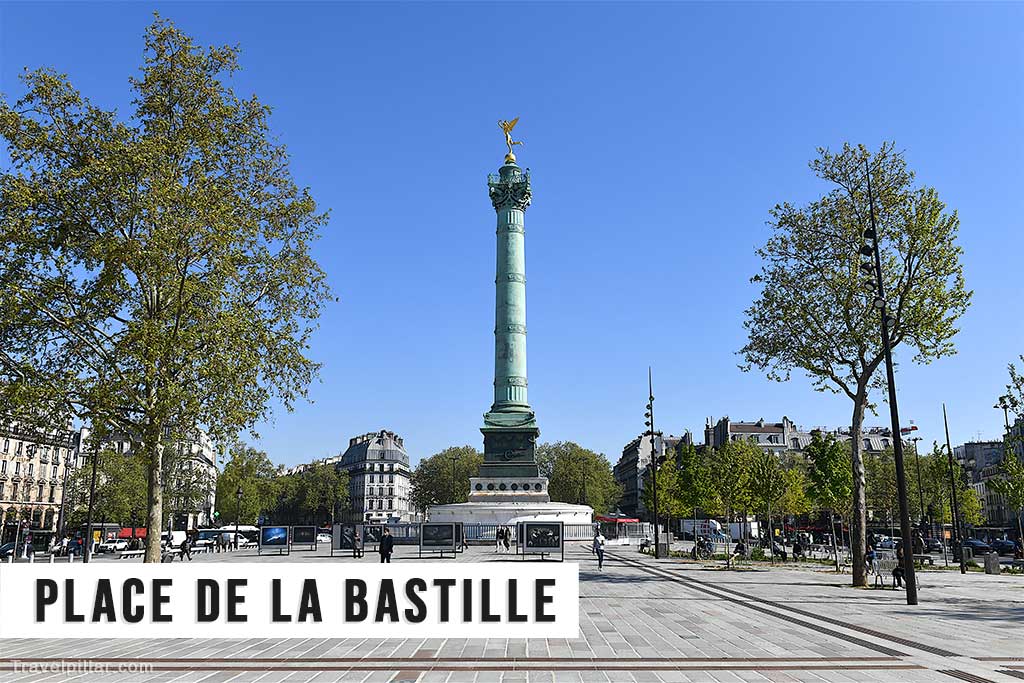
Place de la Bastille, located in eastern Paris, is a historic square marking the site of the Bastille prison, famously stormed during the French Revolution in 1789. Central to the square is the July Column, commemorating the 1830 Revolution. Today, it serves as a cultural and transport hub, featuring the Opéra Bastille and vibrant surrounding neighborhoods. Place de la Bastille remains a significant symbol of French history and political change.
Google map 4.3/5
#54 Musée Jacquemart-André
The Musée Jacquemart-André, located in Paris’s 8th arrondissement, is a prestigious museum housed in a 19th-century mansion. Once the private home of art collectors Édouard André and Nélie Jacquemart, it showcases an impressive collection of paintings, sculptures, and decorative arts. Highlights include works by Rembrandt, Botticelli, and Fragonard. The museum’s opulent interiors, complemented by a charming café, offer visitors a glimpse into Parisian high society and artistic heritage.
Google map 4.5/5
#55 Montparnasse Tower
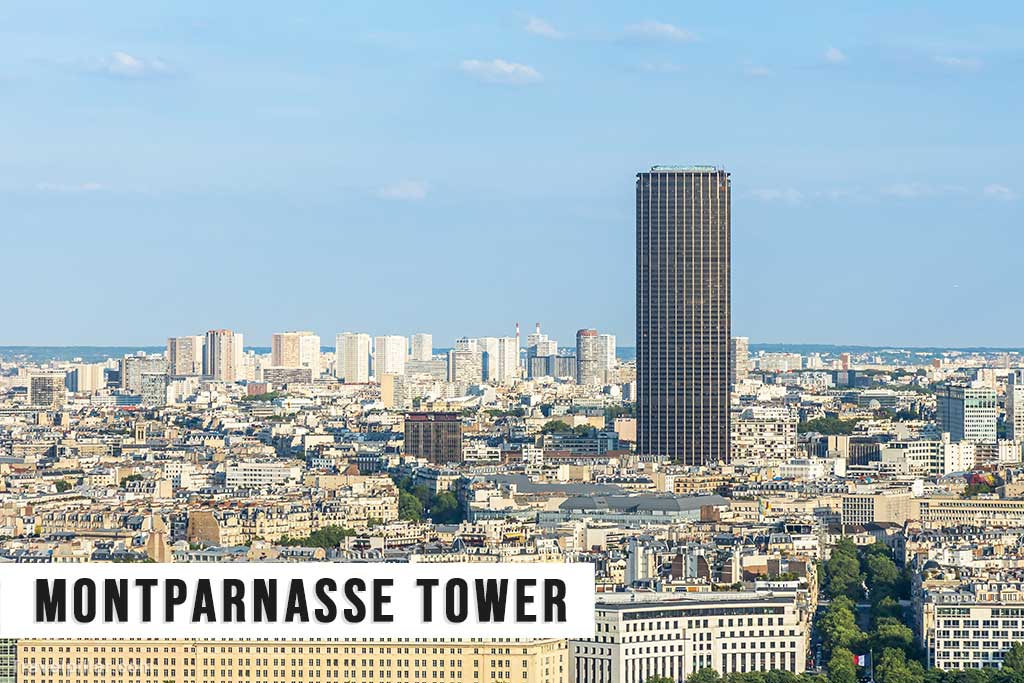
Montparnasse Tower, located in Paris’s 15th arrondissement, is a modern skyscraper standing 210 meters tall. Completed in 1973, it features a panoramic observation deck offering 360-degree views of the city, including landmarks such as the Eiffel Tower and Notre-Dame Cathedral. The tower also houses offices, shops, and restaurants. While controversial for its stark contrast to Paris’s historic skyline, it remains a popular destination for its unrivaled vistas of the city.
Google map 4.5/5
#56 Musée d’Art Moderne de Paris
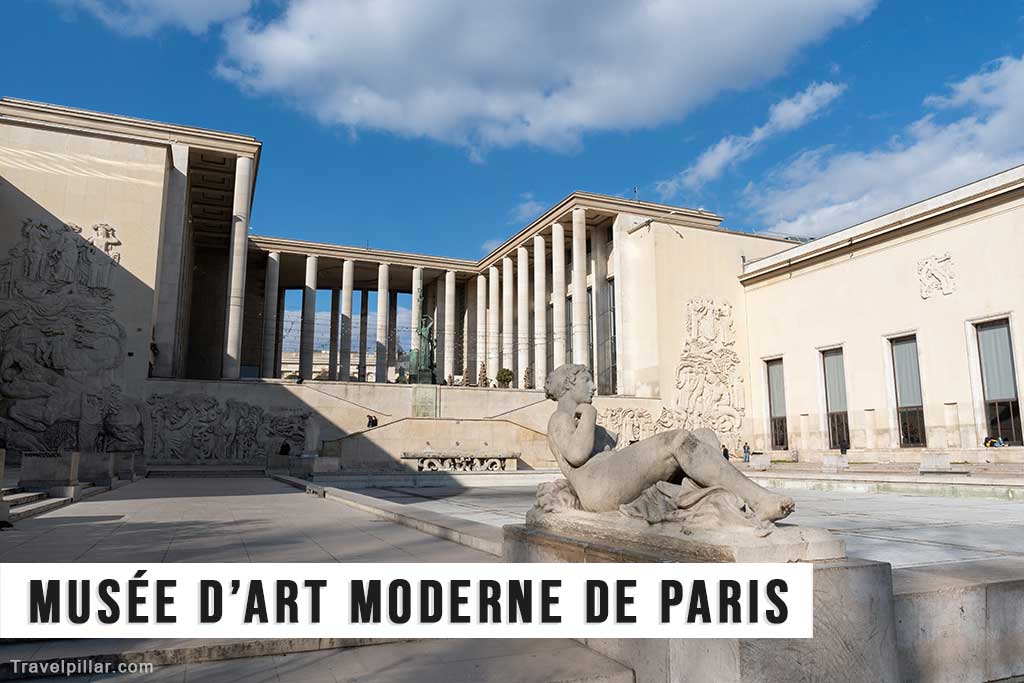
The Musée d’Art Moderne de Paris, situated in the 16th arrondissement, is dedicated to 20th and 21st-century art. Located within the Palais de Tokyo, it houses a vast collection of works by artists such as Picasso, Braque, and Delaunay. Notable exhibits include La Fée Electricité by Raoul Dufy. The museum offers free access to its permanent collection, making it an essential destination for modern art enthusiasts exploring Paris.
Google map 4.5/5
#57 Bastille neighbourhood
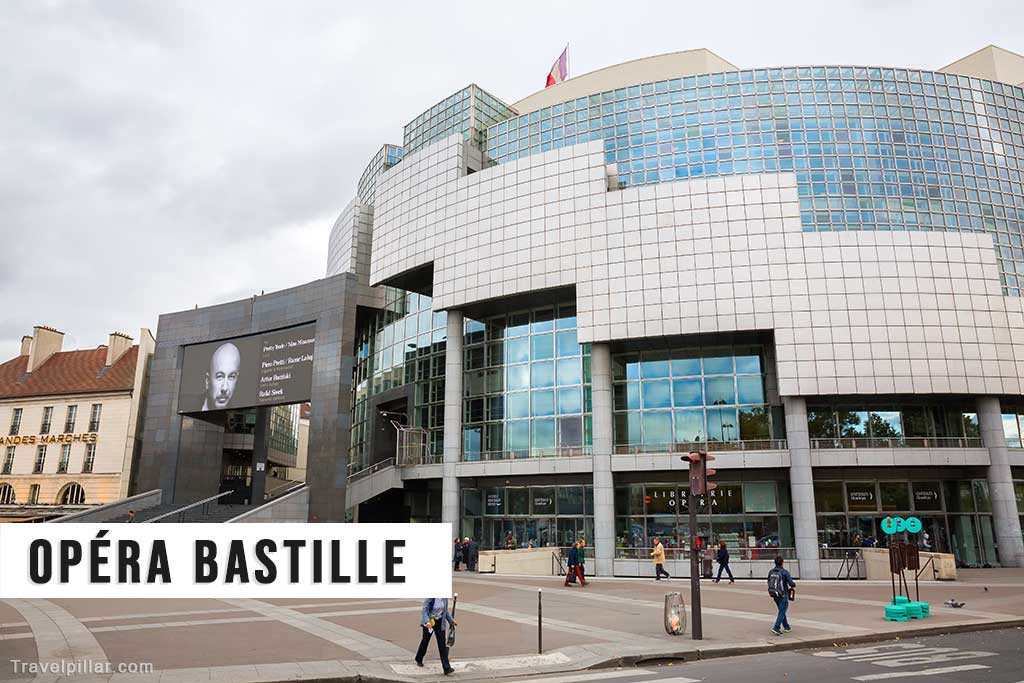
The Bastille neighbourhood in Paris’s 11th arrondissement is a vibrant area known for its historical and cultural significance. Once the site of the Bastille prison, a key symbol of the French Revolution, it is now a lively district featuring the Opéra Bastille, trendy cafés, and artisan shops. The area hosts bustling markets, nightlife, and creative spaces, offering a mix of historical resonance and contemporary Parisian energy for visitors and locals alike.
#58 Muséum National d’Histoire Naturelle (Natural History Museum)
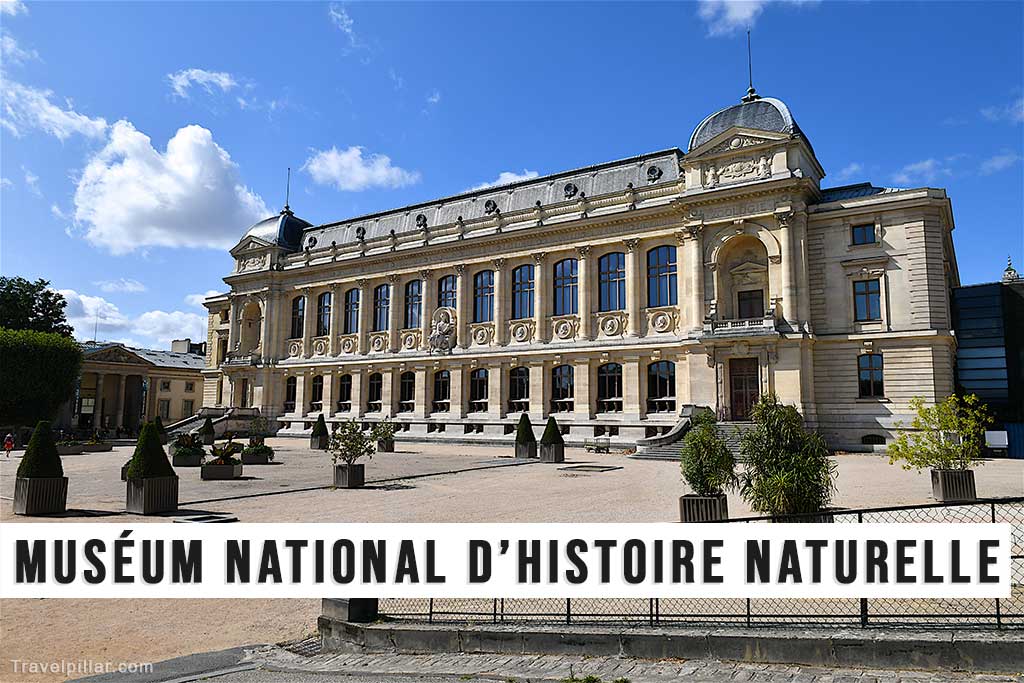
The Muséum National d’Histoire Naturelle, located in Paris’s Jardin des Plantes, is a leading institution for natural history. Established in 1793, it features extensive exhibits on zoology, paleontology, and geology. Highlights include the Grande Galerie de l’Évolution, displaying thousands of animal specimens, and a comprehensive fossil collection. The museum also conducts scientific research and conservation. Its engaging displays and educational focus make it a prominent destination for science enthusiasts and families.
Google map 4.5/5
#59 Musée des Arts Décoratifs
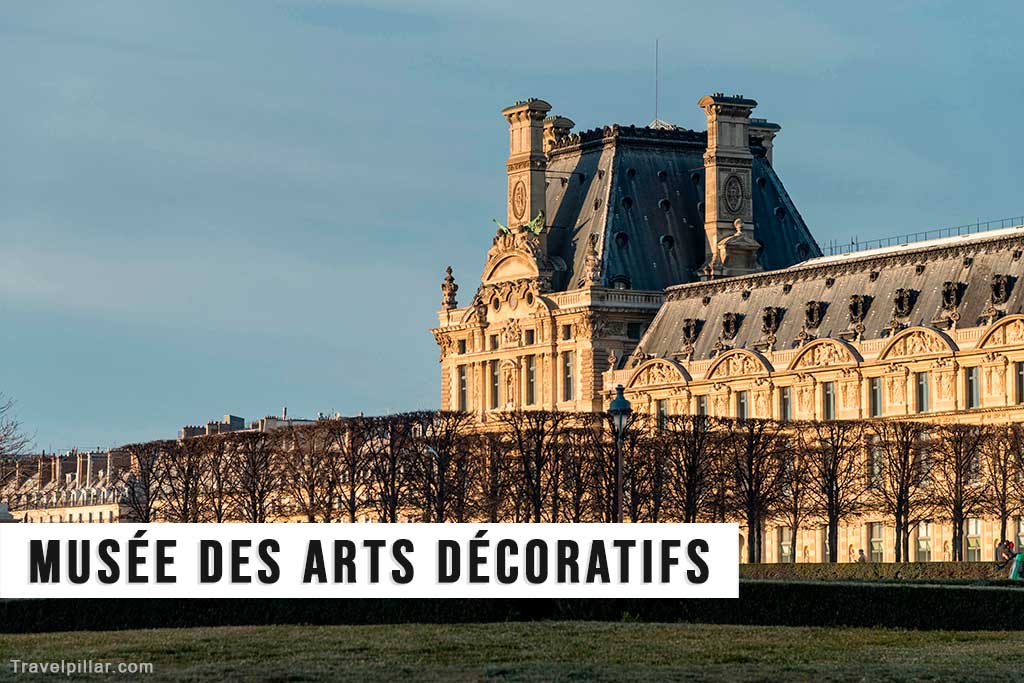
The Musée des Arts Décoratifs, located in the Louvre Palace in Paris, is dedicated to decorative arts and design. Its extensive collection spans furniture, textiles, ceramics, jewelry, and graphic arts from the Middle Ages to the present. Highlights include period room reconstructions and contemporary design exhibitions. The museum offers a comprehensive exploration of artistic craftsmanship and innovation, making it a significant destination for those interested in design and applied arts.
Google map 4.5/5
#60 Fondation Louis Vuitton
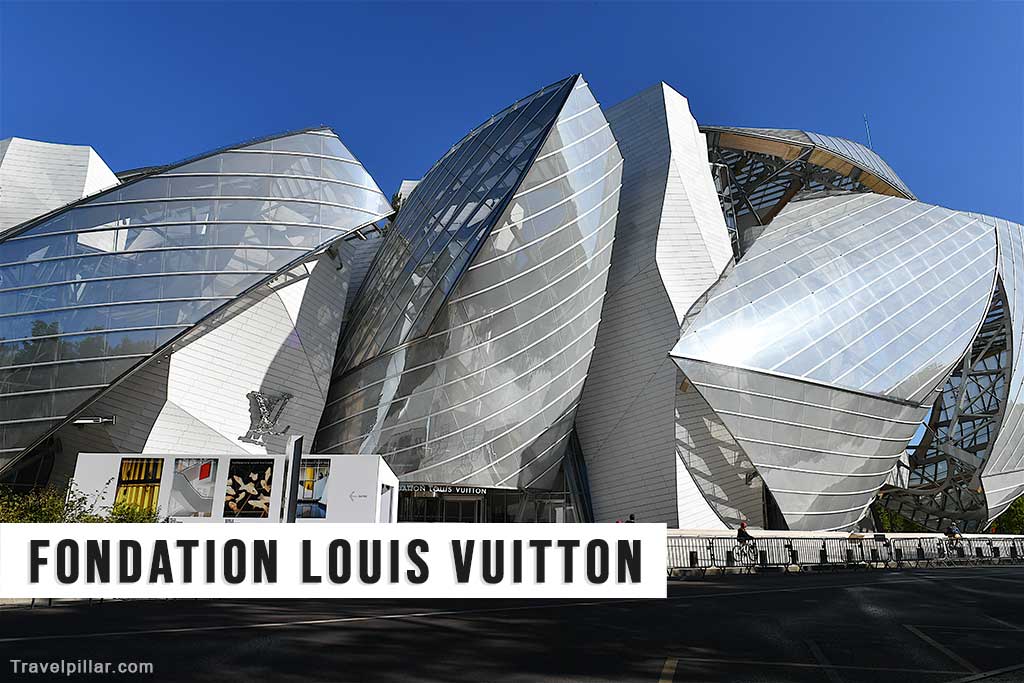
The Fondation Louis Vuitton, located in Paris’s Bois de Boulogne, is a contemporary art museum and cultural center. Designed by architect Frank Gehry and opened in 2014, its striking glass structure resembles a ship’s sails. The museum hosts rotating exhibitions featuring modern and contemporary art, as well as performances and educational programs. Combining innovative architecture with artistic exploration, the Fondation Louis Vuitton is a prominent cultural destination in Paris.
Google map 4.5/5
#61 Disneyland Paris
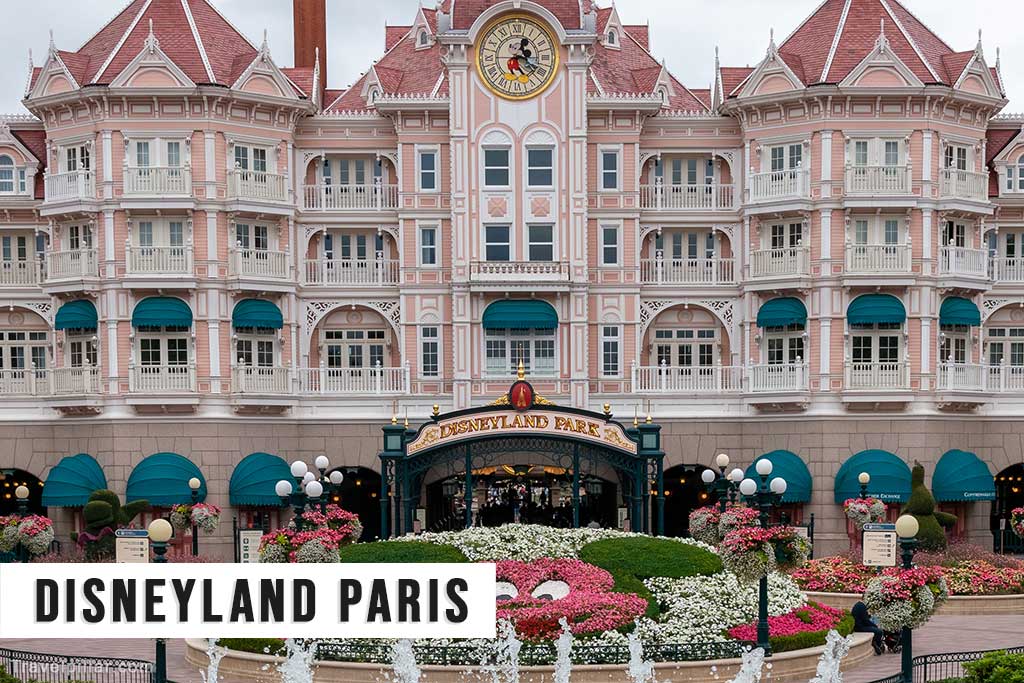
Disneyland Paris, located in Marne-la-Vallée, is a major entertainment resort and one of Europe’s most visited attractions. Opened in 1992, it features two theme parks—Disneyland Park and Walt Disney Studios Park—offering rides, shows, and parades inspired by Disney characters and films. The resort also includes hotels, restaurants, and shopping areas. Combining immersive storytelling and family-friendly entertainment, Disneyland Paris provides a magical experience for visitors of all ages.
Google map 4.5/5
#62 Musée de Cluny
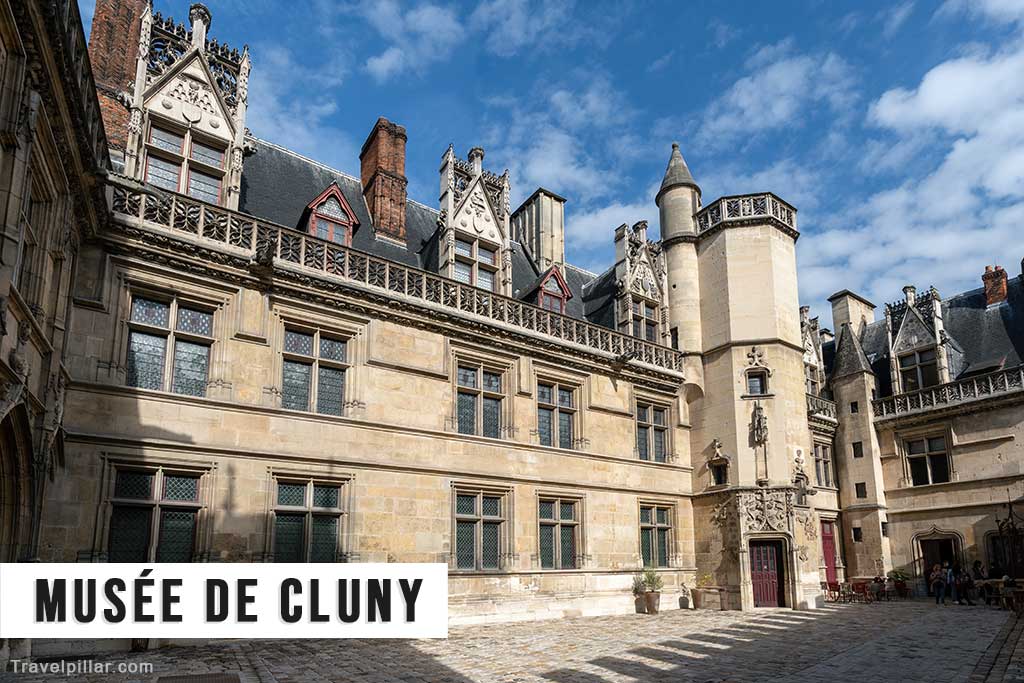
The Musée de Cluny, also known as the National Museum of the Middle Ages, is located in Paris’s Latin Quarter. Housed in a 15th-century Gothic mansion and ancient Roman baths, it showcases a vast collection of medieval art and artifacts. Highlights include the renowned The Lady and the Unicorn tapestry series. The museum offers insights into medieval history and culture, making it a significant destination for art and history enthusiasts.
Google map 4.4/5
#63 Marché aux Puces de Saint-Ouen (Market)
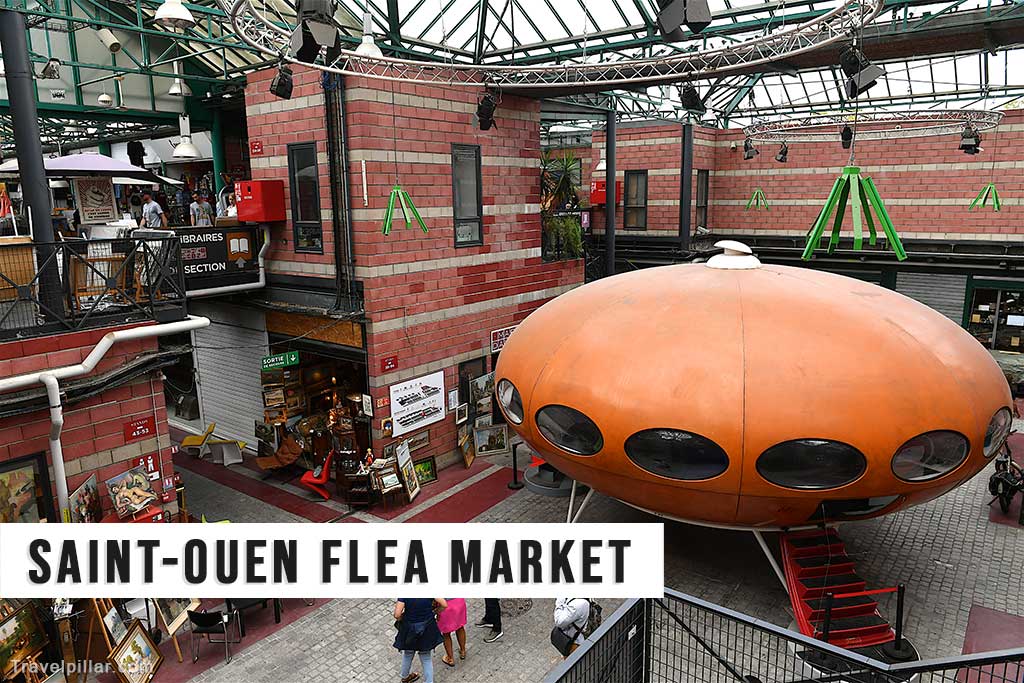
The Marché aux Puces de Saint-Ouen, located just north of Paris, is one of the largest and oldest flea markets in the world. Established in the 19th century, it spans over seven hectares and features a vast array of antiques, vintage items, and collectibles. The market is divided into specialized sections, offering everything from furniture to fashion. It is a popular destination for collectors and those seeking unique Parisian finds.
Google map 4.4/5
#64 Passage des Panoramas
Passage des Panoramas, located in Paris’s 2nd arrondissement, is the city’s oldest covered passage, dating back to 1799. This historic arcade features a blend of antique charm and modern vibrancy, with its glass roof, mosaic flooring, and wrought-iron details. It houses eclectic boutiques, stamp dealers, and traditional bistros, making it a hub for shopping and dining. The passage embodies 19th-century Parisian culture and offers a unique glimpse into the city’s heritage.
Google map 4.4/5
#65 Parc Asterix
Parc Astérix, located 35 kilometers north of Paris, is a theme park inspired by the famous French comic series Astérix. Opened in 1989, it offers attractions based on ancient civilizations such as Gaul, Greece, and Egypt. The park features roller coasters, water rides, and live shows, appealing to families and thrill-seekers alike. Renowned for its humor and cultural themes, Parc Astérix provides a uniquely French alternative to traditional theme parks.
Google map 4.4/5
#66 Conciergerie
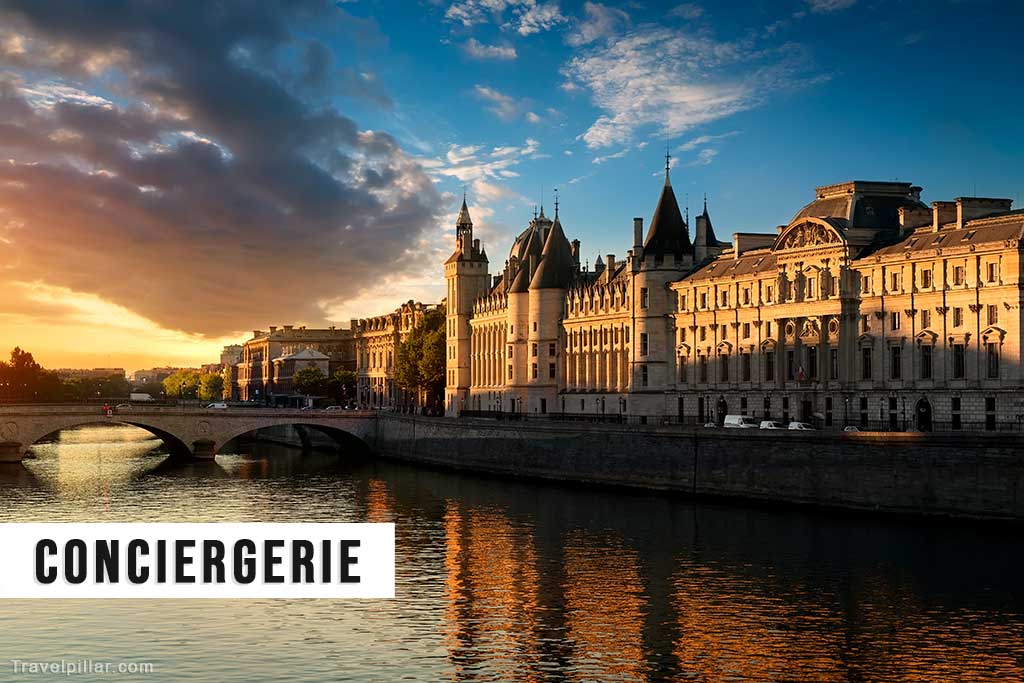
La Conciergerie, located on the Île de la Cité in Paris, is a historic Gothic building that once served as a royal palace and later as a prison. It is most famous as the detention site of Queen Marie Antoinette before her execution during the French Revolution. Visitors can explore its vaulted halls, prison cells, and the restored Chapel of the Girondins, offering a glimpse into France’s turbulent revolutionary history.
Google map 4.4/5
#67 Picasso Museum
The Picasso Museum, located in Paris’s Marais district, is dedicated to the works of Pablo Picasso. Housed in the 17th-century Hôtel Salé, it features over 5,000 pieces, including paintings, sculptures, drawings, and ceramics. The museum provides a comprehensive view of Picasso’s artistic evolution and includes personal archives and letters. Its collection spans multiple periods, offering insights into the artist’s influence on modern art and his enduring cultural significance.
Official website: https://www.museepicassoparis.fr/en/
Google map 4.3/5
#68 Les Deux Magots (historic café)
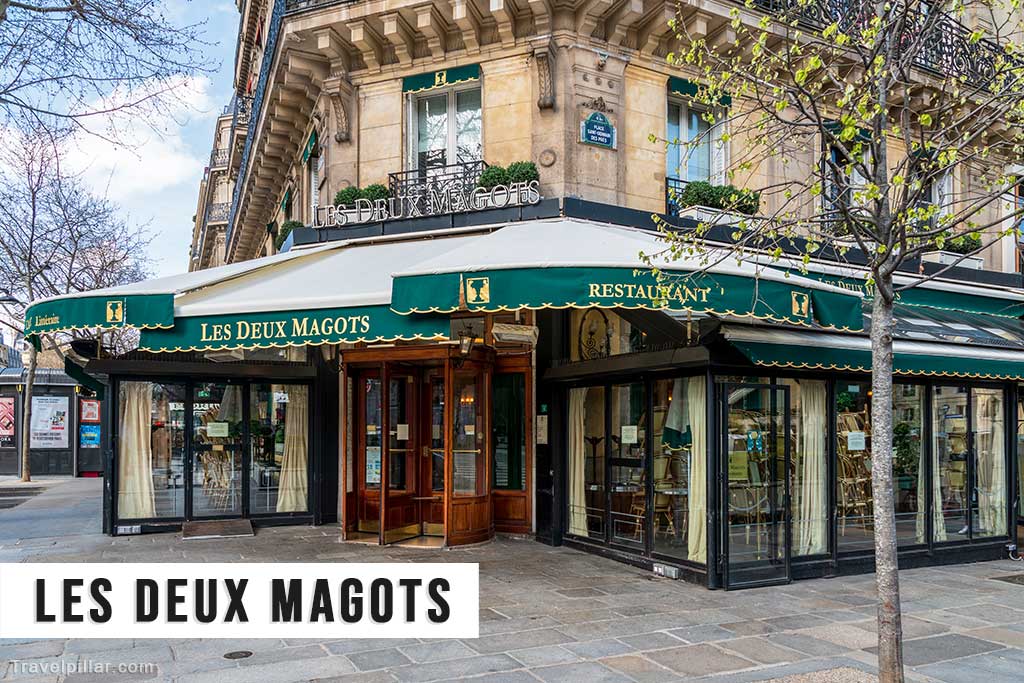
Les Deux Magots, located in Paris’s Saint-Germain-des-Prés district, is a historic café renowned for its literary and cultural heritage. Established in 1885, it was a favored meeting place for intellectuals and artists such as Simone de Beauvoir, Jean-Paul Sartre, and Ernest Hemingway. Known for its classic Parisian ambiance, it offers traditional French cuisine and beverages. Les Deux Magots remains a symbol of Paris’s intellectual and artistic legacy, attracting visitors worldwide.
Google map 4.2/5
#69 Catacombs of Paris
The Catacombs of Paris, located beneath the city, house the remains of over six million individuals. Established in the late 18th century to alleviate overcrowded cemeteries, the ossuary spans approximately 200 miles of underground tunnels. Visitors can explore a designated section, featuring meticulously arranged skulls and bones. This macabre yet fascinating site offers insights into Paris’s history, geology, and practices surrounding death, making it a unique cultural and historical experience.
Google map 4.1/5

