
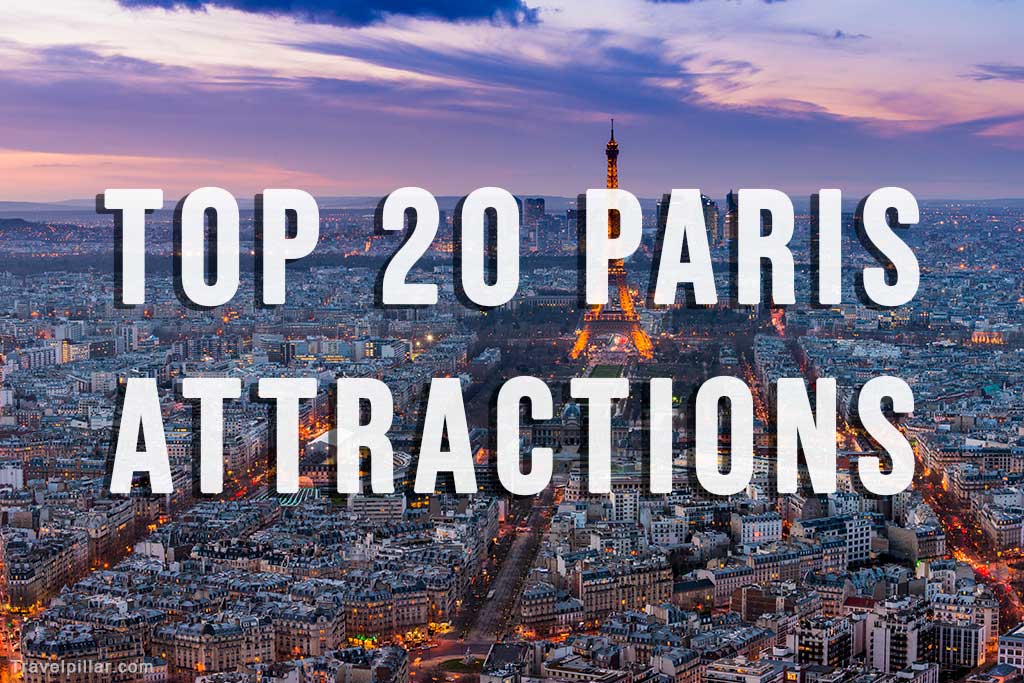
#1 Musee du Louvre
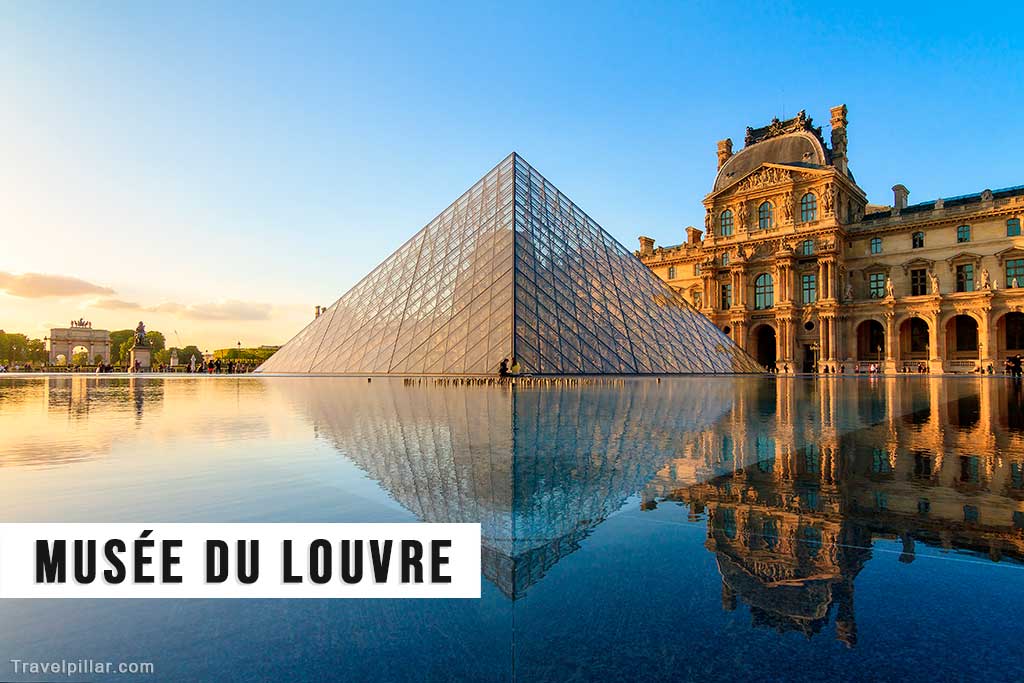
The Louvre Museum (Musée du Louvre) is the world’s most-visited museums in the world. It is home to some of the best-known works of art including the iconic Mona Lisa, Venus de Milo, and Winged Victory of Samothrace.
The Musée du Louvre contains more than 380,000 objects and displays 35,000 works of art. Exhibits include paintings, drawings, sculptures, archeological finds from Egyptian, Greek and Roman civilisations. Visitors can explore the Louvre Palace, its courtyard, and the iconic glass pyramid.
Official website: https://www.louvre.fr/en
Google map 4.7/5
#2 Eiffel Tower
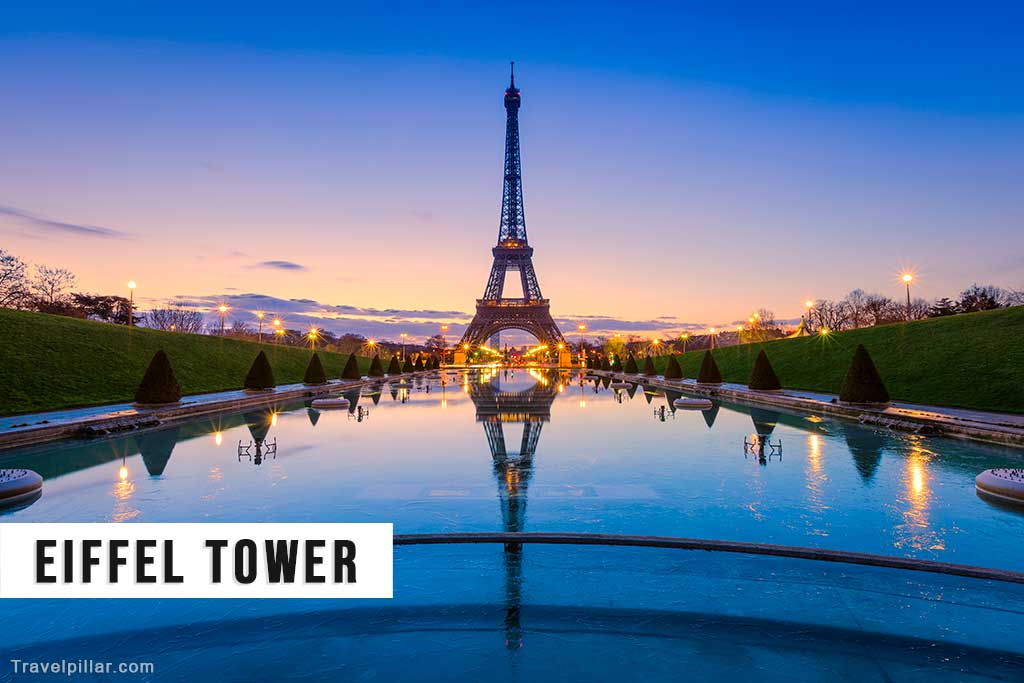
The Eiffel Tower (Tour Eiffel) is France’s iconic landmark and one of the most recognisable structures in the world. Standing at 330 metres tall the tower was constructed from 1887 to 1889 as the centrepiece of the 1889 World’s Fair. It was named after the engineer Gustave Eiffel whose company designed and built the tower.
Official website:
https://www.toureiffel.paris/en
https://www.toureiffel.paris/en/rates-opening-times (prices)
Google map 4.6/5
#3 Musee d’Orsay

The Musée d’Orsay, housed in a former Beaux-Arts railway station, showcases art from 1848 to 1914. Renowned for its Impressionist and Post-Impressionist masterpieces, it features works by Monet, Degas, Van Gogh, and Cézanne. The museum also includes sculptures, decorative arts, and photography. Opened in 1986, its stunning architecture enhances the visitor experience. Located on the Seine’s Left Bank, it offers unparalleled insight into 19th and early 20th-century art.
Official website: https://www.musee-orsay.fr/en
Google map 4.7/5
#4 Notre-Dame Cathedral

Notre-Dame Cathedral, located on the Île de la Cité, is a masterpiece of Gothic architecture and a symbol of Paris. Constructed between 1163 and 1345, it features intricate stonework, stunning rose windows, and twin towers. The cathedral played a significant role in French history and literature, notably in Victor Hugo’s The Hunchback of Notre-Dame. Reopened in December 2024 after extensive restoration, it remains a must-visit cultural and historical landmark.
Official website: https://www.notredamedeparis.fr/en/
Google map 4.7/5
#5 Sainte Chapelle

Sainte-Chapelle, located on the Île de la Cité, is a Gothic architectural masterpiece built between 1242 and 1248 by King Louis IX. It was designed to house holy relics, including the Crown of Thorns. Renowned for its 15 towering stained glass windows, depicting over 1,100 biblical scenes, the chapel offers a dazzling display of color and light. It is a key cultural and historical attraction in Paris, celebrated for its artistry.
Official website: http://www.sainte-chapelle.fr/en/
Google map 4.7/5
#6 Sacre-Coeur

The Sacré Coeur Basilica (Sacré Coeur de Montmartre), located atop Montmartre in Paris, is a Roman Catholic church and an iconic landmark. Completed in 1914, its white-domed exterior and Byzantine-inspired architecture dominate the skyline. The basilica offers breathtaking panoramic views of Paris from its dome. Inside, visitors can admire its grand mosaics, including Christ in Majesty. A place of worship and reflection, it remains a significant cultural and spiritual site in the city.
Official website: https://www.sacre-coeur-montmartre.com
Google map 4.7/5
#7 Arc de Triomphe
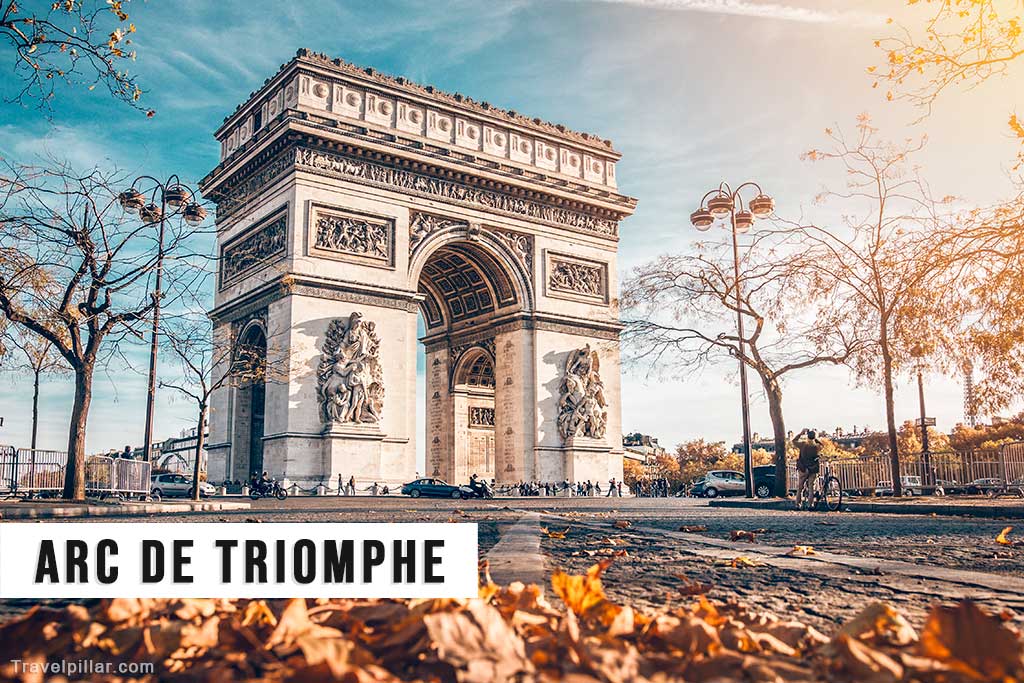
The Arc de Triomphe is a prominent Parisian monument, commissioned by Napoleon in 1806 to commemorate his military victories. Situated at the western end of the Champs-Élysées, this 50-meter-tall structure boasts ornate reliefs and sculptures, honoring French soldiers and generals. The Tomb of the Unknown Soldier, with its eternal flame, pays tribute to World War I casualties. Visitors can climb 284 steps to the top for panoramic views and visit the onsite museum detailing the monument’s history.
Official website: https://www.paris-arc-de-triomphe.fr/en/
Google map 4.7/5
#8 Palais Garnier (Opera National de Paris)
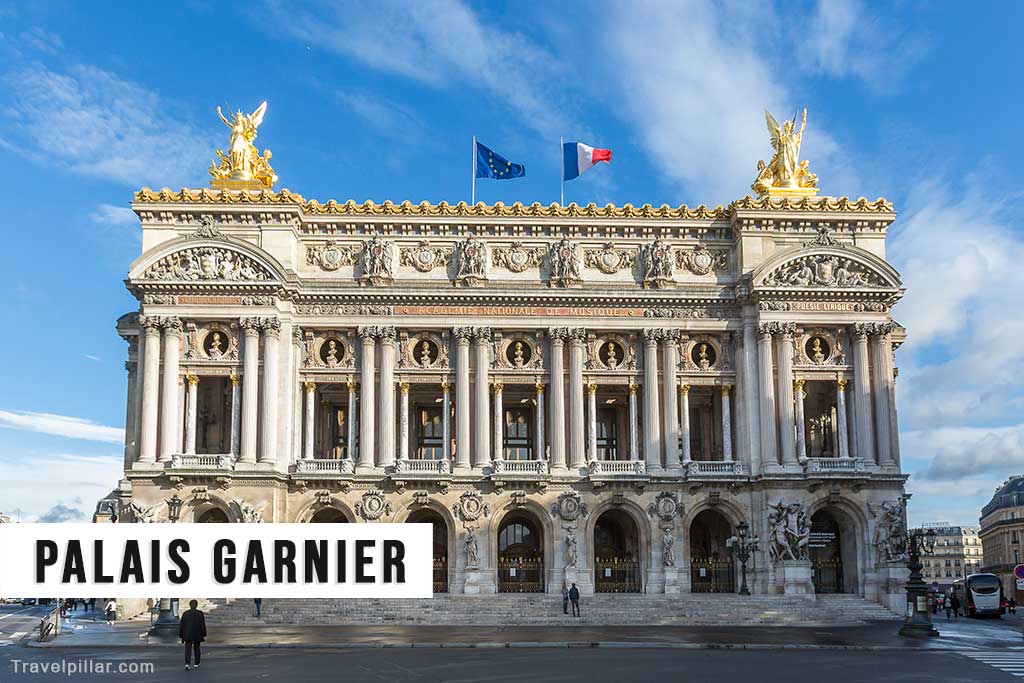
Palais Garnier Opera House is a 19th-century architectural masterpiece, designed by Charles Garnier as part of Emperor Napoleon III’s Parisian renovation plan. This opulent Beaux-Arts building features lavish marble, gold leaf, and frescoes, exemplifying the grandeur of the Second Empire. The auditorium’s ceiling, painted by Marc Chagall, depicts famous composers and their works. Visitors can explore the grand staircase, foyers, and auditorium, or attend performances ranging from ballet to opera.
Official website: https://www.operadeparis.fr
Google map 4.7/5
#9 Latin Quarter
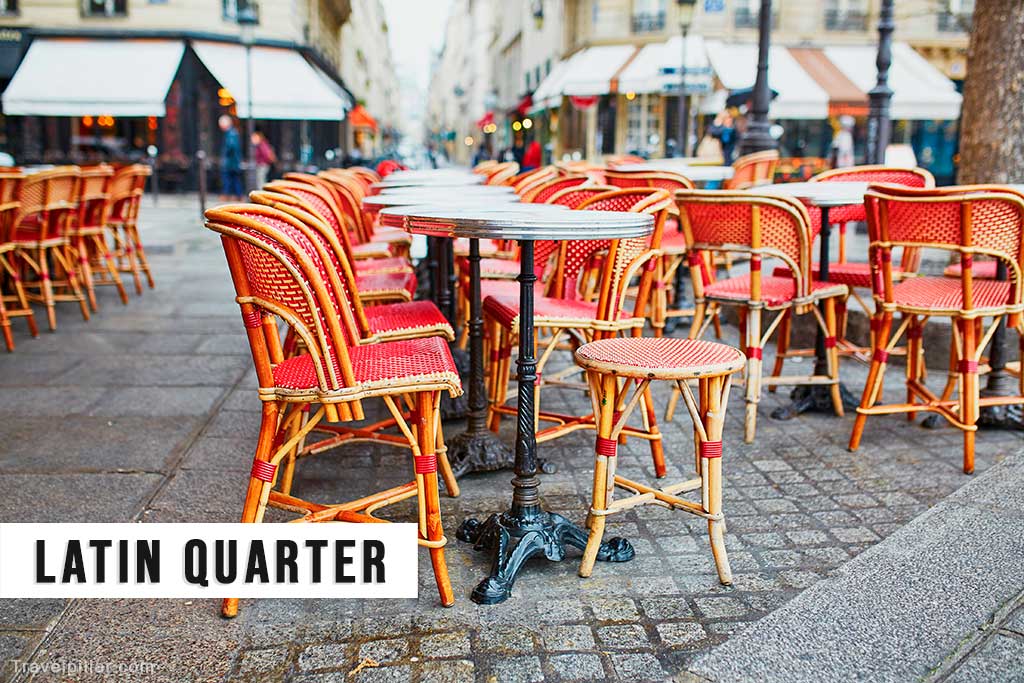
The Latin Quarter (Quartier latin) is a historic neighbourhood in Paris, known for its intellectual heritage and vibrant atmosphere. Named after the Latin language once spoken by local scholars, the area is home to the Sorbonne University, established in 1257. Visitors can stroll along narrow cobblestone streets, discover charming bookshops, and dine in traditional French bistros. The Panthéon, a neoclassical mausoleum, houses the remains of notable French figures, such as Voltaire, Rousseau, and Marie Curie.
Google map of the Latin Quarter
#10 Pont Alexandre III

Pont Alexander III Bridge is a Beaux-Arts style bridge spanning the River Seine, inaugurated in 1900 to mark the Franco-Russian alliance. Featuring ornate lampposts, sculptures, and gold-leafed details, it is considered one of Paris’s most elegant bridges. Four monumental pylons at each corner represent Art, Science, Commerce, and Industry. The bridge connects the Grand Palais and Petit Palais on the right bank to the Hôtel des Invalides on the left bank, offering picturesque riverside views.
Google map 4.7/5
#11 Jardin du Luxembourg

Luxembourg Gardens (Le Jardin du Luxembourg) is a picturesque 17th-century public garden, spanning 25 hectares in Paris’s Left Bank. Commissioned by Marie de’ Medici, the garden showcases French and English landscape styles, with geometrically arranged flowerbeds, tree-lined promenades, and tranquil ponds. The park features statues, fountains, and the Luxembourg Palace, which houses the French Senate. Visitors can enjoy recreational activities, such as tennis, chess, and pétanque, or attend open-air concerts during summer months.
Official website: https://jardin.senat.fr/en.html
Google map 4.7/5
#12 Musee de l’Orangerie

Musee de L’Orangerie – Art Museum Located in the Tuileries Gardens, the Musée de l’Orangerie features a collection of Impressionist and Post-Impressionist paintings, including Monet’s famous “Water Lilies” series.
Official website:
https://www.musee-orangerie.fr/en
Google map 4.6/5 – Located at the western end of the Tuileries Garden (Jardin des Tuileries)
#14 Panthéon

Panthéon is a neoclassical mausoleum in Paris’s Latin Quarter, originally built as a church dedicated to St. Genevieve. With its iconic dome and imposing columns, the monument houses the remains of illustrious French figures, such as Voltaire, Rousseau, and Marie Curie. Visitors can explore the crypt, admire the frescoes depicting St. Genevieve’s life, and enjoy panoramic views from the colonnade.
Official website: https://www.paris-pantheon.fr/en/
Google map 4.6/5
#15 Le Centre Pompidou

Le Centre Pompidou, located in the Beaubourg area of Paris, is a modern art and cultural hub. Opened in 1977, its unique architectural design, with external escalators and color-coded pipes, is a landmark of high-tech style. The museum houses the Musée National d’Art Moderne, featuring works by Picasso, Kandinsky, and Warhol. It also includes a public library and performance spaces, offering a dynamic cultural experience in the heart of Paris.
Official website: https://www.centrepompidou.fr/en/
Google map 4.4/5
#16 Jardin des Tuileries

Jardin des Tuileries is a historic public garden located between the Louvre and Place de la Concorde. Established by Catherine de’ Medici in 1564, this 28-hectare garden is designed in the French formal style, featuring symmetrically arranged flowerbeds, tree-lined pathways, and ornate fountains. The garden is home to the Musée de l’Orangerie and the Jeu de Paume, a contemporary art center. Visitors can relax in the iconic green chairs, ride the carousel, or participate in seasonal events.
Official website: https://parisjetaime.com/eng/
Google map 4.6/5
#17 Palace of Versailles

Palace of Versailles is a magnificent royal château located 20 kilometers southwest of Paris, built by King Louis XIV as a symbol of French absolutism and artistic supremacy. The sprawling estate comprises the ornate palace, with its Hall of Mirrors, opulent state apartments, and exquisite gardens, designed by André Le Nôtre, featuring fountains, sculptures, and the Grand Canal. The estate also includes the Grand Trianon, the Petit Trianon, and Marie Antoinette’s Hamlet. Guided tours and audio guides are available.
Official website: https://en.chateauversailles.fr
Google map 4.6/5
#18 Trocadero (Palais de Chaillot)
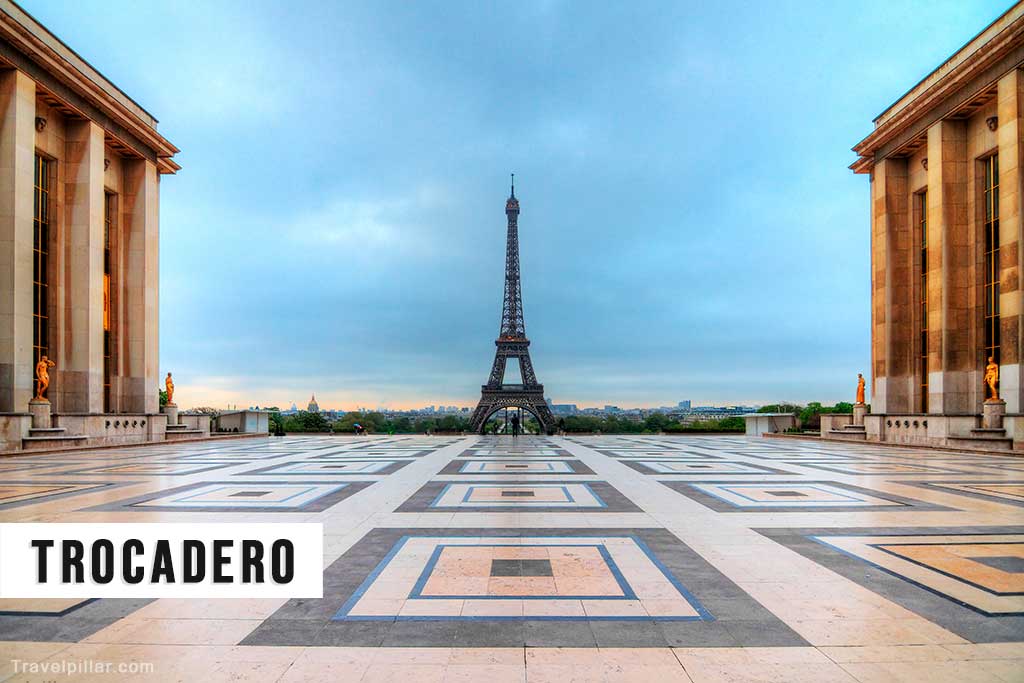
The Trocadéro is a prominent square offering exceptional views of the Eiffel Tower. Home to the Palais de Chaillot, it features gardens, fountains, and cultural institutions, such as the Musée de l’Homme and the Musée de la Marine, as well as an aquarium.
Official website: https://parisjetaime.com/eng/
Google map 4.6/5
#19 Champs Elysees

The Champs-Élysées is a famous Parisian avenue, stretching 1.9 kilometers from Place de la Concorde to the Arc de Triomphe. Known for its luxury boutiques, theaters, and cafes, the avenue hosts annual events like the Bastille Day military parade and the Tour de France finale.
#20 Montmartre
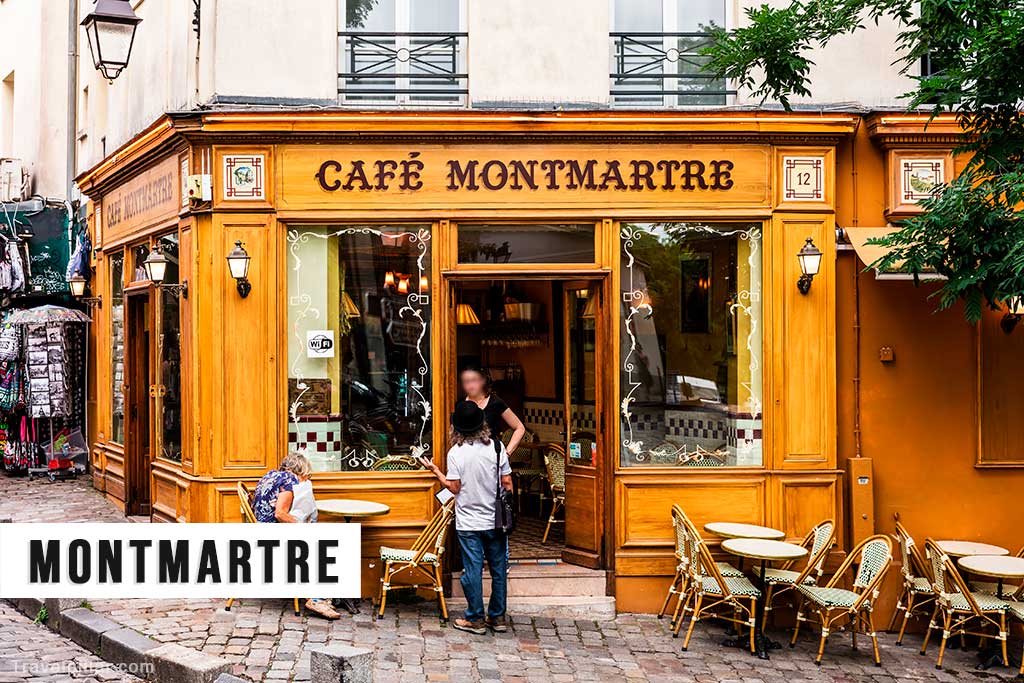
Montmartre, located in northern Paris, is a historic district renowned for its artistic heritage and bohemian charm. Perched on a hill, it offers panoramic views of the city from the Basilica of Sacré-Cœur. Known for its cobblestone streets, lively squares like Place du Tertre, and iconic windmills, Montmartre was once home to artists such as Picasso and Renoir. Today, it remains a vibrant neighborhood blending cultural history with modern Parisian life.

