
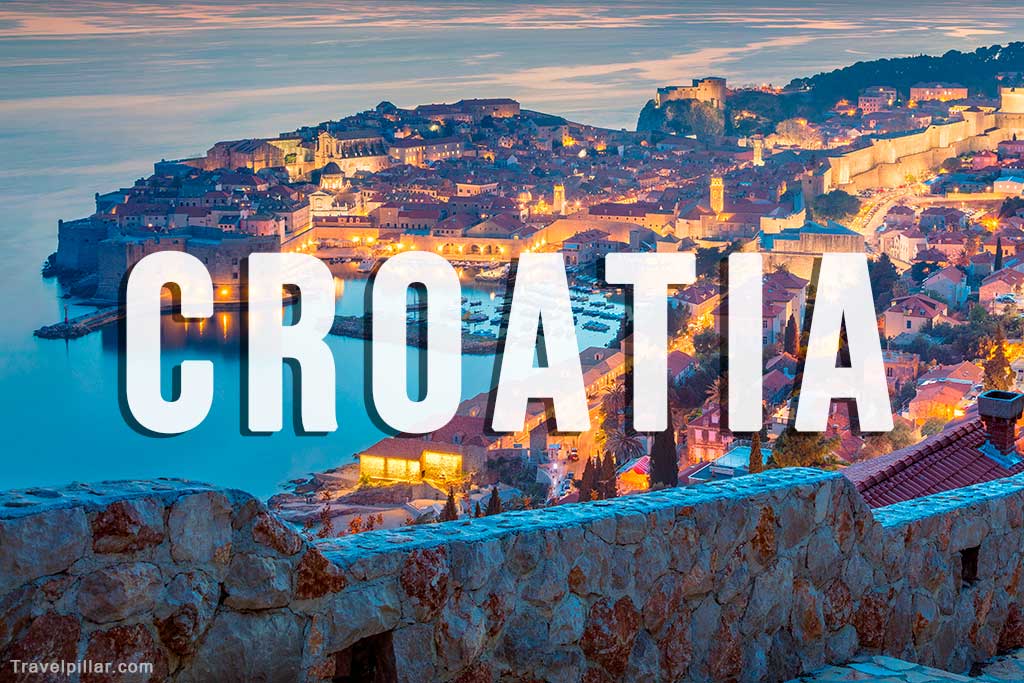
Croatia, located in Southeast Europe along the Adriatic Sea, boasts a diverse array of attractions that combine natural beauty, cultural heritage, and historical significance. The country’s coastline stretches over 1,100 miles, adorned with more than a thousand islands, each offering unique landscapes, charming coastal towns, and pristine beaches. Dubrovnik, often referred to as the “Pearl of the Adriatic,” stands out with its remarkably well-preserved medieval architecture and imposing fortified city walls that encircle the historic Old Town.
Inland, Croatia is home to spectacular natural wonders such as Plitvice Lakes National Park, a UNESCO World Heritage site famous for its interconnected lakes, cascading waterfalls, and verdant forests. The park’s turquoise waters draw visitors seeking tranquility and breathtaking scenery.
The capital city, Zagreb, presents a contrasting urban experience with a blend of Austro-Hungarian and Socialist architecture. Here, cultural museums, vibrant street markets, and a thriving arts scene provide insight into Croatia’s rich cultural tapestry and historical evolution.
Throughout the country, remnants of Croatia’s complex history are visible in its Roman ruins, Venetian architecture, and medieval castles, each telling a story of past civilizations and influences. Whether exploring ancient cities, sunbathing on secluded beaches, or hiking through pristine national parks, Croatia offers a captivating blend of natural beauty and cultural richness for travelers to discover and enjoy.
Official tourism website (Croatia): https://croatia.hr/
The Best Places to Visit in Croatia
Dubrovnik
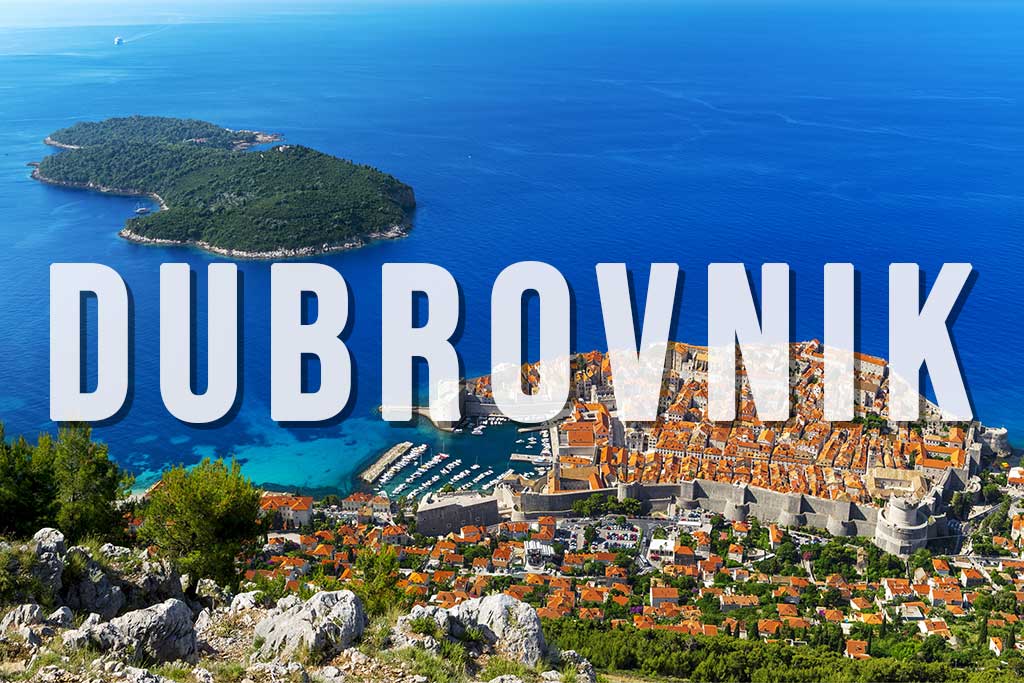
Dubrovnik, situated on Croatia’s southern Adriatic coast, is renowned for its well-preserved medieval walls encircling the historic Old Town, a UNESCO World Heritage site. The city boasts impressive Gothic, Renaissance, and Baroque architecture, including landmarks like the Sponza Palace and Rector’s Palace. Visitors can stroll along marble streets, explore ancient fortifications, and enjoy panoramic views from the city walls. Dubrovnik’s rich history, cultural heritage, and scenic coastal setting make it a prominent destination in the Adriatic region.
Official tourism website: https://visitdubrovnik.hr
Plitvice Lakes National Park
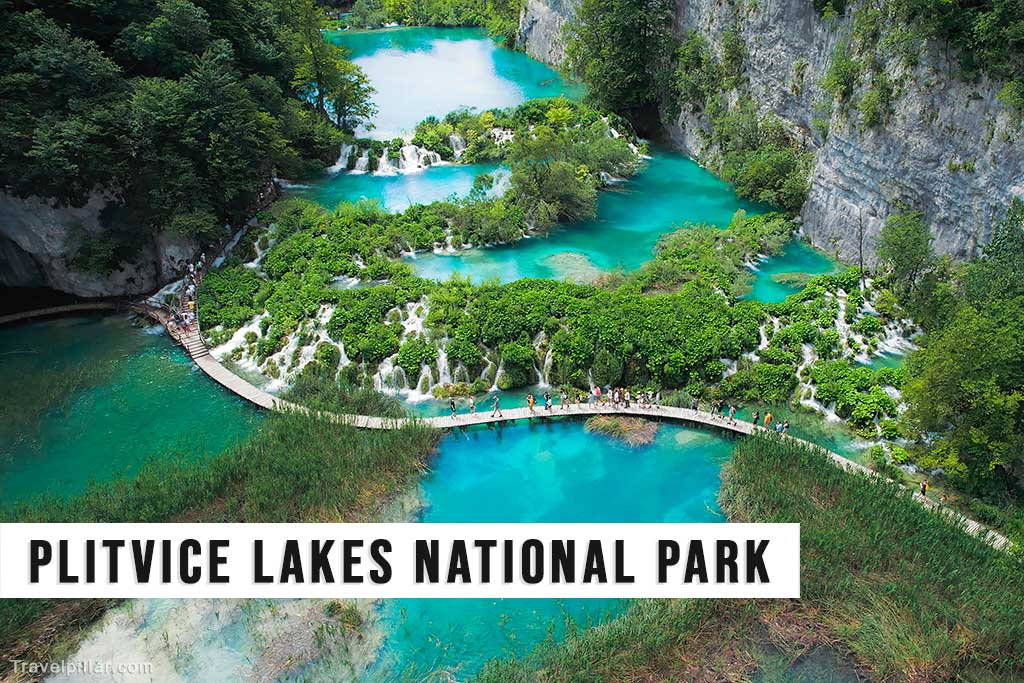
Plitvice Lakes National Park, a UNESCO World Heritage site in Croatia, is celebrated for its interconnected series of lakes, waterfalls, and lush forests. Located in the mountainous Lika region, the park features crystal-clear turquoise waters that cascade over limestone and chalk, forming stunning natural pools. Visitors can explore the park via well-maintained wooden walkways and hiking trails, offering opportunities to admire its diverse flora and fauna. Plitvice Lakes’ serene beauty and ecological significance make it a premier destination for nature enthusiasts and photographers alike, showcasing Croatia’s natural wonders in a pristine and protected environment.
Official website: https://np-plitvicka-jezera.hr/en/
Google map 4.8/5
Split
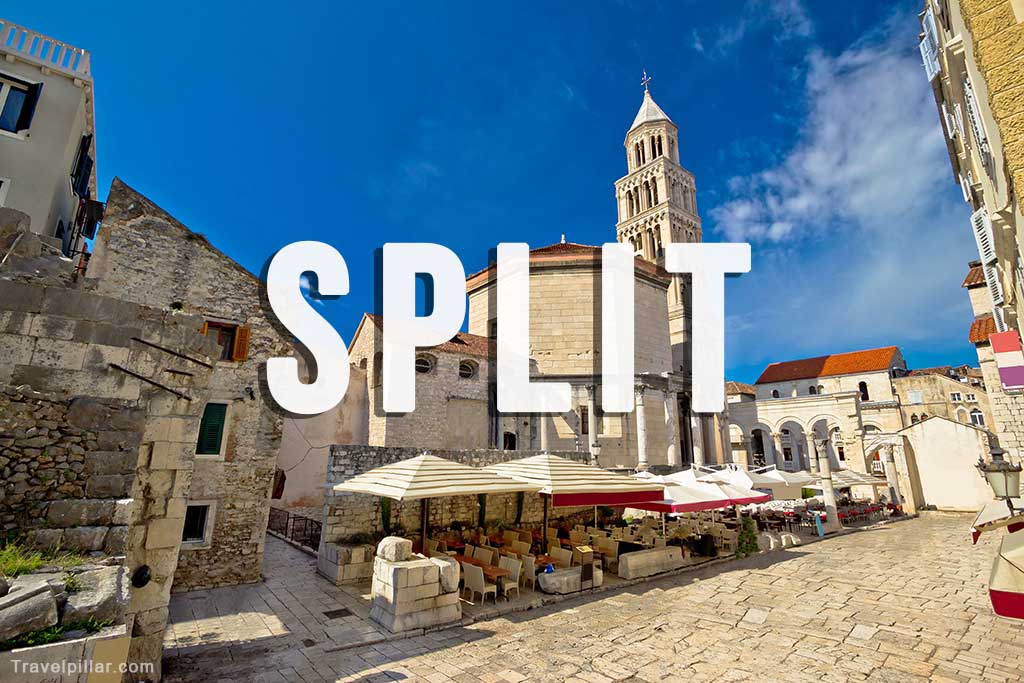
Split, Croatia’s second-largest city, is a vibrant urban center on the Dalmatian coast known for its blend of ancient Roman history and modern Mediterranean culture. At its heart lies Diocletian’s Palace, a UNESCO World Heritage site built in the 4th century AD, featuring well-preserved Roman architecture, bustling markets, and medieval churches. Split offers a lively waterfront promenade, Riva, lined with cafes and shops, while nearby Marjan Hill provides panoramic views of the city and sea. With its rich historical heritage and dynamic city life, Split is a captivating destination for history enthusiasts and leisure travelers alike.
Official tourism website: https://visitsplit.com/en/
Hvar
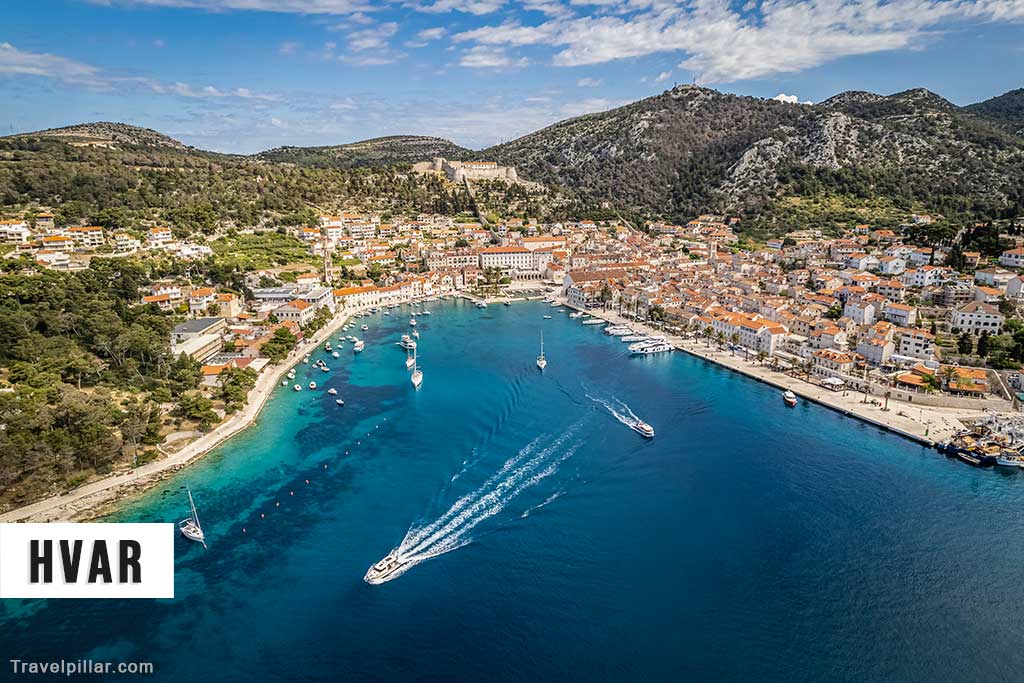
Hvar, a picturesque island off Croatia’s Dalmatian coast, is renowned for its glamorous atmosphere, historic architecture, and natural beauty. Its main town, also named Hvar, features a charming harbor overlooked by a medieval fortress. Visitors flock to its vibrant waterfront promenade lined with cafes, restaurants, and luxury yachts. Hvar boasts stunning beaches, including the famous Dubovica and Pakleni Islands, offering crystal-clear waters and secluded coves. The island also showcases lavender fields, olive groves, and vineyards, producing local wines like Plavac Mali. Hvar’s blend of cultural heritage, Mediterranean charm, and scenic landscapes makes it a sought-after destination for travelers seeking both relaxation and exploration.
Official tourism website: https://visithvar.hr/
Google map 4.7/5
Rovinj
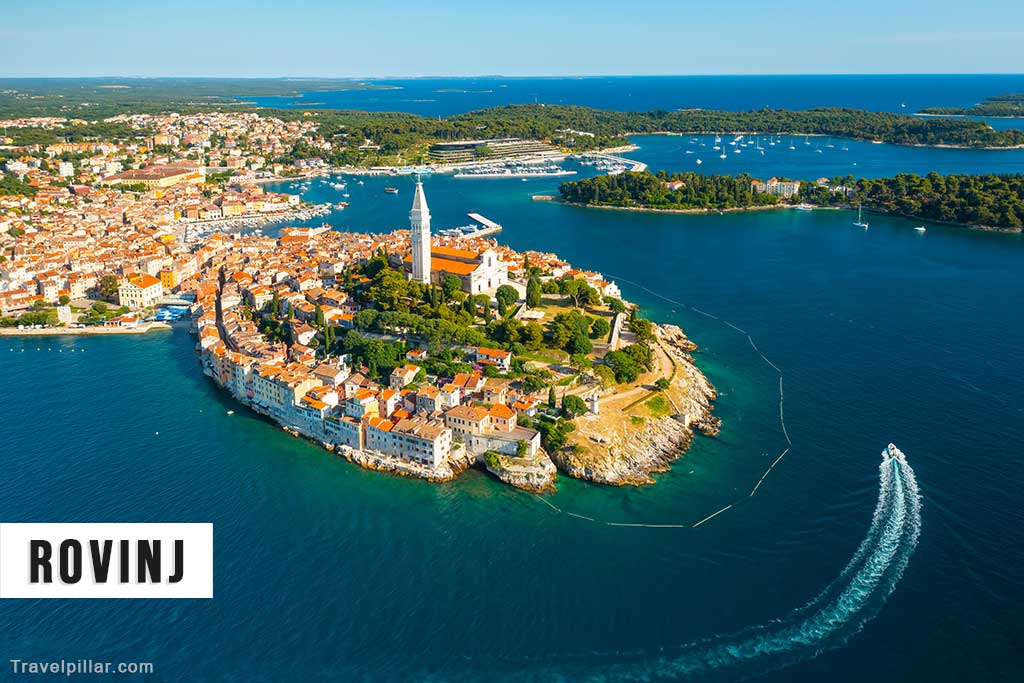
Rovinj, situated on the Istrian peninsula of Croatia, is a picturesque coastal town known for its romantic ambiance and Venetian architecture. The town’s charming old town features narrow cobblestone streets, colorful houses, and a lively harbor dotted with fishing boats and waterfront cafes. Dominating the skyline is the towering St. Euphemia’s Basilica, offering panoramic views of the Adriatic Sea and surrounding islands from its bell tower. Rovinj’s rich cultural heritage, vibrant arts scene, and pristine beaches, such as Lone Bay and Punta Corrente, make it a popular destination for both relaxation and cultural exploration in Croatia.
Official tourism website: https://www.rovinj-tourism.com/
Zagreb
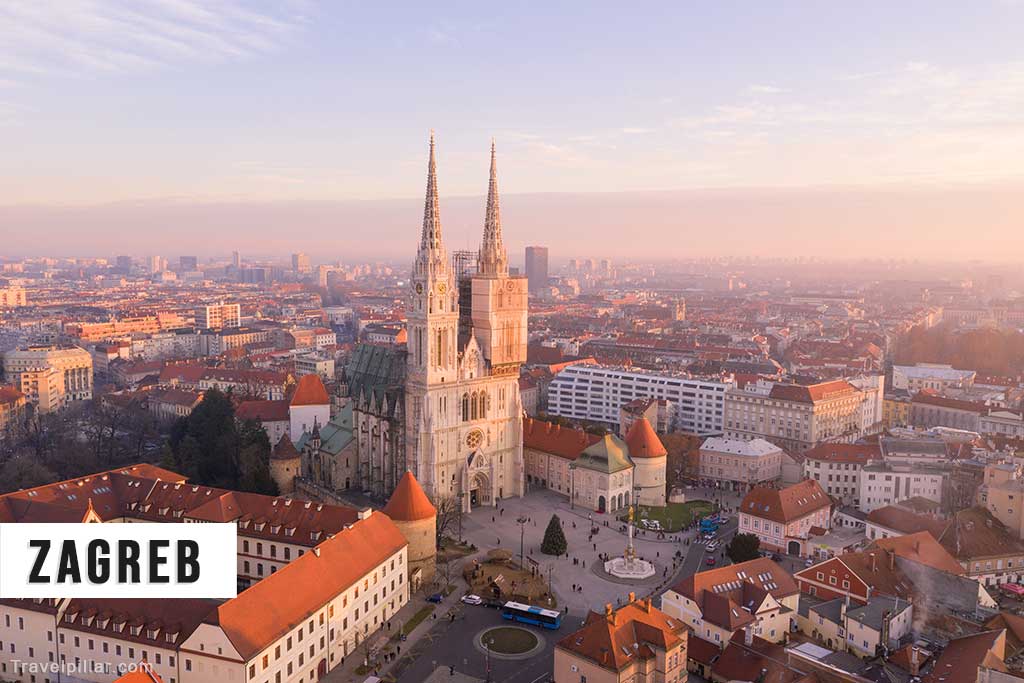
Zagreb, the capital city of Croatia, is a bustling metropolis that blends historic charm with modern vibrancy. Its Upper Town (Gornji Grad) boasts medieval architecture, including the iconic St. Mark’s Church with its colorful tiled roof. The Lower Town (Donji Grad) features elegant 19th-century buildings, bustling squares like Ban Jelačić, and vibrant street markets. Cultural attractions include the Croatian National Theatre and numerous museums, such as the Museum of Broken Relationships. Zagreb’s dynamic arts scene, lively cafes, and green spaces like Maksimir Park offer visitors a diverse and enriching urban experience amidst a backdrop of historical significance.
Official tourism website: https://www.infozagreb.hr/en/
Korčula
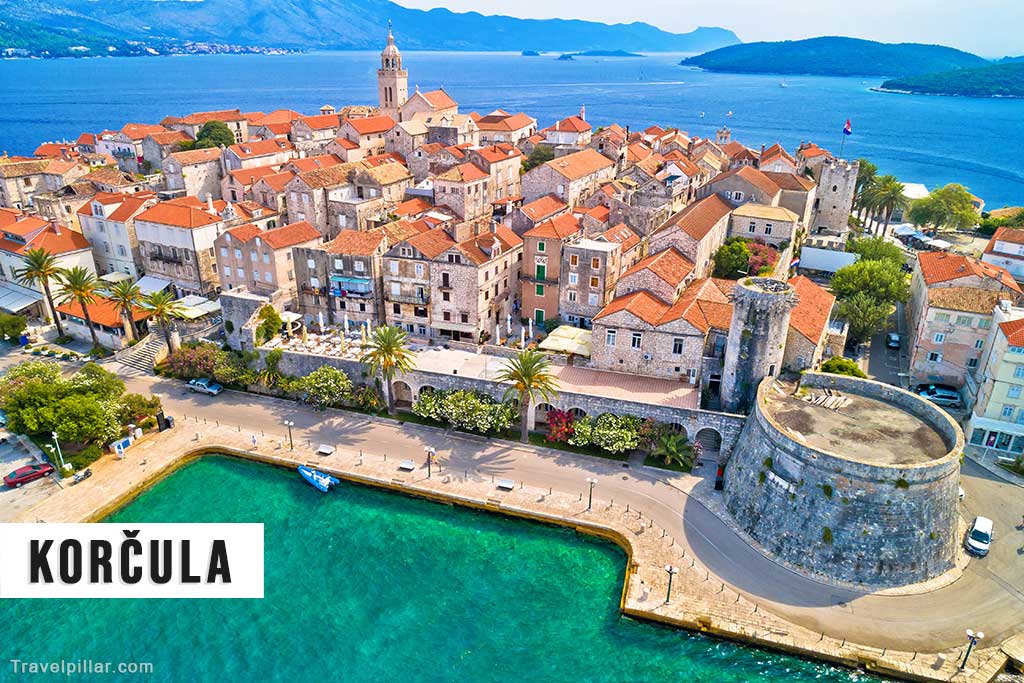
Korčula, an island off Croatia’s Adriatic coast, is renowned for its rich history, stunning architecture, and natural beauty. Its main town, also named Korčula, is famous for its well-preserved medieval walls and narrow, winding streets that resemble a fishbone layout. The town boasts the alleged birthplace of explorer Marco Polo and features landmarks such as St. Mark’s Cathedral with its impressive Gothic-Renaissance facade. Korčula Island offers picturesque beaches, crystal-clear waters ideal for swimming and snorkeling, and scenic vineyards producing local wines. Its blend of historical charm, cultural heritage, and coastal landscapes makes Korčula a captivating destination for travelers seeking both relaxation and exploration in Croatia.
Official tourism website: https://visitkorcula.eu/en/
Krka National Park
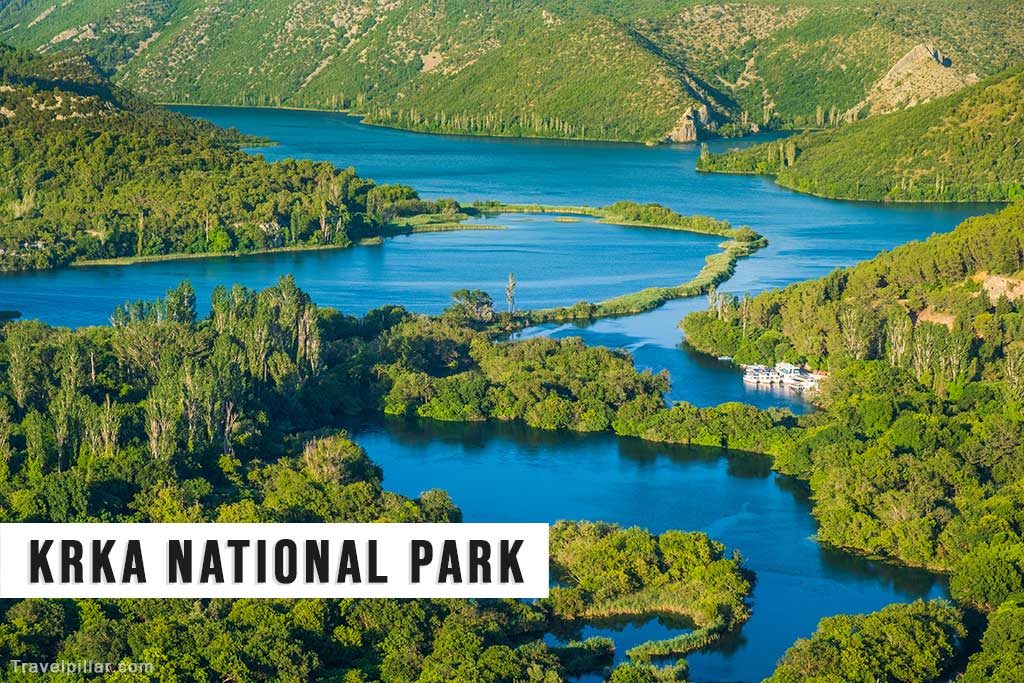
Krka National Park, located in southern Croatia, is renowned for its stunning waterfalls, pristine lakes, and lush forests. It is named after the Krka River, which carves through limestone cliffs to create a series of breathtaking cascades, including the famous Skradinski Buk waterfall. Visitors can explore the park via wooden boardwalks that wind through verdant landscapes, providing opportunities for hiking, swimming, and wildlife viewing. The park is also home to historic watermills and ancient monasteries, adding cultural significance to its natural beauty. Krka National Park offers a serene escape into Croatia’s diverse ecosystems and is a haven for nature enthusiasts and photographers alike.
Official website: https://npkrka.hr/en_us/
Google map 4.5/5
Zadar
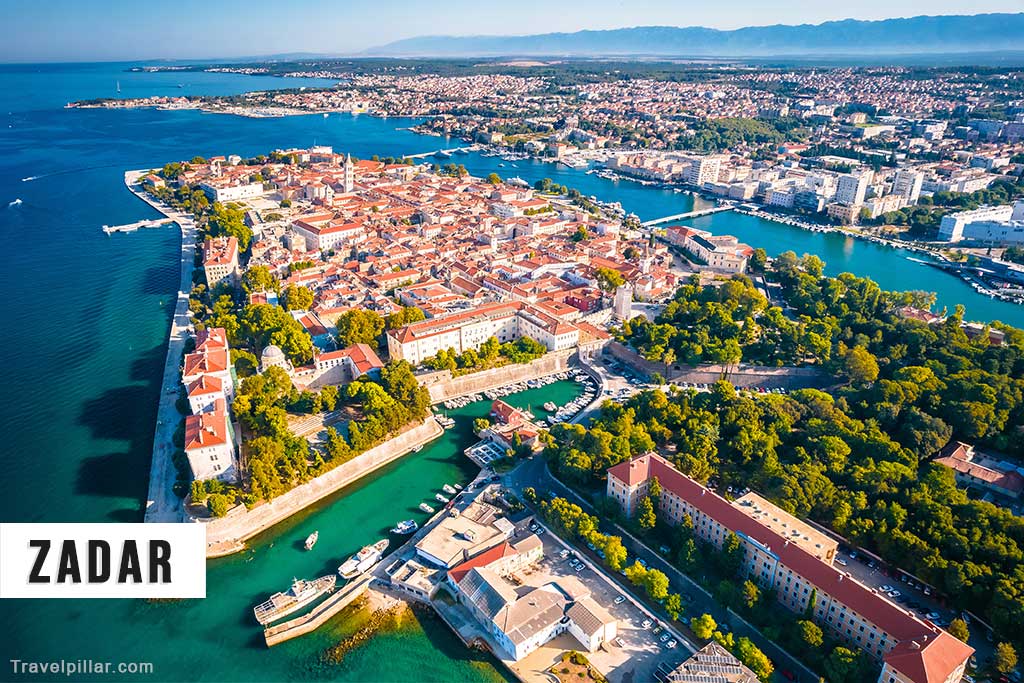
Zadar, located on Croatia’s Adriatic coast, is a historic city with a rich cultural heritage and stunning natural surroundings. Its Old Town features well-preserved Roman and medieval architecture, including the Roman Forum and St. Donatus Church, an iconic symbol of Zadar’s Byzantine history. The Sea Organ and Sun Salutation installations along the waterfront provide unique interactive experiences, using nature’s energy to create music and light displays. Zadar also boasts vibrant markets, charming cafes, and nearby beaches like Kolovare, offering relaxation and scenic views of the Adriatic Sea. With its blend of historical landmarks, cultural attractions, and coastal beauty, Zadar is a captivating destination for travelers seeking both history and leisure in Croatia.
Official tourism website: https://zadar.travel/
Zlatni Rat Beach
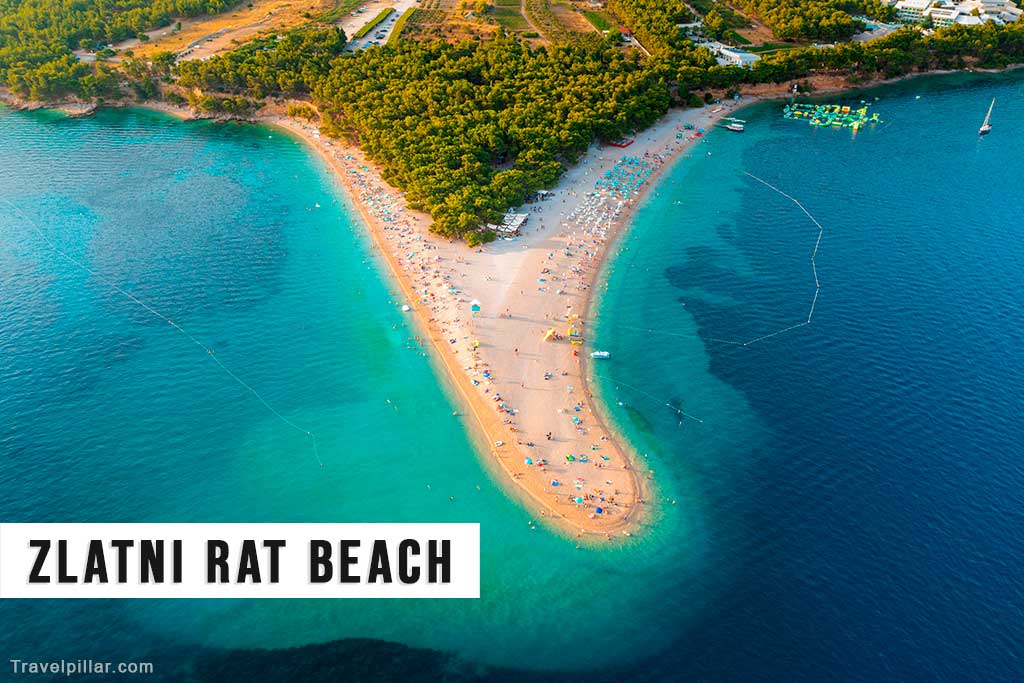
Zlatni Rat Beach, located near the town of Bol on the island of Brač, is one of Croatia’s most distinctive coastal landmarks. Known for its shifting triangular shape, the beach extends into the Adriatic Sea and changes form with tides, winds, and currents. Covered in fine pebbles, it is backed by pine trees and offers swimming, windsurfing, and sunbathing, making it a popular destination on the Dalmatian coast.
Google map 4.4/5