
Best things to do in London ranked 61–80 highlight parks, cultural institutions, historic streets and specialist museums that sit beyond the main tourist circuit. From Hampstead Heath and Regent’s Park to the British Library and Highgate Cemetery, these experiences reveal different sides of the capital. Together, these best things to do in London provide additional depth for returning visitors or longer stays.
#61 Hampstead Heath

Hampstead Heath is a large, ancient parkland in north London, covering over 300 hectares. It features woodlands, meadows, ponds, and hilltops, including Parliament Hill, which offers panoramic views of the city. The Heath supports recreational activities such as walking, swimming in open-air ponds, and birdwatching. It also contains Kenwood House, a historic estate with an art collection. Hampstead Heath remains a significant green space with a natural, informal landscape character.
Google map 4.7/5
#62 Regent’s Park
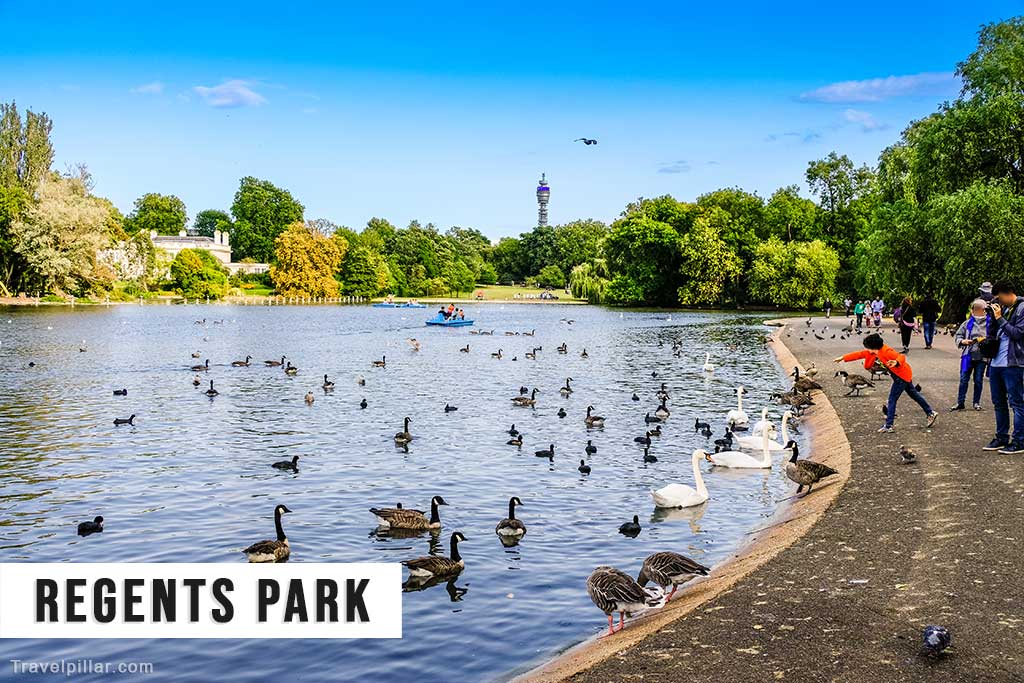
Regent’s Park is one of London’s Royal Parks, located in the northwestern part of the city. Designed by John Nash, it features formal gardens, tree-lined pathways, and open green spaces. The park includes Queen Mary’s Gardens, an open-air theatre, and boating lake. It also houses the London Zoo and sports facilities. The surrounding area contains elegant terraces and villas. Regent’s Park is used for recreation, cultural events, and seasonal flower displays.
Official website: https://www.royalparks.org.uk/
Google map 4.7/5
#63 Primrose Hill
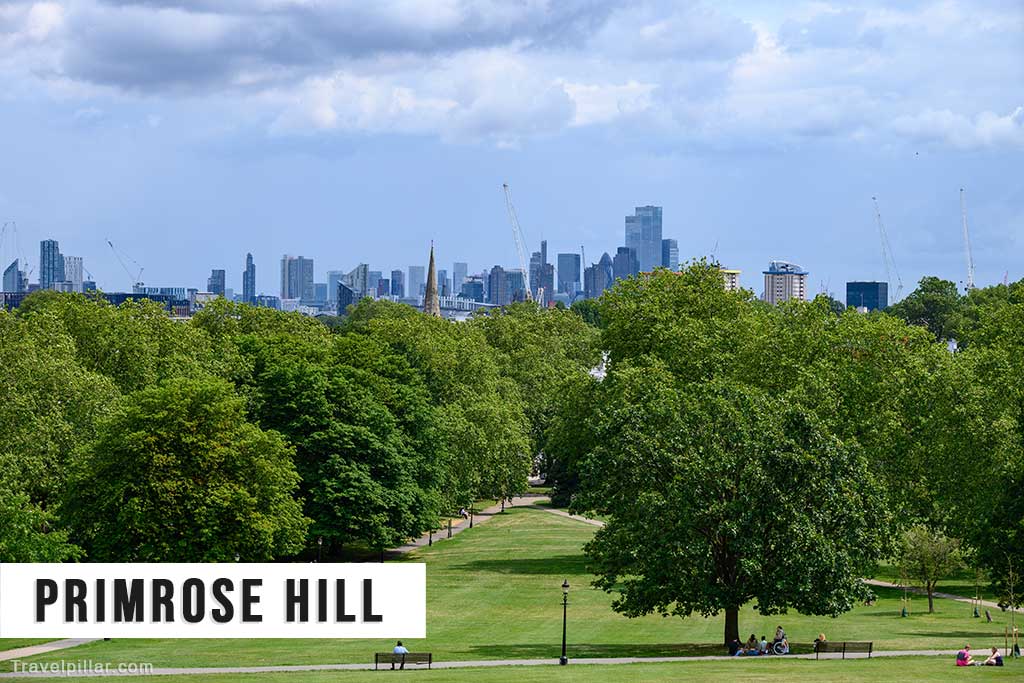
Primrose Hill is a small hill and public park located just north of Regent’s Park in London. It is known for its elevated viewpoint, offering clear panoramic views across the city skyline, including landmarks such as The Shard, the London Eye, and St Paul’s Cathedral. The surrounding area is primarily residential, with independent shops and cafés nearby. The park provides open green space for walking and relaxation.
Google map 4.8/5
#64 The Royal Institution
The Royal Institution, located in Mayfair, is a scientific organisation dedicated to research, education, and public engagement in science. Founded in 1799, it has been the site of major scientific discoveries and is known for its historic lecture theatre, where the annual Christmas Lectures are held. The building includes a small museum, archives, and interactive displays. It hosts regular talks, events, and exhibitions aimed at making science accessible to a broad audience.
Official website: https://www.rigb.org
Google map 4.7/5
#65 The Museum of London (currently closed due to relocation)
The Museum of London is currently undergoing relocation from its London Wall site to the historic Smithfield market area. The new venue, to be named the London Museum, is scheduled to open in phases, with the General Market building opening in 2026 and the Poultry Market in 2028. The expanded site will feature larger permanent galleries, temporary exhibition spaces, learning facilities, and integrated public areas. This redevelopment aims to attract over two million visitors annually, enhancing its role as a cultural and educational centre documenting London’s history from prehistoric times to the present day. The Museum of London Docklands remains open.
#66 Highgate Cemetery
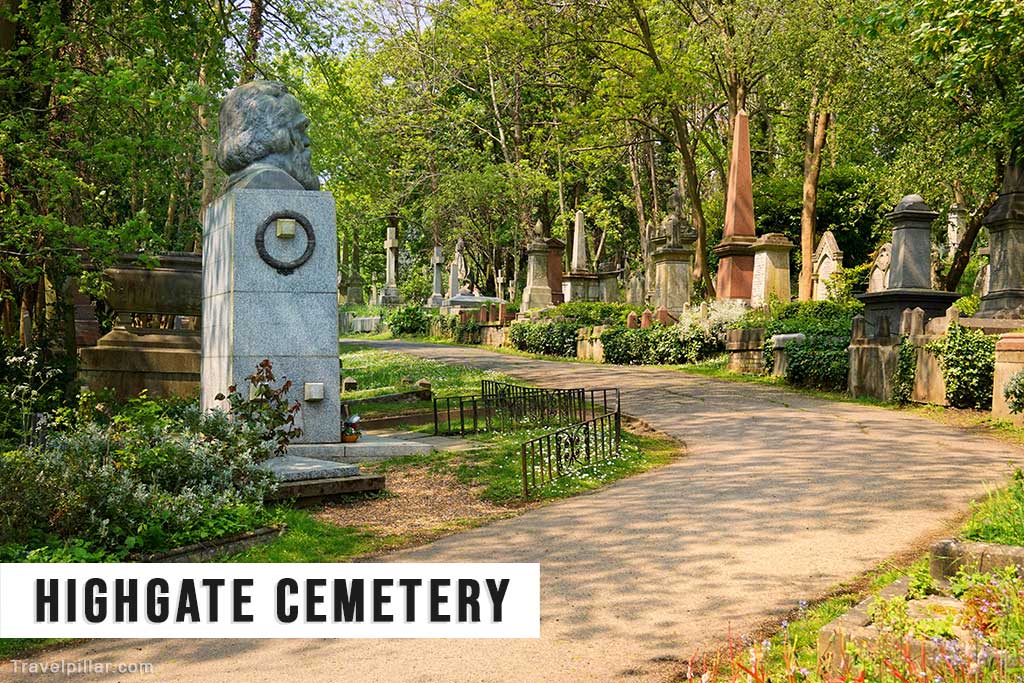
Highgate Cemetery, located in north London, is a historic burial ground known for its Victorian funerary architecture and notable interments. Opened in 1839, it is divided into the East and West cemeteries. The site includes elaborate tombs, winding paths, and overgrown vegetation. Prominent figures buried here include Karl Marx, George Eliot, and Douglas Adams. Guided tours are available for the West Cemetery, while the East Cemetery can be visited independently with an entry fee.
Official website: https://highgatecemetery.org
Google map 4.7/5
#67 Abbey Road
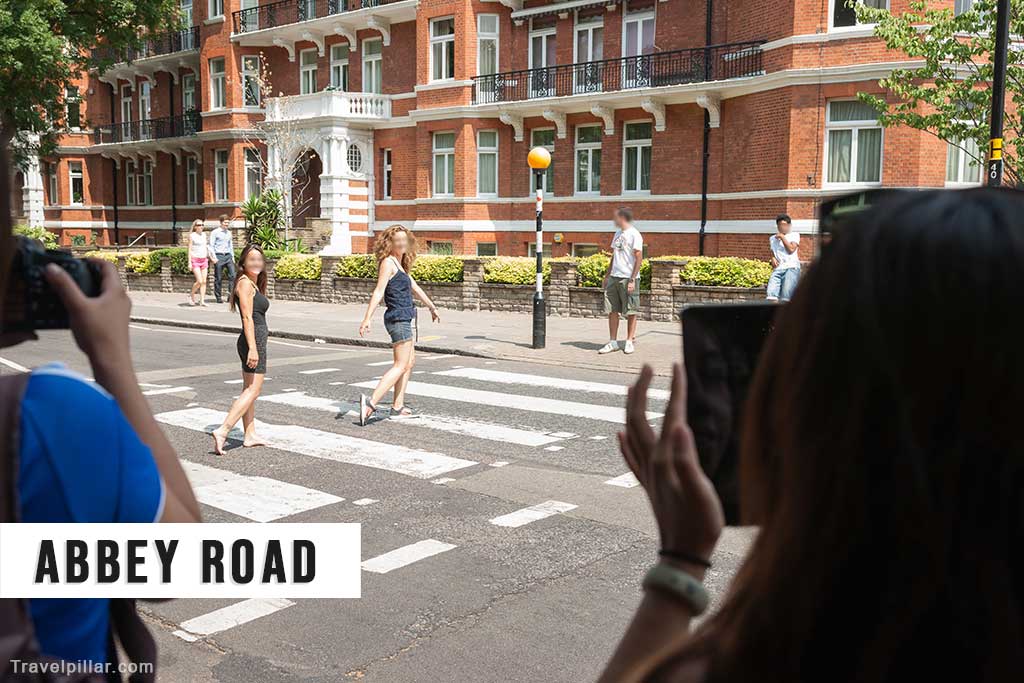
Abbey Road, located in the St John’s Wood area of London, is internationally known for its association with the Beatles. The Abbey Road Studios, still active, were used extensively by the band and other major artists. The zebra crossing outside the studio became iconic after appearing on the Beatles’ 1969 album cover. The site attracts visitors who often recreate the image. The studios are not open to the public, but the exterior is accessible.
Google map 4.6/5 Abbey Road Crossing
Google map 4.6/5 Abbey Road Studios
#68 Leicester Square
Leicester Square is a pedestrianised public space in London’s West End, known for its cinemas, theatres, and entertainment venues. It hosts regular film premieres and is surrounded by restaurants, shops, and attractions such as the TKTS ticket booth and the LEGO Store. The square features a small park with statues of Shakespeare and film figures. It serves as a central location for visitors exploring nearby areas like Covent Garden and Piccadilly Circus.
Google map 4.5/5
#69 The British Library
The British Library, located near St Pancras Station, is the national library of the United Kingdom and one of the largest in the world. Its collection exceeds 170 million items, including books, manuscripts, maps, and sound recordings. Highlights on display include the Magna Carta, Shakespeare’s First Folio, and handwritten Beatles lyrics. The library also hosts exhibitions, events, and reading rooms, serving both academic researchers and the general public. Entry is free.
Official website: https://www.bl.uk
Google map 4.5/5
#70 The River Thames
The River Thames is the longest river entirely in England and flows through central London, playing a key role in the city’s history, transport, and development. It passes major landmarks including the Tower of London, the London Eye, and the Houses of Parliament. The river supports boat services, walking routes, and cycle paths. Its banks are lined with cultural venues, parks, and historic sites, making it a central feature of the city’s landscape.
Google map 4.8/5
#71 The Saatchi Gallery
The Saatchi Gallery, located in Chelsea, focuses on contemporary art, often highlighting emerging and international artists. Founded by Charles Saatchi in 1985, the gallery has played a key role in promoting the Young British Artists movement. It hosts temporary exhibitions featuring a wide range of media, including painting, sculpture, and photography. Admission is free, and the gallery regularly collaborates with cultural institutions and commercial partners to support public engagement with contemporary art.
Official website: https://www.saatchigallery.com
Google map 4.5/5
#72 Wellcome Collection
The Wellcome Collection, located on Euston Road, is a museum and library exploring the intersections of science, medicine, life, and art. Its exhibitions include medical artefacts, contemporary artworks, and historical objects. The venue also features a reading room, café, and free public events. Aimed at adult audiences, the collection presents changing displays that examine health, the human body, and cultural perceptions of medicine. Admission is free, with temporary exhibitions updated regularly.
Official website: https://wellcomecollection.org
Google map 4.5/5
#73 St. James’s Palace
St James’s Palace, located in central London near St James’s Park, is one of the oldest royal residences in the city. Built by Henry VIII in the 1530s, it remains a working palace and the official residence of several members of the royal family. Although not open to the public, it plays a ceremonial role in state occasions. The surrounding area includes Marlborough House and Clarence House, both with royal connections.
Official website: https://www.rct.uk/visit/st-jamess-palace
Google map 4.5/5
#74 The Design Museum
The Design Museum, located in Kensington, is dedicated to contemporary design across multiple disciplines, including product, industrial, graphic, fashion, and architectural design. The museum features a permanent collection, temporary exhibitions, and educational programmes. Housed in a modernist building, it provides insights into the impact of design on everyday life and industry. The institution serves both general visitors and design professionals, offering workshops, talks, and displays that explore innovation and visual culture.
Official website: https://designmuseum.org
Google map 4.4/5
#75 The Bank of England Museum
The Bank of England Museum, located within the Bank’s headquarters on Threadneedle Street, presents the history of the Bank since its foundation in 1694. Exhibits cover topics such as banknotes, gold reserves, financial crises, and the evolution of central banking. The museum includes interactive displays and historical artefacts, including a gold bar visitors can attempt to lift. Admission is free, and the museum offers educational resources for schools and the general public.
Official website: https://www.bankofengland.co.uk/museum
Google map 4.5/5


