

The Rijksmuseum, located in the heart of Amsterdam, is a world-class institution dedicated to showcasing Dutch art and history. Established in 1800 and housed in a stunning neo-Gothic building designed by architect Pierre Cuypers, the museum is home to an extensive collection of over one million objects, with approximately 8,000 items on display at any given time.

Visitors can explore a diverse range of artworks and historical artifacts, from the Middle Ages to the 20th century, encompassing masterpieces by renowned Dutch artists such as Rembrandt, Vermeer, and Frans Hals. The museum’s centerpiece, Rembrandt’s “The Night Watch,” is a must-see for any art enthusiast. In addition to paintings, the Rijksmuseum features a vast array of sculptures, decorative arts, Asian art, and archaeological finds, providing a comprehensive overview of Dutch cultural heritage.
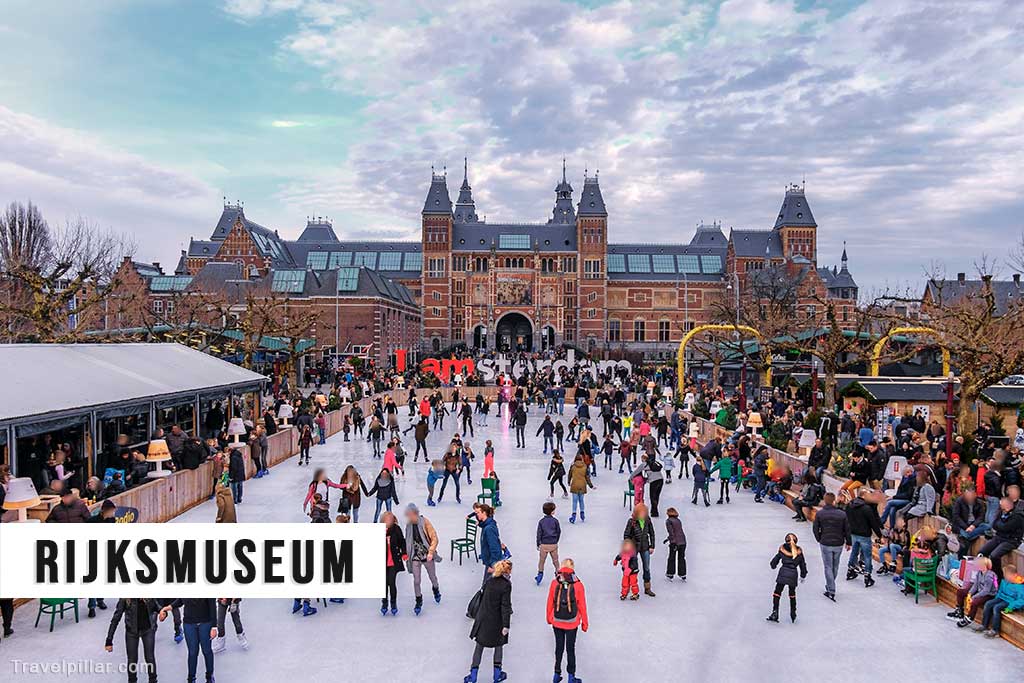
The museum also offers a variety of educational programs, guided tours, and temporary exhibitions, ensuring an engaging and informative experience for visitors of all ages and interests. The Rijksmuseum’s impressive research library, one of the largest art history libraries in the world, is an invaluable resource for scholars and researchers.
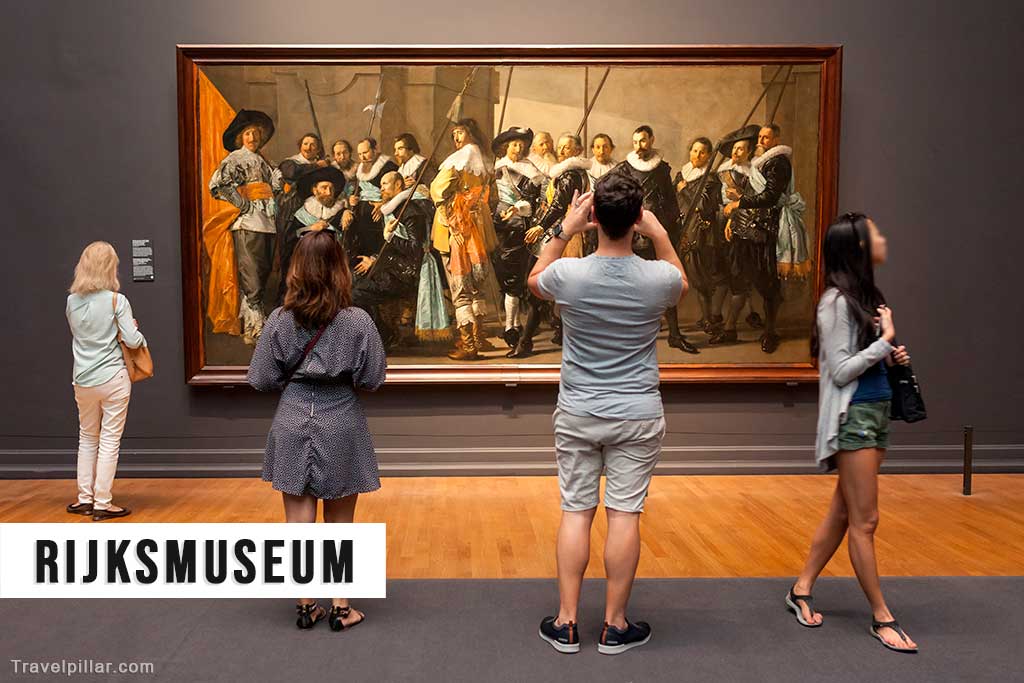
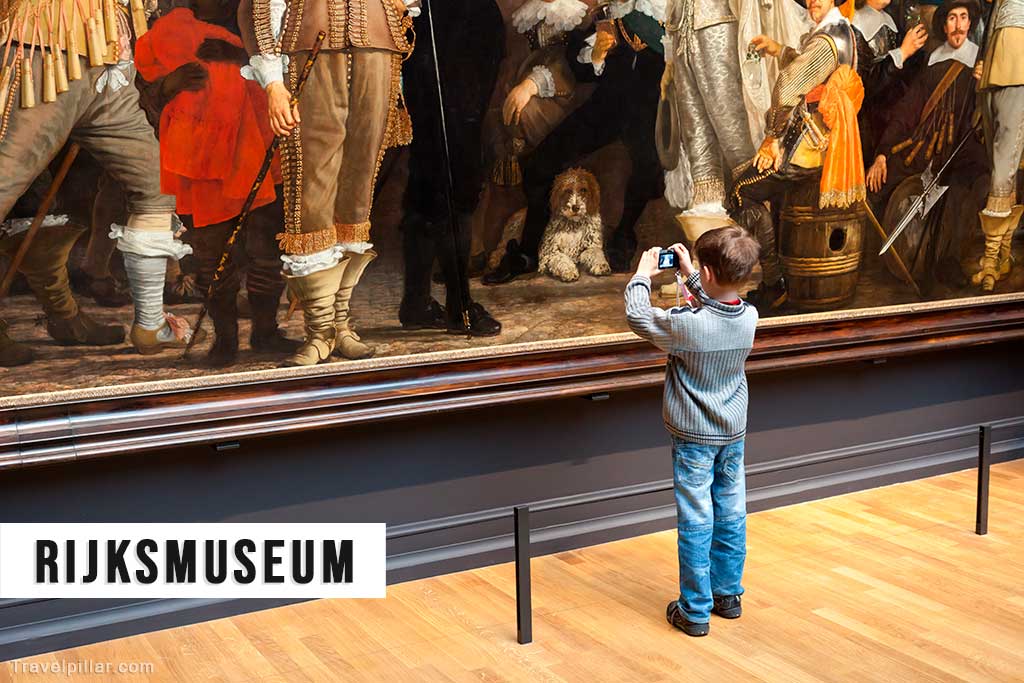
When planning a visit to the Rijksmuseum, allocate ample time to fully appreciate the extensive collection and the grandeur of the building itself. The museum is conveniently located in Amsterdam’s Museumplein, surrounded by other notable cultural institutions, making it an essential stop on any cultural itinerary in the city.
Official website: https://www.rijksmuseum.nl/en
Google map 4.6/5
Rijksmuseum Highlights
Here are some of the art highlights of the Rijksmuseum
“The Night Watch” – Rembrandt van Rijn
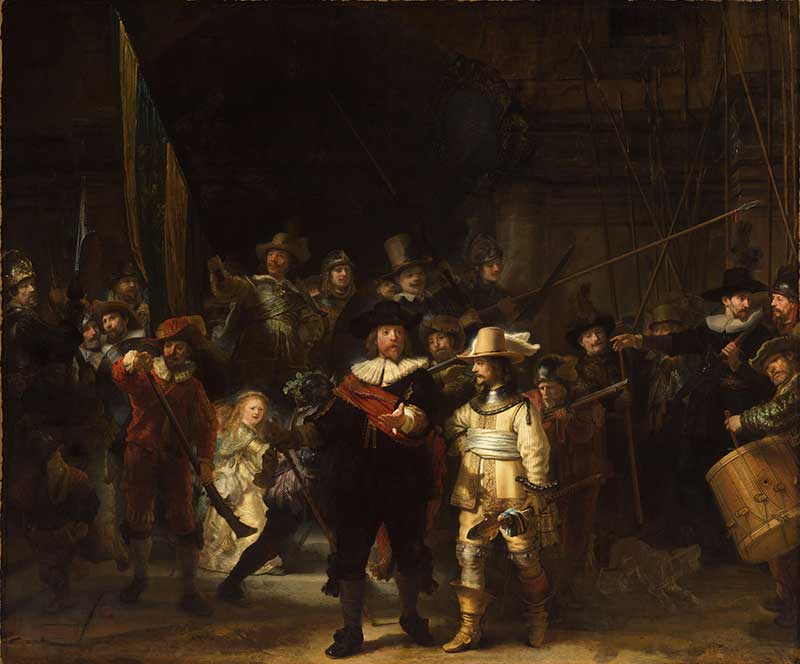
The Night Watch by Rembrandt van Rijn, completed in 1642, is a monumental group portrait of a civic militia company. Officially titled Militia Company of District II under the Command of Captain Frans Banning Cocq, the painting is celebrated for its dynamic composition, dramatic use of light and shadow, and intricate details. Rembrandt’s innovative approach brought life and movement to the traditionally static genre, making it a masterpiece of Dutch Golden Age art.
https://www.rijksmuseum.nl/en/collection/
“The Milkmaid” – Johannes Vermeer
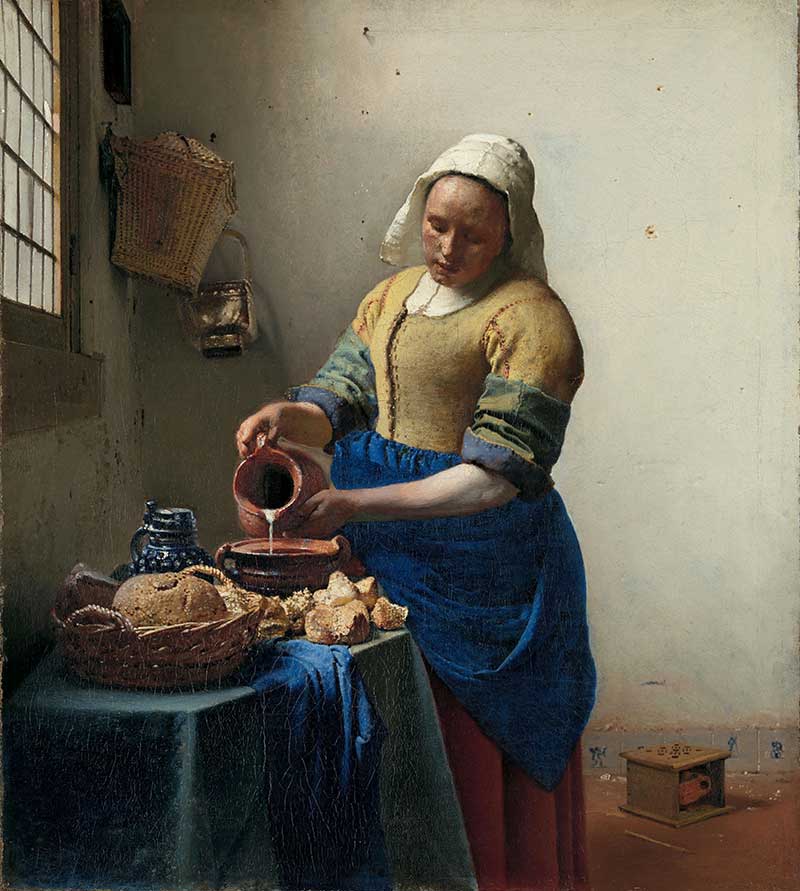
The Milkmaid by Johannes Vermeer, painted around 1657–1658, is a small yet iconic depiction of a domestic scene. It portrays a maidservant pouring milk, surrounded by simple household items. Vermeer’s meticulous attention to detail, mastery of light, and subtle use of color create a tranquil and intimate atmosphere. The work exemplifies Vermeer’s ability to elevate everyday moments, reflecting the Dutch Golden Age’s focus on realism and the beauty of ordinary life.
https://www.rijksmuseum.nl/en/collection/
“The Merry Family” – Jan Steen
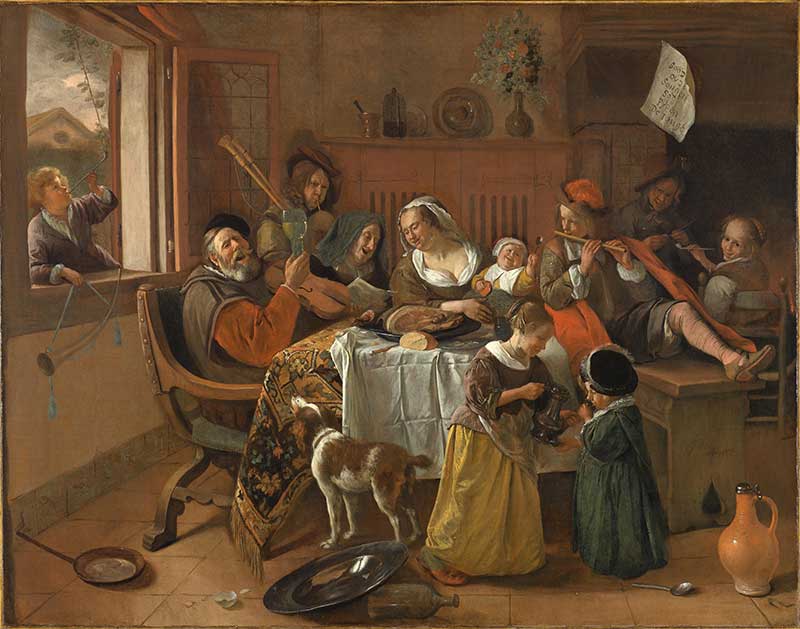
The Merry Family by Jan Steen, painted in 1668, is a lively and detailed depiction of a domestic celebration. It portrays a family gathered around a table, enjoying food, drink, and music, symbolizing harmony and abundance. Steen’s characteristic humor and ability to capture human interaction are evident in the animated expressions and gestures of the figures. The painting reflects Dutch Golden Age themes, balancing moral lessons with an appreciation for life’s pleasures.
https://www.rijksmuseum.nl/en/collection/
“The Feast of Saint Nicholas” – Jan Steen
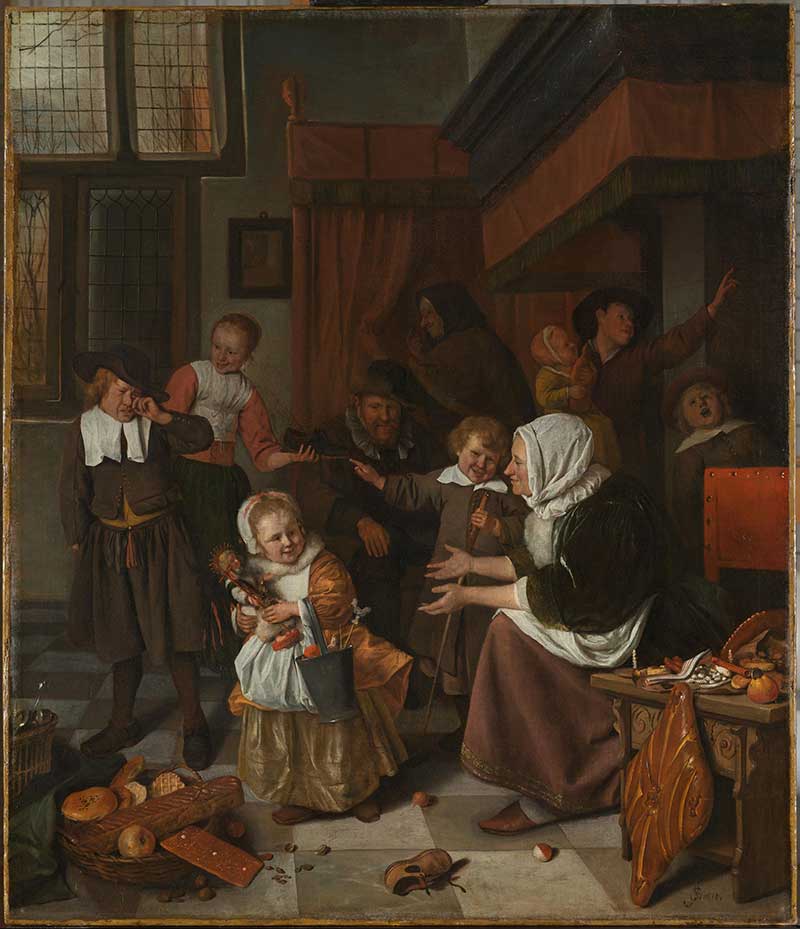
The Feast of Saint Nicholas by Jan Steen, painted in the 1660s, depicts a bustling family celebration of the Dutch Sinterklaas holiday. The scene features children reacting to gifts, from joy to jealousy, capturing a range of emotions. Steen’s detailed composition includes symbolic elements, such as the shoe filled with treats and the crying child, highlighting moral and social themes. This work exemplifies Steen’s ability to combine humor with a poignant reflection on human behavior.
https://www.rijksmuseum.nl/en/collection/
“Self-portrait” – Vincent van Gogh
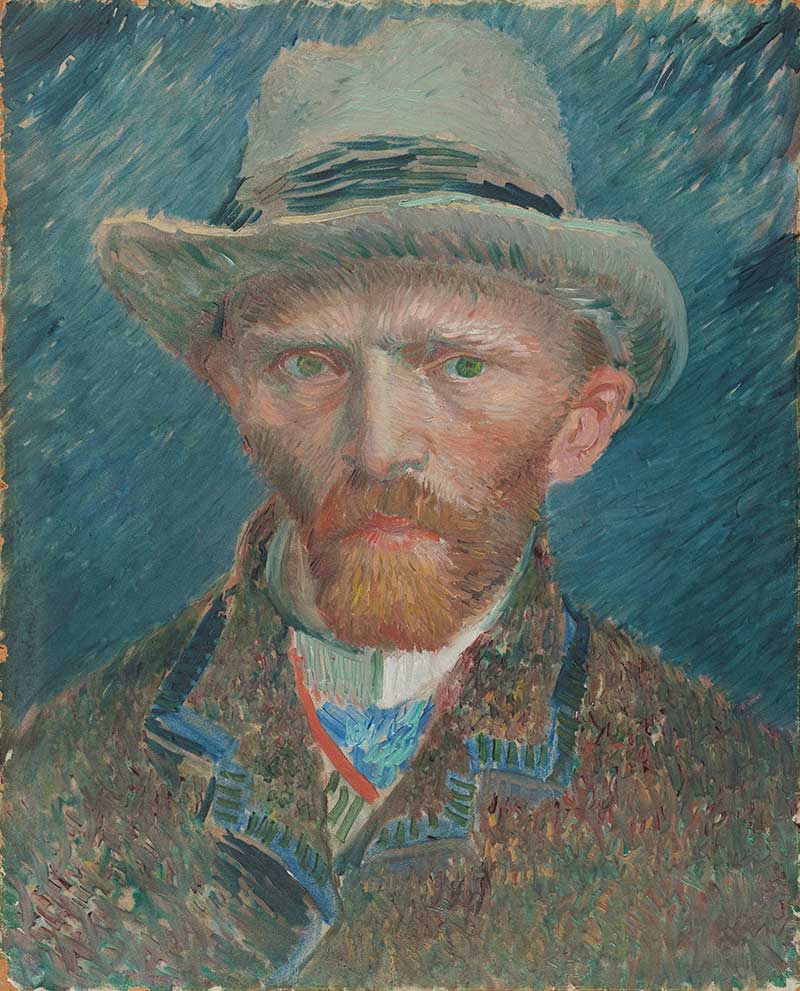
Self-Portrait by Vincent van Gogh, painted in 1887, is an introspective work created during his Paris period. The painting features the artist’s intense gaze, framed by swirling brushstrokes and a vibrant color palette. Van Gogh’s use of bold, dynamic lines and expressive textures reflects his emotional state and evolving Post-Impressionist style. This self-portrait is a study in psychological depth and artistic experimentation, capturing the essence of van Gogh’s individuality and creative vision.
https://www.rijksmuseum.nl/en/collection/
“Still Life with Cheese” – Floris van Dijck
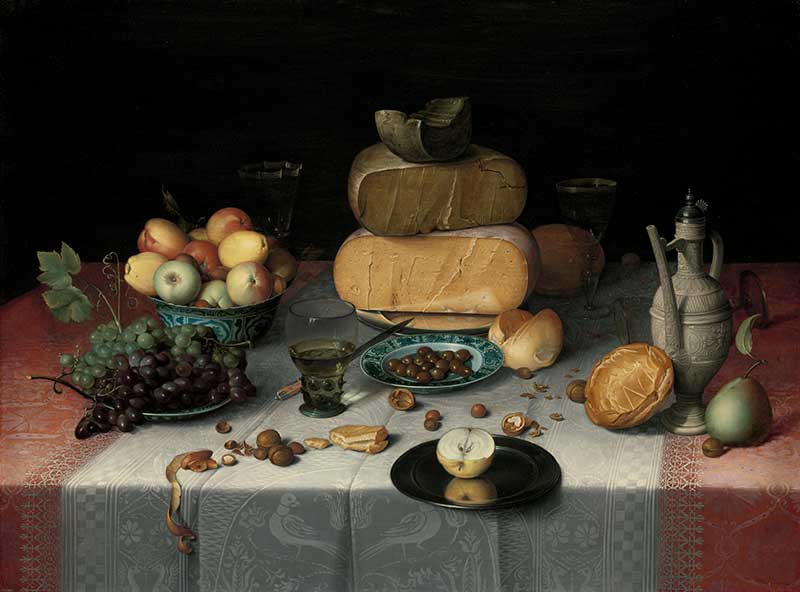
Still Life with Cheese by Floris van Dijck, painted around 1615, is a quintessential example of Dutch still-life painting. The composition features an arrangement of cheeses, bread, fruits, and tableware on a richly adorned tablecloth. Van Dijck’s meticulous attention to detail and texture showcases the opulence of the Dutch Golden Age. The work highlights themes of abundance and domestic prosperity, emphasizing the artist’s technical skill and the cultural significance of still-life art in 17th-century Holland.
https://www.rijksmuseum.nl/en/collection/
“Self-Portrait” – Rembrandt van Rijn
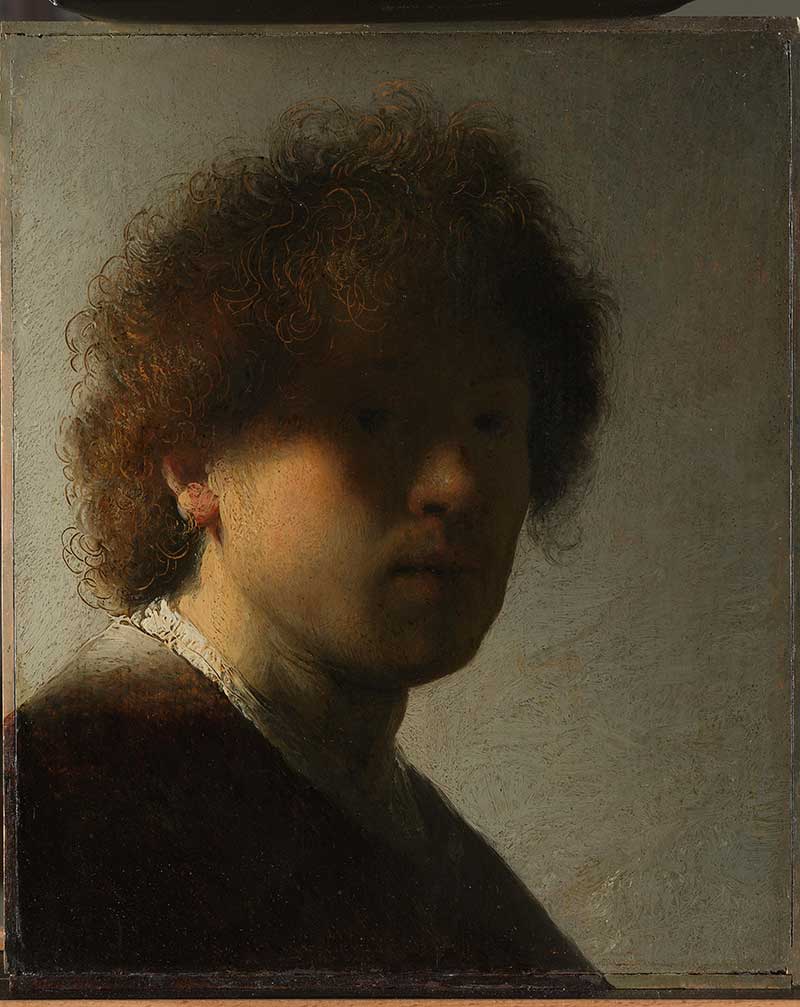
Self-Portrait by Rembrandt van Rijn (c. 1628) is one of the artist’s earliest known self-depictions. Painted when he was in his early twenties, it shows Rembrandt experimenting with light, shadow, and facial expression. The work is notable for its chiaroscuro technique and informal pose, reflecting an early interest in capturing human emotion. It provides insight into Rembrandt’s developing style and his enduring engagement with self-portraiture throughout his career.
https://www.rijksmuseum.nl/en/collection/
“Winter Landscape with Ice Skaters” – Hendrick Avercamp
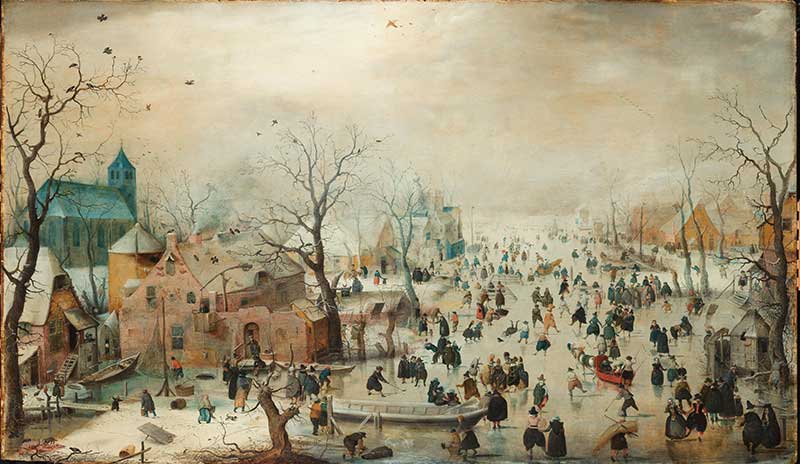
Winter Landscape with Ice Skaters by Hendrick Avercamp (c. 1608) depicts a frozen river scene populated with figures engaging in winter activities. The composition includes skaters, sleds, and village buildings, combining everyday life with detailed observation. Painted from an elevated viewpoint, it captures the social and environmental aspects of winter in the Dutch Republic. The work reflects early 17th-century interest in landscape painting and seasonal themes in Dutch art.
https://www.rijksmuseum.nl/en/collection/
“Woman Reading a Letter” – Johannes Vermeer
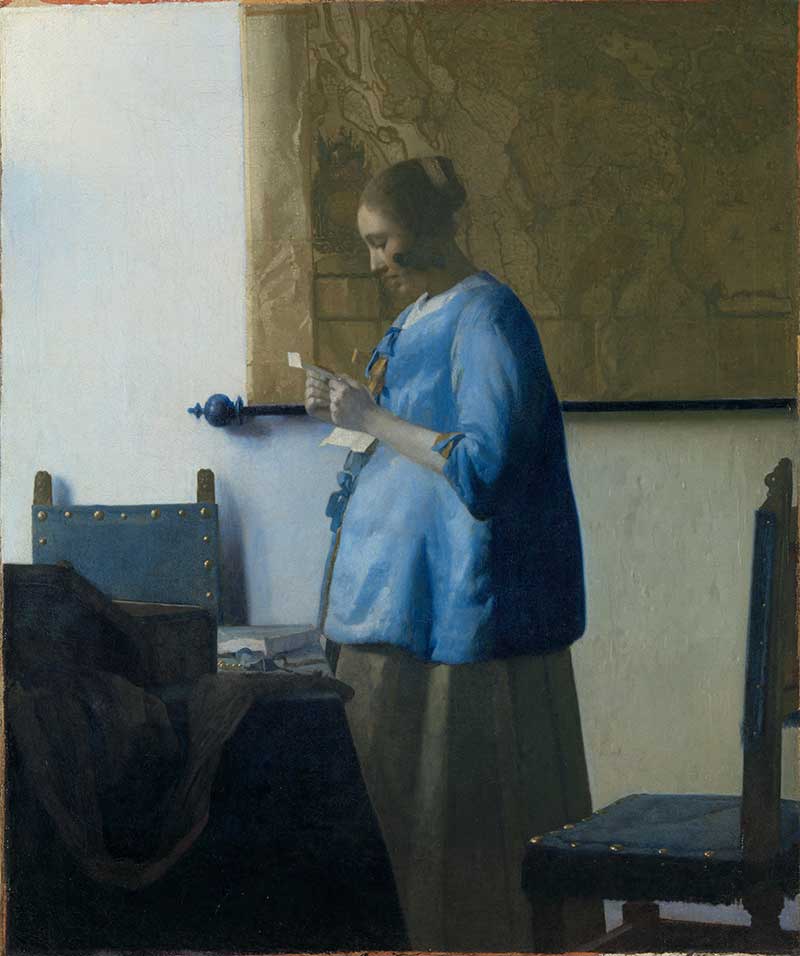
Woman Reading a Letter by Johannes Vermeer turns a quiet domestic moment into something more intriguing. The woman’s expression is restrained, so the letter’s contents remain unknown: it may concern love, absence or family news. Vermeer’s real subject is often silence itself, and here the stillness of the room becomes part of the meaning. The painting suggests how private thoughts and emotions can fill an ordinary interior with tension and significance.
https://www.rijksmuseum.nl/en/collection/
“Jewish Bride” – Rembrandt van Rijn
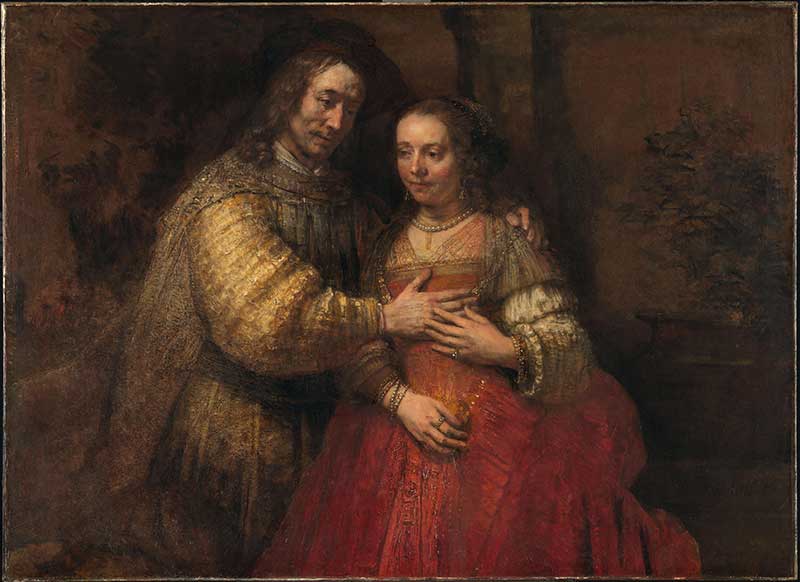
The Jewish Bride by Rembrandt van Rijn, painted around 1665-1669, is a poignant portrayal of a couple, often interpreted as Isaac and Rebecca from the Bible or a wedding portrait. The painting is renowned for its rich textures, warm color palette, and emotional intimacy. Rembrandt’s use of light highlights the tender gestures between the figures, conveying love and connection. This work exemplifies Rembrandt’s ability to infuse portraiture with profound human emotion.
https://www.rijksmuseum.nl/en/collection/
“The Merry Drinker” – Frans Hals
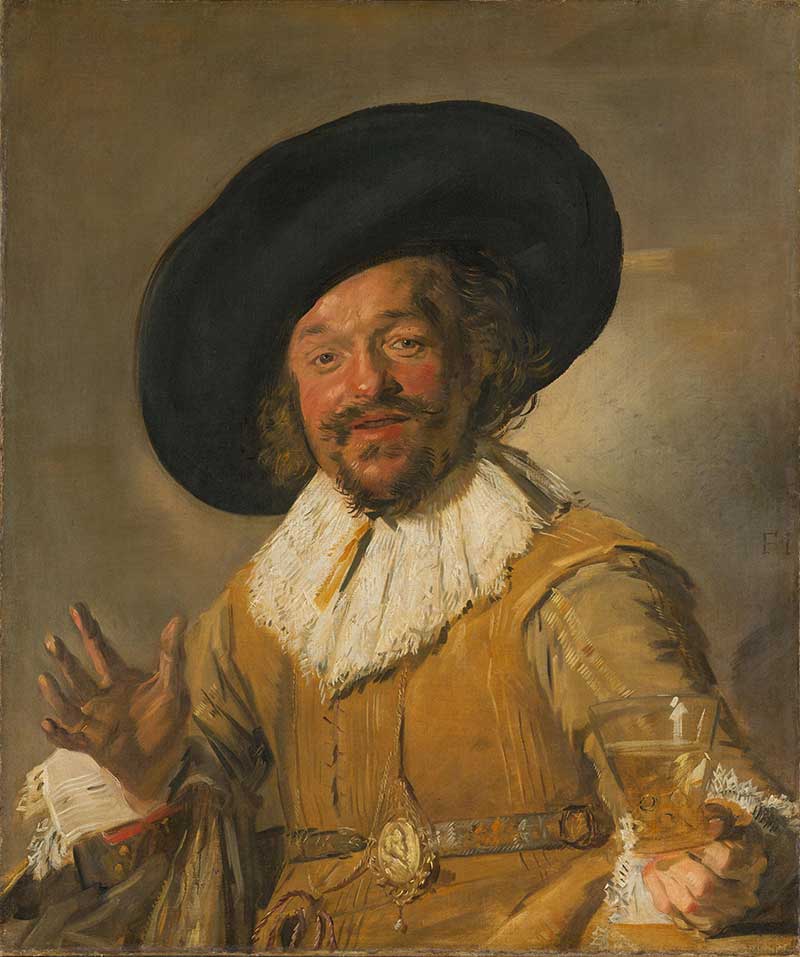
The Merry Drinker by Frans Hals, painted around 1628-1630, is a vibrant portrayal of a cheerful man raising a glass. The subject’s animated expression and dynamic pose exemplify Hals’s masterful use of loose, energetic brushwork to convey movement and vitality. This work captures the informal and spontaneous nature of Dutch genre painting, reflecting the celebratory spirit of the Dutch Golden Age while showcasing Hals’s skill in creating lifelike and engaging portraits.
https://www.rijksmuseum.nl/en/collection/
“The Windmill at Wijk bij Duurstede” – Jacob van Ruisdael
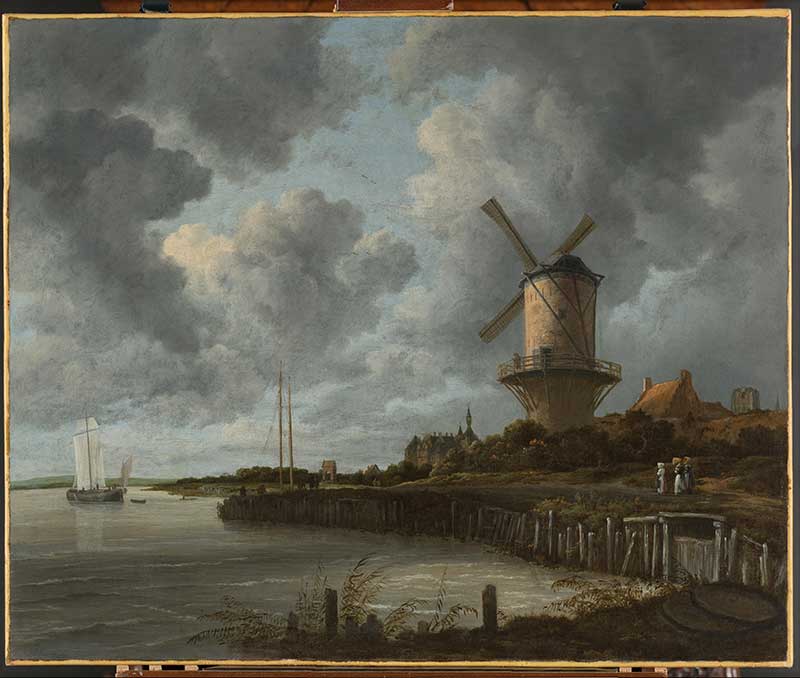
The Windmill at Wijk bij Duurstede by Jacob van Ruisdael, painted around 1670, is a quintessential example of Dutch landscape painting. It depicts a towering windmill beside a river under a dramatic sky, emphasizing the interplay between nature and human ingenuity. Ruisdael’s meticulous detail, masterful use of light, and atmospheric perspective capture the vastness and serenity of the Dutch countryside. The painting symbolizes national pride and the harmonious relationship between people and their environment.
https://www.rijksmuseum.nl/en/collection/
“Banquet at the Crossbowmen’s Guild in Celebration of the Treaty of Münster” – Bartholomeus van der Helst
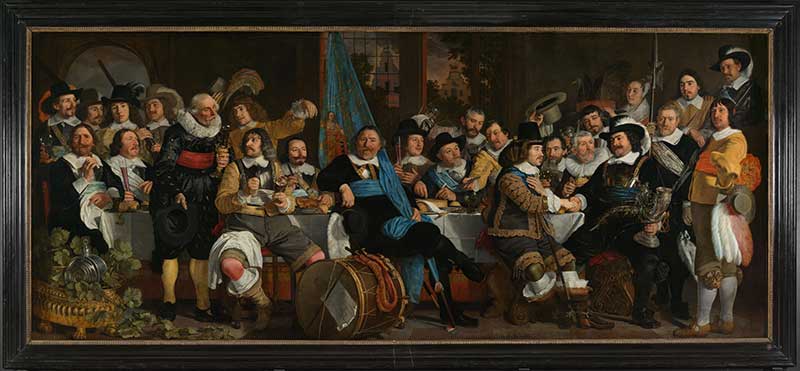
Banquet at the Crossbowmen’s Guild in Celebration of the Treaty of Münster by Bartholomeus van der Helst, painted in 1648, commemorates the signing of the treaty that ended the Eighty Years’ War. This grand group portrait depicts members of Amsterdam’s civic militia celebrating the peace. Van der Helst’s attention to detail, lifelike rendering of individual figures, and vibrant colors emphasize the wealth and pride of the Dutch Golden Age, reflecting the optimism of the era.
https://www.rijksmuseum.nl/en/collection/
“The Threatened Swan” – Jan Asselijn
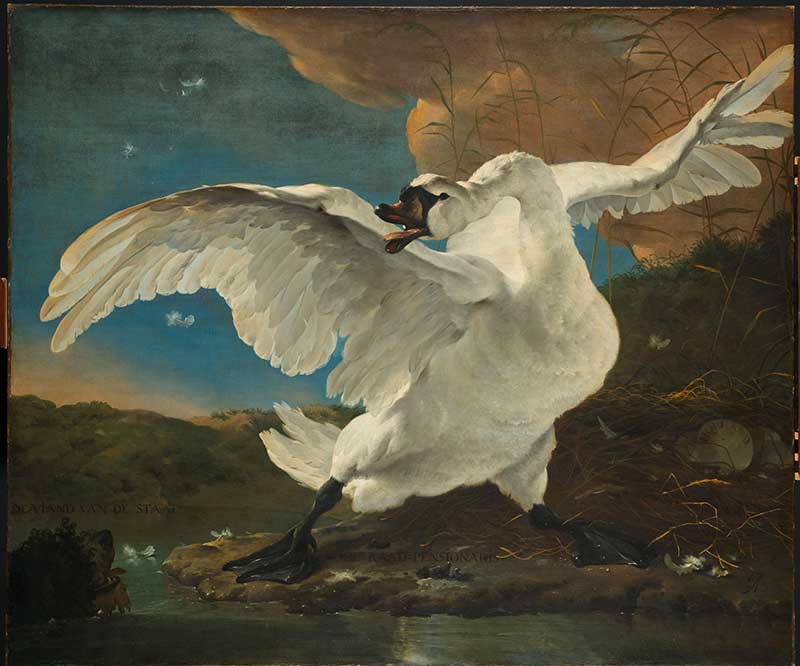
The Threatened Swan by Jan Asselijn, painted around 1650, is a dramatic allegorical work featuring a swan defending its nest from an approaching dog. The powerful depiction of the swan, with its outstretched wings and defiant posture, symbolizes resistance and vigilance. Interpreted as a political allegory, it was later associated with Dutch statesman Johan de Witt. Asselijn’s dynamic composition and skillful use of light and texture make it a prominent piece of Dutch Golden Age art.
https://www.rijksmuseum.nl/en/collection/
Flowers in a Glass Vase – Jan Davidsz de Heem
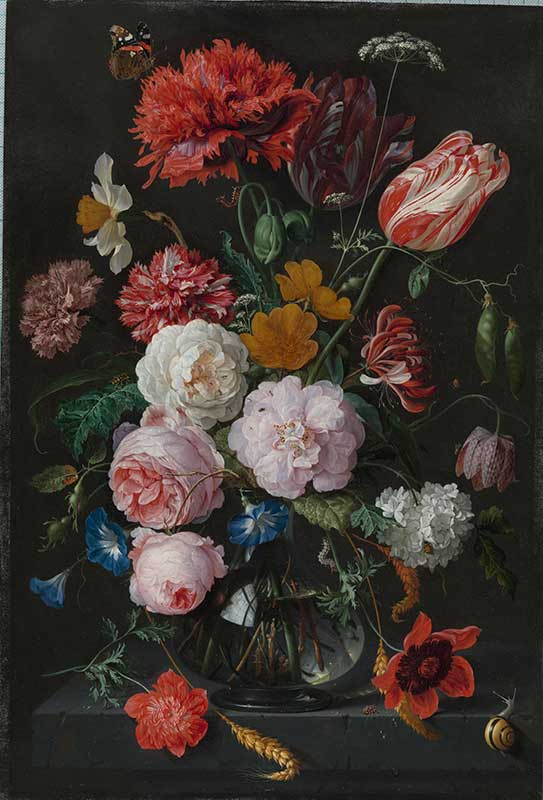
Flowers in a Glass Vase by Jan Davidsz de Heem, painted around 1650, is a masterful still life that exemplifies the Dutch Golden Age’s attention to detail and symbolism. The painting depicts a meticulously arranged bouquet of flowers, including roses, tulips, and carnations, rendered with exquisite precision. The glass vase reflects light, while subtle imperfections, such as wilting petals, symbolize the transience of life. This work showcases de Heem’s technical skill and allegorical depth.
https://www.rijksmuseum.nl/en/collection/
Related Post:
Best Museums in the World

Museums preserve the artistic, scientific and cultural achievements of civilisation. The institutions listed below contain some of the world’s most important collections, ranging from ancient archaeology and Renaissance painting to modern art, natural history and science.
This ranking is inevitably subjective, but the museums below stand out for the scale of their collections, the quality of their exhibitions, their historical importance and the overall visitor experience. Click on the museum name or image to explore each museum in more detail.