
George Washington
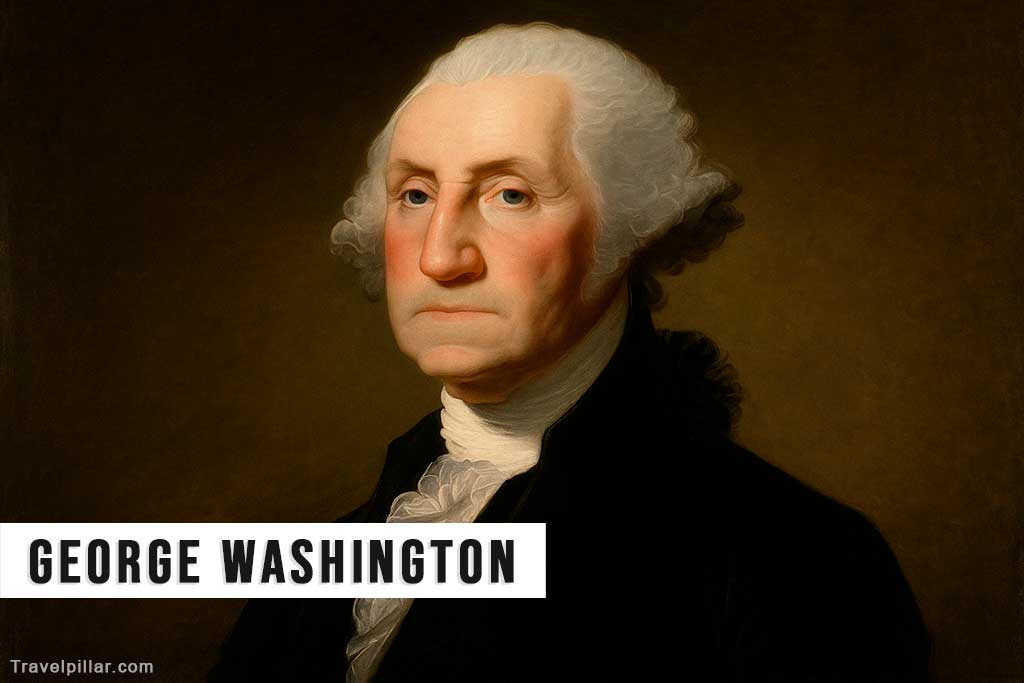
George Washington (1732-1799) was the first President of the United States (1789-1797) and a key figure in the establishment of the nation. Prior to his presidency, he led the Continental Army to victory in the American Revolutionary War. His leadership, character, and promotion of republicanism set important precedents for future presidents. Posthumously, he is often referred to as the “Father of His Country”.
Thomas Jefferson

Thomas Jefferson, born in 1743, was the third President of the United States, serving from 1801 to 1809. He is notable for drafting the Declaration of Independence in 1776. Jefferson was also responsible for the Louisiana Purchase in 1803, which significantly expanded U.S. territory. A polymath, he was involved in numerous disciplines including horticulture, architecture, archaeology, and linguistics. Jefferson passed away on July 4, 1826, coincidentally on the 50th anniversary of the Declaration of Independence.
Abraham Lincoln
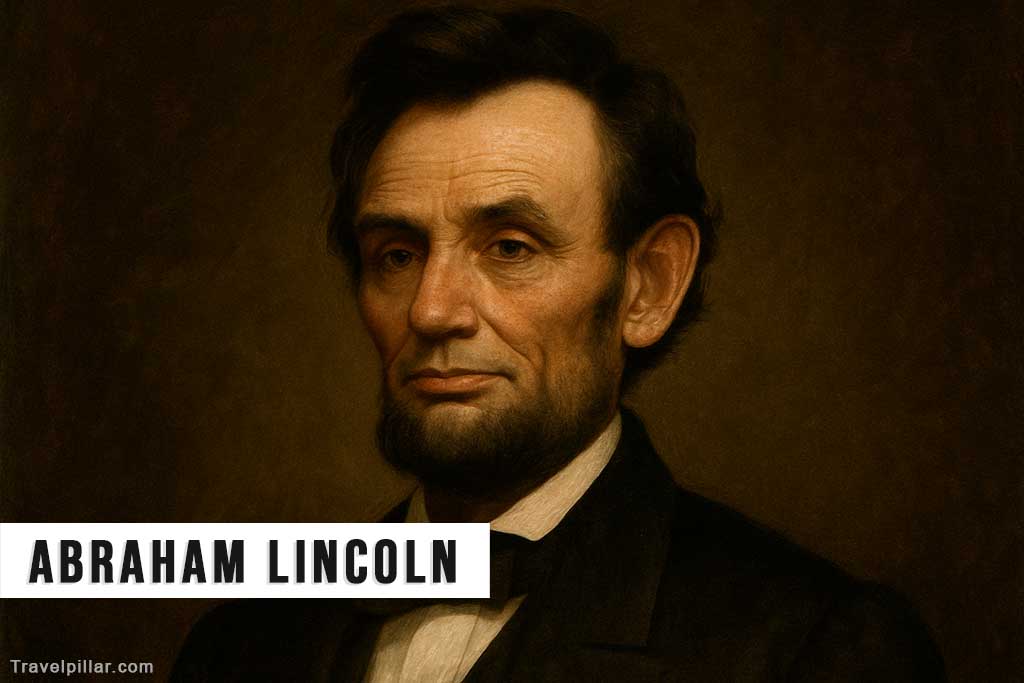
Abraham Lincoln, the 16th President of the United States, served from 1861 until his assassination in 1865. Born in Kentucky in 1809, he is revered for leading the country during the American Civil War, abolishing slavery through the Emancipation Proclamation, and strengthening the federal government. His Gettysburg Address remains one of the most famous speeches in American history. Lincoln was tragically assassinated by John Wilkes Booth in April 1865.
Franklin D. Roosevelt

Franklin D. Roosevelt (1882-1945), the 32nd U.S. President, led the nation during the Great Depression and World War II. His innovative New Deal programs revitalized the economy and expanded the role of the federal government. Elected to four terms, his leadership reshaped American politics. Roosevelt, afflicted with polio, was the first U.S. president with a significant physical disability. His death in 1945 marked the end of an unprecedented era of presidential leadership.
Martin Luther King Jr.

Martin Luther King Jr. (1929-1968) was a pivotal figure in the American civil rights movement. A Baptist minister and advocate of nonviolent protest, King organized several major campaigns, including the Montgomery bus boycott and the March on Washington, where he delivered his iconic “I Have a Dream” speech. King’s efforts culminated in the passage of the Civil Rights Act of 1964 and the Voting Rights Act of 1965. Assassinated in 1968, King’s legacy endures.
John F. Kennedy

John F. Kennedy (1917-1963) was the 35th president of the United States, serving from 1961 until his assassination in 1963. He led the country during critical events such as the Cuban Missile Crisis, and proposed key legislation including the Civil Rights Act. Known for his charisma and eloquence, Kennedy left a significant legacy despite his short presidency. His death remains a subject of fascination and controversy, adding to his enduring presence in American culture and history.
Benjamin Franklin
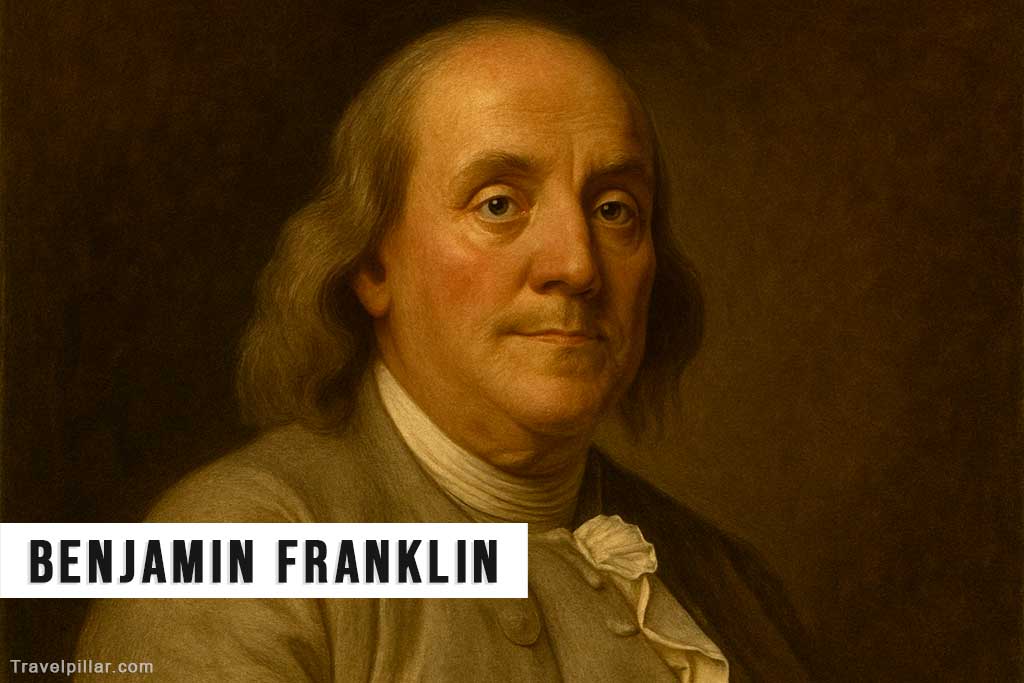
Benjamin Franklin, born in Boston on January 17, 1706, was a polymath renowned for his contributions as a scientist, inventor, statesman, printer, and philosopher. His experiments with electricity, including the famed kite experiment, greatly expanded understanding in the field. As a statesman, he played pivotal roles in the American Revolution and the drafting of the U.S. Constitution. Franklin’s insights, inventions, and political acumen significantly influenced the shape of early American society.
Thomas Edison
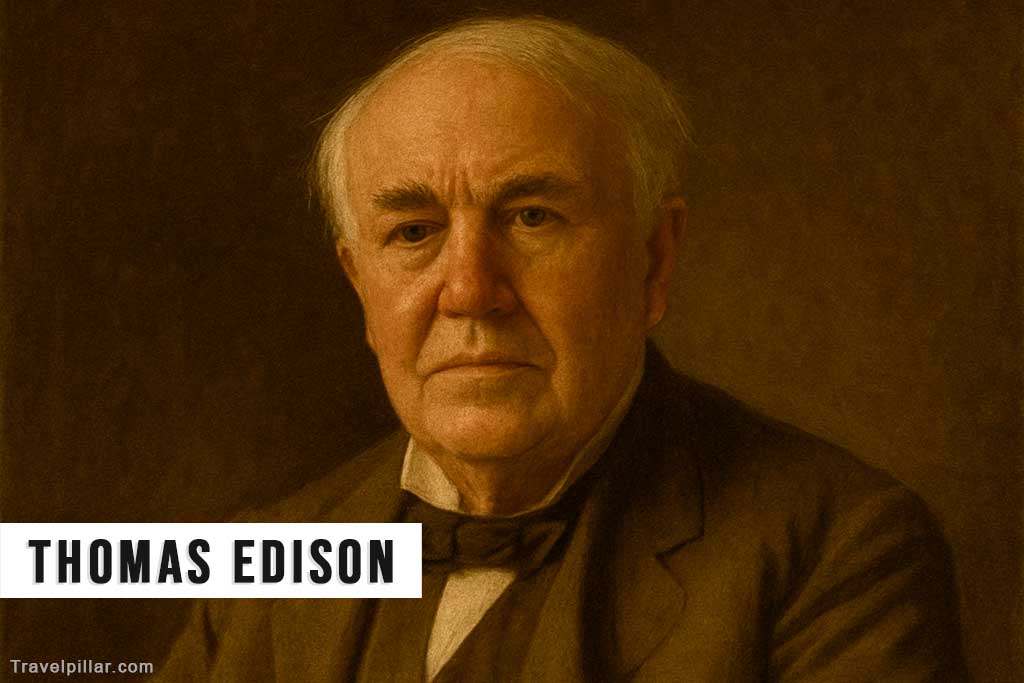
Thomas Alva Edison, born in 1847, was an American inventor and businessman renowned for developing many devices that greatly influenced life worldwide, such as the practical electric light bulb and the phonograph. A prolific inventor, Edison held 1,093 US patents in his name. His inventions contributed to mass communication and entertainment, making him a prominent figure in the second industrial revolution. Edison’s influence extends into the modern era, shaping today’s industries and technologies.
Alexander Hamilton

Alexander Hamilton (1755-1804) was one of the founding fathers of the United States, a prominent statesman, and the first Secretary of the Treasury. Born in Nevis, Hamilton played a pivotal role in drafting the U.S. Constitution and establishing the nation’s financial system. He founded the Federalist Party, the United States Coast Guard, and The New York Post newspaper. His life and political philosophy have been popularized in recent years by the Broadway musical, “Hamilton.”
Theodore Roosevelt
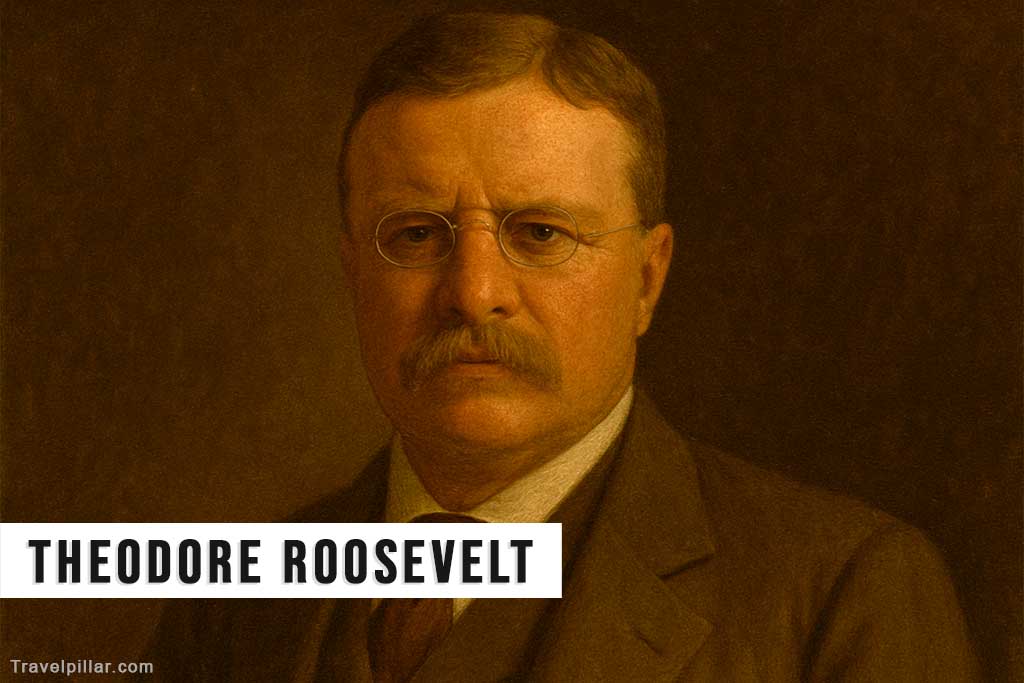
Theodore Roosevelt (1858-1919) was the 26th President of the United States, serving from 1901 to 1909. An avid conservationist, he established the United States Forest Service and created numerous national parks. His progressive policies, collectively known as the Square Deal, sought to protect workers and consumers. Roosevelt also played a critical role in the construction of the Panama Canal, demonstrating his commitment to expanding American influence on a global scale.
Rosa Parks
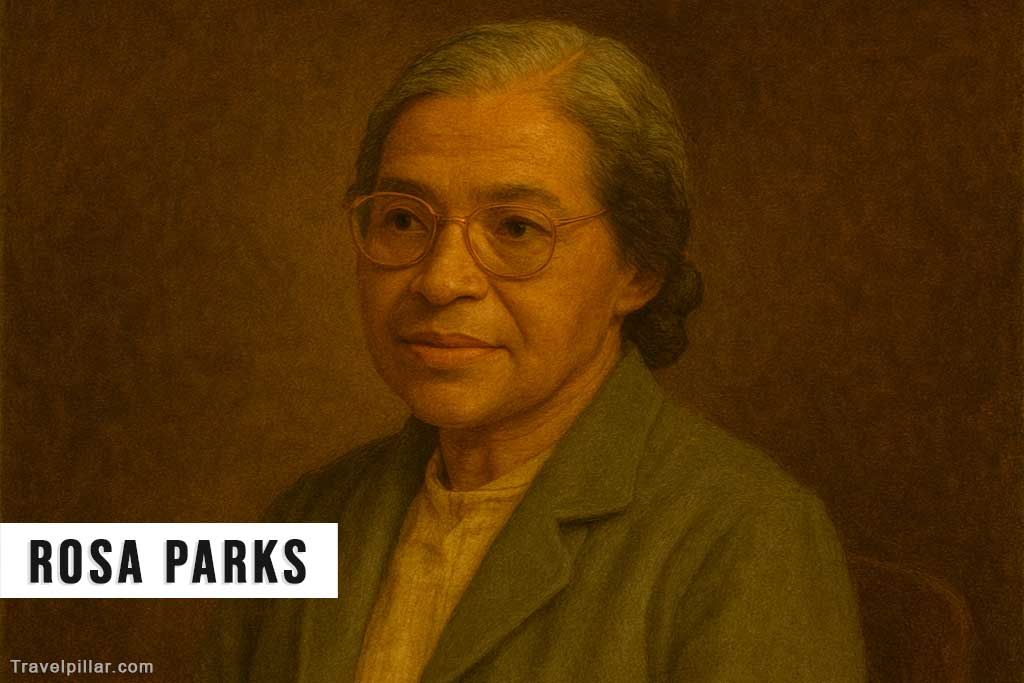
Rosa Parks (1913-2005) was a pivotal figure in the American civil rights movement. Born in Tuskegee, Alabama, Parks is best known for refusing to give up her bus seat to a white passenger in Montgomery, Alabama, on December 1, 1955, defying the era’s racial segregation laws. Her act of civil disobedience sparked the Montgomery Bus Boycott, leading to a Supreme Court ruling against bus segregation and cementing her status as “the mother of the civil rights movement.”
Harriet Tubman
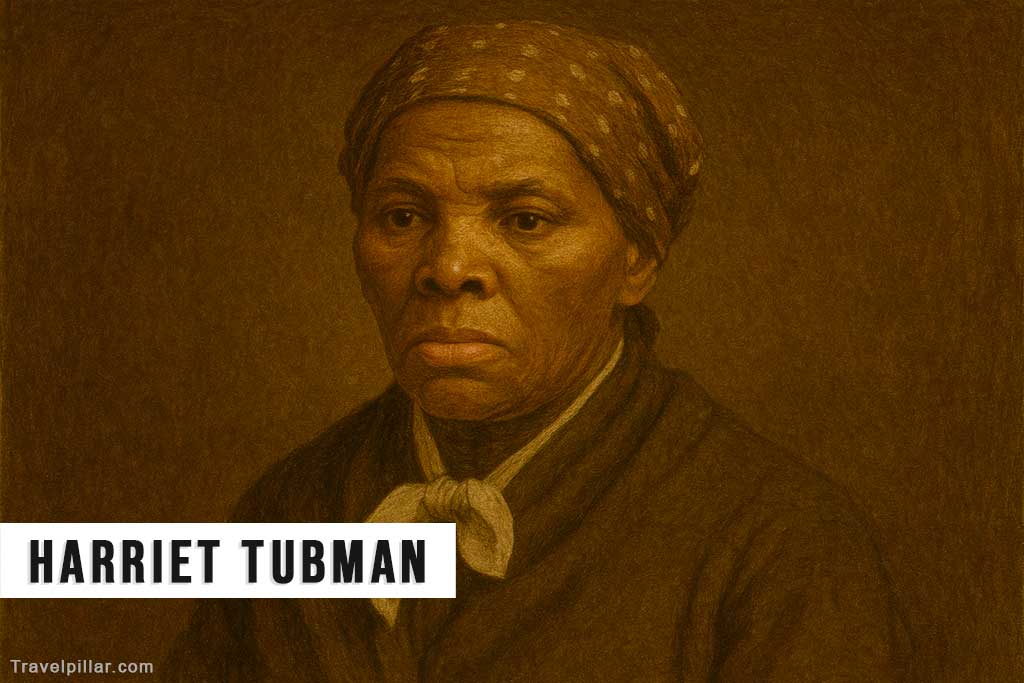
Harriet Tubman (1822–1913) was a renowned abolitionist and humanitarian who dedicated her life to the fight against slavery in the United States. Born into slavery in Maryland, Tubman escaped to freedom in 1849. Over the next decade, she conducted around 13 missions to rescue approximately 70 enslaved people using the network of antislavery activists and safe houses known as the Underground Railroad. During the Civil War, Tubman also served as a scout and spy for the Union Army.
Susan B. Anthony
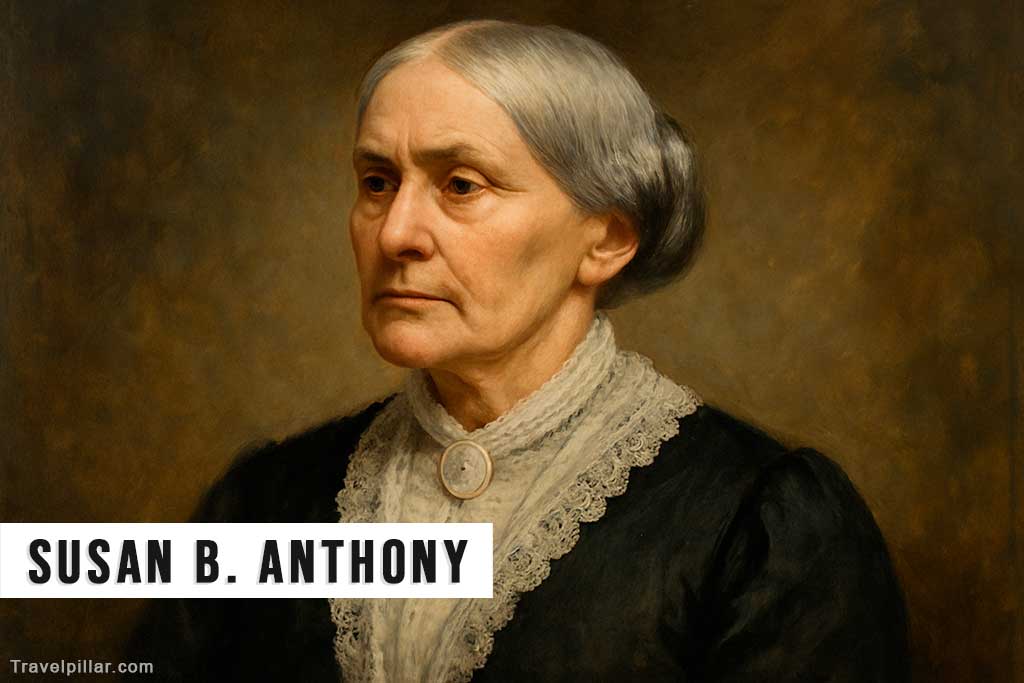
Susan B. Anthony (1820–1906) was a central figure in the 19th-century women’s rights movement in the United States. A staunch abolitionist and suffragist, Anthony co-founded the American Equal Rights Association and National Woman Suffrage Association. Arrested for voting in 1872, her trial garnered national attention, boosting the suffrage movement. Anthony’s tireless efforts laid the groundwork for the 19th Amendment, granting women the right to vote, colloquially known as the Susan B. Anthony Amendment.
Frederick Douglass
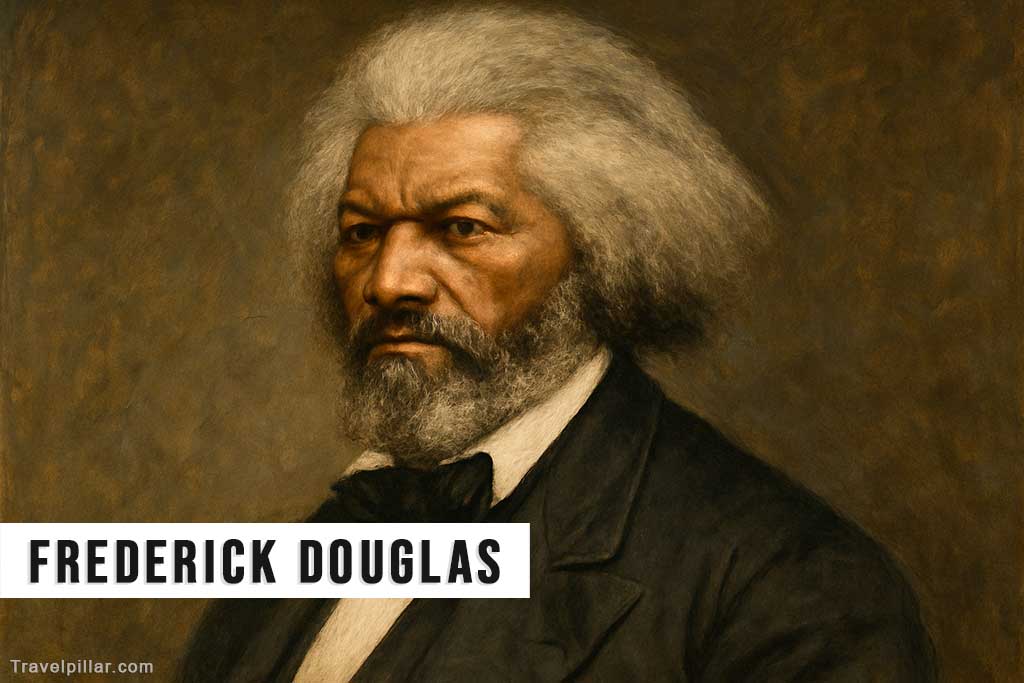
Frederick Douglass (1818-1895) was a renowned American social reformer, abolitionist, orator, and writer. Born into slavery in Maryland, Douglass escaped to the North at age 20. His powerful speeches and narratives, including the influential autobiography “Narrative of the Life of Frederick Douglass, an American Slave” (1845), shed light on the atrocities of slavery and made him a leading figure in the abolitionist movement. He also advocated for women’s rights, notably supporting the women’s suffrage movement.
Dwight D. Eisenhower

Dwight D. Eisenhower (1890-1969) was the 34th President of the United States, serving two terms from 1953 to 1961. Prior to his presidency, he had a distinguished military career, notably as Supreme Commander of the Allied Forces in Europe during World War II. His presidency was marked by the commencement of the Interstate Highway System and his doctrine of containing Soviet expansion during the Cold War.
Helen Keller

Helen Keller (1880-1968) was an American author, political activist, and lecturer, renowned as the first deaf-blind person to earn a Bachelor of Arts degree. Stricken by illness in infancy, she was left unable to see or hear. With the assistance of her teacher, Anne Sullivan, Keller learned to communicate, eventually achieving significant accomplishments in her lifetime, including advocating for the rights of people with disabilities and women’s suffrage. Her autobiography, “The Story of My Life,” remains influential.
Neil Armstrong

Neil Armstrong (1930-2012) was an American astronaut who made history as the first person to walk on the moon during the Apollo 11 mission in 1969. Before his time with NASA, he was an accomplished test pilot and naval aviator. His famous quote, “That’s one small step for [a] man, one giant leap for mankind,” encapsulates the global significance of the lunar landing, marking a monumental achievement in space exploration.