

Here is a short list of famous French historical figures:
Charlemagne
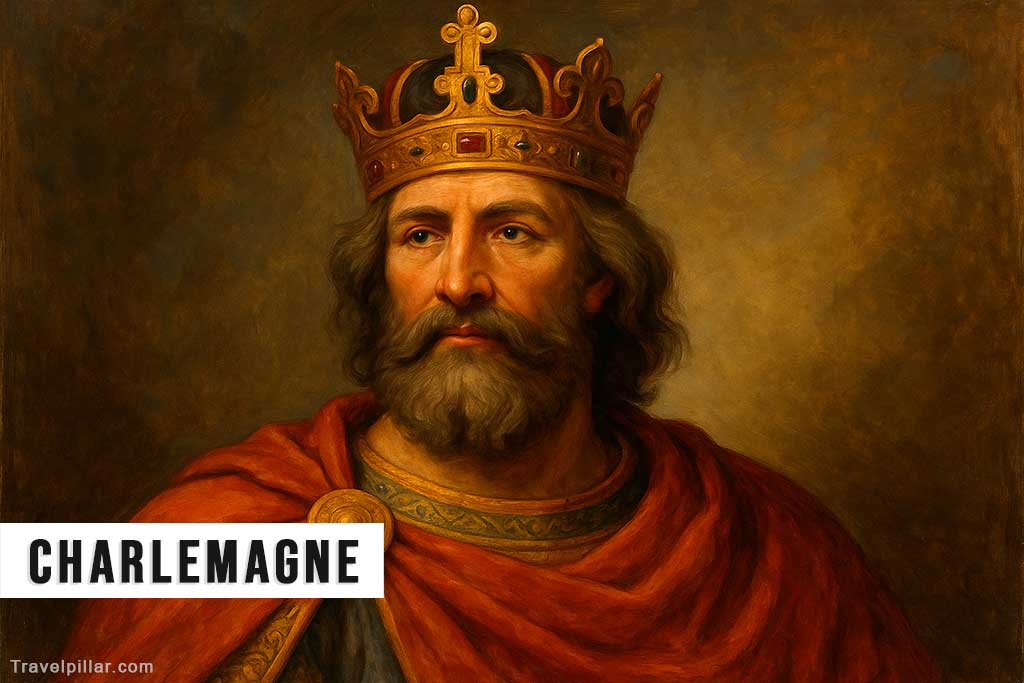
Charlemagne (742-814), also known as Charles the Great, was King of the Franks and Lombards and later crowned Emperor by Pope Leo III in 800 AD. Known for uniting much of Europe during the Early Middle Ages, his reign marked the Carolingian Renaissance, a period of cultural and intellectual revival. His vast empire laid the groundwork for modern France and Germany, securing his place as a significant figure in Western history.
Joan of Arc
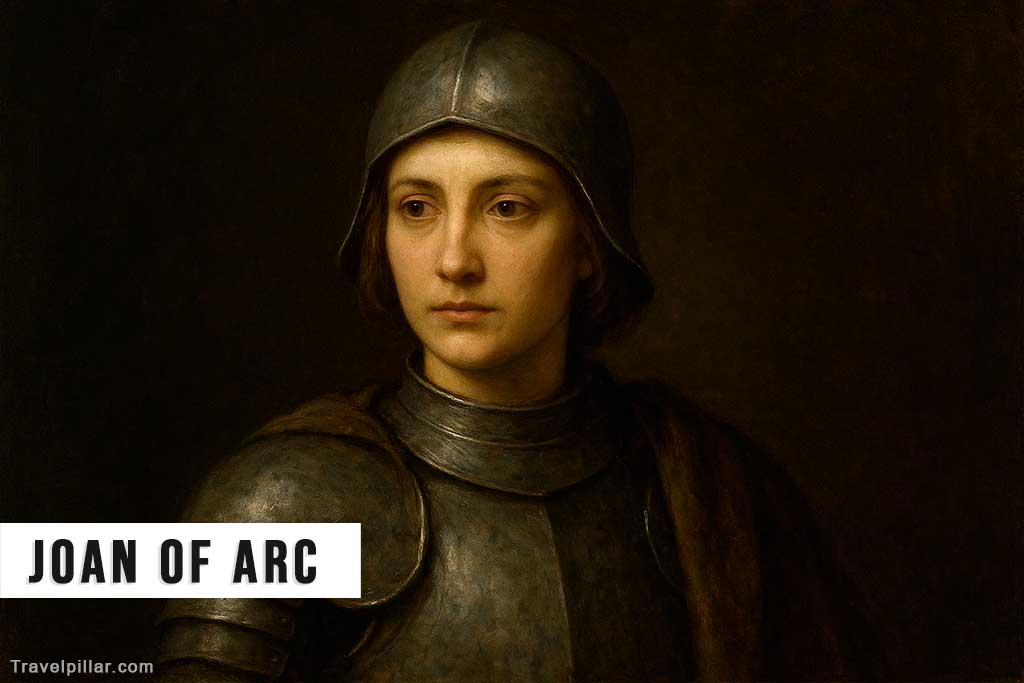
Joan of Arc, born around 1412, was a French heroine celebrated for her role in the Hundred Years’ War. A peasant girl claiming divine guidance, she led the French army to several important victories during the war, which paved the way for the coronation of Charles VII. Captured by the English in 1430, she was tried for heresy and executed in 1431. Canonized as a Roman Catholic saint in 1920, Joan’s legacy continues to inspire globally.
Louis XIV
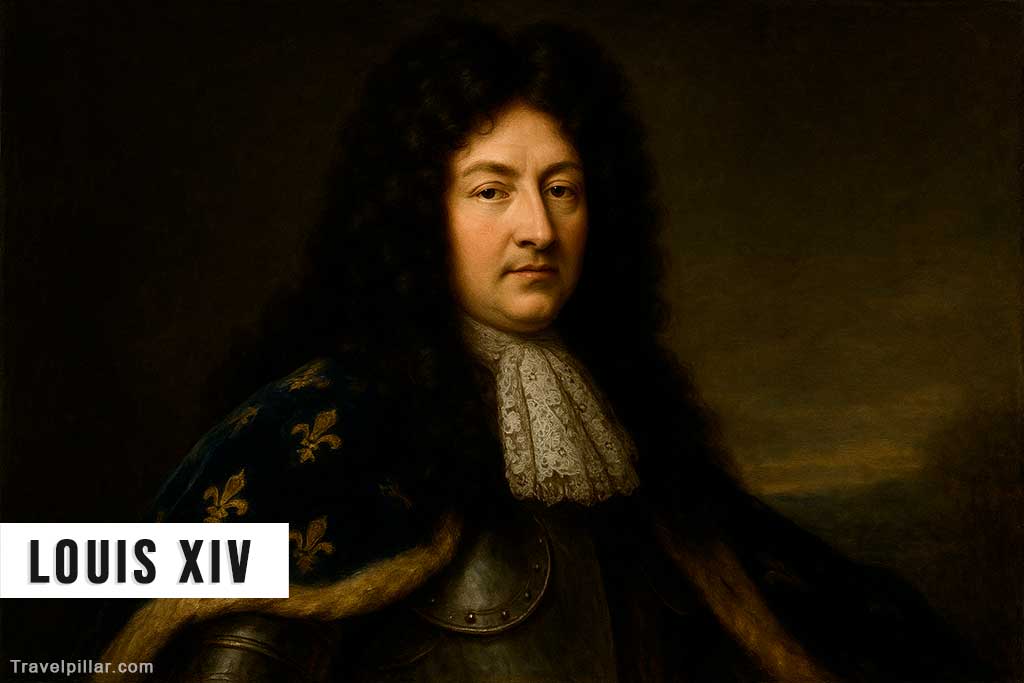
Louis XIV, born in 1638, was the King of France for a record 72 years. His reign, known as the age of “Le Roi Soleil” or the Sun King, saw France become the leading European power. He centralised authority, leaving a legacy of absolute monarchy. He died in 1715, a symbol of royal opulence.
Napoleon Bonaparte

Napoleon Bonaparte, born in 1769, was a French military and political leader who rose to prominence during the French Revolution. As First Consul and later Emperor, he instituted reforms and expanded his empire across Europe. His dramatic fall came in 1815 at the Battle of Waterloo. He died in 1821, a figure of enduring historical significance.
Voltaire

Voltaire, born in 1694, was a French Enlightenment writer, historian, and philosopher. Known for his wit, Voltaire championed freedom of speech and religion. His prolific works, including “Candide,” influenced social activism and literary traditions. He died in 1778, his ideas shaping the Age of Enlightenment.
René Descartes

René Descartes, born in 1596, was a French philosopher, mathematician, and scientist. Dubbed the father of modern Western philosophy, his “Cogito, ergo sum” (I think, therefore I am) represents a cornerstone of Western philosophical thought. He contributed significantly to mathematics with the Cartesian coordinate system. He died in 1650, his influence pervasive in the sciences and humanities.
Marie Curie
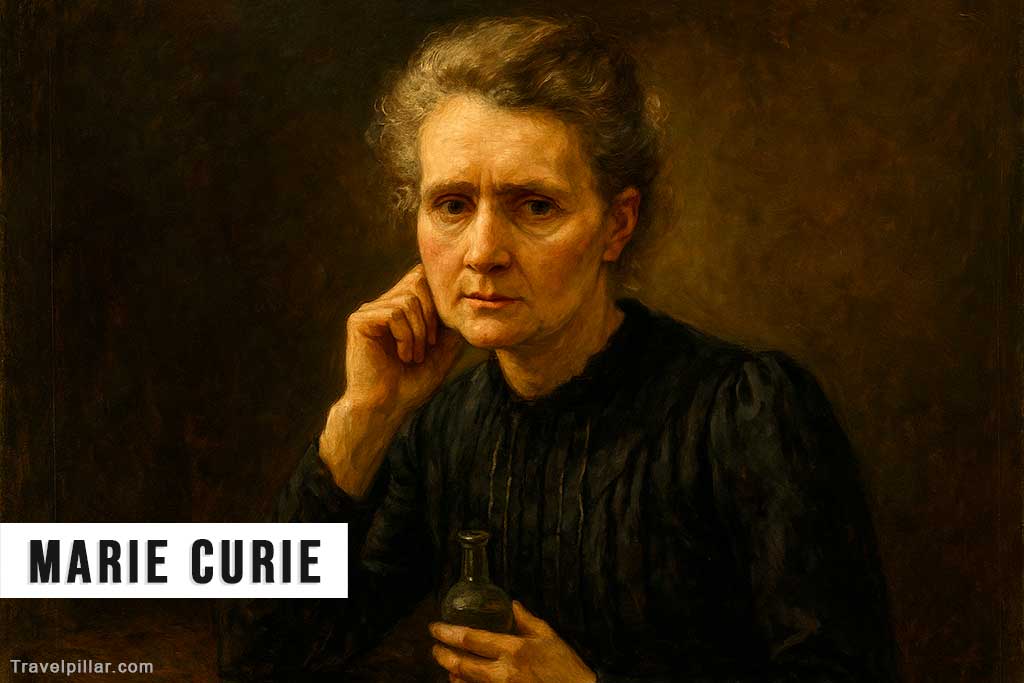
Marie Curie, born in 1867, was a Polish-born physicist and chemist who became a naturalized French citizen. A pioneer in radioactivity research, she was the first woman to win a Nobel Prize, the only person to win in two different sciences, and the first woman Professor at the University of Paris. She died in 1934, a trailblazer in science and women’s rights.
Louis Pasteur
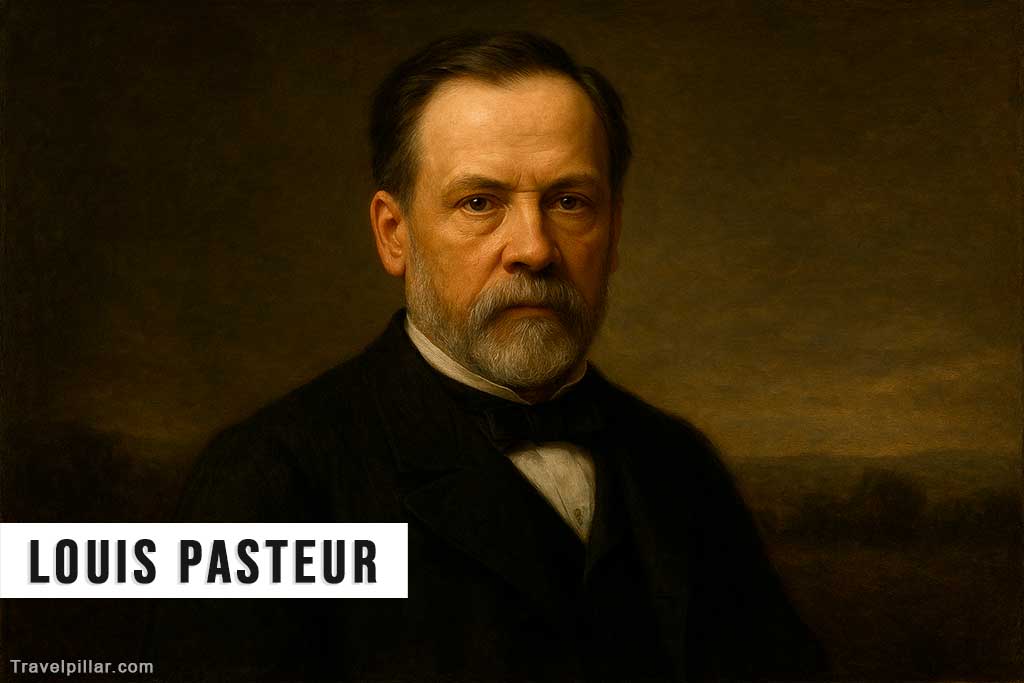
Louis Pasteur, born in 1822, was a French biologist, microbiologist, and chemist. Known for discovering the principles of vaccination, microbial fermentation, and pasteurization, Pasteur made significant strides in disease prevention. His work in germ theory also laid the foundation for modern medicine. He died in 1895, his scientific breakthroughs continuing to save countless lives.
Claude Monet

Claude Monet, born in 1840, was a French painter and a founder of French Impressionist painting. Known for his consistent and prolific depiction of the landscape and leisure activities of Paris, Monet’s unique style changed the face of art. He died in 1926, his impressionist masterpieces still revered worldwide.
Victor Hugo
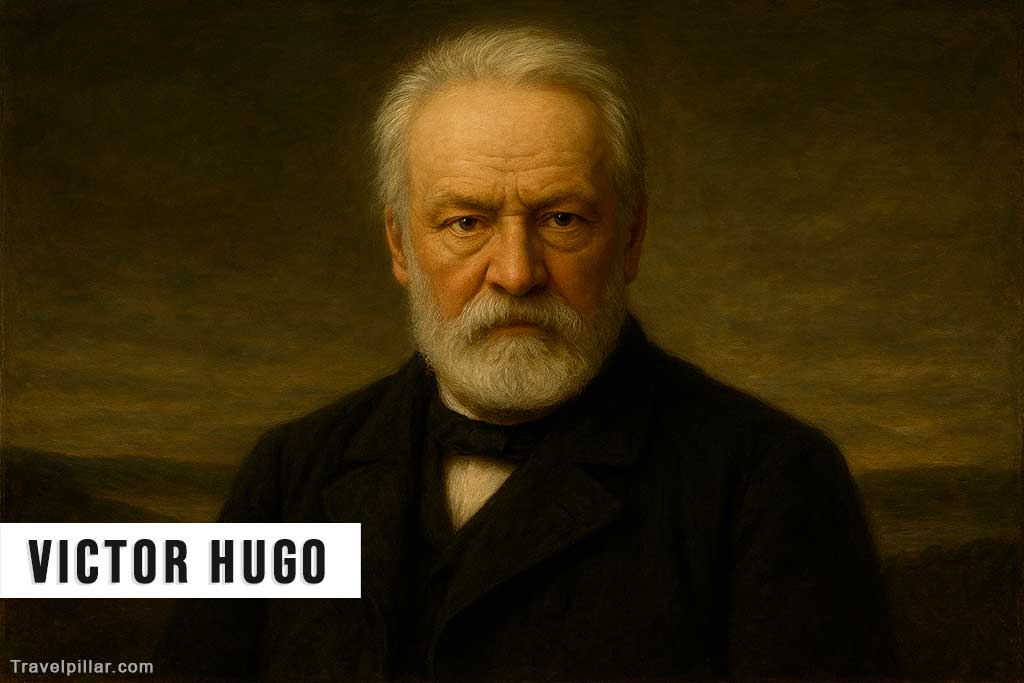
Victor Hugo, born in 1802, was a French poet, novelist, and dramatist. One of the greatest French writers, his works, including “Les Misérables” and “The Hunchback of Notre-Dame,” have been widely read and adapted. He died in 1885, his legacy shaping French literature and beyond.
Simone de Beauvoir

Simone de Beauvoir (1908-1986) was a leading French philosopher, novelist, and feminist intellectual. Known for her 1949 work “The Second Sex”, which scrutinized traditional roles of women, she significantly influenced the feminist movement.
Charles de Gaulle

Charles de Gaulle (1890-1970) served as French President from 1959 to 1969. As a World War II leader and a founder of the Fifth Republic, he played a central role in reshaping France’s political landscape.
Pierre-Auguste Renoir

Pierre-Auguste Renoir (1841-1919) was a key figure in the Impressionist art movement. Celebrated for his vibrant light and saturated colour, his work primarily focused on people in intimate and candid compositions, notably depicting leisure activities of Parisians.
Coco Chanel
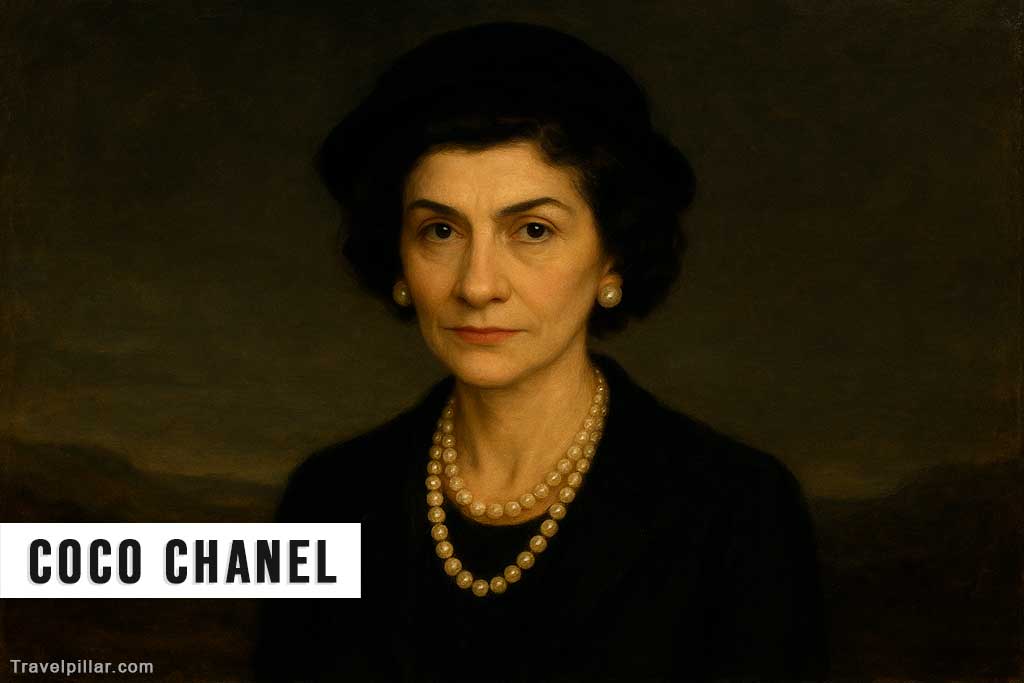
Coco Chanel (1883-1971) was a pioneering French fashion designer. She revolutionized women’s fashion by introducing a casual, simplistic elegance that contrasted sharply with the more constraining designs of the time. Her brand, Chanel, remains an influential force in fashion.
Henri Matisse

Henri Matisse (1869-1954) was a renowned French artist known for his use of colour and his fluid drawing skills. His mastery spanned painting, drawing, sculpture, and collage, shaping the direction of 20th-century art, particularly through Fauvism.
Gustave Eiffel
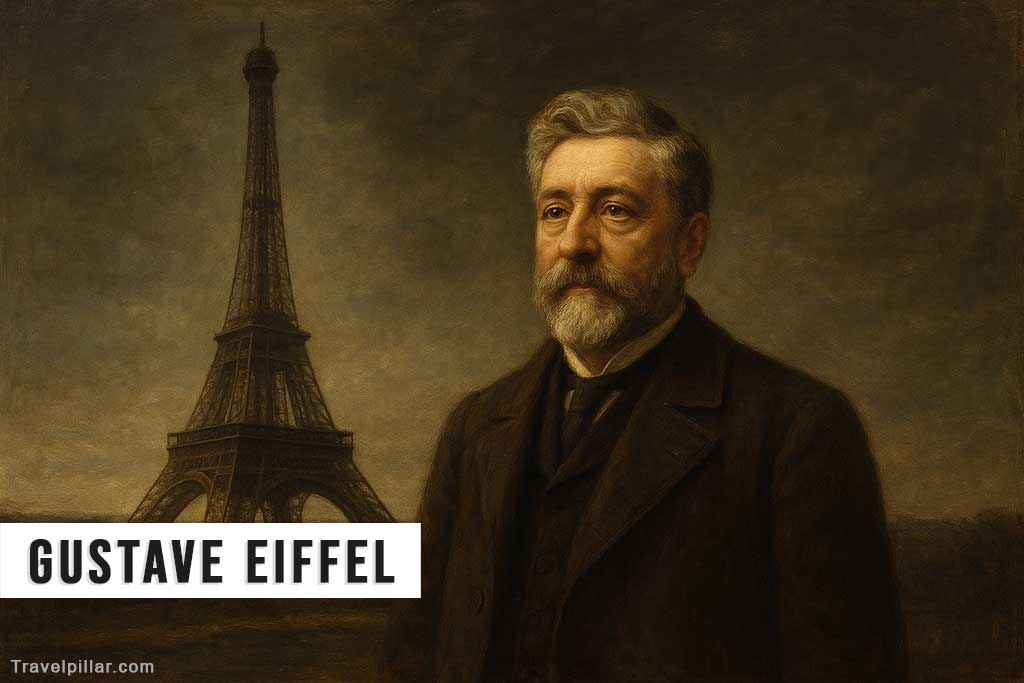
Gustave Eiffel (1832-1923) was a French civil engineer whose most iconic work is the Eiffel Tower. Known for his innovative use of iron in construction, he also contributed to the design of the Statue of Liberty.
Émile Durkheim
Émile Durkheim (1858-1917) was a French sociologist, social psychologist, and philosopher. A pioneering academic, he established sociology as a legitimate science. His foundational studies of social phenomena such as collective conscience, anomie, and social division continue to shape sociological thought.
Alexandre Dumas
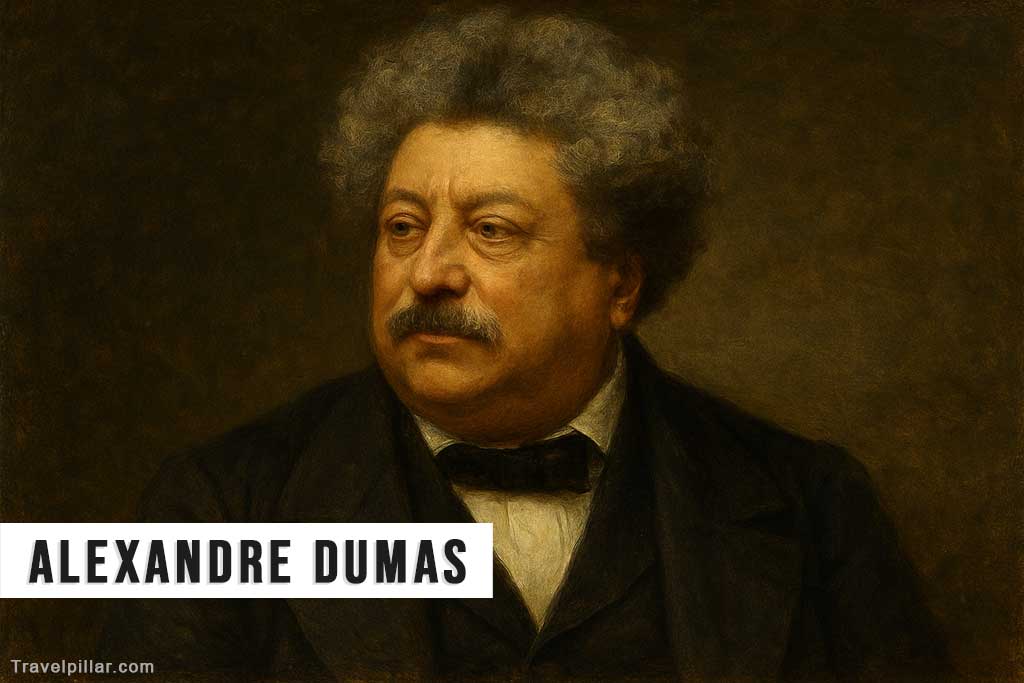
Alexandre Dumas (1802-1870) was a French author renowned for his adventure novels such as “The Three Musketeers” and “The Count of Monte Cristo”. He has been one of the most widely read French authors in the world and his works have been adapted into nearly 200 films.
Jean-Jacques Rousseau

Jean-Jacques Rousseau (1712-1778) was a Genevan philosopher, writer, and composer whose political philosophy influenced the French Revolution, the development of liberal, conservative, and socialist theory, and the growth of nationalism. His novel “Émile, or On Education” initiated modern child-rearing practices, while his confessional autobiography, “Confessions”, heralded the modern autobiography.
Jean-Paul Sartre

Jean-Paul Sartre (1905-1980) was a French philosopher, playwright, novelist, and political activist. He is primarily recognized for his contributions to existentialism and phenomenology, two philosophical movements that emphasize individual existence and subjective experience. His notable works include “Being and Nothingness” and “No Exit.” Sartre was awarded the Nobel Prize in Literature in 1964, but famously declined the honor, asserting his belief that a writer should remain independent and refuse such institutional recognition.