
Ancient Mesopotamia
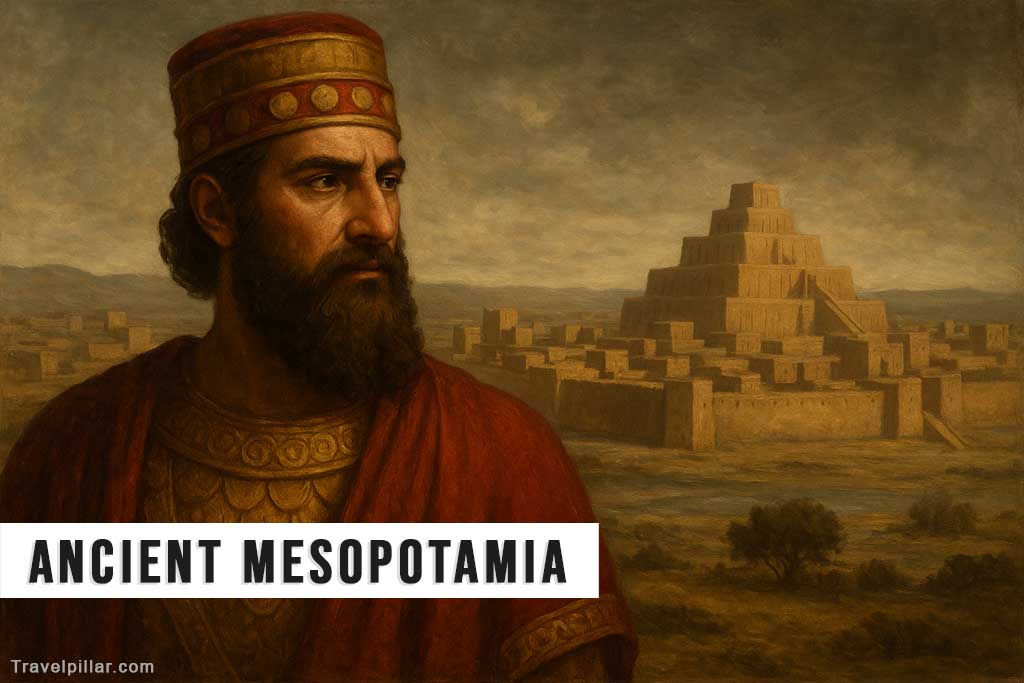
Ancient Mesopotamia, spanning from 4000 to 539 BC, is often deemed the cradle of civilization. Located between the Tigris and Euphrates rivers, this area was home to numerous innovative societies, such as the Sumerians, Akkadians, Babylonians, and Assyrians. Major contributions include cuneiform writing, advanced irrigation, urban planning, and the earliest known code of laws—Hammurabi’s Code. The conquest by the Persians in 539 BC marked the end of the Mesopotamian era.
Ancient Egypt
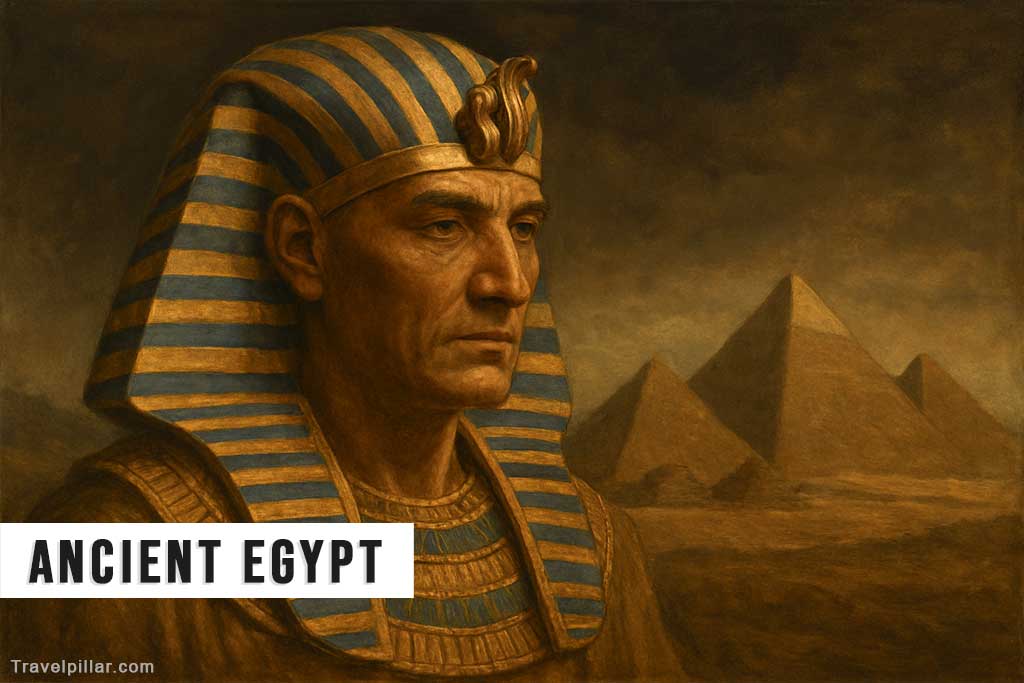
Ancient Egypt (3100-30 BC) was a civilization of antiquity on the lower reaches of the Nile River. It is famed for its monumental pyramids, hieroglyphic script, and the Sphinx. Egypt’s pharaohs, considered gods on earth, governed a hierarchical society with a robust economy based on agriculture. Renowned for their advancements in medicine, mathematics, and engineering, the civilization’s demise came with the Roman conquest in 30 BC.
Ancient China
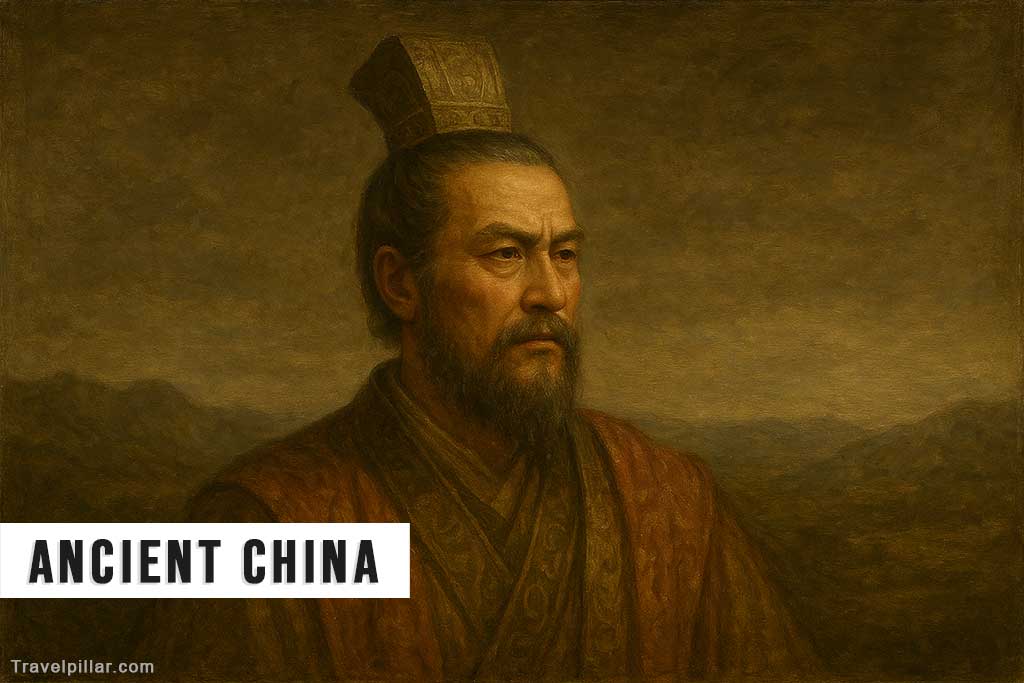
Ancient China (c.1600 BC-221 BC) is recognized for its significant cultural and technological contributions. Known for the invention of paper, gunpowder, and the compass, it was ruled by dynastic families, with the Zhou and Qin dynasties being particularly influential. The civilization created the first centralized bureaucratic system and made notable strides in literature, philosophy, and art. The unification of China under the first emperor Qin Shi Huang marked the end of ancient China.
Ancient Greece
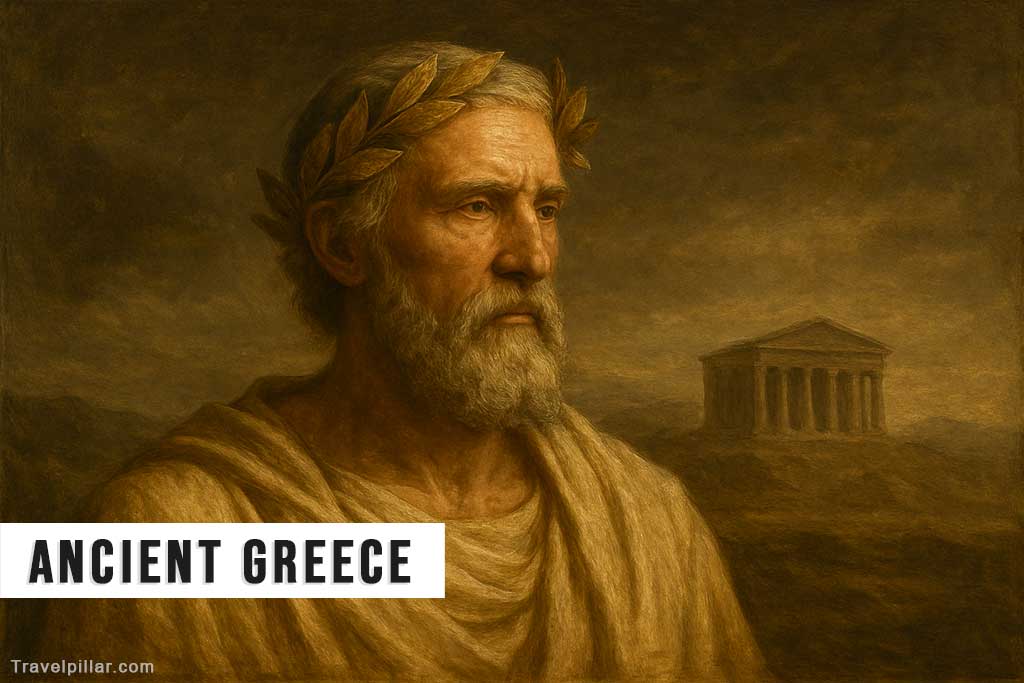
Ancient Greece (800-146 BC) was a prominent civilization known for its significant contributions to philosophy, politics, and arts. Split into city-states, the most famous being Athens and Sparta, it was the birthplace of democracy and Western philosophy. The Greeks made substantial advancements in science, literature, and mathematics. Following the Peloponnesian War, Greece’s strength waned, leading to conquest by the Romans in 146 BC.
Maurya Empire (India)
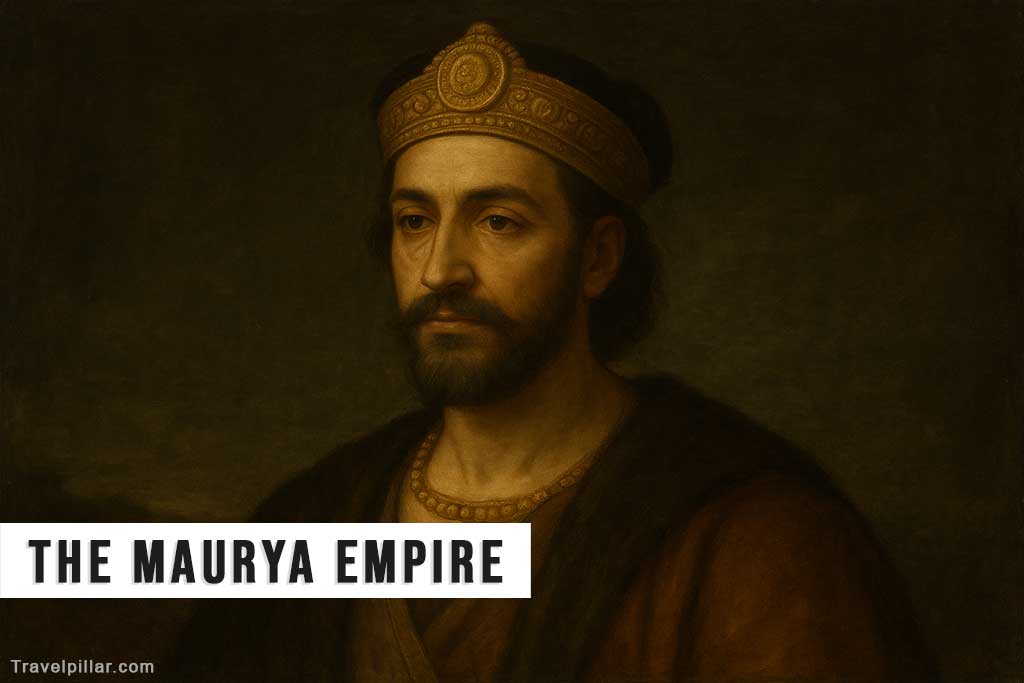
The Maurya Empire (321-185 BC) was one of ancient India’s largest empires, stretching from the Himalayas to central India. Established by Chandragupta Maurya, it is remembered for its military might, expansive trade networks, and centralized administration. Ashoka the Great, its most famous ruler, embraced Buddhism after the brutal Kalinga War and propagated it throughout Asia. The empire declined after Ashoka’s death, finally falling in 185 BC.
Ancient Rome
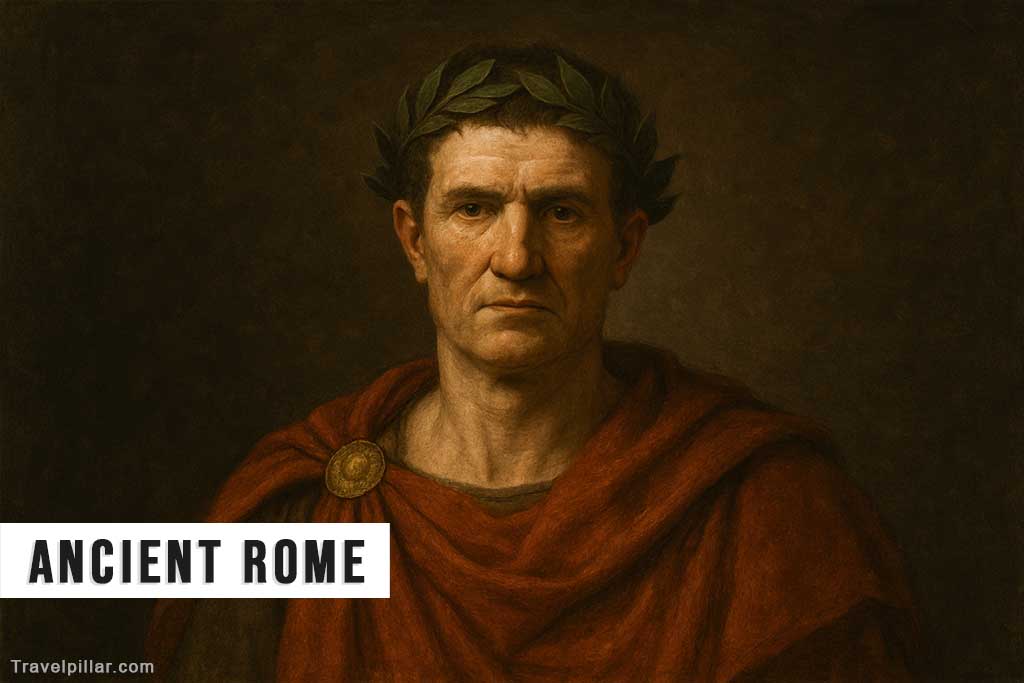
Ancient Rome (753 BC-476 AD) was a civilization that grew from a small Italian city-state to a vast empire encompassing the Mediterranean. Its societal structure, law, and language significantly influenced the Western world. Known for feats of engineering, such as roads, aqueducts, and the Colosseum, Rome was also where Julius Caesar and Augustus redefined governance. Its fall in 476 AD marked the end of the Western Roman Empire and the beginning of the Middle Ages.
Gupta Empire (India)
The Gupta Empire (320-550 AD) marked the Golden Age of India, renowned for remarkable advancements in science, technology, engineering, art, dialectic, literature, logic, mathematics, astronomy, and religion. Established by Maharaja Sri Gupta, the empire maintained an extensive network of trade routes. Chandragupta II, the most notable Gupta Emperor, facilitated the proliferation of classical Sanskrit literature and Hindu culture. The empire gradually declined due to multiple invasions and internal issues.
Mayan Civilization
The Mayan Civilization (c.2000 BC-1542 AD) thrived in Mesoamerica, renowned for its hieroglyphic script, architecture, mathematics, calendar, and astronomical system. Composed of city-states each governed by a hereditary ruler, cities like Tikal, Palenque, and Copán were important cultural centers. Despite experiencing a significant decline in the 8th-9th century AD, some Mayan cities remained inhabited until the Spanish conquest in the 16th century.
Byzantine Empire
The Byzantine Empire (330-1453 AD) was the continuation of the Roman Empire in its eastern provinces. Its capital, Constantinople, was a hub of trade and culture. The empire’s legacy is intertwined with its codification of Roman law, preservation of Greek language, and propagation of Orthodox Christianity. Byzantine architecture, especially the Hagia Sophia, is renowned. The empire fell to the Ottoman Turks in 1453, marking the end of the Middle Ages.
Islamic Golden Age
The Islamic Golden Age (8th-14th century) was a period of cultural, economic, and scientific flourishing in the history of the Islamic world, predominantly during the Abbasid Caliphate. This era is known for significant advancements in arts, literature, philosophy, and sciences. Baghdad, the capital, was a significant intellectual center where scholars of various ethnicities and religions translated classical Greek, Indian, Persian, and Egyptian works into Arabic.
Mongol Empire
The Mongol Empire (1206–1368), founded by Genghis Khan, was the largest contiguous land empire in history, spanning from Eastern Europe to East Asia. Noted for its military prowess, it was also instrumental in facilitating cultural exchange across Eurasia through the Silk Road. Despite its nomadic roots, the empire developed sophisticated governing structures. After the death of Genghis Khan’s grandson, Kublai Khan, the empire fragmented into smaller khanates, eventually fading by the late 14th century.
Inca Empire
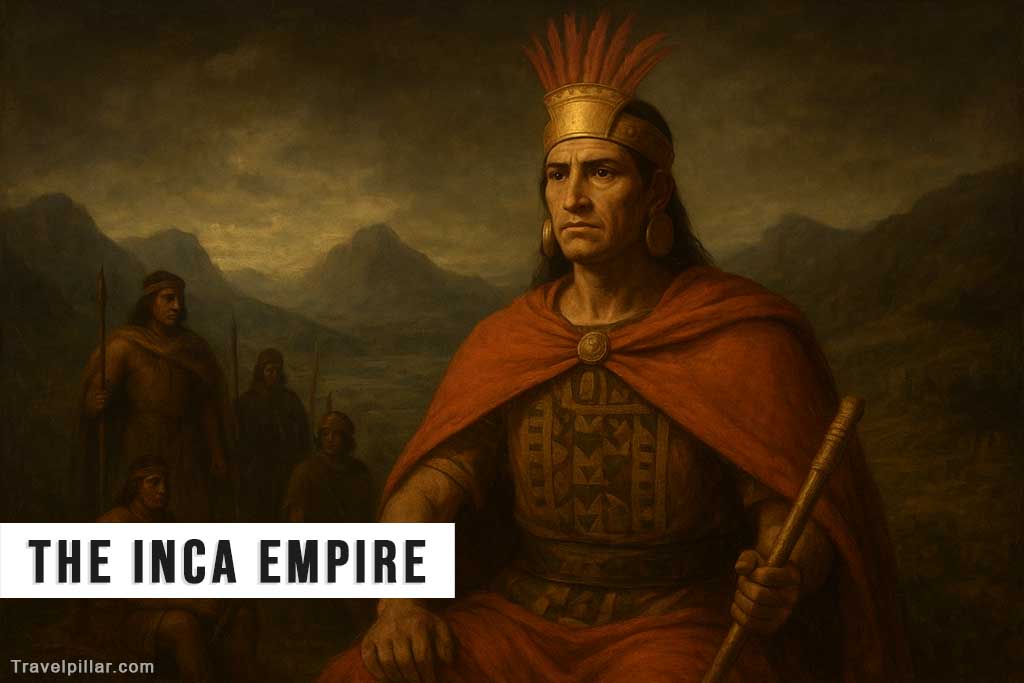
The Inca Empire (c.1400-1533 AD), situated along the western coast of South America, was the largest pre-Columbian empire in the Americas. The Incas were skilled engineers, constructing cities like Machu Picchu and a complex road system. Known for their sophisticated bureaucracy and agricultural methods, the empire was polytheistic, worshipping natural gods. The Spanish conquest led by Francisco Pizarro marked the end of the Inca Empire.
Aztec Civilization
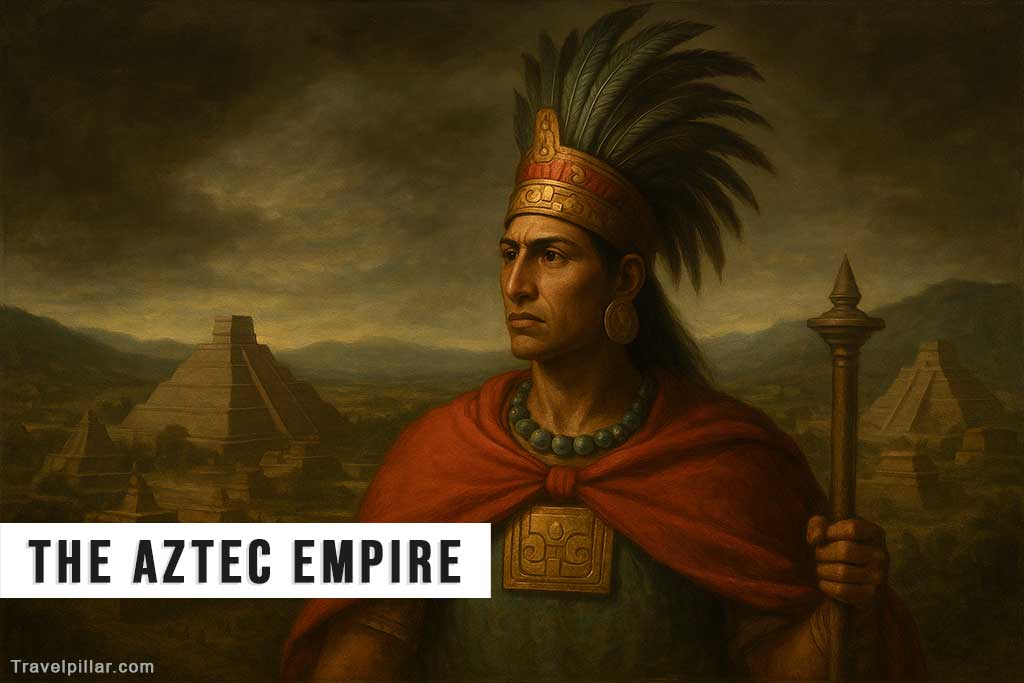
The Aztec Civilization (c.1345-1521 AD) thrived in central Mexico, with Tenochtitlán as its capital. They are recognized for their complex social, political, and religious institutions, as well as achievements in astronomy and architecture, exemplified by their monumental pyramids. Agriculture and tribute from conquered peoples sustained their economy. The civilization collapsed following Hernán Cortés’ Spanish conquest, marked by the fall of Tenochtitlán in 1521.
Ottoman Empire
The Ottoman Empire (1299–1922) was a dominant power in Southeast Europe, Western Asia, and North Africa for over 600 years. Established by Osman I, the empire was known for its military skill, extensive administrative divisions, and contributions to art, science, and architecture. The capital, Constantinople (now Istanbul), became a thriving center of culture and commerce. The empire began declining in the late 17th century and finally dissolved after World War I in 1922.