

This page explores Britain’s most celebrated historical figures, highlighting their achievements and lasting impact on British history. The list includes influential personalities from various fields, such as science, politics, literature, and the arts, providing insight into their contributions that have shaped both the nation and the world
Sir Christopher Wren

Sir Christopher Wren (1632-1723) was a distinguished British architect, physicist, and mathematician, celebrated for his pioneering contributions to English Baroque architecture. Wren’s most notable work, St. Paul’s Cathedral, was completed in 1710 as part of his efforts to rebuild London after the Great Fire of 1666. His innovative designs and impressive architectural achievements continue to influence generations of architects and solidify his status as a prominent figure in British history.
Lord Nelson (Battle of Trafalgar)
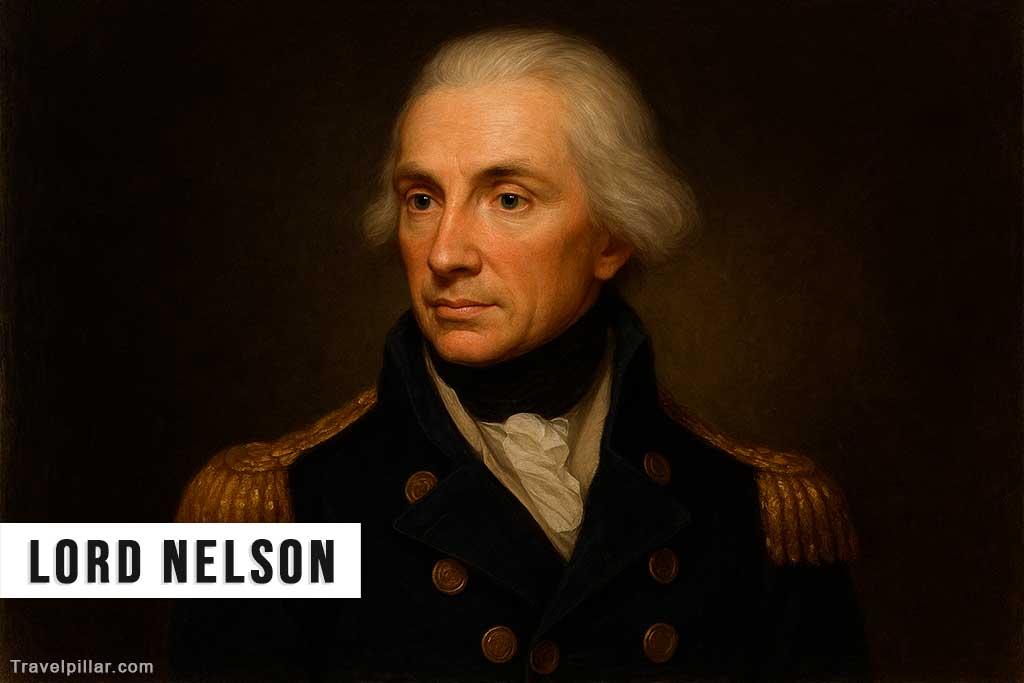
Vice-Admiral Horatio Nelson (1758-1805), known as Lord Nelson, was a renowned British naval officer celebrated for his heroic leadership during the Napoleonic Wars. His most notable victory came at the Battle of Trafalgar in 1805, where he masterminded a strategy that secured British naval supremacy. Though mortally wounded during the battle, Nelson’s steadfast commitment to his country is immortalized through monuments like London’s iconic Nelson’s Column in Trafalgar Square.
The Duke of Wellington (Battle of Waterloo)

Arthur Wellesley, 1st Duke of Wellington (1769-1852), was a celebrated British military leader and statesman, best known for his decisive victory over Napoleon Bonaparte at the Battle of Waterloo in 1815. This triumph, which marked the end of the Napoleonic Wars, solidified Wellington’s reputation as a national hero. Later, as a two-time Prime Minister, he implemented significant reforms, including the Catholic Emancipation Act of 1829, further securing his historical significance.
Sir Winston Churchill
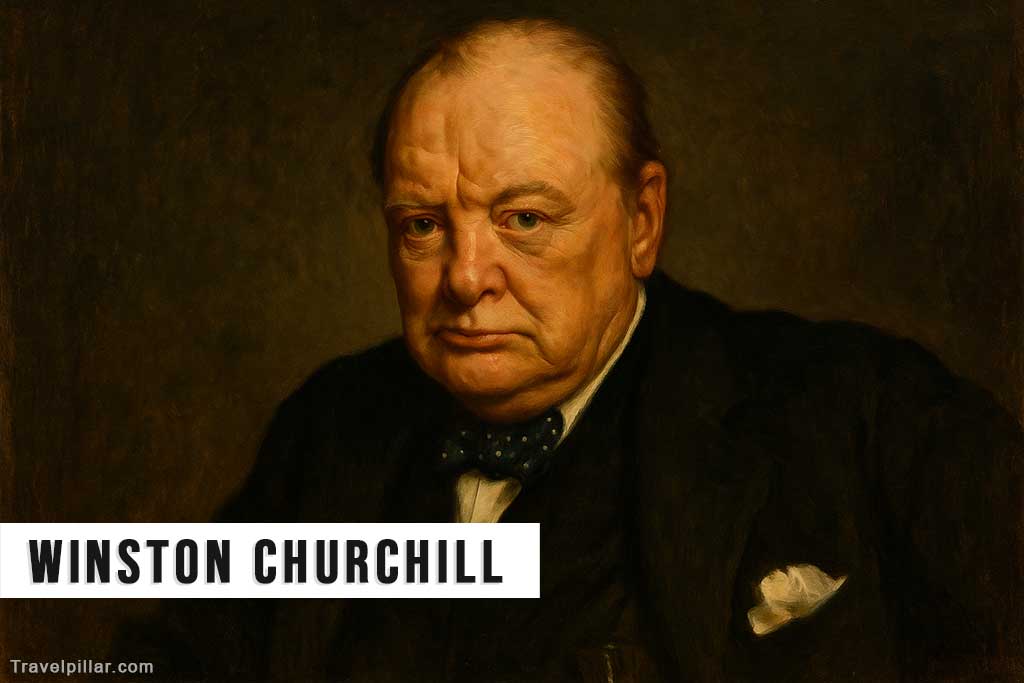
Sir Winston Churchill (1874-1965) was a formidable British statesman and writer, best known for his tenacious leadership as Prime Minister during World War II. His unwavering determination and inspiring speeches rallied the nation during its darkest hours, contributing significantly to the Allied victory. Churchill’s illustrious political career spanned half a century, and his numerous written works earned him a Nobel Prize in Literature, solidifying his lasting impact on British history.
King Henry VIII
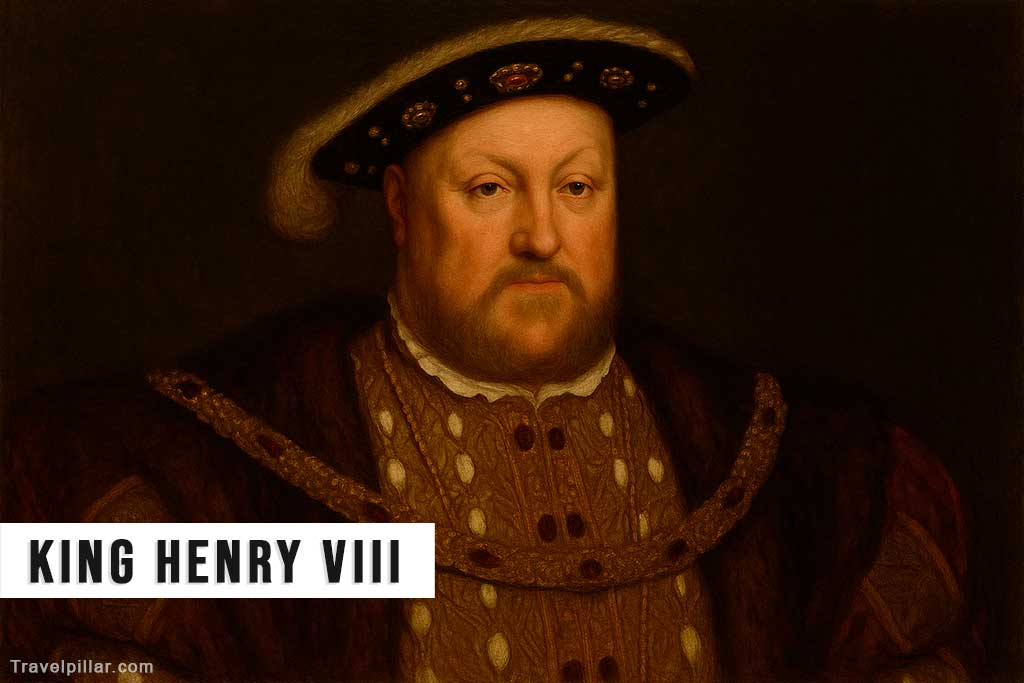
King Henry VIII (1491-1547) was a prominent and controversial Tudor ruler, whose reign was marked by his six marriages, religious upheaval, and political machinations. Henry’s break with the Roman Catholic Church and the establishment of the Church of England transformed the nation’s religious landscape. Furthermore, his centralization of power and dissolution of the monasteries influenced the course of British history, making him a figure of both fascination and contention.
Queen Elizabeth I
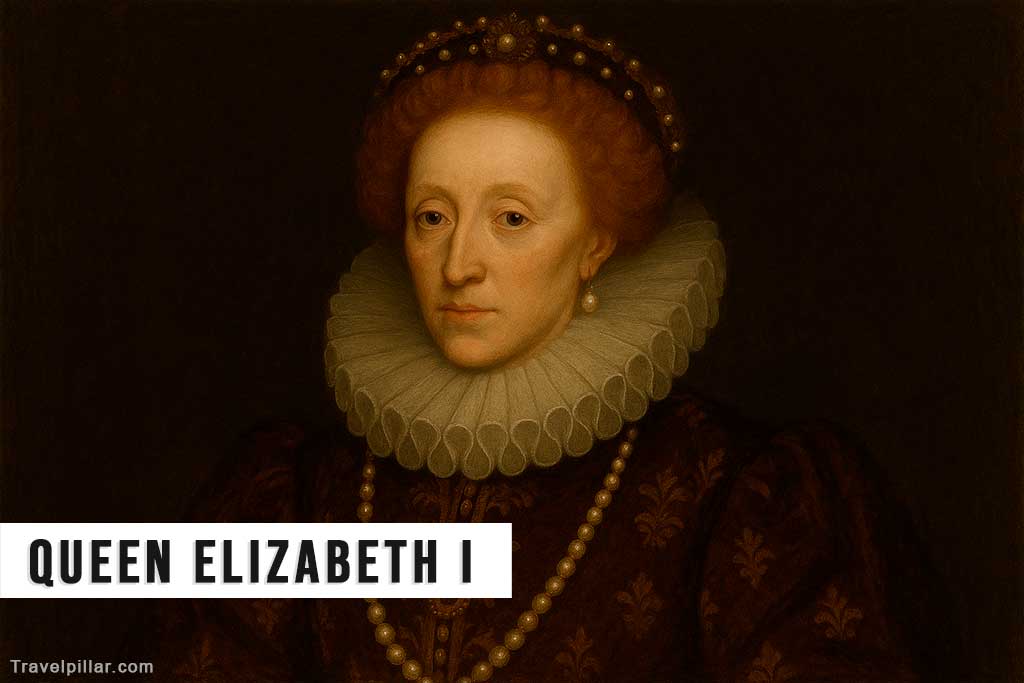
Queen Elizabeth I (1533-1603), the last Tudor monarch, presided over a prosperous and culturally rich era in British history. Her strong and astute rule saw the defeat of the Spanish Armada, the flourishing of English literature and drama, and the expansion of overseas trade and exploration. Elizabeth’s unwavering commitment to her realm and her ability to navigate a male-dominated political landscape cemented her place as a celebrated and influential British historical figure.
Queen Victoria
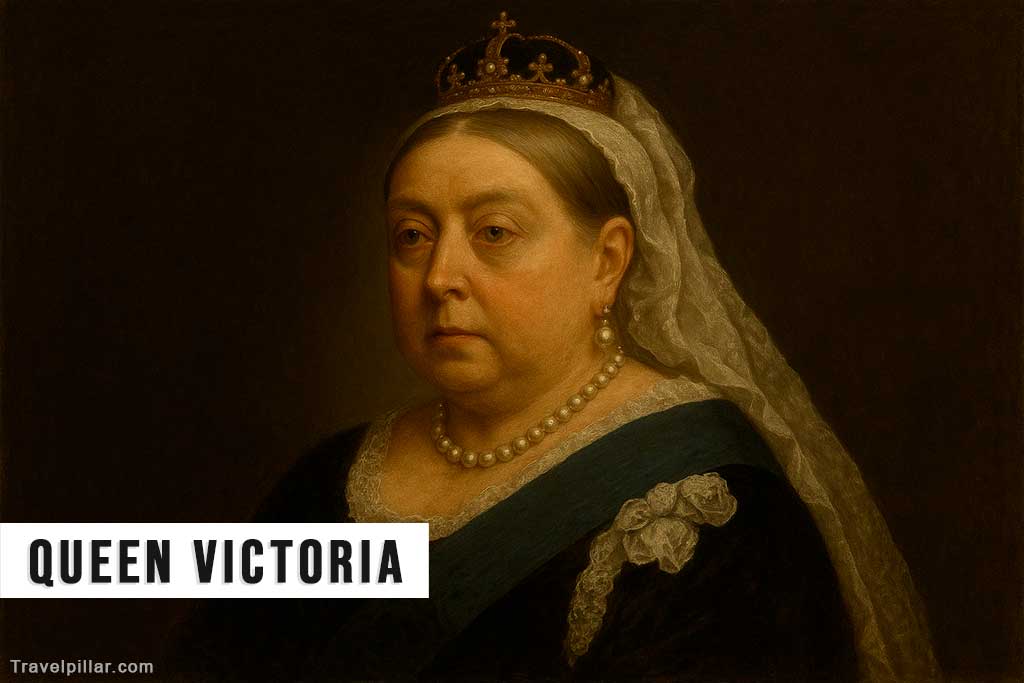
Queen Victoria (1819-1901) reigned over an era of unparalleled industrial, cultural, and scientific advancement, as well as imperial expansion. Her 63-year reign, the longest of any British monarch at the time, came to be known as the Victorian Era. Victoria’s reign saw the rapid growth of the British Empire, making it the most powerful global force during the 19th century. Her steadfast rule, strong moral compass, and enduring marriage to Prince Albert helped shape the United Kingdom’s national identity.
Queen Elizabeth II
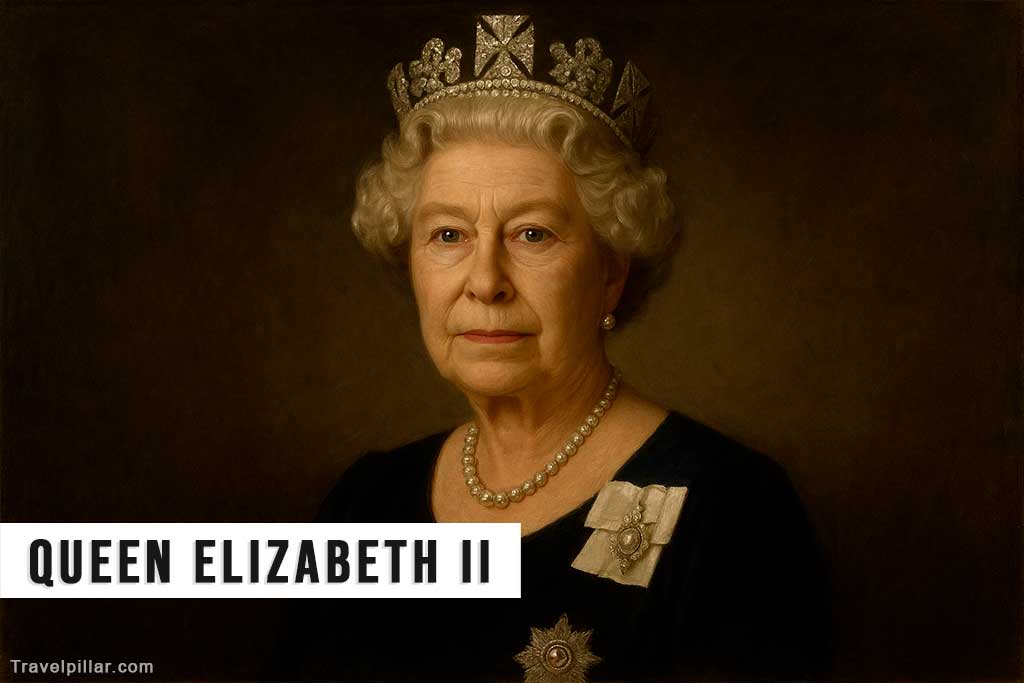
Queen Elizabeth II (1926-2022), born April 21, 1926, ascended the British throne in 1952, becoming the UK’s longest-reigning monarch. During her reign, she navigated significant societal shifts and modernized the monarchy, maintaining its relevance in the 21st century. She is respected globally for her unswerving sense of duty and devotion to public service. Her reign ended with her death on September 8, 2022, marking the end of an era in British history.
William Shakespeare

William Shakespeare, born in 1564, is globally revered as the greatest playwright in the English language. His vast body of work, including renowned plays like “Romeo and Juliet,” “Macbeth,” and “Hamlet,” has had a profound impact on theatre and literature. Shakespeare’s profound understanding of human nature, ingenious wordplay, and timeless themes have solidified his enduring legacy. He died in 1616, leaving behind a body of work that continues to be celebrated worldwide.
Sir Isaac Newton
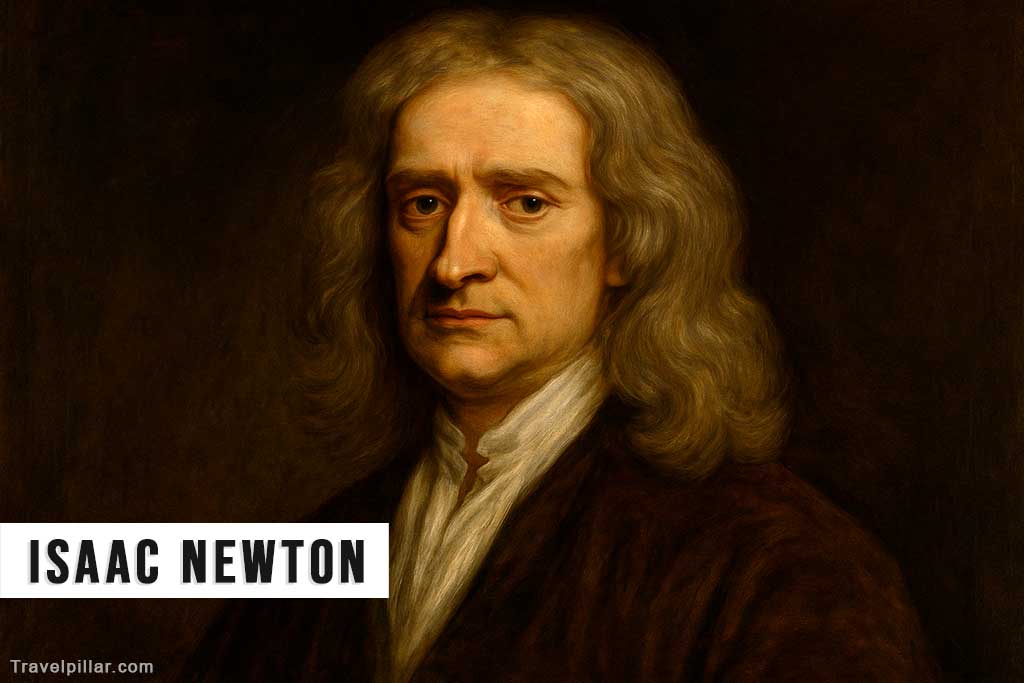
Sir Isaac Newton, born in 1643, was a pioneering physicist and mathematician. His most influential work, “Philosophiæ Naturalis Principia Mathematica,” introduced the laws of motion and universal gravitation, revolutionising our understanding of the physical universe. Newton also made significant contributions to optics and calculus. His scientific discoveries laid the groundwork for classical physics. Newton passed away in 1727, leaving an indelible mark on the history of science.
Charles Darwin

Charles Darwin, born in 1809, was a groundbreaking English naturalist whose work on evolution dramatically reshaped scientific understanding of the natural world. His landmark publication, “On the Origin of Species” (1859), introduced the theory of natural selection, challenging established beliefs about creation. Darwin’s revolutionary ideas influenced fields from biology to philosophy. He passed away in 1882, universally recognised for his profound impact on science.
Florence Nightingale

Florence Nightingale, born in 1820, is celebrated as the founder of modern nursing. Her pioneering work during the Crimean War established sanitation standards for hospitals and reduced death rates. Nightingale’s data visualizations became a tool for political change. She died in 1910, her legacy shaping healthcare practices globally.
Emmeline Pankhurst

Emmeline Pankhurst, born in 1858, was a key figure in the British suffragette movement, leading women’s political activism. Pankhurst’s tireless work culminated in women gaining voting rights in 1928. She died in 1928, a symbol of female empowerment.
Jane Austen

Jane Austen, born in 1775, was an English novelist known for her keen social commentary. Her novels, including “Pride and Prejudice” and “Emma,” have enduring popularity due to their exploration of human nature, class, and marriage. Austen passed away in 1817, remembered as one of the greatest writers in English literature.
Charles Dickens
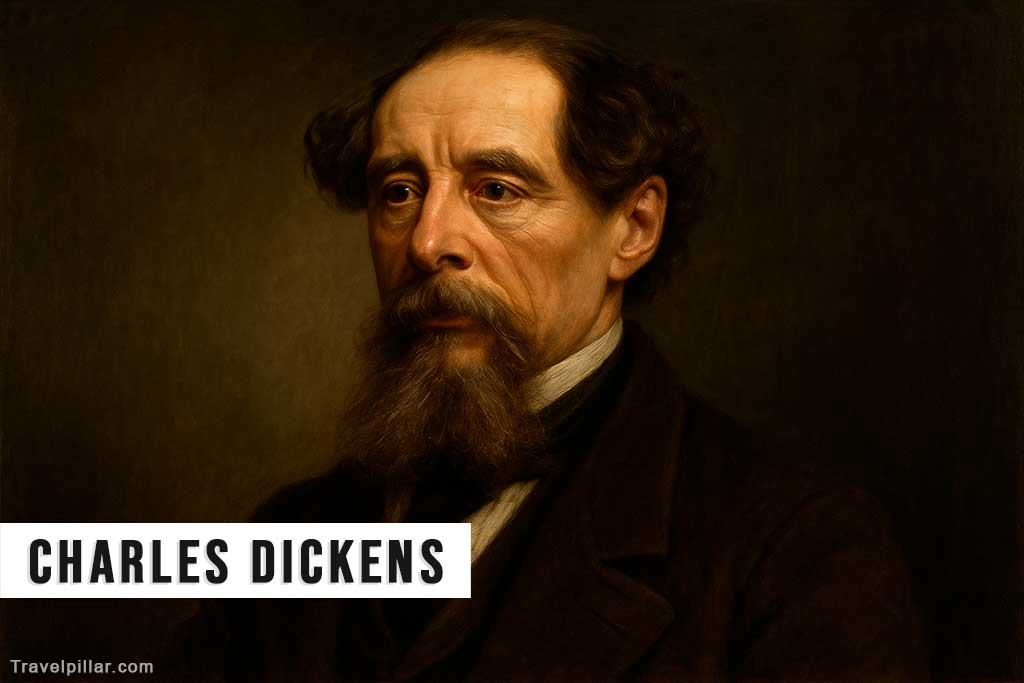
Charles Dickens (1812-1870) was a prolific English novelist and literary giant of the 19th century. His works, including “Oliver Twist,” “Great Expectations,” and “A Tale of Two Cities,” vividly depicted the social and economic issues of his time. Dickens’ storytelling prowess and social commentary continue to be celebrated in literature today.