
Altdorfer Albrecht (c. 1480-1538)
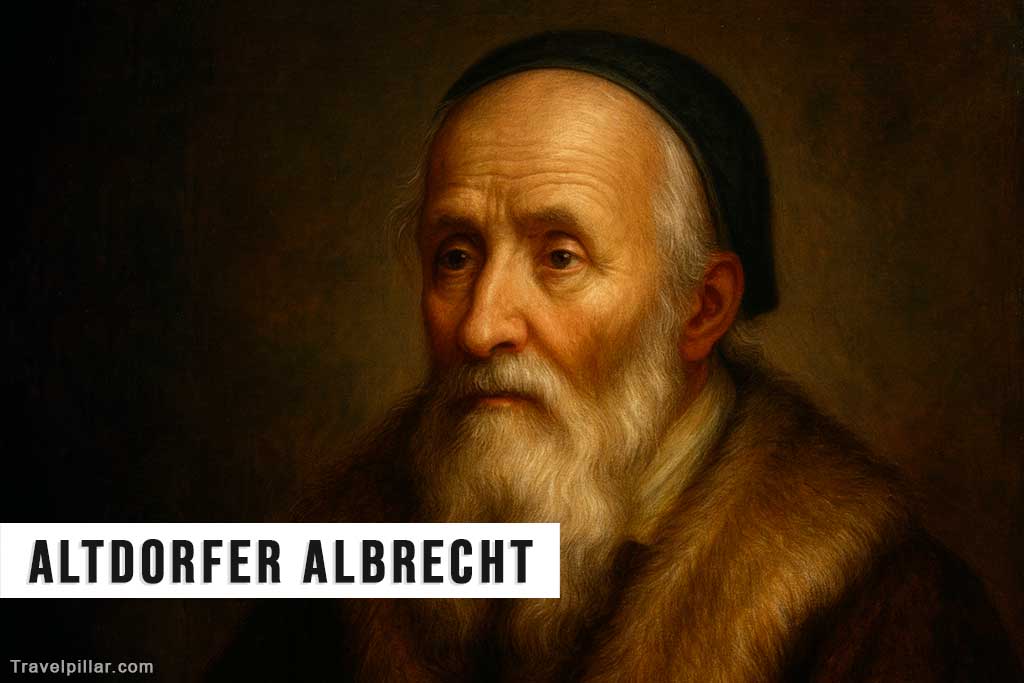
Albrecht Altdorfer (c. 1480-1538) was a German painter, printmaker, and architect, known as a key figure in the Danube School. He was one of the first artists to emphasize landscape in his works, depicting nature with a unique, mystical quality. Altdorfer’s notable painting, “The Battle of Issus” (1529), highlights his talent for creating vast, dramatic scenes. His legacy lies in his innovative blend of Gothic tradition with a growing Renaissance interest in nature.
Francis Bacon (1909-1992)
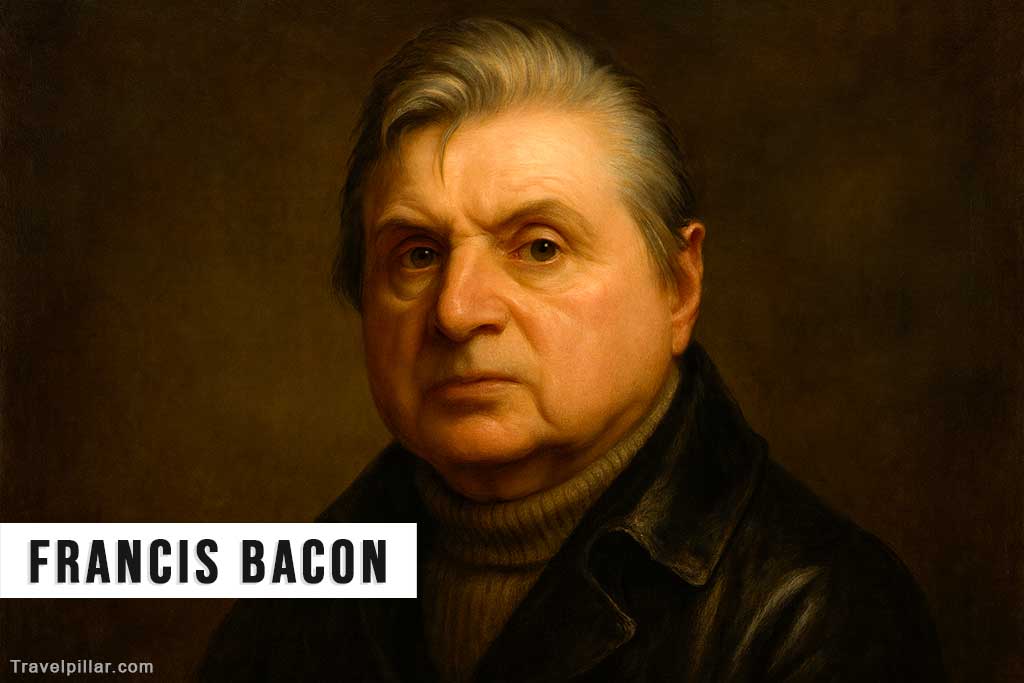
A leading figure in the post-World War II art world, Francis Bacon’s powerful and emotionally charged paintings are characterized by their bold, gestural style and their intense psychological content. His most famous works, such as “Study after Velázquez’s Portrait of Pope Innocent X” and “Triptych -Three Studies of Lucian Freud,” convey a sense of raw emotion and existential angst that has made them enduring favorites among art lovers. Bacon’s innovative approach to painting and his exploration of the darker aspects of the human experience have had a lasting influence on the development of modern art.
Jean-Michel Basquiat (1960-1988)
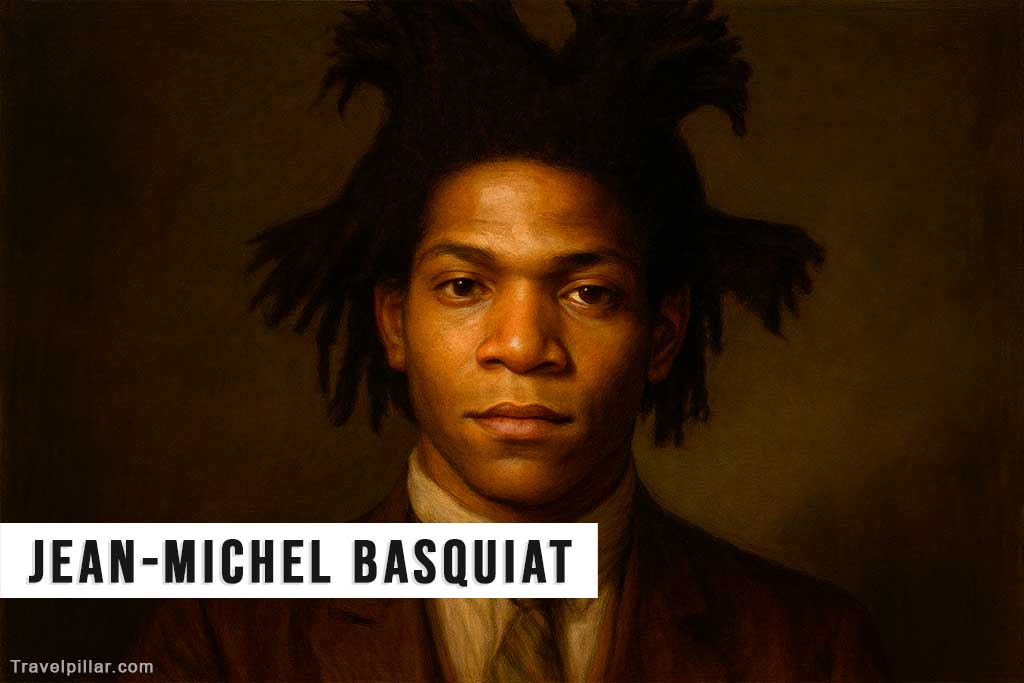
Jean-Michel Basquiat (1960-1988) was an American artist known for his vivid and raw style that combined graffiti, neo-expressionism, and abstract elements. Emerging from New York’s underground art scene, his works often explored themes of race, identity, and power. Using symbols, text, and imagery, Basquiat created complex narratives reflecting African American culture and history. Despite his short career, he became a significant figure in contemporary art, leaving a lasting impact on modern artistic expression.
Giovanni Bellini (c. 1430-1516)

Giovanni Bellini (c. 1430-1516) was a Venetian Renaissance painter known for his contributions to Venetian art and his innovative use of color and light. His works often depict religious subjects, focusing on serene compositions and detailed landscapes. Notable paintings include “Madonna and Child” and “St. Francis in the Desert.” Bellini’s style influenced many artists of his time, helping to establish the Venetian school of painting as a key movement in Renaissance art.
Gian Lorenzo Bernini (1598-1680)
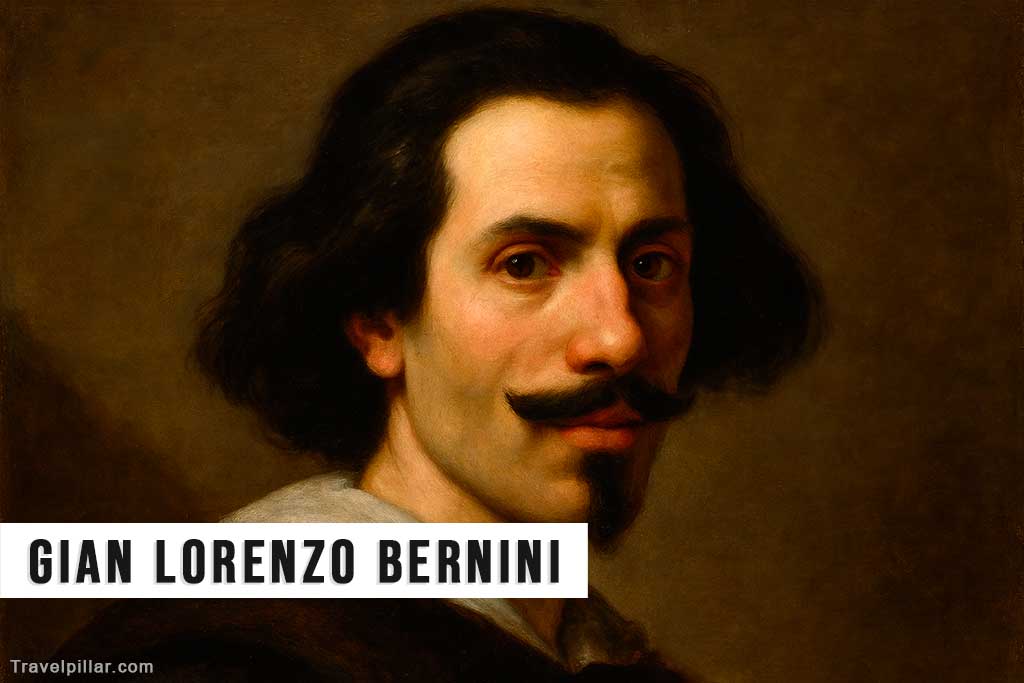
Gian Lorenzo Bernini (1598-1680): A leading figure of the Baroque movement, Gian Lorenzo Bernini was an extraordinarily talented sculptor, architect, and painter. His dramatic and dynamic sculptures, such as “Apollo and Daphne” and “The Ecstasy of Saint Teresa,” are characterized by their intense emotion and movement. In addition to his sculptures, Bernini was also a prominent architect, designing iconic buildings such as the Piazza San Pietro and the Baldachin in St. Peter’s Basilica.
William Blake (1757-1827)
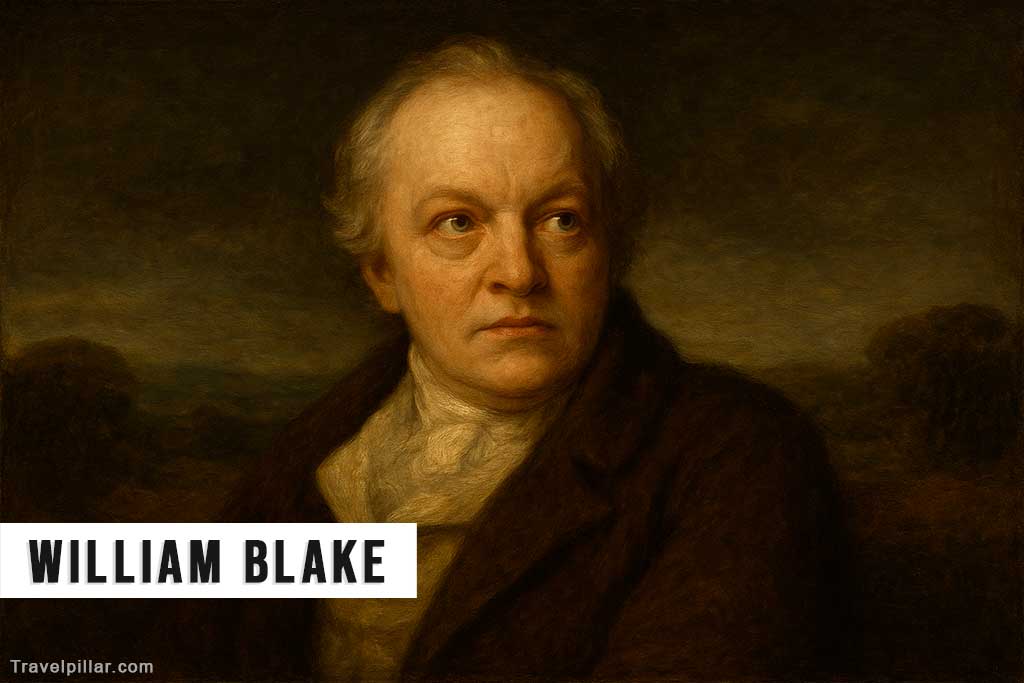
A visionary poet, painter, and printmaker, William Blake is celebrated for his mystical and spiritual works that combine elements of Romanticism, symbolism, and biblical mythology. His most famous works, such as “Songs of Innocence and of Experience” and “The Tyger,” showcase his visionary imagination and his ability to convey complex spiritual ideas through art. Blake’s innovative approach to art and his profound influence on the development of British Romanticism have made him an enduring figure in the history of art and literature.
Giotto di Bondone (c. 1267-1337)

Giotto di Bondone (c. 1267-1337): Often considered the “Father of the Renaissance,” Giotto was a groundbreaking painter and architect who introduced a more naturalistic and humanistic approach to art. His frescoes, particularly those in the Scrovegni Chapel in Padua, marked a significant departure from the flat, stylized representations of the medieval period. Giotto’s innovative techniques, such as his use of perspective and his focus on emotional expression, laid the foundation for the development of Renaissance art.
Hieronymus Bosch (1450-1516)
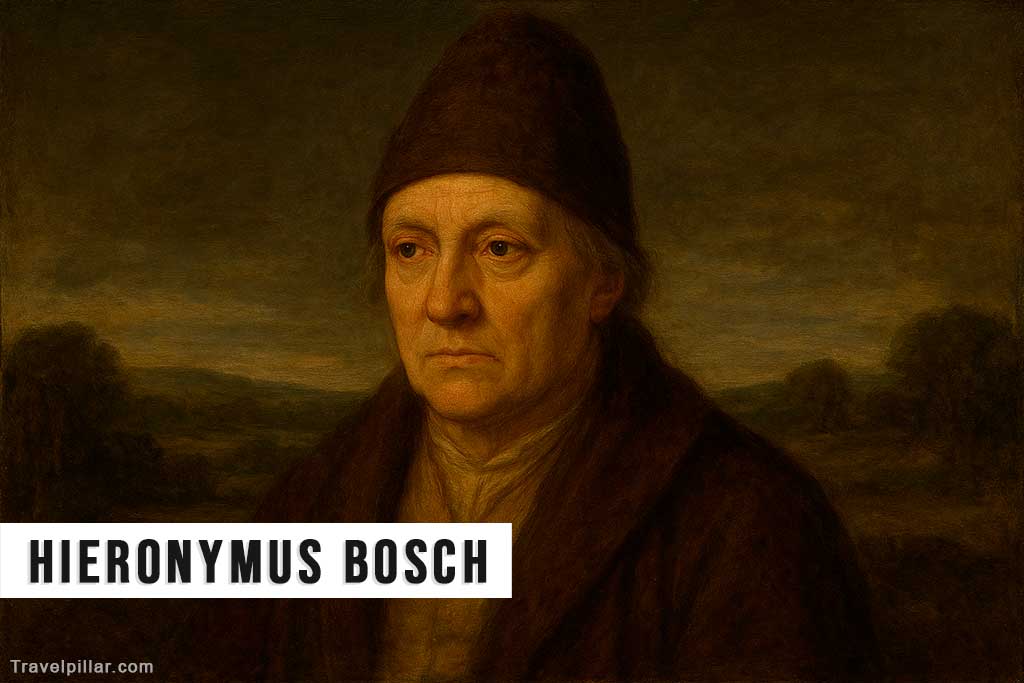
Hieronymus Bosch (1450-1516): A highly imaginative and enigmatic painter, Hieronymus Bosch is known for his intricate and surreal religious and moral allegories. Combining elements of fantasy, symbolism, and a vivid imagination, Bosch’s works often depict scenes of heaven, hell, and earthly sins, captivating and mystifying viewers. His most famous work, “The Garden of Earthly Delights,” exemplifies his unique style and continues to inspire and influence artists to this day.
Sandro Botticelli (1445-1510)
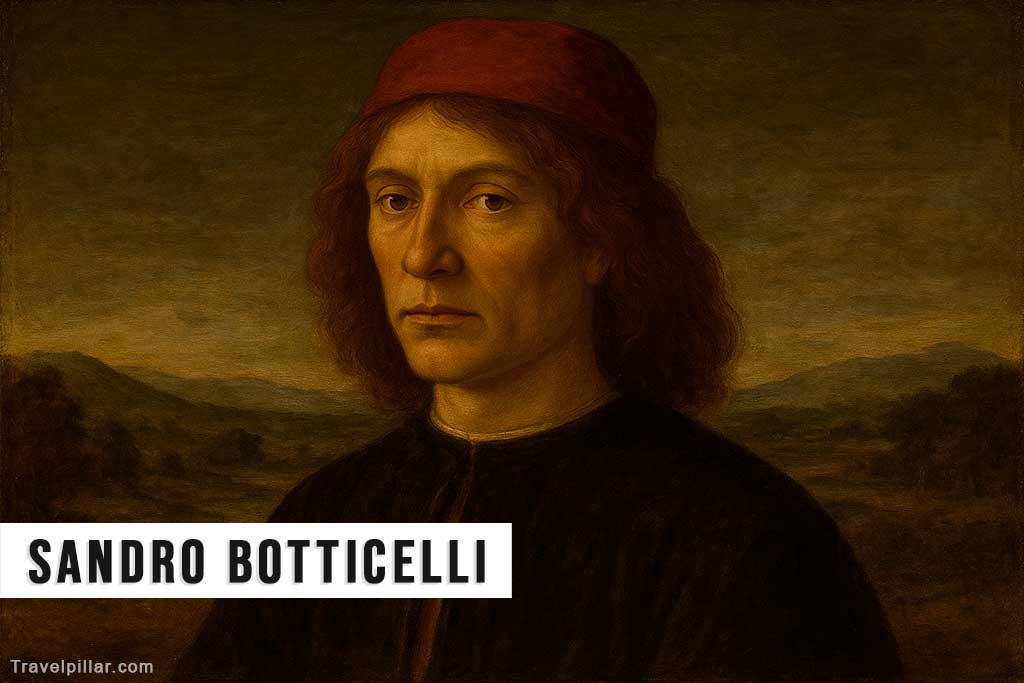
Sandro Botticelli (1445-1510): A prominent figure of the Early Renaissance, Sandro Botticelli is known for his elegant and graceful paintings that often depict mythological and religious subjects. His most famous works, “The Birth of Venus” and “Primavera,” showcase his delicate use of line and color, as well as his skill in creating complex, allegorical compositions. Botticelli’s distinctive style has left a lasting mark on the history of art.
Georges Braque (1882-1963)

Georges Braque (1882-1963) was a French painter and a key figure in modern art, best known for co-founding Cubism with Pablo Picasso. His work emphasized fragmented forms, multiple perspectives, and a limited color palette, often focusing on everyday objects like musical instruments and bottles. Braque also introduced the technique of papier collé, or collage, to his compositions. His exploration of abstraction and form had a lasting impact on the direction of 20th-century art.
Pieter Bruegel the Elder (c. 1525-1569)
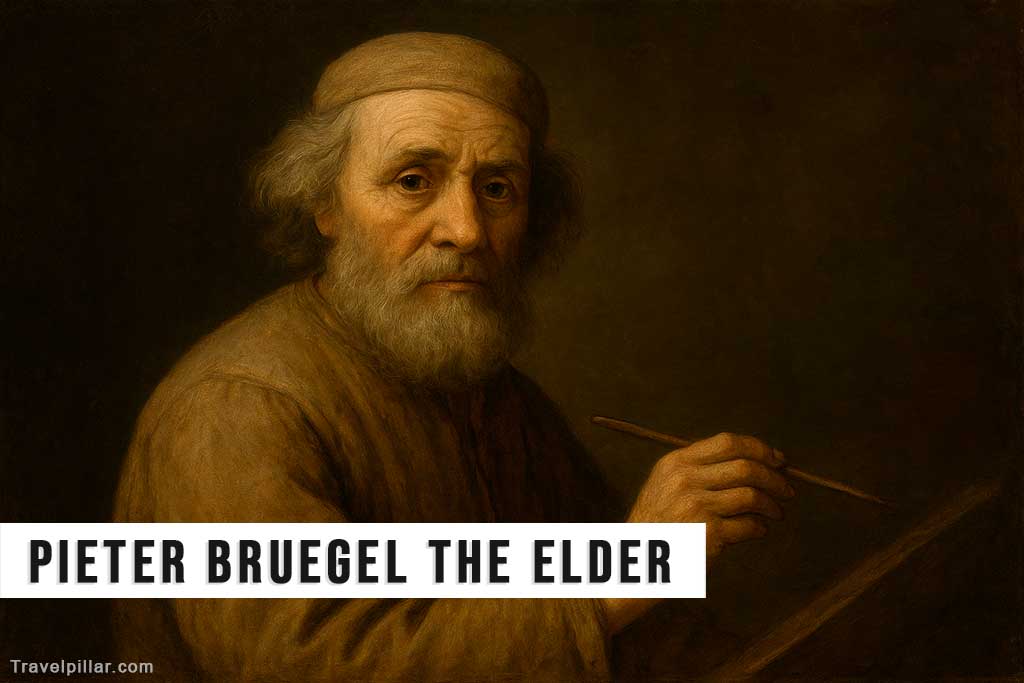
Pieter Bruegel the Elder (c. 1525-1569) was a Dutch Renaissance painter known for his detailed landscapes and depictions of peasant life. His work often featured scenes of daily activities, capturing the human condition with a focus on both humor and social critique. Notable paintings include “The Hunters in the Snow” and “Peasant Wedding.” Bruegel’s detailed portrayal of nature and society established him as a central figure in Northern Renaissance art.
Caravaggio (1571-1610)
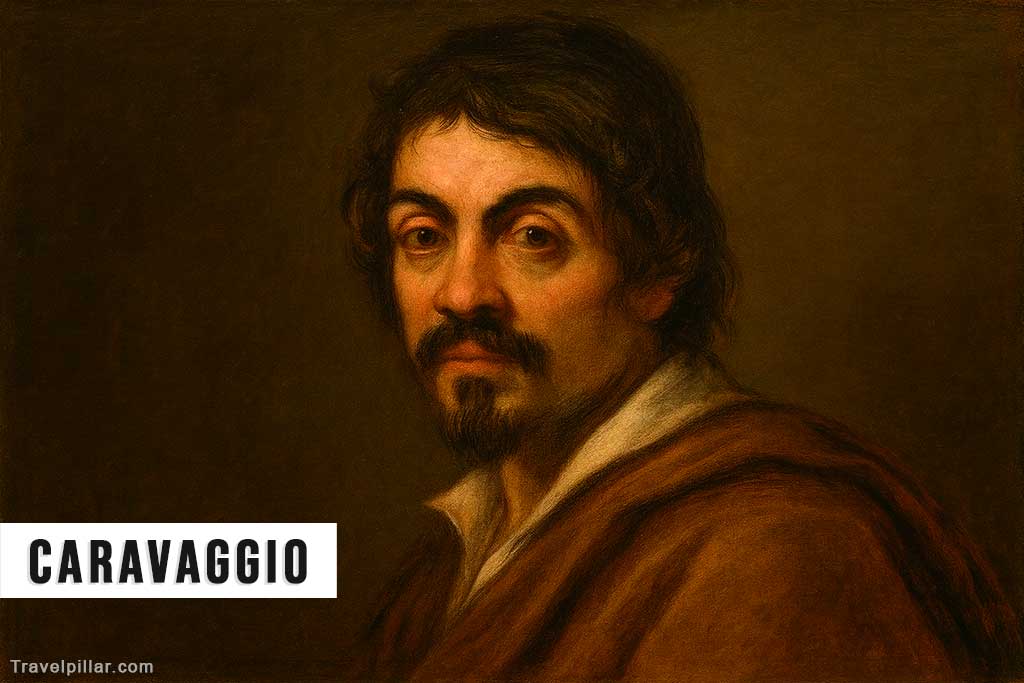
Caravaggio (1571-1610): A revolutionary figure in the Baroque movement, Caravaggio was known for his dramatic use of light and shadow, which created a powerful sense of realism in his paintings. His works, such as “The Calling of St. Matthew” and “Judith Beheading Holofernes,” often depicted religious and mythological scenes, capturing intense emotional moments with extraordinary detail and depth. Caravaggio’s innovative style has had a lasting influence on the world of art.
Mary Cassatt (1844-1926)
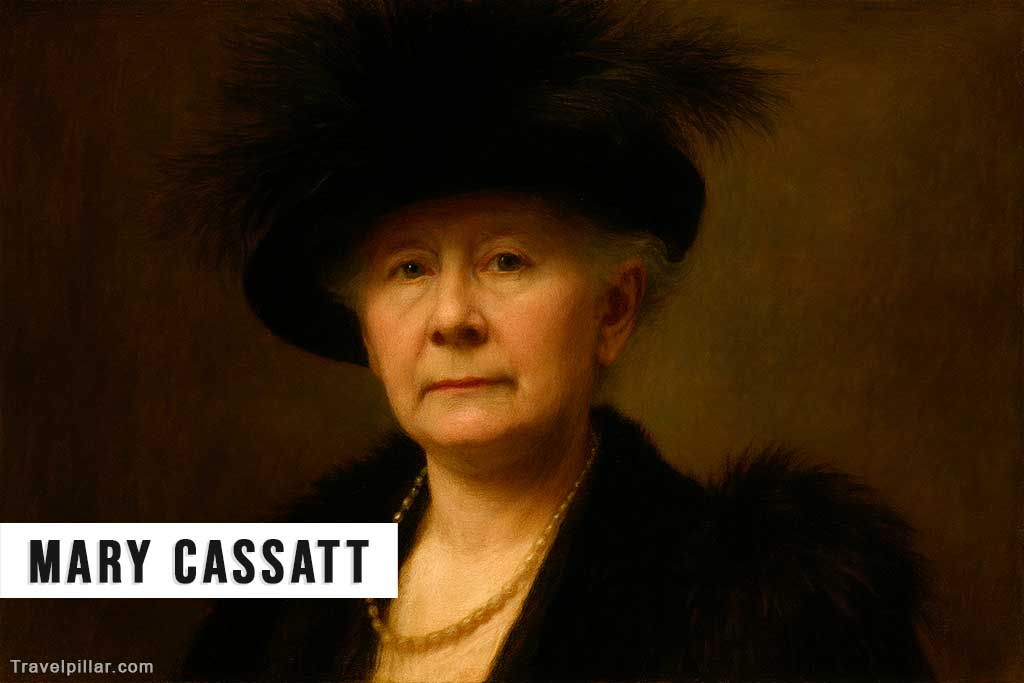
Mary Cassatt (1844-1926) was an American painter and printmaker, known for her association with the French Impressionist movement. She specialized in domestic scenes, often depicting women and children in everyday settings. Influenced by her time in Paris, Cassatt used loose brushwork and a light color palette. Notable works include “The Child’s Bath” and “Little Girl in a Blue Armchair.” Her focus on the intimate moments of women’s lives brought a unique perspective to Impressionism.
Paul Cézanne (1839-1906)
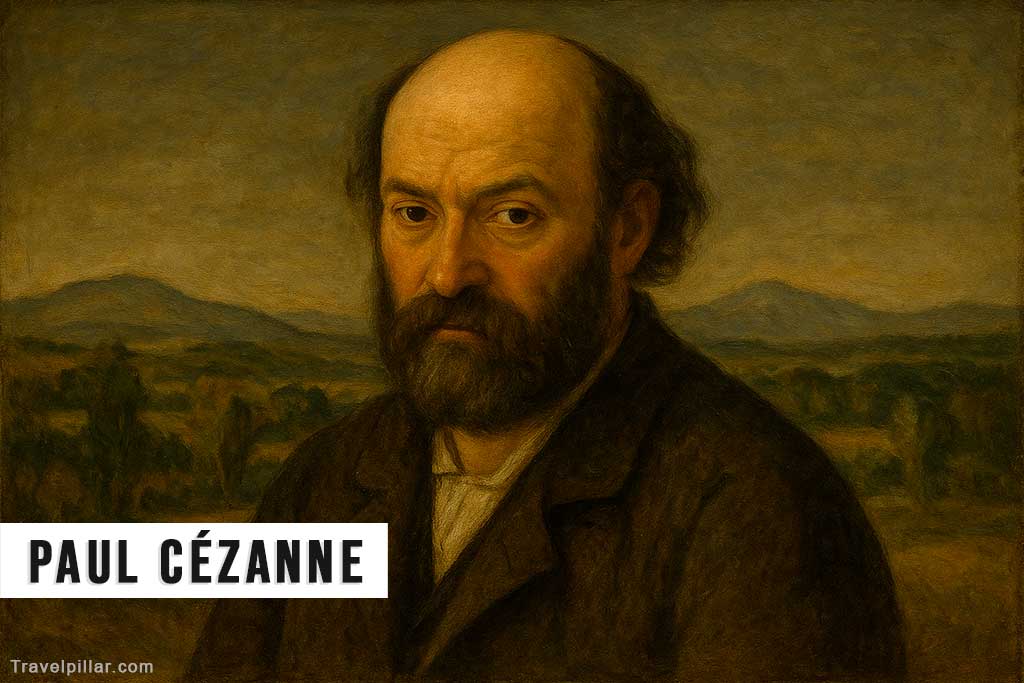
Paul Cézanne (1839-1906): Often considered the bridge between Impressionism and Cubism, Paul Cézanne’s innovative approach to form and color paved the way for modern art. His still lifes, landscapes, and portraits, such as “Mont Sainte-Victoire” and “The Card Players,” demonstrate his unique style and his mastery of composition. Cézanne’s groundbreaking techniques have had a profound influence on the development of 20th-century art.
Marc Chagall (1887-1985)

Marc Chagall (1887-1985) was a Russian-French artist known for his distinctive, dreamlike style that blended elements of Cubism, Symbolism, and Fauvism. His work often featured vivid colors and fantastical imagery, drawing on themes from his Jewish heritage, folklore, and village life. Notable pieces include “I and the Village” and “The Birthday.” Chagall worked across various mediums, including painting, stained glass, and ceramics, making him a versatile figure in 20th-century art.
John Constable (1776-1837)

A leading figure of the English Romantic movement, John Constable’s paintings of the English countryside are celebrated for their realism and their ability to capture the changing moods and seasons of the natural world. His works, such as “The Hay Wain” and “Flatford Mill,” are characterized by their attention to detail and their skillful use of light and color. Constable’s groundbreaking approach to landscape painting has had a lasting impact on the history of art.
Gustave Courbet (1819-1877)

Gustave Courbet (1819-1877): A leading figure in the Realist movement, Gustave Courbet sought to depict the world around him as it truly was, without idealization or romanticism. His powerful and sometimes controversial works, such as “The Stone Breakers” and “The Origin of the World,” challenged traditional artistic conventions and paved the way for modern art.
Salvador Dalí (1904-1989)
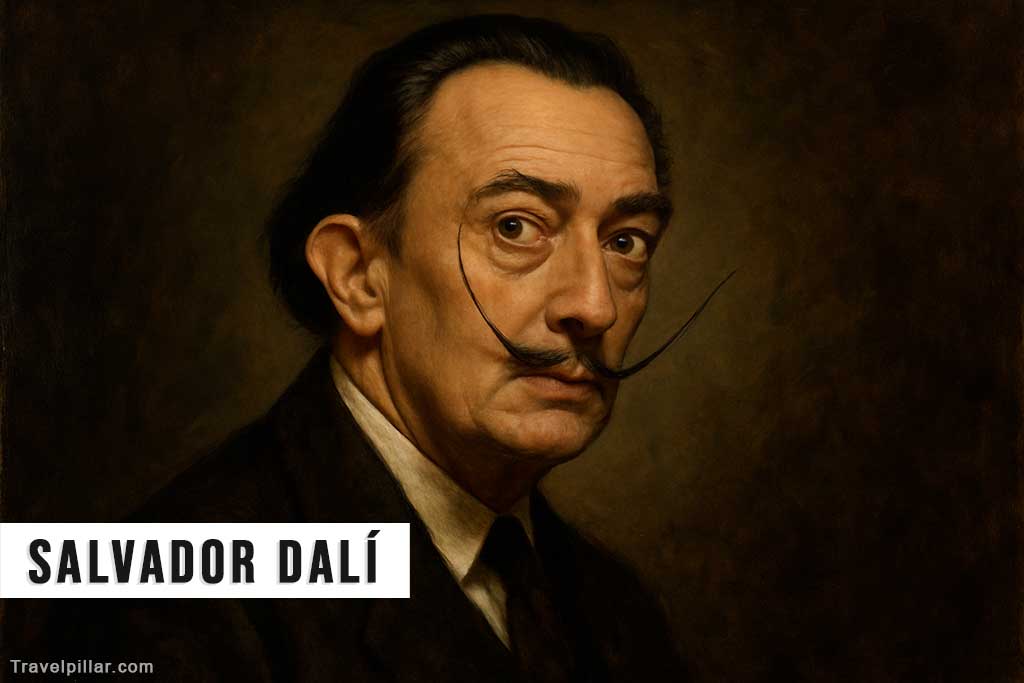
Salvador Dalí (1904-1989): A leading figure of the Surrealist movement, Salvador Dalí’s works are celebrated for their dreamlike imagery, their use of symbolism and metaphor, and their striking and often unsettling compositions. His most famous works, such as “The Persistence of Memory” and “The Elephants,” demonstrate his mastery of the techniques of painting and sculpture, as well as his ability to convey complex psychological and philosophical ideas through art. Dalí’s unique vision and his innovative approach to art have had a lasting impact on the history of modern art.
Leonardo da Vinci (1452-1519)
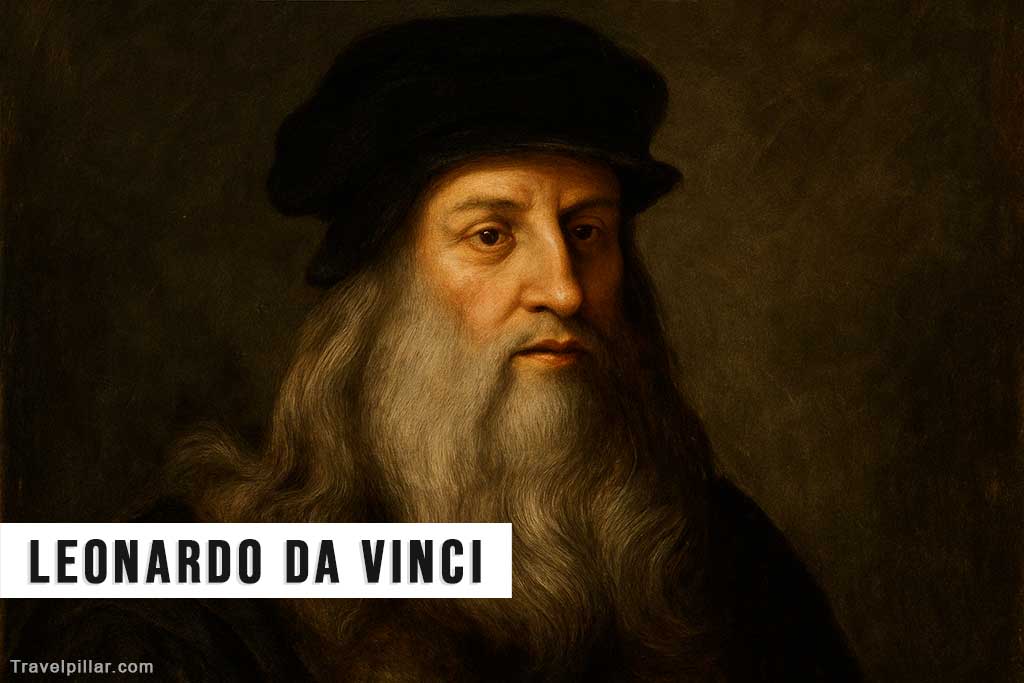
Leonardo da Vinci (1452-1519): Leonardo da Vinci was a polymath who excelled in various fields, including painting, sculpture, architecture, science, and engineering. As one of the most influential figures of the Italian Renaissance, he is best known for his masterpieces “The Last Supper” and “Mona Lisa.” Leonardo’s unparalleled talent for capturing the human form and his innovative techniques, such as sfumato, have left a lasting impact on the world of art.
Edgar Degas (1834-1917)

Edgar Degas (1834-1917): A prominent figure in the Impressionist movement, Edgar Degas is renowned for his paintings, sculptures, and prints depicting dancers, racehorses, and other contemporary subjects. His innovative compositions and skillful use of color and movement set him apart from his contemporaries. Degas’ works, such as “The Dance Class” and “L’Absinthe,” continue to captivate audiences worldwide.
Eugène Delacroix (1798-1863)

Eugène Delacroix (1798-1863) was a prominent French Romantic artist renowned for his dynamic and colorful works. His use of expressive brushstrokes and his study of the optical effects of color profoundly shaped the work of the Impressionists. Delacroix’s dramatic compositions, such as “Liberty Leading the People,” combined historical, political, and personal themes, and are emblematic of the Romantic emphasis on emotion. His influence extends beyond painting to literature and the Symbolist movement.
Marcel Duchamp (1887-1968)

Marcel Duchamp (1887-1968): A pivotal figure in the development of modern art, Marcel Duchamp challenged conventional ideas about what constitutes art with his thought-provoking and controversial works. His groundbreaking “readymades,” such as “Fountain” and “Bicycle Wheel,” questioned the role of the artist and the nature of art itself. Duchamp’s innovative ideas and approach to art have had a lasting influence on the contemporary art
Albrecht Dürer (1471-1528)
Albrecht Dürer (1471-1528) was a German Renaissance artist renowned for his mastery in painting, printmaking, and engraving. His works exhibit meticulous detail, mathematical precision, and an interest in naturalism. Dürer’s notable pieces include “Melencolia I,” “Knight, Death, and the Devil,” and his self-portraits. He was also a theoretician, writing on geometry, perspective, and human proportions. His art and writings significantly influenced European art, establishing him as a central figure of the Northern Renaissance.
Thomas Gainsborough (1727-1788)

One of the leading portrait and landscape painters of the 18th century, Thomas Gainsborough is known for his elegant and refined style, as well as his skillful use of light and color. His most famous works, such as “The Blue Boy” and “Mr. and Mrs. Andrews,” showcase his ability to capture the beauty and grace of his subjects. Gainsborough’s innovative approach to painting has had a lasting impact on the history of art.
Paul Gauguin (1848-1903)

Paul Gauguin (1848-1903): A leading figure of the Post-Impressionist movement, Paul Gauguin’s innovative approach to painting and his exotic subject matter, often inspired by his travels to Tahiti and other South Pacific islands, have made him one of the most influential artists of the late 19th century. His works, such as “Where Do We Come From? What Are We? Where Are We Going?” and “Tahitian Women on the Beach,” demonstrate his unique style and his use of bold colors and flat, decorative patterns. Gauguin’s groundbreaking techniques and his exploration of non-Western cultures have had a lasting influence on the development of modern art.
Jean-Honoré Fragonard (1732-1806)
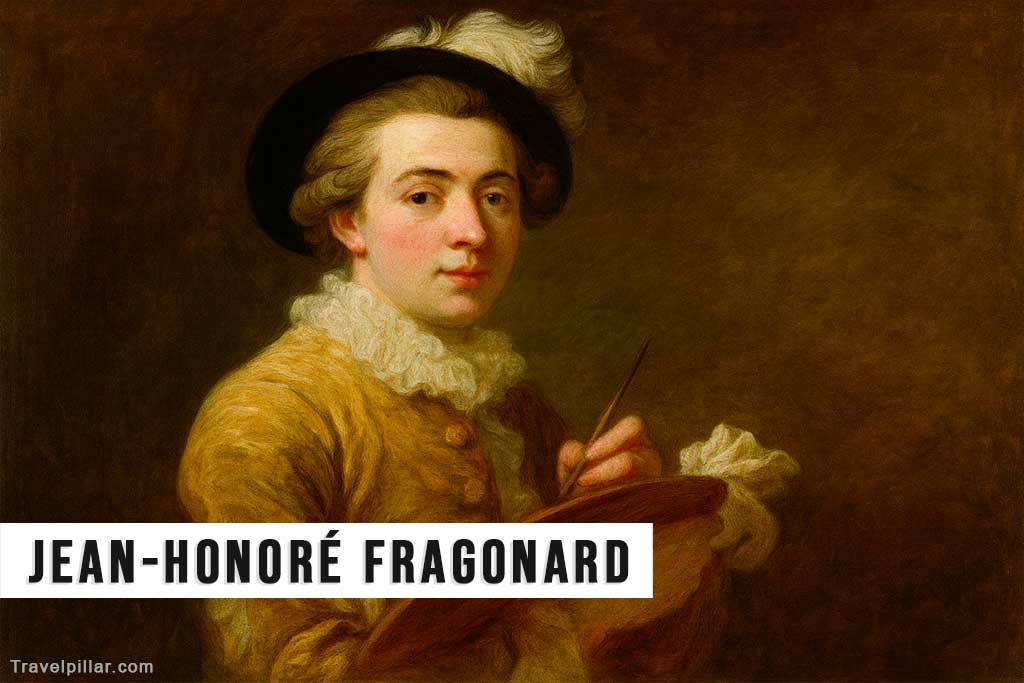
Jean-Honoré Fragonard (1732-1806) was a French Rococo painter known for his exuberant and playful depictions of romance, leisure, and nature. His works are characterized by their soft brushwork, vibrant colors, and intricate details. Notable paintings include “The Swing” and “The Progress of Love” series, which embody the lighthearted and decorative nature of the Rococo period. Fragonard’s art captured the elegance and indulgence of 18th-century French aristocratic life.
Francisco Goya (1746-1828)
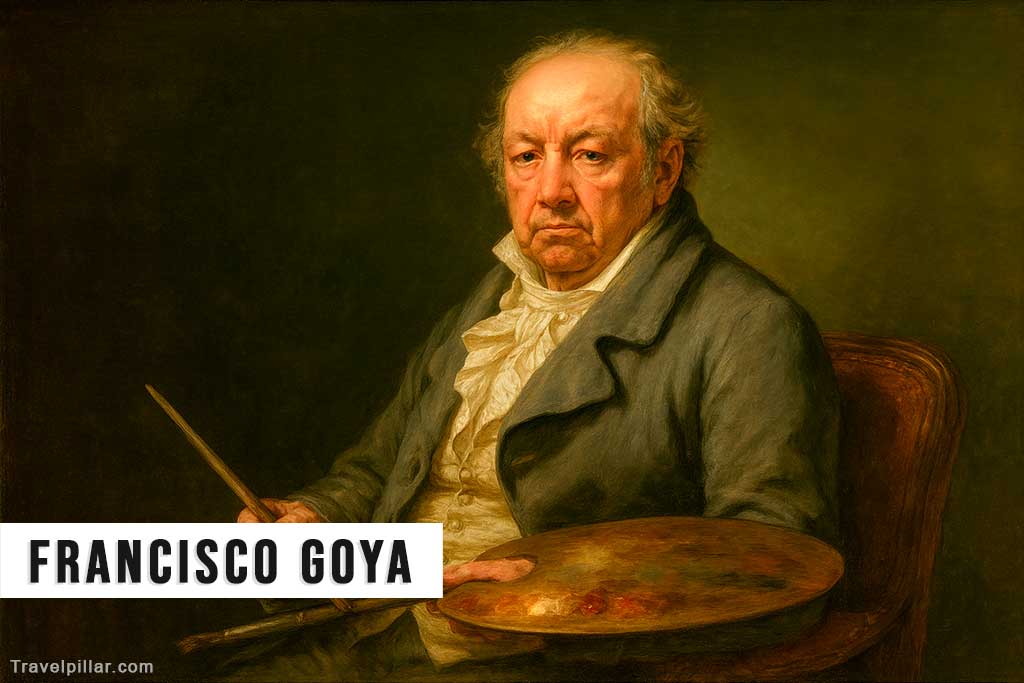
Francisco Goya (1746-1828): A leading figure of the Romantic movement, Francisco Goya’s works are known for their dramatic intensity, their psychological depth, and their exploration of the darker aspects of the human experience. His most famous works, such as “The Third of May 1808” and “The Black Paintings,” convey a sense of raw emotion and existential angst that have made them enduring favorites among art lovers. Goya’s innovative approach to painting and his exploration of the subconscious have had a lasting influence on the development of modern art.
El Greco (1541-1614)

El Greco (1541-1614): A leading figure of the Spanish Renaissance, El Greco’s works are known for their dramatic intensity, their use of bold colors and elongated figures, and their incorporation of elements of Mannerism and Venetian art. His most famous works, such as “The Burial of the Count of Orgaz” and “View of Toledo,” showcase his mastery of the techniques of painting and sculpture, as well as his ability to convey complex emotional and spiritual themes through art. El Greco’s innovative approach to painting and his influence on the development of Spanish Baroque art have made him an enduring figure in the history of art.
Frans Hals (1582-1666)
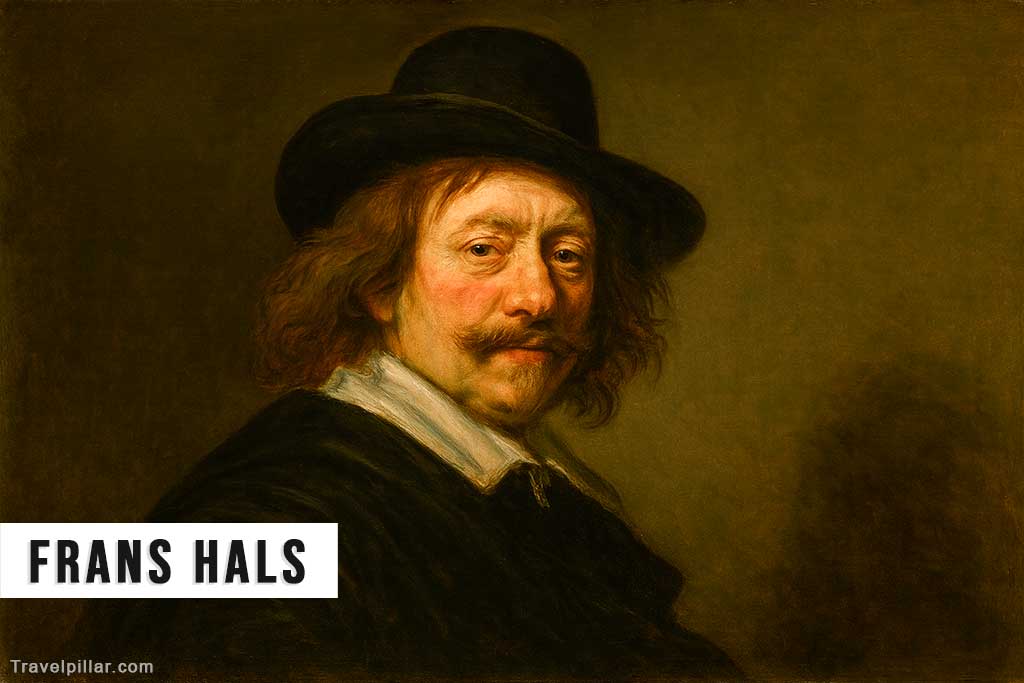
Frans Hals (1582-1666): As a prominent portraitist during the Dutch Golden Age, Frans Hals was known for his lively and energetic brushwork, which captured the character and vitality of his subjects. His innovative approach to portraiture, depicting subjects in a more casual and informal manner, set him apart from his contemporaries. Hals’ impressive oeuvre includes individual and group portraits, as well as genre scenes, with “The Laughing Cavalier” and “The Merry Drinker” being among his most famous works.
David Hockney (1937-)
A celebrated painter, printmaker, and photographer, David Hockney is known for his innovative use of color and his ability to capture the essence of contemporary life. His most famous works, such as “A Bigger Splash” and “Portrait of an Artist (Pool with Two Figures),” are celebrated for their vibrancy and their playful, yet profound, exploration of the human experience. Hockney’s groundbreaking approach to art and his exploration of new technologies, such as the iPad, have made him one of the most influential artists of our time.
William Hogarth (1697-1764)

A pioneering painter and engraver, William Hogarth is known for his satirical and moralistic works that provide a window into the social and political issues of 18th-century England. His most famous works, such as “A Rake’s Progress” and “Marriage à-la-mode,” use humor and wit to critique the vices and follies of his time. Hogarth’s innovative approach to narrative art has influenced generations of artists.
Gustav Klimt (1862-1918)
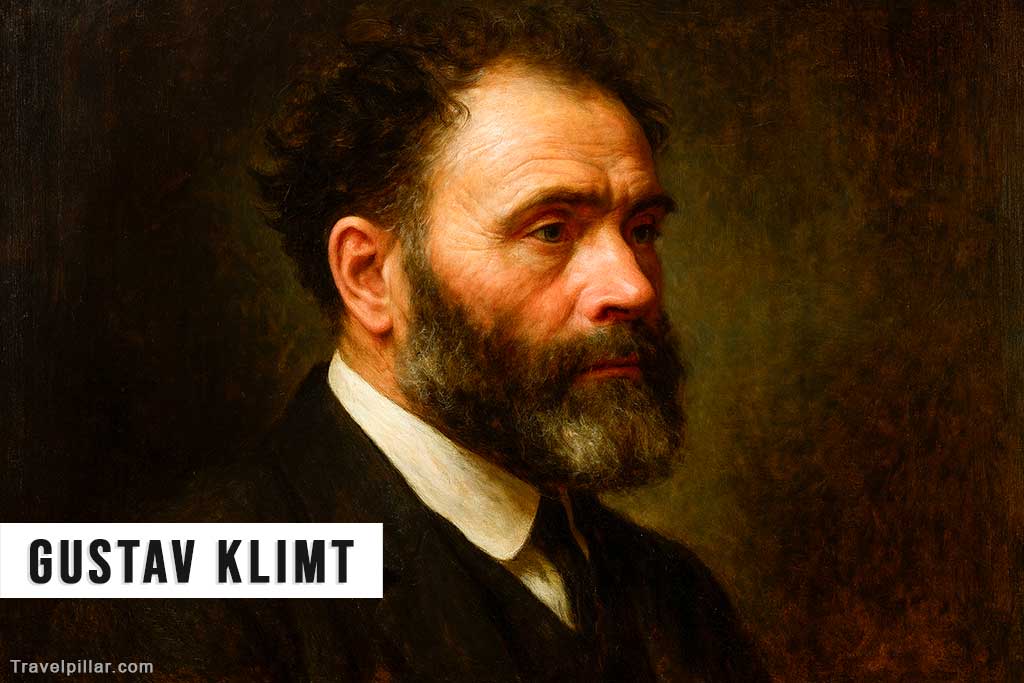
Gustav Klimt (1862-1918) was an Austrian symbolist painter and a prominent member of the Vienna Secession movement. Known for his opulent and erotic style, his works often feature intricate patterns, gold leaf, and portrayals of the female form. Notable pieces include “The Kiss” and “Portrait of Adele Bloch-Bauer I.” Klimt’s art, marked by its use of symbolism and decorative elements, reflects themes of beauty, love, and mortality, making him a key figure in modern art.
Édouard Manet (1832-1883)

Édouard Manet (1832-1883): A pivotal figure in the transition from Realism to Impressionism, Édouard Manet is known for his innovative approach to painting and his bold, unconventional style. His works, such as “Luncheon on the Grass” and “Olympia,” often challenged traditional artistic conventions and sparked controversy for their depiction of modern life and their provocative subject matter. Manet’s skillful use of light, color, and composition, as well as his willingness to break with tradition, have made him one of the most important and influential artists in the history of art.
Henri Matisse (1869-1954)

Henri Matisse (1869-1954): A leading figure in the Fauvist movement, Henri Matisse is celebrated for his use of bold colors and expressive, simplified forms. His paintings, such as “The Joy of Life” and “The Dance,” convey a sense of energy and emotion that has influenced generations of artists. Matisse’s innovative approach to color and form has made him one of the most important artists of the 20th century.
Michelangelo (1475-1564)

Michelangelo Buonarroti (1475-1564): A true Renaissance man, Michelangelo was a master of painting, sculpture, and architecture. His works, such as the statue of “David” and the ceiling frescoes in the Sistine Chapel, are widely regarded as some of the most important and influential works of Western art. Michelangelo’s extraordinary ability to depict human anatomy, emotion, and movement has cemented his legacy as one of the greatest artists of all time.
Joan Miró (1893-1983)

Joan Miró (1893-1983): A leading figure of the Surrealist movement, Joan Miró’s works are celebrated for their playful, yet profound, exploration of the human experience, as well as their innovative use of color and form. His most famous works, such as “The Tilled Field” and “Blue II,” demonstrate his mastery of the techniques of painting and sculpture, as well as his ability to convey complex emotions and ideas through art. Miró’s unique vision and his influence on the development of modern art have made him an enduring figure in the history of art.
Amedeo Modigliani (1884-1920)

Amedeo Modigliani (1884-1920) was an Italian painter and sculptor known for his distinctive portraits and nudes featuring elongated faces and figures. Influenced by African sculpture and Renaissance art, his works are marked by a blend of elegance and melancholy. Notable pieces include “Portrait of Jeanne Hébuterne” and “Nu couché.” Despite his short career and limited recognition during his lifetime, Modigliani’s unique style left a lasting impact on modern art.
Piet Mondrian (1872-1944)
Piet Mondrian (1872-1944): A pioneer of abstract art, Piet Mondrian developed a distinctive geometric style known as “neoplasticism” or “De Stijl.” Characterized by a grid of black lines, primary colors, and white spaces, Mondrian’s abstract compositions reflect his pursuit of harmony and order. His innovative approach to art and design has influenced generations of artists and designers, and his works, such as “Composition with Red, Blue, and Yellow,” remain iconic examples of modern art.
Claude Monet (1840-1926)

Claude Monet (1840-1926): A founding member of the Impressionist movement, Claude Monet is best known for his vibrant landscapes and his innovative use of color and light. His series of paintings, such as “Water Lilies” and “Haystacks,” demonstrate his ability to capture the changing atmosphere and mood of a scene. Monet’s groundbreaking approach to painting has made him one of the most celebrated artists in history.
Edvard Munch (1863-1944)
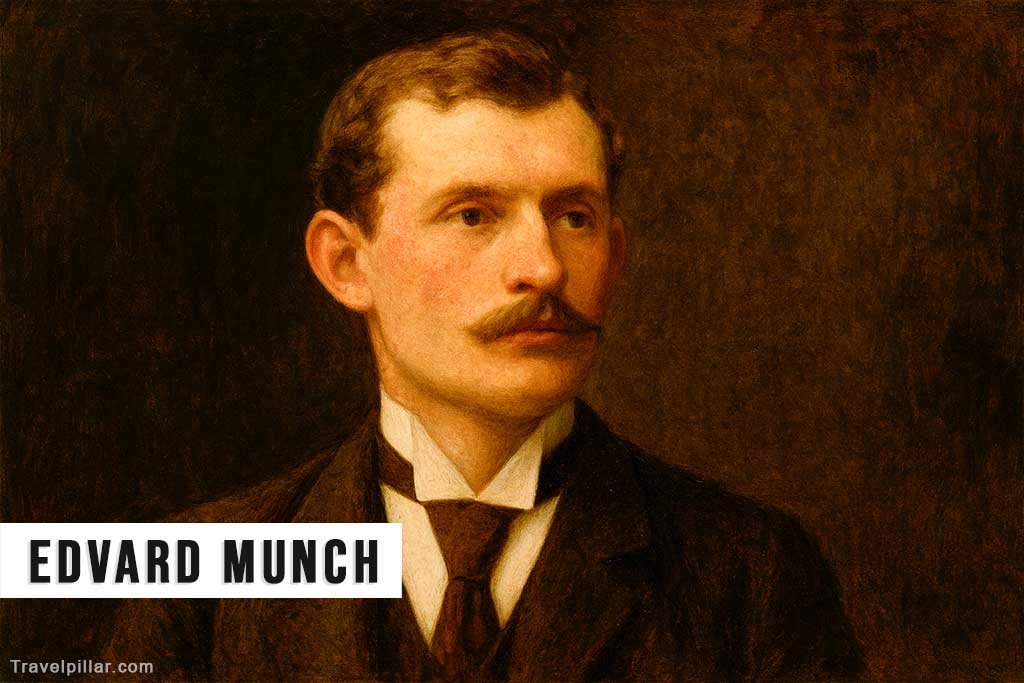
Edvard Munch (1863-1944) was a Norwegian painter and printmaker known for his focus on human emotion and psychological themes. A pioneer of Symbolism and Expressionism, his style featured vivid colors and bold lines. His most famous work, “The Scream,” captures existential angst and has become an iconic image in modern art. Munch’s legacy is preserved in the Munch Museum in Oslo, which houses a large collection of his works and personal artifacts.
Pablo Picasso (1881-1973)

Pablo Picasso (1881-1973): One of the most influential artists of the 20th century, Pablo Picasso is known for his groundbreaking contributions to the development of Cubism, as well as his experimentation with other styles and techniques throughout his long and prolific career. His most famous works, such as “Les Demoiselles d’Avignon” and “Guernica,” demonstrate his mastery of form, color, and composition, as well as his ability to convey complex ideas and emotions through art. Picasso’s enduring legacy continues to inspire and influence artists today.
Camille Pissarro (1830–1903)

Camille Pissarro (1830-1903) was a Danish-French Impressionist and Neo-Impressionist painter. Pivotal in the formation of the Impressionist movement, Pissarro was the only artist to participate in all eight Impressionist exhibitions. His works, such as “Boulevard Montmartre at Night,” are characterized by loose brushwork and outdoor scenes. Later, he also embraced Pointillism. Pissarro’s influence extends to leading artists of the time, including Paul Cézanne and Paul Gauguin, whom he mentored.
Raphael (1483-1520)

Raphael, or Raffaello Sanzio da Urbino (1483-1520), was a pivotal figure in the Italian High Renaissance, renowned for his clarity of form and balanced compositions. His notable works, such as “The School of Athens” and “Sistine Madonna,” exemplify his mastery of perspective, depth, and serene representation of human grandeur. Also an architect, Raphael worked on significant commissions, including parts of Saint Peter’s Basilica. His influence on Western art is immeasurable, his work forming a classical canon for subsequent generations.
Pierre-Auguste Renoir (1841-1919)

Pierre-Auguste Renoir (1841-1919): As a leading Impressionist painter, Pierre-Auguste Renoir is known for his luminous and vibrant depictions of everyday life. His skillful use of color and light, combined with his ability to capture the beauty and joy of his subjects, has made his works, such as “Luncheon of the Boating Party” and “Dance at Le Moulin de la Galette,” enduring favorites among art lovers.
Joshua Reynolds (1723-1792)

A leading portrait painter of the 18th century, Joshua Reynolds is known for his elegant and refined style, as well as his ability to capture the personality and character of his subjects. His most famous works, such as “The Strawberry Girl” and “Mrs. Siddons as the Tragic Muse,” are celebrated for their beauty and their psychological depth. Reynolds’ innovative approach to portraiture has influenced generations of artists.
Rembrandt van Rijn (1606-1669)
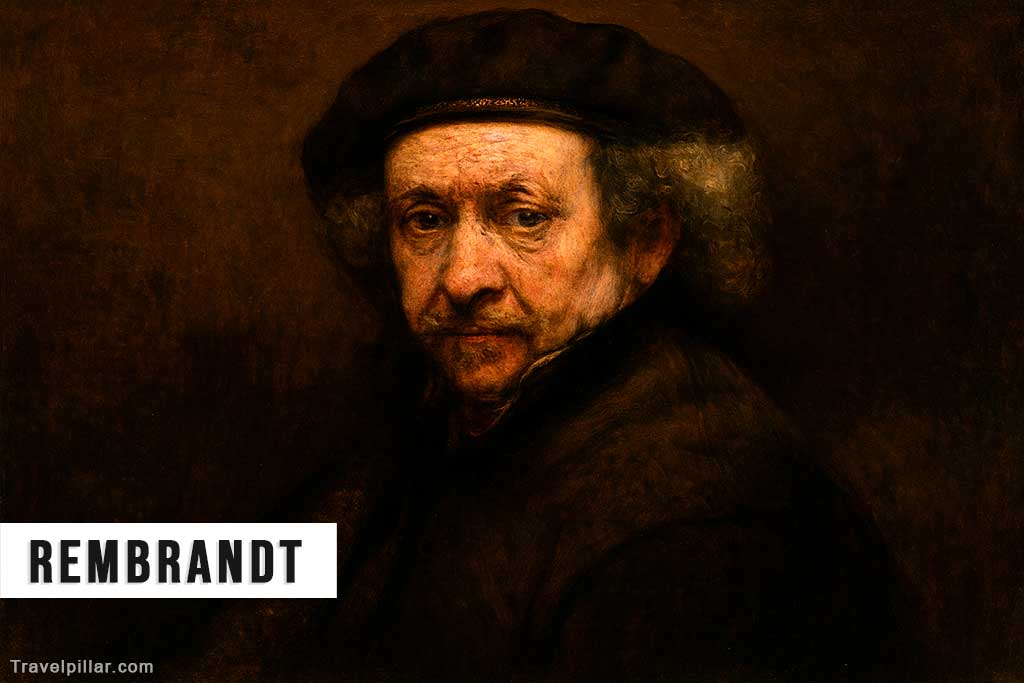
Rembrandt van Rijn (1606-1669): Rembrandt is widely regarded as one of the greatest painters and printmakers in European art history. His prolific body of work includes historical scenes, biblical narratives, self-portraits, and portraits of prominent Dutch citizens. Rembrandt’s exceptional ability to capture light and shadow, as well as his deeply emotional and humanistic portrayals of his subjects, set him apart from his contemporaries. His most famous work, “The Night Watch,” is a prime example of his innovative composition and masterful technique.
Auguste Rodin (1840-1917)

Auguste Rodin (1840-1917): Often considered the father of modern sculpture, Auguste Rodin created expressive and emotionally charged works that broke away from traditional sculptural conventions. His most famous works, such as “The Thinker” and “The Kiss,” showcase his mastery of the human form and his ability to convey complex emotions through sculpture. Rodin’s innovative approach has had a lasting impact on the world of art.
Henri Rousseau (1844-1910)
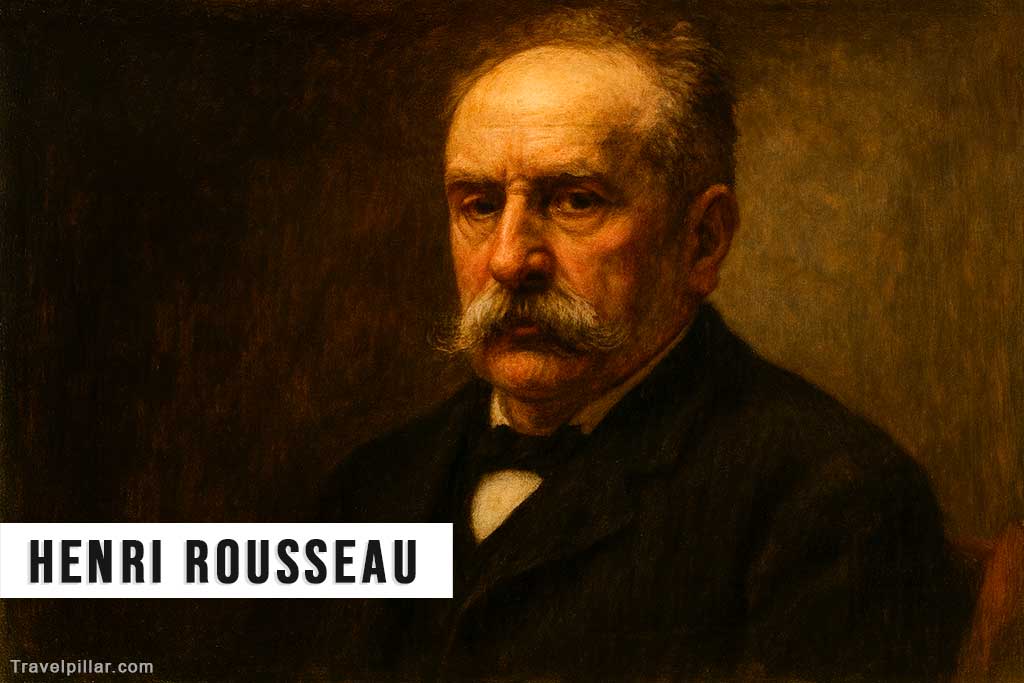
Henri Rousseau (1844-1910): A self-taught painter known for his dreamlike and fantastical landscapes and scenes, Henri Rousseau is often considered a pioneer of the Naïve or Primitive art movement. His works, such as “The Sleeping Gypsy” and “The Dream,” are characterized by their lush, exotic settings, their attention to detail, and their use of bold colors and patterns. Rousseau’s unconventional approach and his exploration of the subconscious have made him an enduring figure in the history of art.
John Singer Sargent (1856-1925)

A leading portrait painter of the late 19th and early 20th centuries, John Singer Sargent is celebrated for his skillful use of light and color, as well as his ability to capture the personality and essence of his subjects. His most famous works, such as “Madame X” and “The Daughters of Edward Darley Boit,” demonstrate his mastery of portraiture and his innovative approach to painting. Sargent’s enduring legacy continues to inspire and influence artists today.
Georges Seurat (1859-1891)

Georges Seurat (1859-1891): A pioneer of the Neo-Impressionist movement, Georges Seurat is best known for his innovative technique of pointillism, which involves applying small dots of color to create an image. His most famous works, such as “A Sunday on La Grande Jatte” and “Bathers at Asnières,” showcase his mastery of color, light, and composition. Seurat’s distinctive style and unique approach to painting have left a lasting impact on the history of art.
Titian (c. 1488-1576)
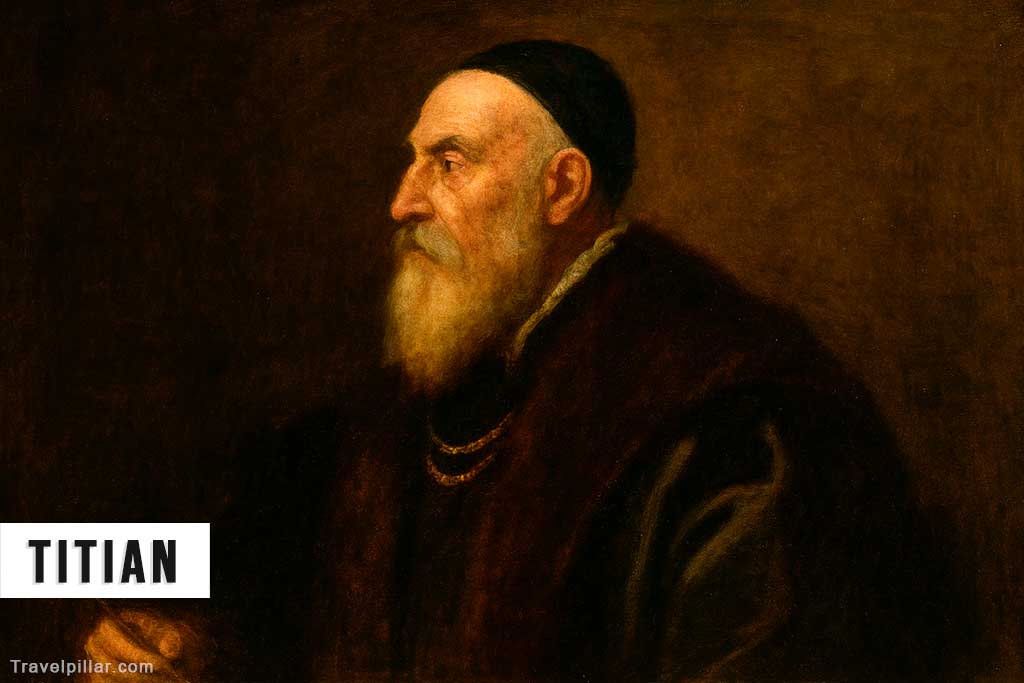
Titian (c. 1488-1576): As one of the leading painters of the Venetian Renaissance, Titian was renowned for his masterful use of color and his innovative approach to composition. His works, which include portraits, religious scenes, and mythological subjects, such as “Bacchus and Ariadne” and “The Assumption of the Virgin,” demonstrate his exceptional skill in capturing movement, emotion, and atmosphere. Titian’s influential style has inspired countless artists throughout history.
J. M. W. Turner (1775-1851)
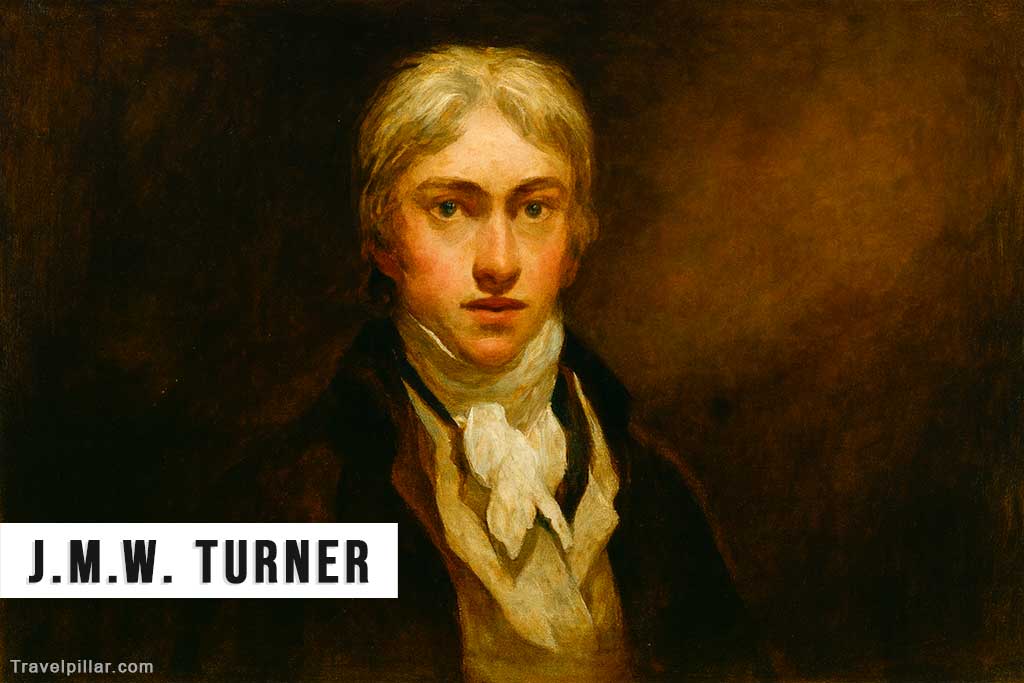
A leading figure of the Romantic movement, William Turner is known for his luminous and atmospheric paintings that captured the beauty and drama of nature. His use of light and color, as well as his innovative techniques, have had a profound influence on the development of modern art. Turner’s most famous works, such as “The Fighting Temeraire” and “Rain, Steam, and Speed,” continue to inspire and captivate audiences today.
Anthony Van Dyck (1599-1641)
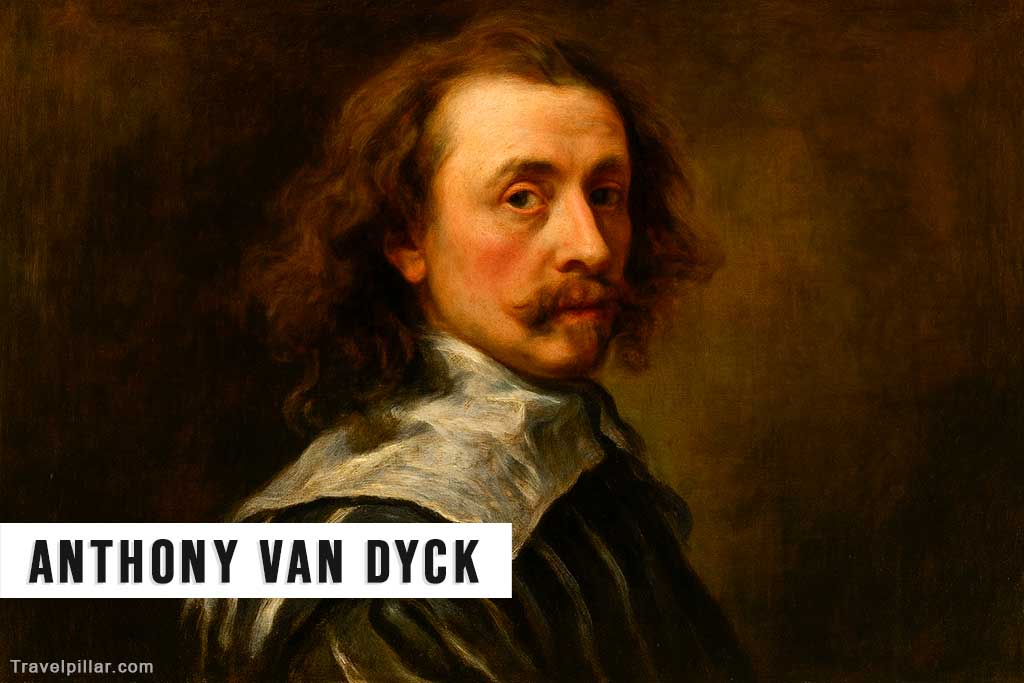
Anthony Van Dyck (1599-1641) was a Flemish Baroque painter renowned for his portraits of European aristocracy. A student of Peter Paul Rubens, Van Dyck developed a refined style characterized by elegance, realism, and attention to texture and detail. His works, such as “Charles I at the Hunt,” depict subjects with a sense of poise and dignity. Van Dyck’s influence extended beyond Flanders, shaping the development of portrait painting in England and across Europe.
Jan van Eyck (1390-1441)
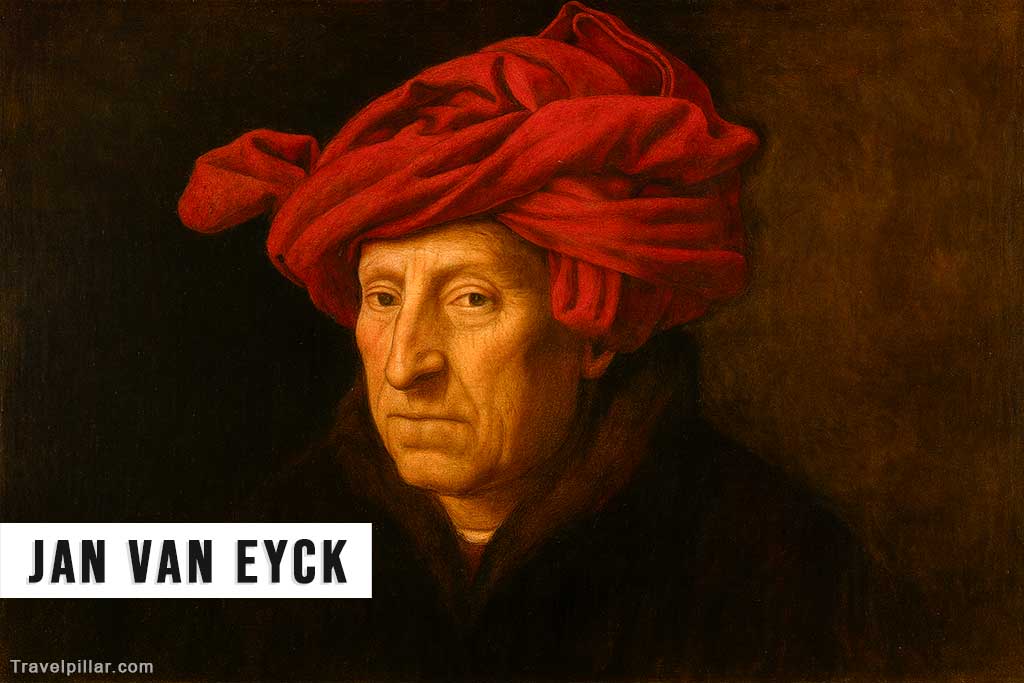
Jan van Eyck (1390-1441): Jan van Eyck is often considered one of the founders of Early Netherlandish painting, and his innovations in oil painting technique and attention to detail have had a profound impact on the development of Western art. He was one of the first artists to utilize oil paint to create luminous, detailed, and realistic images. Van Eyck’s most famous work, the “Ghent Altarpiece,” is a monumental polyptych that showcases his mastery of light, color, and texture. His ability to capture minute details in his paintings, such as the intricate patterns of fabrics and the subtle reflections on metal and glass, set a new standard for realism in art. In addition to religious scenes, Van Eyck also painted secular works and portraits, such as “The Arnolfini Portrait,” which is celebrated for its complex symbolism and innovative use of perspective.
Vincent van Gogh (1853-1890)

Vincent van Gogh (1853-1890): A prominent figure in the post-Impressionist movement, Vincent van Gogh is known for his expressive and emotive use of color, as well as his turbulent personal life. Despite struggling with mental health issues and receiving little recognition during his lifetime, Van Gogh’s work has since become iconic, with pieces such as “Starry Night” and “Sunflowers” achieving widespread acclaim. His innovative style and unique approach to color and brushwork have had a lasting impact on the art world.
Giorgio Vasari (1511-1574)
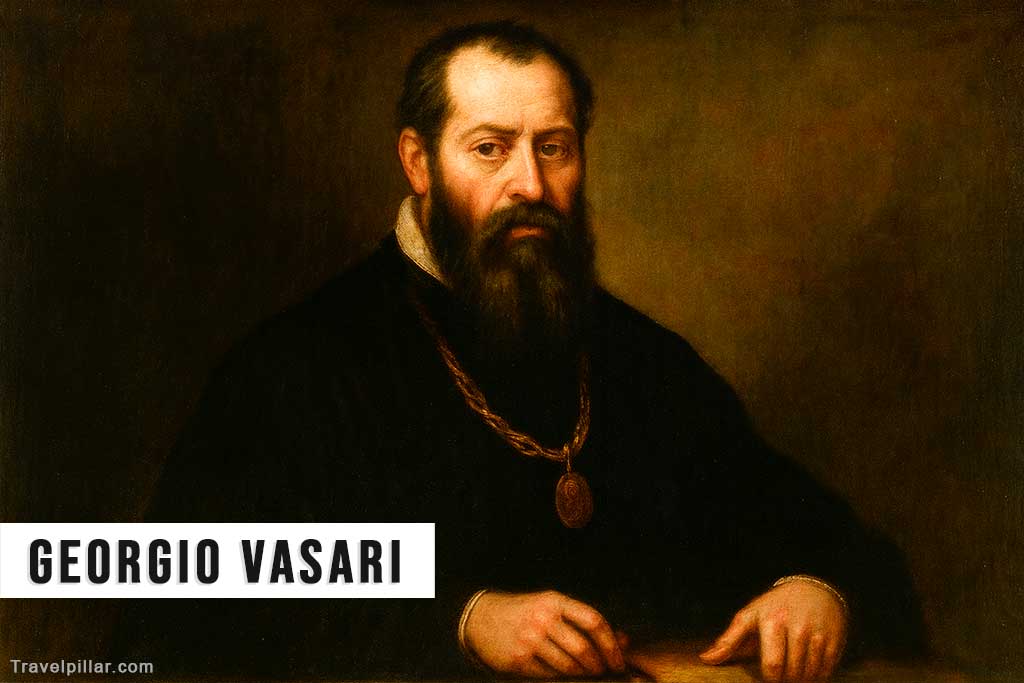
Giorgio Vasari (1511-1574): An accomplished painter, architect, and writer, Giorgio Vasari is best known for his book “Lives of the Most Excellent Painters, Sculptors, and Architects,” which provides invaluable biographical information on many of the Italian Renaissance’s leading artists. Vasari was also a skilled painter in his own right, creating works such as “The Last Judgement” fresco in the Florence Cathedral.
Diego Velázquez (1599-1660)

Diego Velázquez (1599-1660): One of the greatest painters of the Spanish Golden Age, Diego Velázquez is known for his stunning portraits and genre scenes that showcase his technical skill, his mastery of light and color, and his ability to capture the essence of his subjects. His most famous works, such as “Las Meninas” and “The Surrender of Breda,” are celebrated for their depth and complexity, as well as their emotional resonance. Velázquez’s innovative approach to portraiture and his influence on the development of Baroque art have made him an enduring figure in the history of art.
Johannes Vermeer (1632-1675)
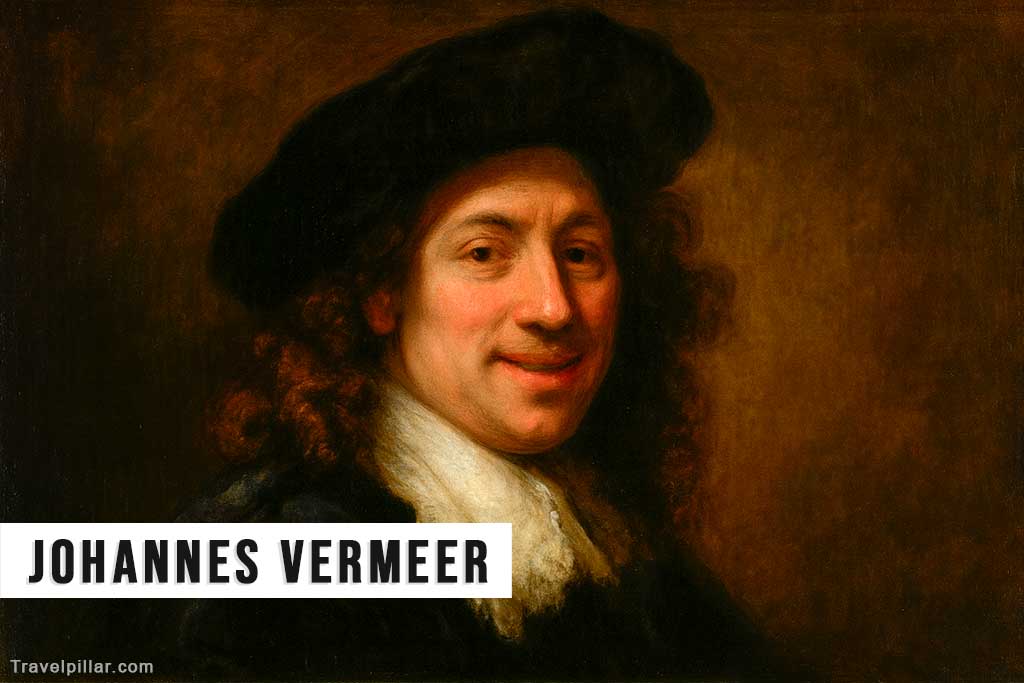
Johannes Vermeer (1632-1675): A master of light and composition, Johannes Vermeer is celebrated for his intimate domestic scenes that often feature women engaged in everyday activities. His relatively small body of work, consisting of around 35 paintings, exhibits a timeless and universal appeal. Vermeer’s exceptional skill in rendering light and texture, as well as his meticulous attention to detail, make his works, such as “Girl with a Pearl Earring” and “The Milkmaid,” enduring masterpieces.
Andy Warhol (1928-1987)
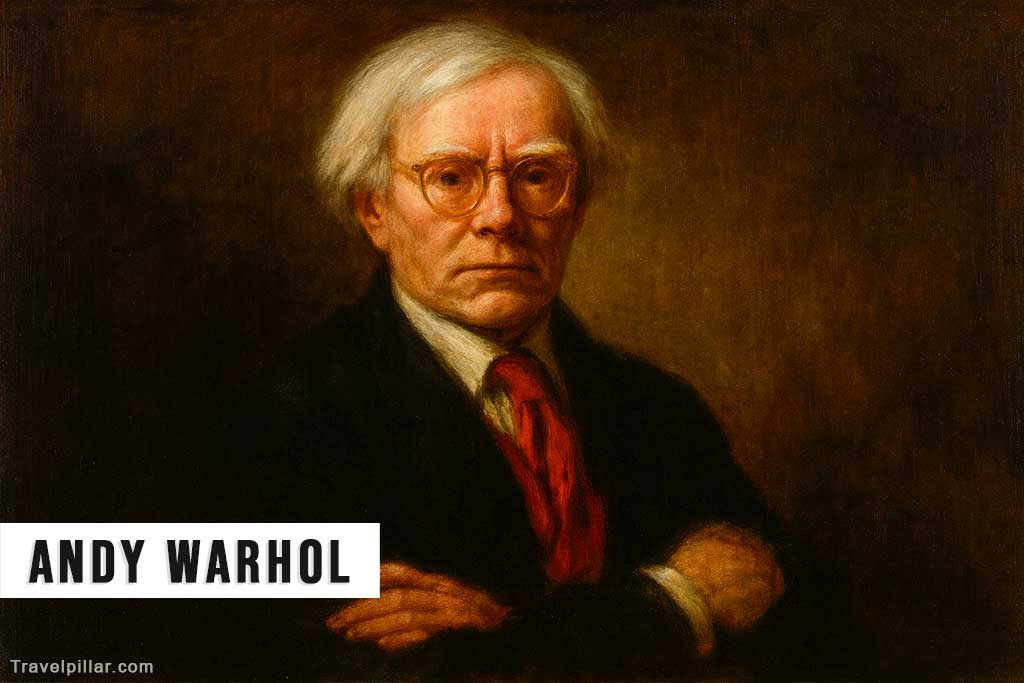
Andy Warhol (1928-1987) was an American artist and a leading figure in the Pop Art movement. Known for his exploration of consumer culture and mass media, his works often featured iconic images of celebrities, everyday objects, and advertisements. Notable pieces include “Campbell’s Soup Cans” and “Marilyn Diptych.” Warhol utilized techniques like silkscreen printing to emphasize repetition and commercialization, challenging traditional ideas of art. His style left a lasting impact on contemporary art and culture.
James McNeill Whistler (1834-1903)
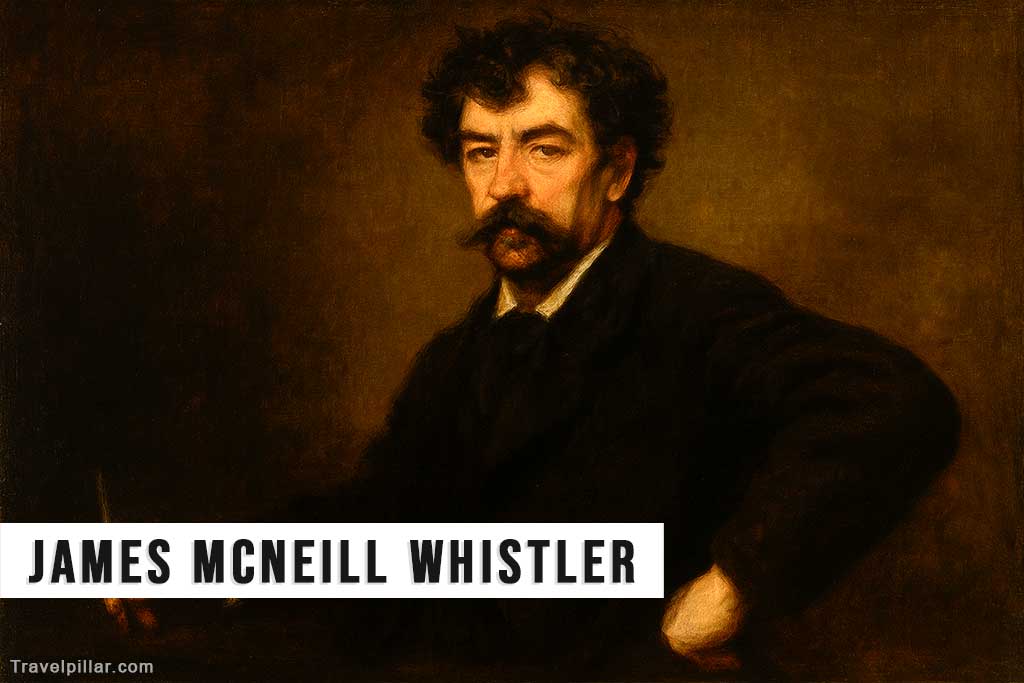
James McNeill Whistler (1834-1903) was an American-born artist known for his contributions to the Aesthetic Movement. Residing mainly in Europe, he advocated “art for art’s sake,” focusing on beauty and harmony in his work. His paintings often featured subdued tones and subtle compositions, as seen in “Arrangement in Grey and Black No.1” (commonly known as “Whistler’s Mother”). Whistler’s work in portraiture, landscapes, and etchings showcased his emphasis on mood and atmospheric effects.
Francisco de Zurbarán (1598-1664)

Francisco de Zurbarán (1598-1664): A leading figure of the Spanish Golden Age, Francisco de Zurbarán’s works are known for their realism and their attention to detail. His most famous works, such as “The Martyrdom of Saint Serapion” and “Saint Francis in Meditation,” demonstrate his mastery of form, light, and color, as well as his ability to convey the spiritual and emotional essence of his subjects. Zurbarán’s influence on the development of Spanish Baroque art has been profound and enduring.